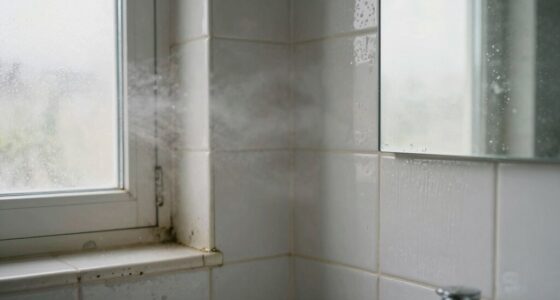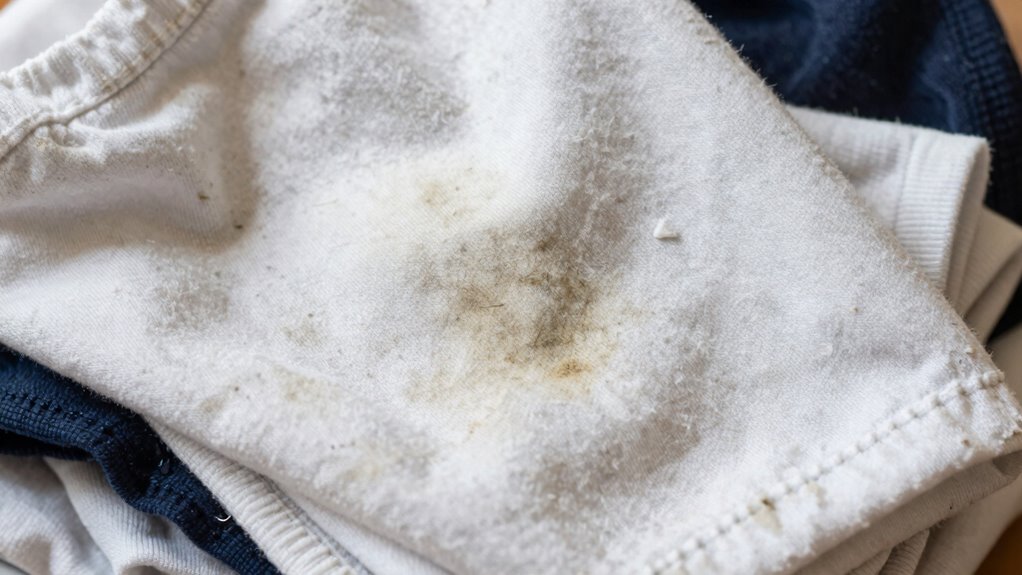

If your laundry still smells off, it’s often due to overlooked factors like residual bacteria and mold, detergent buildup, or improper drying. Lingering residues from soap or mold hidden in the washer parts can cause persistent odors, even after washing. Overloading your machine or drying clothes improperly traps moisture, encouraging bacteria growth. Fixing these hidden issues can make a big difference, and there’s more you might not know that can help you achieve truly fresh-smelling laundry.

Get health and wellness essentials delivered free with Prime
- Fast, free delivery on millions of items
- Prime Video, Amazon Music and more included
- Member-only deals all year
Key Takeaways
- Residual mold, bacteria, or detergent buildup in the washer can cause persistent off odors despite washing.
- Overloading the machine or insufficient rinsing traps debris and residues, leading to foul smells.
- Damp clothes left in the washer or drying area promote mold growth and lingering odors.
- Infrequent or improper cleaning of the washing machine allows mold and residues to accumulate.
- Using too much detergent or improper drying habits can trap moisture and cause lingering laundry smells.
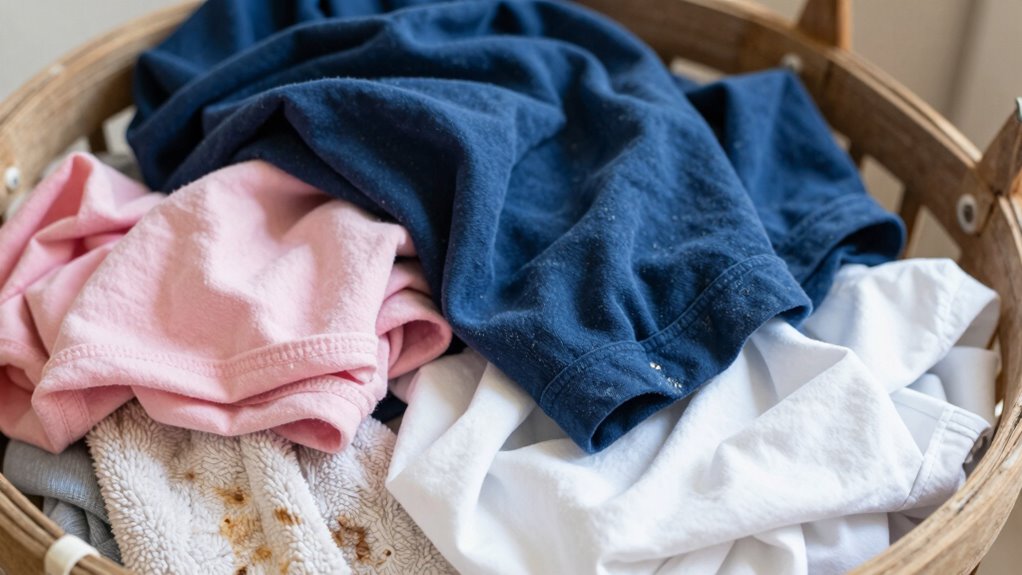
If your laundry smells off despite being freshly washed, the cause is often related to lingering bacteria, mold, or improper washing practices. Even after running your clothes through the wash, some odors persist because residues like detergent buildup or mold haven’t been fully eliminated. Detergent residue can cling to fabrics if you use too much or don’t rinse thoroughly, creating a breeding ground for bacteria that produce unpleasant smells over time. Similarly, mold buildup in your washing machine or on your clothing can cause musty odors that seem to come back even after washing.
Lingering detergent and mold can cause persistent laundry odors even after washing.
You might not realize it, but over time, soap and fabric softener can accumulate in hidden areas of your washing machine, especially in the gasket, dispenser drawer, or drum. This buildup traps moisture and debris, fostering mold growth and bacteria that release foul odors. If you notice your clothes smell fresh initially but develop a stale or sour scent after drying, it’s a sign that your washing machine might be harboring mold or detergent residue. Regularly cleaning your machine with a washer cleaner or running an empty cycle with hot water and vinegar can help break down these deposits and prevent odor buildup.
Another common mistake is overloading the washer. When you pack too many clothes into a single load, water and detergent can’t circulate properly, leading to inadequate rinsing. Residual detergent and dirt stay lodged in fabrics, and bacteria or mold can thrive in the moist environment. This results in clothes that smell off even after washing. Using too much detergent compounds the problem, leaving behind sticky residues on fabrics and inside the machine, which serve as nutrients for bacteria. To avoid this, measure detergent carefully and opt for smaller loads if necessary, ensuring that everything gets thoroughly cleaned and rinsed.
Drying methods also play a fundamental role. If clothes aren’t dried completely or are left damp for too long, mold and bacteria can develop, creating a musty smell. Even if your clothes seem dry on the surface, trapped moisture inside folds or seams can cause odors. Make sure you’re drying your laundry in a well-ventilated space and not leaving damp clothes sitting for hours. Additionally, occasionally running your dryer or air-drying in sunlight can help eliminate residual mold spores and bacteria.
In essence, persistent laundry odors often stem from more than just the washing cycle itself. Addressing detergent residue, mold buildup, overloading, and drying habits can considerably improve freshness. Regular cleaning of your washing machine, using the right amount of detergent, and ensuring proper drying routines are essential steps to keep your laundry smelling clean and fresh every time. Maintaining home hygiene and proper laundry practices are key to preventing these issues from recurring.
washer machine cleaner for mold and bacteria
As an affiliate, we earn on qualifying purchases.
As an affiliate, we earn on qualifying purchases.
Frequently Asked Questions
Can Hard Water Cause Laundry Odor Issues?
Yes, hard water can cause laundry odor issues. The mineral buildup from hard water reacts with soap, creating soap scum residue that clings to clothes and your washing machine. This buildup traps dirt and bacteria, leading to persistent musty smells. To fix this, use water softeners or more effective detergents, and regularly clean your washing machine to remove mineral deposits and soap scum, keeping your laundry fresh.
Do Fabric Softeners Contribute to Lingering Smells?
A stitch in time saves nine, and that’s true with fabric softeners. They can contribute to lingering smells because fabric softener residues build up on your clothes, trapping odors and masking them temporarily. Over time, these residues can cause a musty or stale scent. To prevent this, use less softener and run an occasional vinegar rinse. This way, you keep your laundry fresh without relying on scent masking.
How Often Should I Clean My Washing Machine?
You should clean your washing machine at least once a month to prevent detergent buildup and mold growth. Regular cleaning removes residue that can cause off smells and helps keep your clothes fresh. Run an empty hot cycle with vinegar or specialized cleaner, paying attention to seals and dispensers. This routine minimizes odors, extends your machine’s life, and guarantees your laundry always smells clean and fresh.
Can Storage Conditions Affect Laundry Odor?
Did you know that poor storage conditions can cause 60% of laundry odors? Yes, storage impacts odor retention and scent absorption, making clothes smell off even after washing. When you store laundry in damp, cramped, or unventilated spaces, mold and bacteria thrive, leading to lingering odors. To keep your laundry fresh, guarantee proper storage—dry, cool, and well-ventilated areas—so odors don’t get trapped or absorbed into fabrics.
Are Certain Fabric Types More Prone to Smell Problems?
Yes, certain fabric types are more prone to smell problems because of their fiber and scent retention properties. Synthetic fibers like polyester tend to trap odors more than natural fibers such as cotton or wool. You’ll notice that fabrics with tighter weaves or moisture-wicking qualities hold onto scents longer. To prevent this, wash these fabrics thoroughly, use odor-eliminating detergents, and avoid leaving them damp for too long, ensuring fresh-smelling laundry every time.
As an affiliate, we earn on qualifying purchases.
Conclusion
So, next time your laundry smells off, remember it might be a simple coincidence—like that leftover detergent or a forgotten damp towel. Sometimes, the tiniest overlooked detail causes the scent to linger. Keep an eye on your washing habits, and you might just find that solving the mystery is easier than you thought. After all, life’s little coincidences often hold the key to fresh, clean clothes. And who knew laundry could be this interesting?
As an affiliate, we earn on qualifying purchases.
As an affiliate, we earn on qualifying purchases.
Halloween Picks
halloween
As an affiliate, we earn on qualifying purchases.