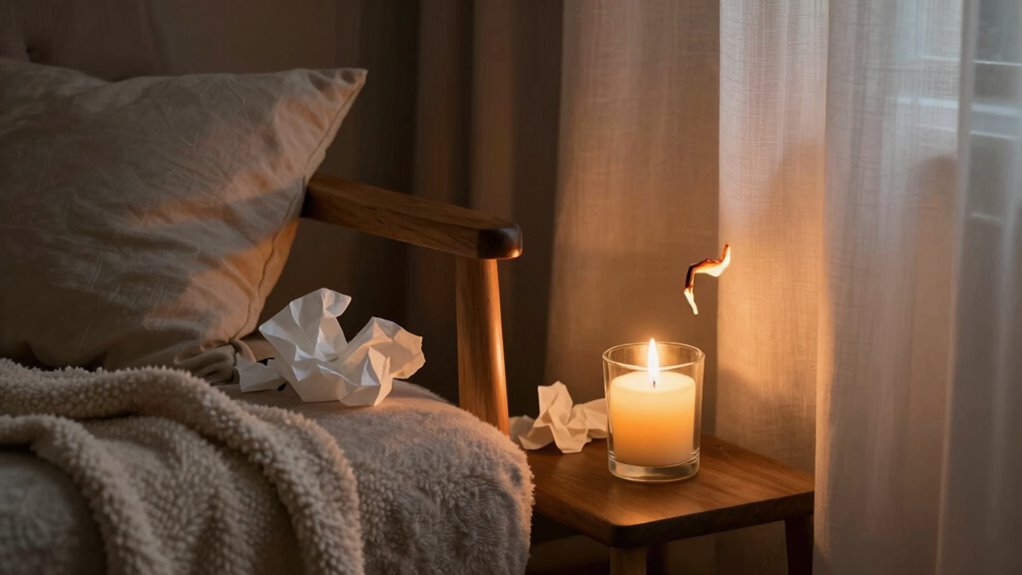

To keep your space cozy without risking a fire, avoid common mistakes like leaving candles unattended, placing them near flammable items, or on unstable surfaces. Trim wicks to prevent large flames, and keep candles away from drafts and airflow sources to prevent flickering and tipping. Don’t cluster candles together, which increases heat and fire risks. Always snuff out candles before leaving or sleeping. If you want to master safe candle use, keep exploring these essential tips.

Get health and wellness essentials delivered free — and shop member deals
- Fast, free delivery on millions of items
- Access to Prime Big Deal Days deals on October 6–7
- Prime Video, Amazon Music and more included
Key Takeaways
- Never leave burning candles unattended or overnight to prevent fire hazards.
- Place candles on stable, heat-resistant surfaces away from flammable items and drafts.
- Keep wicks trimmed to about a quarter-inch to reduce large, flickering flames.
- Avoid clustering candles, which increases heat buildup and fire risk.
- Extinguish candles completely before leaving a room or going to sleep.
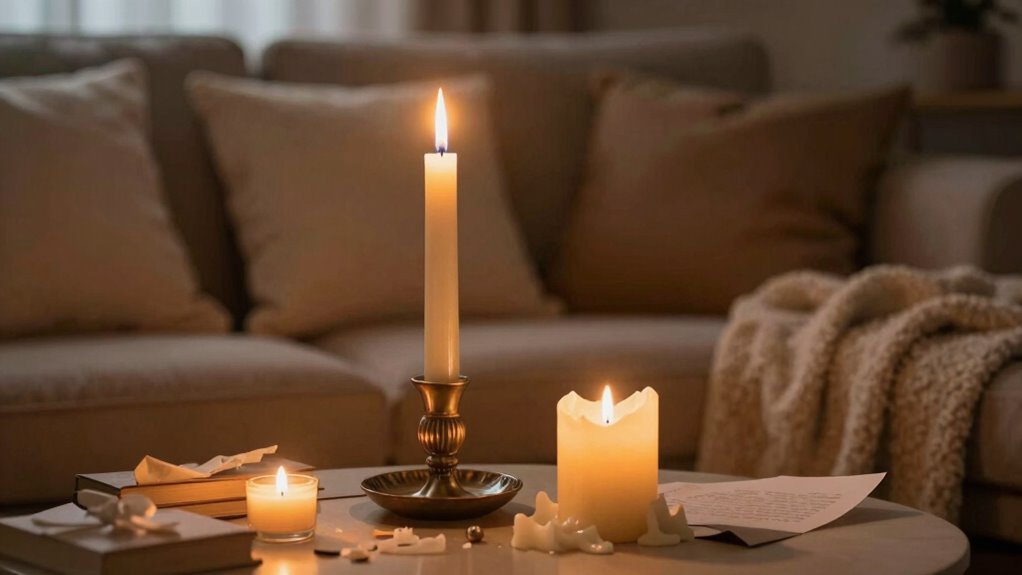
Lighting candles can create a cozy atmosphere, but it is vital to prioritize safety to prevent accidents. One of the biggest risks involved with candles is fire hazards, which can quickly turn a warm glow into a dangerous situation. To keep your space safe, pay close attention to candle placement. Where you set your candles can make all the difference in avoiding accidents. Always choose stable, heat-resistant surfaces that won’t tip over easily, such as solid tables or candle holders designed for safety. Avoid placing candles on unstable or uneven surfaces, as even a slight bump could cause them to fall and ignite nearby objects. Keep candles away from anything flammable—curtains, bedding, paper, or decorations—because even a small spark can escalate into a fire.
You should also be mindful of placing candles in high-traffic areas. If you have pets or children, put candles out of reach and away from their reach to prevent accidental knocking or grabbing. Never leave candles unattended, especially when they’re burning. It’s tempting to light a few candles for ambiance and then forget about them, but that’s a risky habit. Always blow out candles when you leave the room or go to sleep, and never leave them burning overnight. When it comes to candle placement, consider the airflow in your room. Drafts from open windows, vents, or fans can cause flickering flames, which might lead to uneven burning or accidental tipping. Keep candles away from vents, open windows, or ceiling fans to avoid these issues.
Another common mistake is placing candles too close to other objects. Even if you think a candle is safe where it is, it’s best to keep it at least a foot away from anything that could catch fire. This includes books, magazines, or decorative items. Also, be cautious about clustering candles together. While it might look pretty, grouped candles can concentrate heat, increasing the risk of something igniting. Always trim your wicks to about a quarter-inch before lighting, as long wicks produce larger flames that are more prone to flickering and splattering. Proper candle placement is essential for a safe and cozy environment.
As an affiliate, we earn on qualifying purchases.
Frequently Asked Questions
What Are the Safest Types of Candles to Use at Home?
You should choose soy or beeswax candles for safety at home, as they burn cleaner and produce fewer toxins. Scented candles made from these natural waxes are a great option, but always keep an eye on them while burning. Decorative candles can add charm, but opt for those with stable bases and no excessive embellishments. Always trim the wick and never leave a burning candle unattended to prevent accidents.
How Long Should I Keep a Candle Burning?
Think of your candle as a gentle flame dancer; you don’t want it to grow too wild. Keep the wick length to about ¼ inch to prevent soot and excess flickering. Extinguish the candle after 3-4 hours using proper candle snuffing techniques, avoiding blowing out to prevent hot wax splashes. This way, your cozy glow stays safe, and your home remains a serene sanctuary.
Can Candles Be Safely Left Unattended?
You shouldn’t leave candles unattended, as it increases fire risk. Always trim the wick to about a quarter inch to prevent uneven burning or excessive smoke, and never leave a candle burning near decorative items, which can be hazards if they catch fire. Stay present and monitor the candle until it’s fully extinguished, ensuring safety and avoiding potential accidents caused by unmaintained wicks or decorative hazards.
Are There Specific Candles Safer for Children or Pets?
Did you know that fires caused by candles are responsible for about 8% of home fires annually? For homes with kids or pets, look for pet-safe candles and child-friendly candle options. These candles are made with non-toxic ingredients, soy or beeswax, and often have enclosed or flameless designs, reducing risks. Always supervise, keep candles out of reach, and choose safer options to enjoy the cozy ambiance without worry.
What Should I Do if a Candle Flame Starts to Flicker or Smoke?
If your candle flame flickers or smokes, you should act quickly to prevent a fire. First, extinguish the candle, then check the wick for debris or trimming needs, as improper wick length causes smoking. Make sure the candle is on a stable, heat-resistant surface. Regular candle troubleshooting like trimming wicks and avoiding drafts guarantees fire prevention, keeping your space safe. Always monitor candles, especially if unusual flickering or smoke occurs.
As an affiliate, we earn on qualifying purchases.
Conclusion
By following these candle safety tips, you turn your cozy glow into a fortress of warmth rather than a flame of danger. Think of each precaution as a shield guarding your home’s comfort and your loved ones’ safety. Remember, a small mistake can flicker out the peace you’ve built. Stay vigilant, and let your candles be a gentle reminder that safety is the fire that keeps your comfort burning bright—without burning down your home.
As an affiliate, we earn on qualifying purchases.
As an affiliate, we earn on qualifying purchases.
Halloween Picks
halloween
As an affiliate, we earn on qualifying purchases.