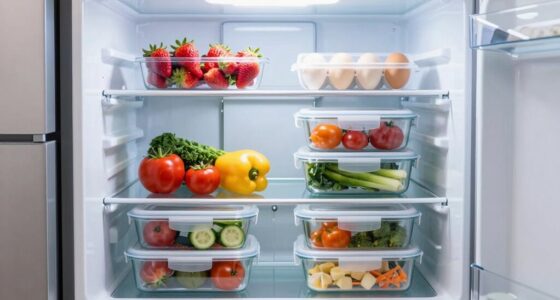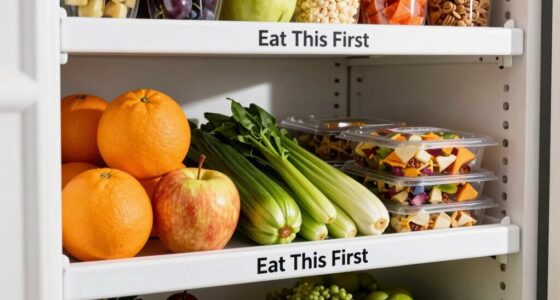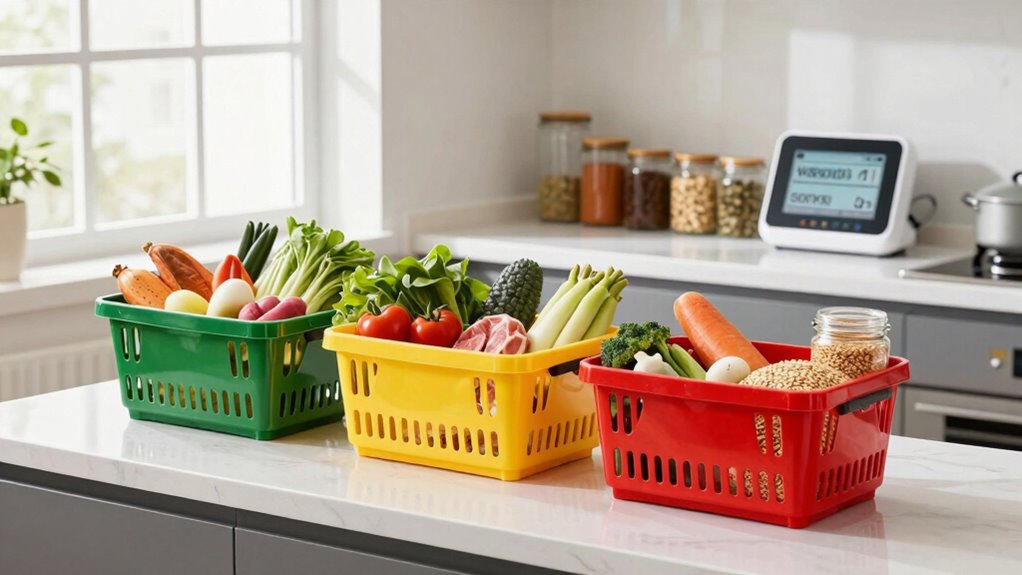

The 3-List Grocery System makes healthy eating automatic by streamlining your shopping routine. You create a meal planning list to guide your weekly menu, organize a shopping list by store sections for efficiency, and keep an essentials list stocked with staples. This approach saves time, minimizes impulse buys, and supports consistent healthy choices. Keep practicing these steps, and you’ll find grocery shopping becoming much simpler and stress-free—if you stick with it, you’ll discover even more benefits.
Listen free for 30 days with Audible
Thousands of audiobooks and originals — cancel anytime.
As an affiliate, we earn on qualifying purchases.
Key Takeaways
- The 3-List System organizes meal planning, shopping, and staples, streamlining grocery trips and promoting consistent healthy eating habits.
- Separating lists reduces impulse buys and ensures only necessary ingredients are purchased for balanced meals.
- Organizing the shopping list by store sections speeds up trips and minimizes backtracking.
- Regularly updating and practicing the system turns healthy shopping into an automatic routine.
- This method minimizes food waste and supports meal prep, making healthy eating easier and more sustainable.

Have you ever struggled to keep your grocery shopping organized? If so, you’re not alone. Many people find themselves overwhelmed by endless aisles, forgotten items, and last-minute trips. The key to overcoming this chaos is implementing a simple yet effective system—like the 3-List Grocery System—that makes healthy eating automatic. This approach streamlines your shopping process, boosts your meal planning, and considerably improves your shopping efficiency. This system also benefits from a clear understanding of projector technology, which ensures you select the right tools for your home cinema setup. Instead of wandering aimlessly through the store or relying on vague mental notes, you create dedicated lists for different needs, which keeps you focused and reduces impulse buys.
The first list is your meal planning list. This list is all about what you plan to cook for the week. It helps you visualize your menu and ensures you buy only what’s necessary. When you sit down to plan meals, you jot down ingredients for breakfast, lunch, dinner, and snacks. This way, you avoid multiple trips and last-minute decisions that often lead to unhealthy choices or forgotten ingredients. With a clear meal plan in place, your shopping becomes targeted, saving time and money, and making it easier to stay committed to healthy eating habits. Having this list ready before heading out means you’re less likely to impulse buy items that don’t fit into your nutritional goals. It also minimizes food waste because you buy only what you need for your planned meals.
Next, you create a shopping list based on your meal planning. This list includes all the ingredients required for your recipes, organized by sections of the store—produce, dairy, grains, proteins, etc. When you stick to this list, your shopping becomes more efficient because you move through the store methodically, grabbing items in order without doubling back. This not only speeds up your trip but also reduces stress, making shopping feel more like a task you can quickly check off your to-do list. Plus, because your list is precise, you’re less tempted by tempting but unnecessary purchases. This focused approach means you spend less time wandering aisles and more time doing what matters—whether that’s relaxing, exercising, or preparing healthy meals.
Finally, you have your essentials list. This includes staple items you always keep on hand, like spices, oils, canned goods, or frozen foods. Having this list helps you replenish your supplies without overbuying or forgetting essentials. It also supports your shopping efficiency because you don’t need to think about what’s missing every time; you just check your essentials list and restock as needed. By keeping these three lists—meal planning, shopping, and essentials—you create a seamless system that simplifies grocery shopping, encourages healthier choices, and frees up mental space. With a little practice, this system transforms grocery shopping from a stressful chore into a smooth, automatic routine that aligns perfectly with your health goals.
meal planning grocery list organizer
As an affiliate, we earn on qualifying purchases.
As an affiliate, we earn on qualifying purchases.
Frequently Asked Questions
How Often Should I Update My Grocery Lists?
You should update your grocery lists weekly, especially if you do meal prep regularly. This way, you stay aligned with your shopping frequency and guarantee you have fresh ingredients for healthy meals. Review your pantry and fridge before each trip, noting any items to replenish or replace. Adjust your lists based on your meal plans, seasonal produce, and progress with your health goals, keeping your grocery routine efficient and stress-free.
Can This System Work for Special Dietary Needs?
Yes, this system can work for special dietary needs. You just need to customize your lists to include special diet adaptations and allergy considerations. By adjusting your ingredients and meal options, you guarantee safety and variety. Keep your lists updated with new allergy-friendly products. This way, you maintain a healthy routine that respects your dietary restrictions, making healthy eating easier and more consistent.
What if I Forget to Restock My Lists?
Nearly 60% of people forget to restock their lists, making list maintenance vital. If you forget to update your lists, your shopping frequency may increase, leading to last-minute trips or unhealthy choices. To avoid this, set a recurring reminder or schedule regular check-ins. This way, you’ll stay on top of your grocery needs, ensuring your lists are always ready and your healthy eating routine stays uninterrupted.
How Do I Handle Impulse Buys With This System?
To handle impulse buys with this system, you stay mindful of snack attacks and stick to your lists. When temptation strikes, pause and ask if it fits your budget control and healthy goals. Keep a small, designated snack stash to curb cravings without overbuying. This way, you maintain control, avoid unnecessary splurges, and stick to your plan, making healthy choices easier and more manageable.
Is This System Suitable for Large Families?
Yes, this system suits large families by streamlining meal planning and boosting shopping efficiency. You can create customized lists for different meals, ensuring everyone’s needs are met without multiple trips. It helps you stay organized, reduces impulse buys, and cuts down on time spent shopping. With a clear plan, your family can enjoy healthy meals more consistently, making grocery runs faster and less stressful.
As an affiliate, we earn on qualifying purchases.
Conclusion
By embracing the 3-List Grocery System, you gently steer your habits toward healthier choices without overthinking. It’s like having a friendly nudge guiding you to better options, making shopping feel less like a chore and more like a small, positive routine. Over time, these simple shifts become a natural part of your day, turning healthy eating into an effortless, enjoyable journey. Soon enough, you’ll find it’s just the way you do things, happily and easily.
As an affiliate, we earn on qualifying purchases.
meal prep containers with labels
As an affiliate, we earn on qualifying purchases.
As an affiliate, we earn on qualifying purchases.
Flea & tick season Picks
flea and tick prevention
As an affiliate, we earn on qualifying purchases.