
Stretching after your workout helps boost recovery, improve flexibility, and reduce muscle tightness, but not all methods work equally. Dynamic stretching before exercise warms up muscles, while static stretching afterward relaxes muscles and increases range of motion. Overstretching or bouncing can cause injuries, so gentle, controlled stretches are best. Focus on light, consistent routines that support mobility. Want more tips on effective post-workout stretching? Keep exploring to open the full benefits.

Get health and wellness essentials delivered free — and shop member deals
- Fast, free delivery on millions of items
- Access to Prime Big Deal Days deals on October 6–7
- Prime Video, Amazon Music and more included
Key Takeaways
- Static stretching after workouts improves flexibility and muscle recovery, reducing tension and enhancing circulation.
- Combining dynamic stretching before exercise with static stretching afterward maximizes mobility benefits.
- Overstretching or bouncing during stretches can cause injury; gentle, controlled movements are safest.
- Relying solely on static stretching before exercise is overrated; dynamic stretching better prepares muscles for activity.
- Patience and consistent practice are essential; quick-fix stretching methods claiming instant results are often ineffective or harmful.
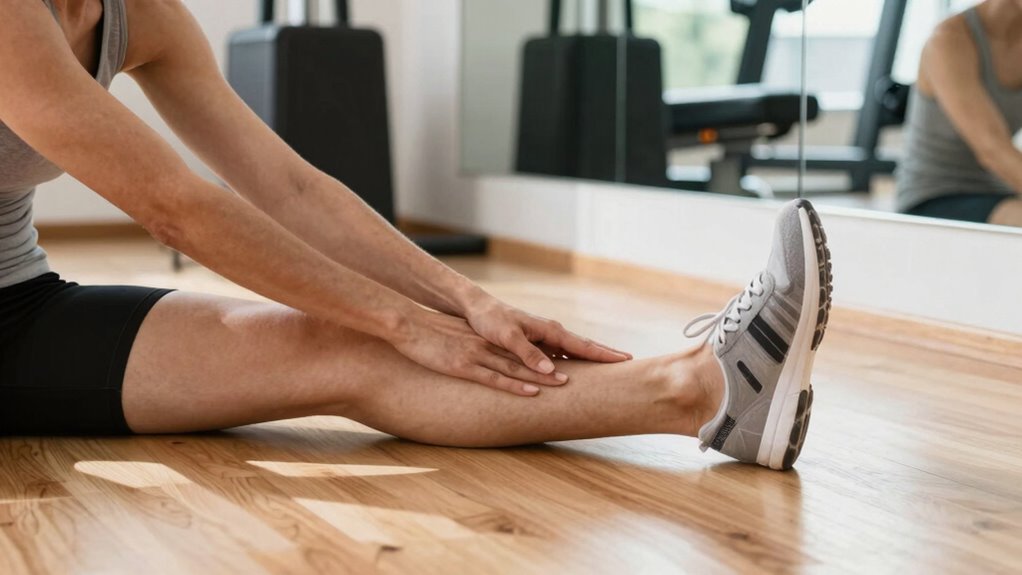
After a workout, stretching is a crucial step that many people overlook, but it can substantially enhance your recovery and flexibility. When done correctly, stretching helps reduce muscle tension, improve circulation, and set the stage for better movement in your daily activities. There are various stretching techniques, but understanding the difference between dynamic stretching and static flexibility is key to maximizing benefits. Dynamic stretching involves active movements that gently take your muscles through their range of motion, warming up your body and preparing it for activity. This type of stretching is especially useful before exercise, as it enhances blood flow and muscle readiness. For example, leg swings or arm circles serve as effective warm-up moves that activate your muscles without overstretching them. On the other hand, static flexibility focuses on holding a stretch for a prolonged period, usually 15 to 60 seconds, to elongate muscles and improve overall range of motion. Static stretching is best suited for after your workout, when your muscles are warm and more pliable, helping to increase flexibility and reduce tightness.
Many people believe that static stretching is enough after a workout, but incorporating dynamic stretching beforehand can significantly improve your performance and reduce injury risk. Dynamic stretches activate your muscles and nervous system, making your muscles more responsive and less prone to strains. When you neglect dynamic stretching and jump straight into static stretches, you miss the opportunity to properly prepare your body for movement. Conversely, only relying on dynamic stretching without following up with static flexibility exercises means you may not achieve the full benefits of increased muscle length and joint mobility. Combining both approaches creates a balanced post-workout routine that promotes recovery and enhances flexibility over time. Additionally, understanding the importance of muscle elasticity can help you tailor your stretching routine more effectively for optimal results.
Some overhyped stretching methods claim to provide instant results or target specific problem areas aggressively, but these often fall short or can even cause harm if done improperly. Overstretching or bouncing during stretches can lead to strains or joint instability. The key is to listen to your body and avoid pushing into pain. If you focus on gentle, controlled movements and hold stretches comfortably, you’ll see gradual improvements in your static flexibility. Remember, consistency is more important than intensity, and patience pays off. Proper stretching isn’t about quick fixes; it’s about creating a sustainable habit that supports your overall mobility and recovery. By understanding the roles of dynamic stretching and static flexibility, you’ll optimize your post-workout routine and foster healthier, more resilient muscles.
Frequently Asked Questions
Should I Stretch if I Feel Sore After a Workout?
Yes, you should stretch if you feel sore after a workout. Gentle stretching helps promote muscle relaxation and can reduce stiffness. It also improves flexibility over time, making your muscles more resilient. Focus on slow, controlled movements to avoid overstretching. Stretching encourages blood flow, which aids recovery. Just listen to your body, and avoid aggressive stretching when sore, as it may cause more harm than good.
How Long Should I Hold Each Stretch?
You should hold each stretch for about 15 to 30 seconds, depending on your flexibility and comfort. For effective holding techniques, aim for a gentle stretch without pain, and don’t bounce. Duration questions often come up, but consistency matters more than duration—repeat each stretch 2-3 times. Focus on slow, controlled movements to improve flexibility and reduce soreness, ensuring you don’t overstretch or cause injury.
Is Static or Dynamic Stretching Better Post-Exercise?
Think of your muscles as elastic bands that need gentle guidance. Static stretching is better post-exercise because it promotes muscle elongation and flexibility improvement. Holding stretches allows your muscles to relax and lengthen, reducing soreness. Dynamic stretching, while great before workouts, can overstretch muscles afterward, increasing injury risk. So, stick with slow, sustained static stretches after your workout to truly care for your muscles and enhance flexibility.
Can Stretching Prevent Future Injuries?
Yes, stretching can help prevent future injuries by improving muscle flexibility. When you regularly stretch, especially after workouts, you increase your muscles’ range of motion, making them less prone to strains and tears. Focus on dynamic stretching before exercise to warm up and static stretching afterward to enhance flexibility. Consistent stretching routines strengthen muscles and tendons, reducing injury risk and supporting overall athletic performance.
When Is the Best Time to Stretch During the Day?
You should stretch during the day when it fits your schedule and goals. Morning flexibility routines help loosen your muscles and improve mobility for the day ahead. In the evening, stretching promotes relaxation and eases tension, making it easier to unwind. Incorporate both times into your routine as needed, but avoid stretching when your muscles are cold or injured. Consistency matters more than the specific time.
Conclusion
So, after all that fuss, it turns out stretching might not be the miracle cure everyone claims. Sure, it feels good and might even help your flexibility a bit, but don’t rely on it to fix sore muscles or boost performance overnight. Maybe the real secret is just moving around, cooling down, and not stressing the small stuff. Who knew that a simple walk or good sleep could be more effective than endless stretching? Stay flexible, but don’t stretch yourself too thin!
Evergreen bestsellers Picks
bestsellers
As an affiliate, we earn on qualifying purchases.