
To find an ergonomic chair that fits well, focus on proper seat depth, ensuring a 2-3 inch gap behind your knees, and adjustable lumbar support that follows your lower back’s natural curve. Remember, bigger chairs don’t automatically mean better support—adjustability and quality matter most. Test how the chair aligns with your hips, knees, and back to stay comfortable during long hours. Keep exploring these tips for a more personalized and healthy sitting experience.

Get health and wellness essentials delivered free with Prime
- Fast, free delivery on millions of items
- Prime Video, Amazon Music and more included
- Member-only deals all year
Key Takeaways
- Ensure seat depth supports thighs without pressing on the back of knees, leaving a 2-3 inch gap for comfort.
- Adjust lumbar height and firmness to fill the lower back’s natural curve, promoting proper spinal alignment.
- Proper ergonomic fit prioritizes individual body measurements over chair size or appearance.
- Big & Tall chairs require adjustable features, not just larger dimensions, for optimal support and comfort.
- Test chair adjustments by sitting with hips aligned to knees, feet flat, and back fully supported to prevent strain.
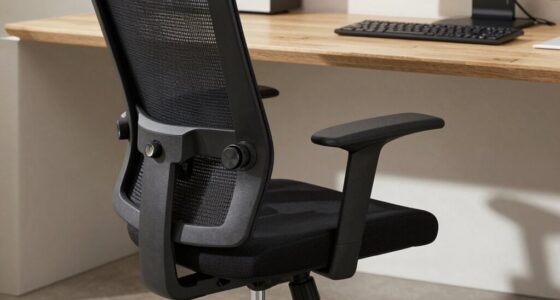
ergonomic office chair with adjustable lumbar support
As an affiliate, we earn on qualifying purchases.
As an affiliate, we earn on qualifying purchases.
Why Seat Depth and Lumbar Support Matter for Your Comfort

Since you’ll be spending long hours seated, ensuring your chair provides proper support is vital for comfort and health. Posture awareness helps you recognize how your body interacts with your chair, preventing strain and discomfort. Proper seat depth ensures your thighs are fully supported without putting pressure on your knees, promoting better circulation. Lumbar support is essential for maintaining the natural curve of your lower back, reducing the risk of back pain. Using ergonomic accessories like adjustable lumbar cushions can enhance support if your chair’s built-in features fall short. Additionally, understanding the evolution of arcade games can remind us of how technology and design trends have influenced ergonomic considerations over time. When your seat depth and lumbar support align with your body’s needs, you’ll experience improved posture, reduced fatigue, and greater comfort throughout your workday. Recognizing ergonomic design principles can help you make better choices for lasting comfort. Incorporating ergonomic research can further optimize your seating arrangement, ensuring maximum comfort. Paying attention to individual body differences is crucial for customizing ergonomic solutions that suit your unique needs. Being aware of body measurements can help you select the most appropriate chair size for your physique. Prioritizing these elements helps you stay focused and healthy.
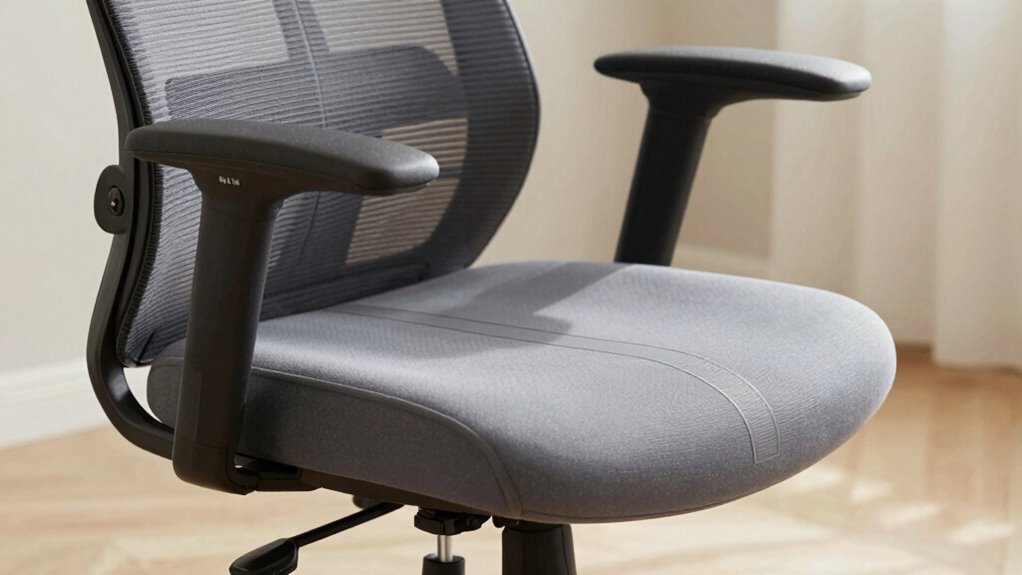
big and tall ergonomic desk chair
As an affiliate, we earn on qualifying purchases.
As an affiliate, we earn on qualifying purchases.
How to Measure and Adjust Seat Depth for a Perfect Fit

To guarantee your chair fits perfectly, you need to accurately measure and adjust the seat depth to match your body. Start by sitting back in the chair with your back against the lumbar support, ensuring an ergonomic posture. Your seat cushion should support your thighs without putting pressure on the backs of your knees. To measure, use a ruler or tape measure from the edge of the seat to your knee cap, then subtract about 1-2 inches to avoid pressure points. Adjust the seat depth so there’s a small gap between the seat edge and the back of your knees. Proper seat depth promotes comfort and supports proper circulation, helping you maintain good posture throughout the day. For optimal ergonomic support, it’s also important to consider adjustable features that allow you to customize your chair to your body’s unique dimensions. Additionally, understanding ergonomic design principles can help you select a chair that provides better overall comfort and health benefits.
adjustable seat depth ergonomic chair
As an affiliate, we earn on qualifying purchases.
As an affiliate, we earn on qualifying purchases.
How to Choose the Best Lumbar Support for Your Back

Choosing the right lumbar support is essential for maintaining proper spinal alignment and reducing back strain. Look for supports that promote posture correction by filling the natural curve of your lower back. Adjustable lumbar supports let you customize height and firmness, ensuring a snug fit that encourages healthy posture. Consider the material durability—foam, gel, or mesh—so your support resists compression over time and maintains its shape. A firm yet comfortable support helps prevent slouching and supports your lumbar region effectively. Remember, the best lumbar support should feel supportive without causing discomfort or restricting movement. Proper lumbar support is key to a healthier, more ergonomic workspace. Incorporating ergonomic principles can also enhance overall comfort and well-being during prolonged sitting sessions. Choosing a support with adjustable features allows for personalized fit and optimal alignment. Selecting supports that adapt to different body types ensures better spinal health and comfort during long sitting periods. Additionally, understanding suitable fit for various body types can help prevent discomfort and improve posture. By selecting a support tailored to your back’s needs, you’ll improve comfort and reduce fatigue during long sitting periods.
ergonomic chair for long hours of sitting
As an affiliate, we earn on qualifying purchases.
As an affiliate, we earn on qualifying purchases.
Common Myths About Big & Tall Chairs : What’s True and What’s Not
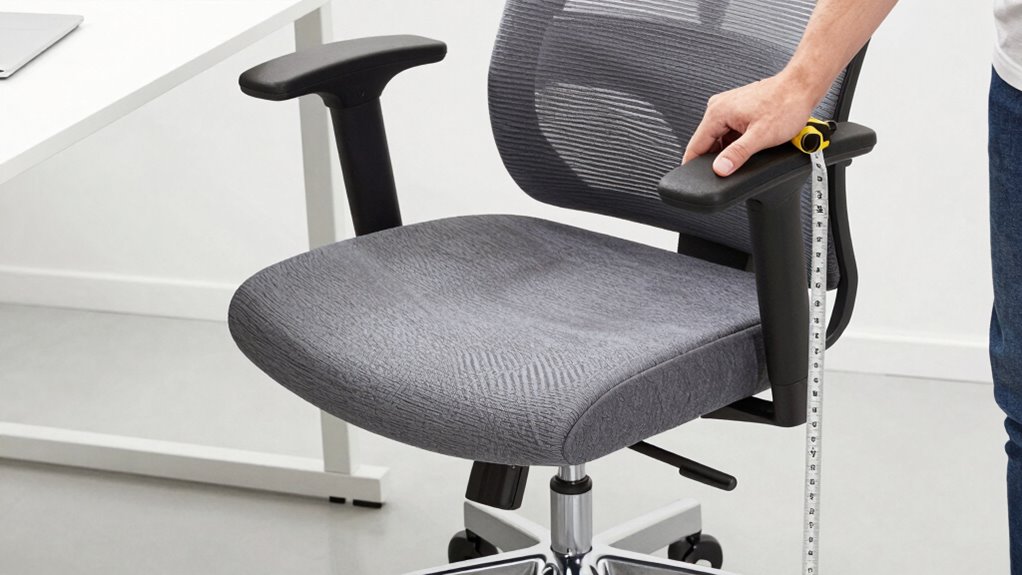
Many common beliefs about big and tall chairs don’t hold up under scrutiny. Ergonomic misconceptions often lead people to assume larger chairs automatically offer better support or comfort. In reality, chair size myths can be misleading—bigger isn’t always better if the chair isn’t properly adjusted for your body. Some think that all big and tall chairs are inherently more durable or that they provide superior ergonomics by default. However, quality design and proper fit matter far more than size alone. Don’t fall for the idea that a bigger chair will fix poor posture or discomfort. Instead, focus on features like adjustable lumbar support, seat depth, and overall fit. Recognize that not all big and tall chairs are created equal, and many myths are simply marketing hype. Incorporating foam rolling and other quick recovery routines can also help improve comfort during long sitting periods, regardless of chair size. Ensuring your chair offers proper lumbar height adjustment is crucial for maintaining spinal health and comfort. Additionally, understanding ergonomic principles can help you select a chair that truly supports your needs rather than relying on size alone.
Tips for Testing Chairs and Finding the Right Fit
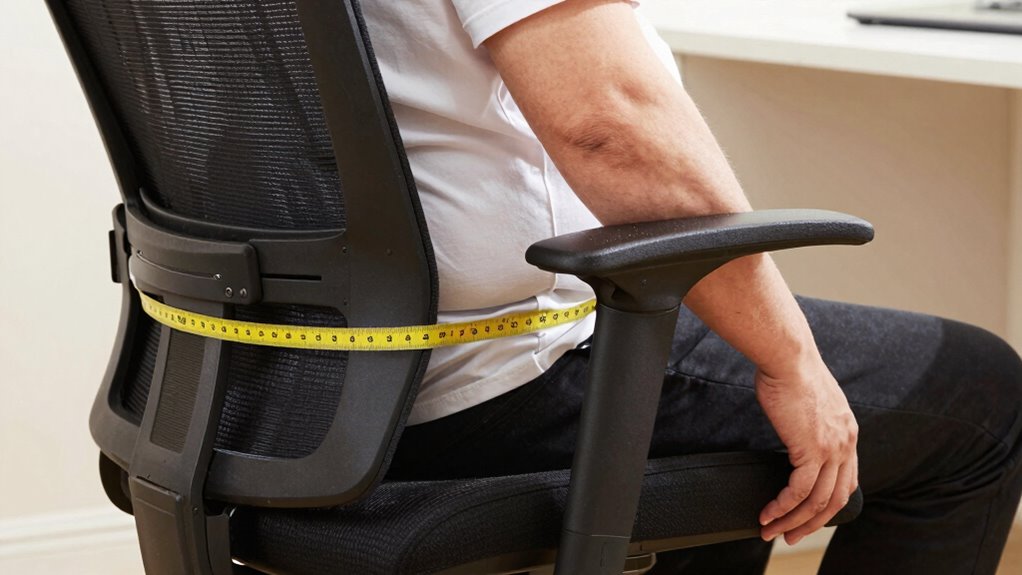
Finding the right ergonomic chair starts with testing it thoroughly to guarantee a proper fit. Sit in the chair and pay attention to your ergonomic posture—your hips should be aligned with your knees, and your feet flat on the floor. Adjust the seat height so your thighs are parallel to the ground, and check if the seat depth allows a two to three-inch gap behind your knees. Feel the support of the lumbar height—should it comfortably support your lower back without forcing you into a slouch. Also, consider the chair material; breathable fabric or mesh can improve comfort during long periods. Moving around, shifting positions, and ensuring all adjustments feel natural are crucial steps. Only then can you confidently determine if the chair promotes good ergonomic posture and suits your body. Remember that proper seat depth can prevent discomfort over extended use, and ensuring the lumbar support is correctly positioned is key to maintaining spinal health. Additionally, testing the chair’s adjustability helps ensure it can accommodate your specific body dimensions and preferences. Be sure to also evaluate the overall stability of the chair, especially if you plan to use it for extended periods.
Frequently Asked Questions
How Often Should I Re-Evaluate My Ergonomic Chair Settings?
You should re-evaluate your ergonomic chair settings every few months or if you notice discomfort. Check your chair cushion and confirm your armrest adjustability still supports proper posture. Changes in your body, habits, or office setup can affect comfort, so regular adjustments help prevent strain. Keep an eye on your comfort levels and make small tweaks as needed to maintain ideal support and prevent long-term issues.
Are There Specific Materials Better for Long-Term Comfort?
Ever wondered what materials keep you comfortable for hours? Memory foam offers superb support, conforming to your body, while breathable fabric helps regulate temperature and prevents sweat buildup. Combining these materials can provide long-term comfort, reducing fatigue and discomfort. Are you prioritizing support or airflow? Opt for a chair with memory foam cushions and breathable fabric upholstery to stay comfortable during extended work sessions.
Can Adjustable Features Accommodate Different Users Easily?
Yes, adjustable features like adjustable armrests and seat height flexibility make it easy for different users to customize their chairs. You can easily modify armrest height and width to suit your body, and change seat height for ideal comfort. These adjustments guarantee proper posture and support, regardless of your size or shape. With these features, everyone can find a comfortable, ergonomic fit quickly and effortlessly.
What Signs Indicate My Chair No Longer Fits Properly?
Remember, a seat that’s too tight can cause trouble. If you notice persistent discomfort, poor posture, or your cushion no longer feels supportive, your chair might not fit properly anymore. You may see your posture worsen, or feel back pain after long hours. These signs mean it’s time to reassess cushion selection and adjust features for better posture improvements, ensuring your chair continues to support you comfortably.
How Do I Balance Style and Ergonomic Features Effectively?
To balance style and ergonomic features, prioritize chairs that blend aesthetic compatibility with comfort. Look for designs that match your workspace decor while offering adjustable lumbar support and seat depth. You can find sleek, modern ergonomic chairs that don’t sacrifice style, ensuring you stay comfortable without compromising your workspace’s look. Choosing versatile, well-designed options helps you create a stylish, functional environment that supports your well-being.
Conclusion
Did you know that choosing the right ergonomic chair can boost your productivity by up to 17%? By understanding seat depth, lumbar support, and big & tall options, you’re better equipped to find a chair that truly fits your body. Take the time to measure, test, and adjust — your comfort and back health depend on it. Investing in the right chair isn’t just about comfort; it’s about enhancing your overall well-being.
Cold & flu season Picks
humidifiers
As an affiliate, we earn on qualifying purchases.