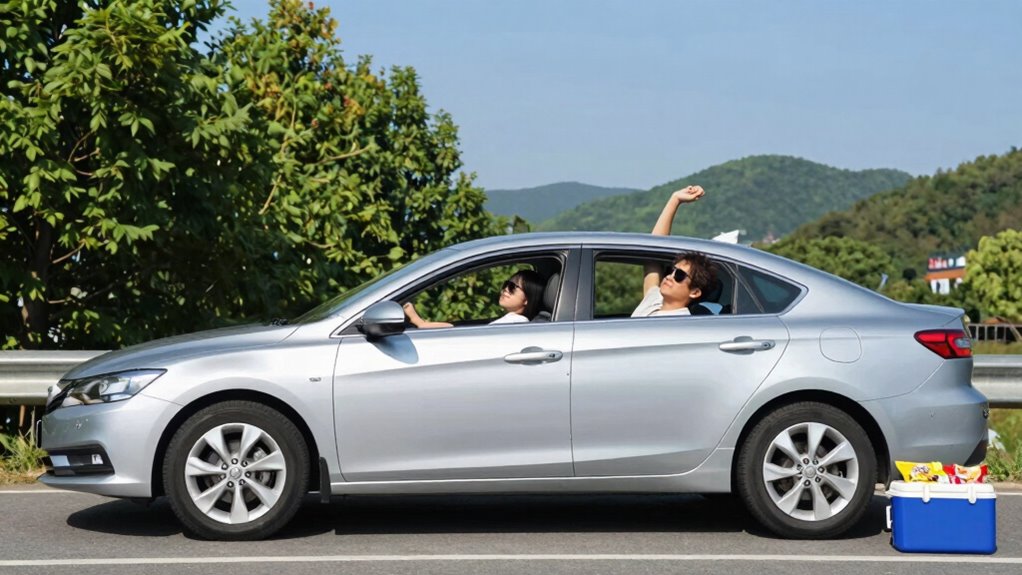

To prevent risky driving caused by fatigue, plan to take breaks every two hours or so. Use designated rest areas or parking lots to stretch, walk around, and refresh your focus. These quick stops boost circulation, reduce tiredness, and help you stay alert behind the wheel. Incorporating regular, well-timed rests will keep you safe and energized throughout your trip. Keep going to discover more tips for a safer, more comfortable journey.

Get health and wellness essentials delivered free with Prime
- Fast, free delivery on millions of items
- Prime Video, Amazon Music and more included
- Member-only deals all year
Key Takeaways
- Plan to take a break approximately every two hours to prevent fatigue buildup.
- Schedule rest stops at safe, well-equipped locations like designated rest areas or service plazas.
- Use each break to stretch, walk, or perform light exercises to boost alertness.
- Avoid distractions during breaks; focus on physical activity rather than phone use.
- Incorporate regular, well-timed breaks into your trip to maintain driver alertness and reduce accident risk.
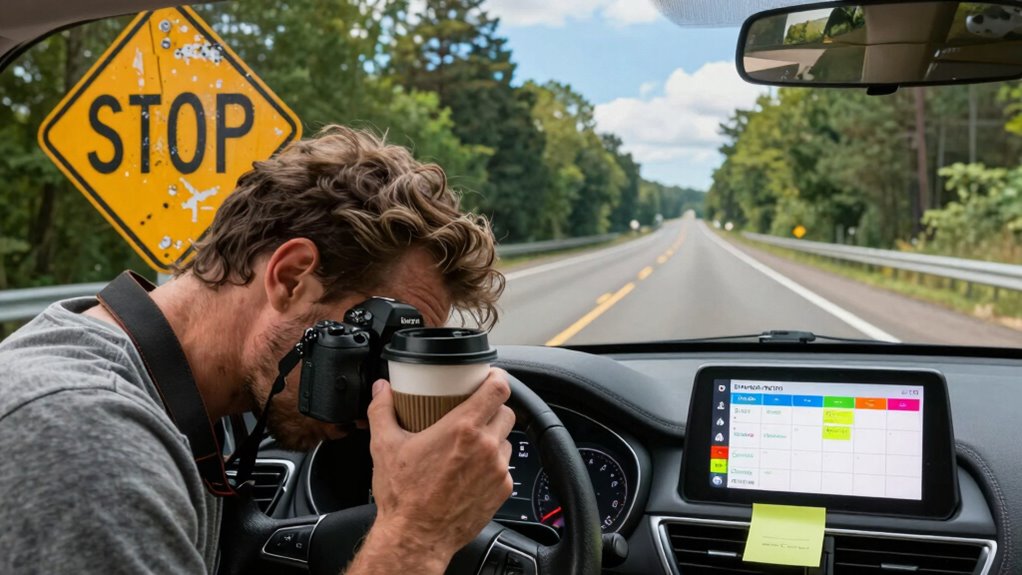
Beginning on a long road trip can be exciting, but it often leads to fatigue that sneaks up on even the most seasoned travelers. As the miles pass, your energy dips, and your focus begins to wane. That’s when taking regular rest stops becomes essential. A quick break every couple of hours isn’t just about stretching your legs; it’s a critical step in maintaining driver alertness. When you pull over, step out of the vehicle, walk around, and get some fresh air. These small actions help reset your mind and body, preventing drowsiness from taking hold. Rest stops also give you a chance to hydrate and refuel, both of which are indispensable for staying sharp behind the wheel. Incorporating well-planned breaks into your journey can significantly reduce the risk of fatigue-related accidents.
You might think you can push through fatigue, but it’s a risky game. When driver alertness diminishes, your reaction times slow, and your decision-making becomes impaired. This can lead to dangerous situations, especially on busy highways or unfamiliar roads. Incorporating scheduled breaks into your trip isn’t just about comfort; it’s about safety—for you, your passengers, and everyone on the road. Even if you feel fine at the start, fatigue can build gradually, so sticking to a consistent break schedule helps you stay ahead of it.
To make this work, plan your rest stops in advance. Use a GPS app or online maps to identify safe, well-equipped locations along your route. Many highways have designated rest areas, service plazas, or parking lots where you can stop easily. Ideally, you should aim for a break every two hours or so, even if you’re not feeling tired. During these stops, avoid checking your phone or engaging in distracting activities. Instead, focus on physical movement—stretch, walk around, or do light exercises. This stimulates circulation and helps you feel more alert when you get back behind the wheel.
As an affiliate, we earn on qualifying purchases.
Frequently Asked Questions
How Long Should Breaks Be During Long Drives?
You should take breaks every 2 hours during long drives, with each rest duration lasting about 15 to 20 minutes. This break frequency helps you stay alert and reduces fatigue. Short, regular breaks prevent muscle strain and mental exhaustion, making your trip safer and more comfortable. Remember, listening to your body is key—if you feel tired, take an extra break to stay sharp and avoid risky driving.
What Signs Indicate Driver Fatigue?
You might notice drowsiness signals like heavy eyelids, frequent blinking, or drifting from your lane, which are alertness cues warning you to rest. You could also feel difficulty focusing, slow reactions, or yawning repeatedly. Sometimes, these signs seem to appear just when you’re about to reach your destination, reminding you to stay attentive. Recognizing these fatigue signs early helps you take breaks before risking risky driving.
Are There Specific Activities to Stay Alert During Breaks?
During breaks, you can stay alert by doing mindfulness exercises like deep breathing or stretching, which help reset your focus. Hydration strategies, such as drinking water regularly, keep you energized and prevent fatigue. You might also take a quick walk or do light physical activity to boost circulation. These activities help you stay attentive and reduce the risk of drowsiness, ensuring a safer, more alert drive.
How Does Sleep Quality Affect Driving Alertness?
Poor sleep quality from sleep deprivation substantially impacts your driving alertness, making you more prone to mistakes and drowsiness. When you don’t get enough restful sleep, your napping effectiveness decreases, reducing the chance to recharge during breaks. To stay alert, prioritize quality sleep before your trip and take short, strategic naps during breaks. This helps restore your focus and keeps you safer on the road.
Can Caffeine Effectively Prevent Fatigue on Road Trips?
Imagine you’re on a long drive and need a quick boost. Caffeine can help, but its effectiveness depends on your caffeine metabolism. It temporarily enhances alertness, making you feel more awake and focused. However, it’s not a substitute for proper rest. To prevent fatigue, combine caffeine with regular breaks and stay hydrated. Relying solely on caffeine might mask tiredness but won’t replace the need for quality sleep.
As an affiliate, we earn on qualifying purchases.
Conclusion
Remember, a well-planned break schedule keeps you alert and safe, turning a tiring drive into a manageable journey. Just as a sudden storm can spoil a scenic view, fatigue can cloud your judgment and endanger everyone on the road. By taking regular rests, you transform potential risks into moments of refreshment. Stay vigilant, break often, and enjoy the trip—because the safest adventure is one where you arrive prepared and alert, not exhausted and rushing.
As an affiliate, we earn on qualifying purchases.
As an affiliate, we earn on qualifying purchases.
Halloween Picks
halloween
As an affiliate, we earn on qualifying purchases.