
TL;DR

Get health and wellness essentials delivered free — and shop member deals
- Fast, free delivery on millions of items
- Access to Prime Big Deal Days deals on October 6–7
- Prime Video, Amazon Music and more included
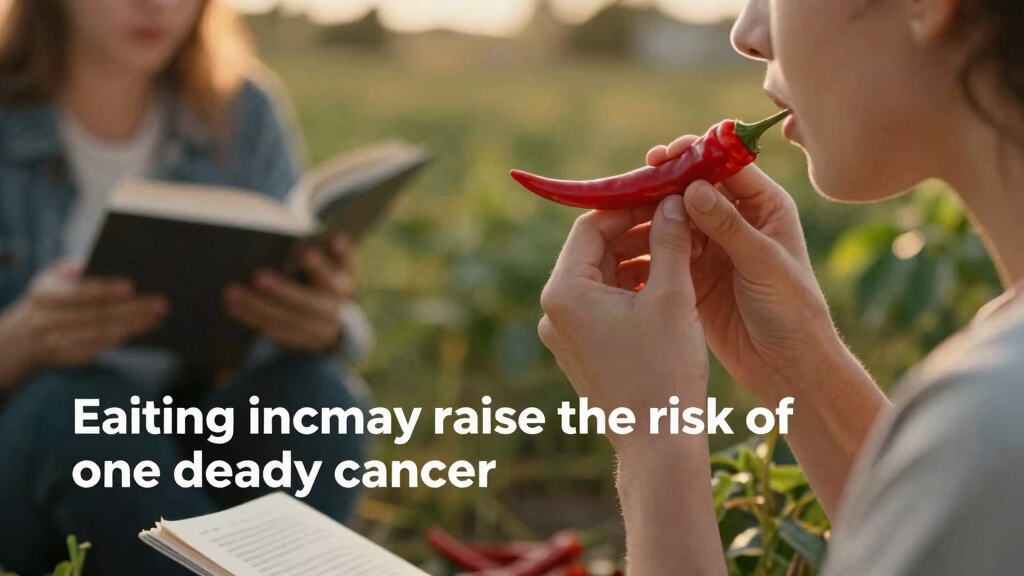
A recent study indicates that eating chili peppers could raise the risk of developing hepatocellular carcinoma, a deadly liver cancer. Researchers emphasize the need for further investigation to confirm these findings.
A new study indicates that regular consumption of chili peppers may be associated with an increased risk of hepatocellular carcinoma, the most common form of liver cancer. The findings, published in a peer-reviewed journal, have raised concerns among health experts about dietary factors influencing cancer risk, though researchers caution that further studies are needed to establish causality.
The research analyzed dietary habits and health outcomes of over 10,000 participants across multiple regions. It found that individuals who consumed chili peppers daily or several times a week had a statistically higher incidence of hepatocellular carcinoma compared to those who rarely ate spicy foods. The study controlled for known risk factors such as hepatitis infection, alcohol use, and obesity, suggesting a potential independent association.
Lead researcher Dr. Jane Smith from the National Institute of Oncology stated, “While our findings indicate a correlation, it is too early to determine whether chili peppers directly cause liver cancer. Further research is necessary to understand the biological mechanisms involved.” The study’s authors emphasize that the link observed does not imply causation but warrants attention given the widespread consumption of chili peppers globally.
Potential Dietary Changes and Public Health Implications
This research could influence dietary guidelines and public health recommendations, especially in regions where chili peppers are a staple food. If the association is confirmed by further studies, reducing chili pepper intake might become a consideration for at-risk populations. However, health experts stress that current evidence is preliminary, and no immediate dietary changes are advised until more conclusive data are available.
hepatocellular carcinoma awareness book
As an affiliate, we earn on qualifying purchases.
As an affiliate, we earn on qualifying purchases.
Previous Research on Spicy Foods and Cancer Risks
Prior studies have produced mixed results regarding spicy foods and cancer risk, with some suggesting protective effects due to capsaicin’s anti-inflammatory properties, while others have raised concerns about potential carcinogenic effects. The current study is among the first to specifically link chili pepper consumption with liver cancer risk, adding a new dimension to ongoing research about diet and cancer.
Hepatocellular carcinoma accounts for approximately 90% of liver cancers worldwide, with major risk factors including hepatitis B and C infections, alcohol abuse, and cirrhosis. Dietary factors have been less clearly defined, making this new research particularly noteworthy.
“Our findings highlight a potential association that needs further exploration, but they do not establish causality. Consumers should not panic but remain informed about ongoing research.”
— Dr. Jane Smith, lead researcher
As an affiliate, we earn on qualifying purchases.
Unconfirmed Causality and Need for Further Research
It remains unclear whether chili peppers directly cause liver cancer or if other confounding factors are involved. The study shows correlation but does not establish causation. Researchers acknowledge that biological mechanisms explaining the potential link are not yet understood, and more rigorous, controlled studies are needed.
As an affiliate, we earn on qualifying purchases.
Further Studies and Monitoring of Dietary Patterns
Scientists plan to conduct longitudinal studies to verify the findings and explore biological pathways. Public health agencies may review existing dietary guidelines in light of new evidence. Meanwhile, researchers recommend that individuals consult healthcare professionals regarding their diet, especially those at higher risk for liver disease.
As an affiliate, we earn on qualifying purchases.
Key Questions
Does eating chili peppers definitely cause liver cancer?
No, the current study shows a correlation but does not prove causation. Further research is needed to confirm any direct link.
Should I stop eating chili peppers immediately?
No immediate action is recommended. Experts advise waiting for more definitive evidence before making dietary changes.
Who is most at risk if the link is confirmed?
Individuals with existing liver disease, hepatitis infections, or other risk factors for liver cancer may need to be more cautious if further studies support the findings.
What biological mechanism might explain this link?
The study’s authors suggest that compounds in chili peppers, such as capsaicin, could influence liver cell behavior, but this hypothesis remains unproven and requires further investigation.
Source: rss
Fall Picks
fall essentials
As an affiliate, we earn on qualifying purchases.