

TL;DR
Emerging research suggests that long-term melatonin supplementation may be linked to a 90% higher risk of heart failure. The trend is gaining attention amid rising supplement use, but definitive causality remains unconfirmed. Further studies are needed to understand this potential health risk.
Recent trend signals suggest that long-term use of melatonin supplements may be associated with a 90% higher risk of heart failure. Cannabis Users Face Substantially Higher Risk Of Heart Attack (2025). While the link is not yet confirmed by comprehensive studies, the rise in supplement consumption has prompted increased scrutiny from health researchers and clinicians. This development matters because melatonin is widely used for sleep disorders, and any potential health risks could impact millions of users globally.
According to recent trend signals, there is a possible correlation between prolonged melatonin use and a significant increase in heart failure risk. The data, which is preliminary and based on observational patterns rather than controlled studies, suggests that individuals who use melatonin supplements regularly over extended periods may face a 90% higher chance of developing heart failure compared to non-users. Experts emphasize that this association does not yet establish causality, but the pattern warrants further investigation.
Health authorities and researchers are now examining the data more closely. The trend emerged amid increasing public interest in melatonin, which has become a popular over-the-counter sleep aid. The rise in supplement use has coincided with a spike in searches and discussions online, fueling concern about potential long-term health effects. For more on health risks, see this report on health risks. No definitive clinical trials or large-scale epidemiological studies have confirmed the link, but preliminary signals have prompted calls for more rigorous research. Learn more about related health concerns at our health and wellness section.
Potential Impact on Public Health and Supplement Use
This possible association between long-term melatonin use and increased heart failure risk could have widespread implications, given the supplement’s popularity. If confirmed, health authorities might need to revise guidelines and warn consumers about prolonged use. Healthcare providers may also need to monitor patients more closely if they are using melatonin regularly, especially those with existing cardiovascular risk factors. The potential risk underscores the importance of understanding the long-term safety profile of widely used supplements.
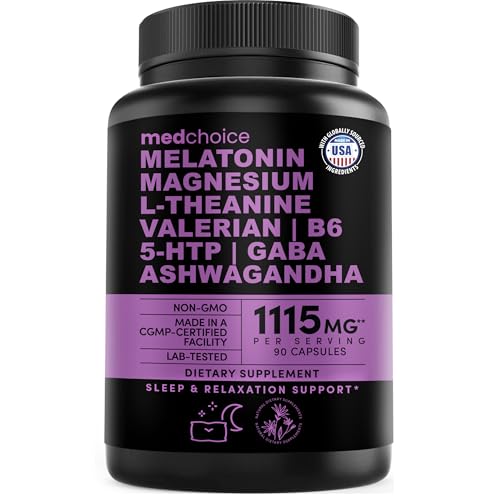
MEDCHOICE 12-in-1 Melatonin 5mg Sleep Capsules with Magnesium, 90ct
- Enhanced Sleep Formula: Non-habit forming sleep aid for adults
- Powerful Ingredients: Includes melatonin, magnesium, ashwagandha, and black pepper
- Calm and Relaxation: L-Theanine promotes calmness and alpha brain waves
As an affiliate, we earn on qualifying purchases.
As an affiliate, we earn on qualifying purchases.
Rising Use of Melatonin and Growing Health Concerns
Melatonin, a hormone naturally produced by the pineal gland, is commonly used as an over-the-counter sleep aid. Its popularity has surged over the past decade, driven by increased awareness of sleep health and the availability of supplements. Despite its widespread use, scientific understanding of the long-term effects remains limited. Recent trend signals highlight a spike in online searches and discussions about melatonin’s safety, particularly regarding prolonged use. This increased attention comes amid broader concerns about supplement regulation and safety, although no definitive clinical evidence has yet confirmed adverse effects related to long-term consumption.
Historically, melatonin has been considered relatively safe for short-term use, with minimal side effects reported in clinical trials. However, the potential for unknown long-term risks has been a subject of ongoing debate. The current trend signal, which indicates a possible link to heart failure, is raising questions about whether extended use might pose health dangers that have not yet been fully understood or documented in scientific literature.
As an affiliate, we earn on qualifying purchases.
Unconfirmed Link and Need for Scientific Validation
It is not yet confirmed whether long-term melatonin use directly causes increased heart failure risk. The current signals are based on observational data and trend analysis, which cannot establish causality. Experts caution that further controlled, large-scale studies are necessary to verify or refute this potential link. The specifics of how melatonin might influence heart health, if at all, remain unclear, and confounding factors could also play a role.

EKG Monitor Device, Personal Heart Rate Monitor with LCD Screen and Storage, Portable ECG Monitor Compatible with PC and Smartphone, Instant Results in 30 Seconds
- Accurate ECG Results: Professional-grade heart monitoring data
- Easy to Use: Get results in 30 seconds with multiple modes
- Device Compatibility: Connects with smartphones and PCs seamlessly
As an affiliate, we earn on qualifying purchases.
As an affiliate, we earn on qualifying purchases.
Urgent Calls for Rigorous Research and Consumer Guidance
Researchers are expected to initiate targeted epidemiological studies to investigate the potential link between extended melatonin use and heart failure. Health agencies may issue interim guidance based on emerging evidence, and clinicians are advised to monitor patients using melatonin long-term, especially those with existing cardiovascular conditions. Public awareness campaigns could follow if the association gains stronger scientific backing, emphasizing cautious use and consultation with healthcare providers.
As an affiliate, we earn on qualifying purchases.
Key Questions
Is melatonin safe for long-term use?
Currently, the safety of long-term melatonin use is not fully established. While short-term use is generally considered safe, recent signals suggest potential risks that require further investigation. Consult a healthcare professional before using melatonin over extended periods.
What does the current research say about melatonin and heart health?
Existing research provides limited data on long-term effects. The recent trend signals highlight a possible association with increased heart failure risk, but causality has not been confirmed. More rigorous studies are needed to clarify this relationship.
Should I stop taking melatonin immediately?
There is no definitive evidence to recommend stopping melatonin use immediately. If you are concerned about your heart health or using it long-term, consult your healthcare provider for personalized advice.
Are there alternatives for sleep aid that are safer long-term?
Many non-pharmacological approaches, such as sleep hygiene practices, cognitive behavioral therapy for insomnia (CBT-I), and lifestyle modifications, are recommended as safer long-term options. Discuss options with a healthcare professional.
Source: rss