
TL;DR
A growing number of cafes in Korea are now designed specifically for runners, offering amenities like hydration stations and healthy snacks. This development underscores a broader shift toward wellness and active lifestyles among Koreans.
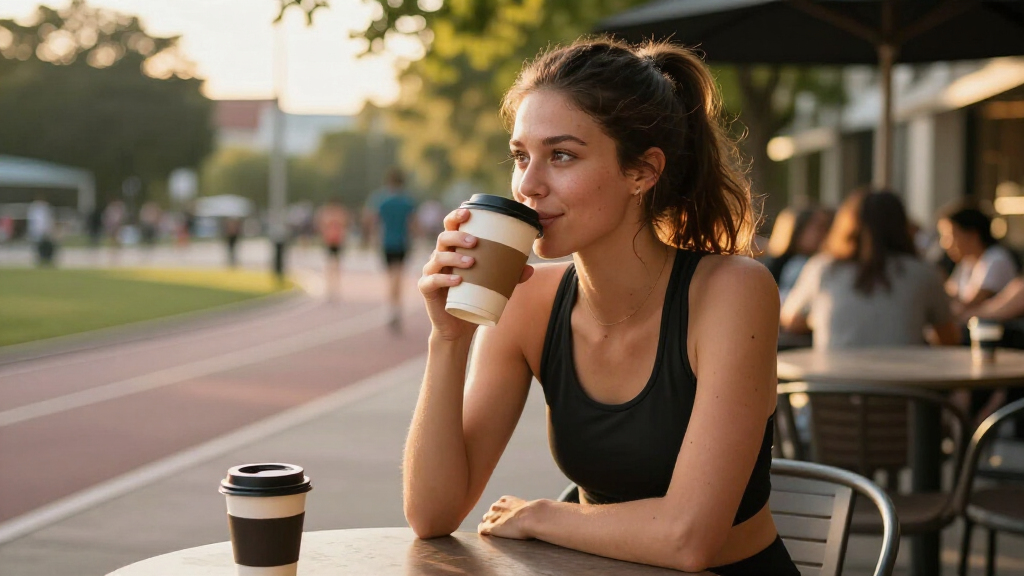
In South Korea, a new wave of cafes tailored specifically for runners is gaining popularity, emphasizing convenience, health, and community among active individuals. These ‘runner-friendly’ cafes are designed to accommodate the needs of people engaging in regular running routines and are seen as a reflection of Korea’s expanding wellness culture.
Over the past year, numerous cafes across Seoul and other major Korean cities have introduced features such as hydration stations, healthy snack options, and lockers for storing running gear. Many of these establishments are positioned near popular running routes, making them accessible hubs for fitness enthusiasts.
According to industry sources, the rise of these cafes is driven by increasing awareness of health and fitness among Koreans, especially younger demographics. The cafes often host community events like running clubs and health workshops, fostering social connections among runners.
Experts note that this trend aligns with broader societal shifts toward wellness, with many Koreans prioritizing active lifestyles as a form of self-care. Some cafes also partner with local sports brands and health food providers to offer specialized products tailored for runners.
Runner-Friendly Cafes Are Rewriting Korea’s Coffee Break
Hydration, healthy fuel, gear storage and group runs are turning cafes near popular routes into social infrastructure for a more active generation.
What makes a cafe runner-friendly?
The strongest concepts remove friction before and after a run while making fitness more social. Their value comes from combining practical services with a welcoming place to gather.
Hydration stations
Easy access to water and recovery drinks makes the cafe a useful checkpoint rather than an occasional indulgence.
Health-focused menus
Nutritious snacks and runner-oriented products connect food choices with training and recovery goals.
Gear lockers
Storage for personal items helps runners fit exercise into workdays, errands and social plans.
Route proximity
Sites near parks, tracks and well-used paths naturally become starting points, meeting points and finish lines.
Organized group runs
Recurring clubs create accountability and turn an individual activity into a shared social ritual.
Specialist collaborations
Sports brands and health-food providers can add products, expertise and events tailored to active customers.
From morning run to urban ritual
A simple hospitality concept can reinforce an active routine by linking movement, recovery, belonging and repeat participation.
Run along an accessible city route
Hydrate, refuel and store gear
Meet peers through clubs and workshops
Return as wellness becomes part of daily life
A different kind of third place
Runner-friendly cafes retain the social appeal of conventional cafes while adding services that support movement and recovery.
| Experience | Conventional cafe | Runner-friendly cafe | Wellness value |
|---|---|---|---|
| Hydration access | ~ Variable | ✓ Core feature | Supports recovery and route planning |
| Gear storage | ✗ Uncommon | ✓ Often available | Reduces friction around exercise |
| Runner-focused food | ~ Limited | ✓ Purposeful | Links nutrition with active routines |
| Group activities | ~ Occasional | ✓ Built into the model | Creates motivation and connection |
| Route integration | ✗ Not essential | ✓ Strategic | Connects hospitality with public space |
Why the concept resonates now
The trend sits at the intersection of health awareness, outdoor exercise, digital fitness culture and demand for meaningful in-person communities.
Relative strength of reported trend drivers
Directional visualization based on themes emphasized in the source report; bars do not represent measured market shares.
A cafe trend with consequences beyond coffee
The long-term economic impact, precise customer profile and influence on urban planning remain uncertain. The clearest signal is cultural: wellness is becoming more visible in Korea’s everyday social spaces.
Impact of Runner-Friendly Cafes on Korean Wellness Culture
This trend signifies a shift in Korean consumer behavior towards integrating health and fitness into daily routines. The emergence of cafes catering to runners highlights how wellness is becoming a central aspect of social life and urban culture, potentially influencing broader lifestyle choices and urban planning.
Furthermore, these cafes create economic opportunities within the health and fitness sectors, encouraging local entrepreneurship and community engagement. They also reflect a societal emphasis on preventive health measures and active aging, which are increasingly prioritized in Korea’s aging population.
hydration station water bottles for runners
As an affiliate, we earn on qualifying purchases.
As an affiliate, we earn on qualifying purchases.
Korean Wellness Trends and Urban Fitness Initiatives
Over the past decade, South Korea has seen a surge in health-conscious behaviors, driven by government campaigns and changing social attitudes. The popularity of fitness apps, outdoor exercise, and health foods has grown significantly. The recent rise of runner-specific cafes is a natural extension of these trends, with many cities investing in public parks and running tracks to promote active lifestyles.
This movement has been further accelerated by the COVID-19 pandemic, which increased awareness of personal health and outdoor activities. The cafes serve as community hubs, offering a supportive environment for both novice and experienced runners, and are part of a broader push toward integrating wellness into urban life.
As an affiliate, we earn on qualifying purchases.
Unclear Long-Term Impact and Market Sustainability
It remains uncertain how sustainable this trend will be long-term, and whether it will expand beyond major cities or influence broader food and beverage sectors. The precise consumer demographic details and economic impact are still being studied, and some experts question whether the trend will maintain momentum as market saturation occurs.
Additionally, the extent to which these cafes will influence urban planning or inspire similar initiatives in other countries is still unknown.
As an affiliate, we earn on qualifying purchases.
Future Development and Potential Expansion of Runner Cafes
Industry observers expect continued growth in the number of runner-friendly cafes, especially as health and fitness remain priorities post-pandemic. Local governments may also consider supporting such initiatives through urban planning and public health campaigns.
Further research and market analysis will clarify the long-term viability of this trend, and some cafes may diversify their offerings to include other active lifestyle services or expand to suburban and rural areas.
As an affiliate, we earn on qualifying purchases.
Key Questions
What features make these cafes runner-friendly?
They typically include hydration stations, healthy snacks, lockers for gear, and proximity to running routes. Some also host community events like running clubs and health workshops.
Why are these cafes becoming popular in Korea?
They reflect the growing emphasis on health and wellness among Koreans, especially younger generations seeking active lifestyles and social connections through fitness.
Are these cafes only in Seoul?
While most are in Seoul and larger cities, some are beginning to appear in suburban areas as the trend spreads nationwide.
Will this trend influence urban planning?
It is possible, as city planners may incorporate more active lifestyle infrastructure, but definitive policy changes are still in development.
Could this trend impact other sectors?
Yes, it could boost related industries such as sports apparel, health foods, and fitness services, creating new economic opportunities.
Source: rss