
TL;DR

Get health and wellness essentials delivered free — and shop member deals
- Fast, free delivery on millions of items
- Access to Prime Big Deal Days deals on October 6–7
- Prime Video, Amazon Music and more included
A Sixty and Me report discusses evidence that HDL cholesterol may not protect every person in the same way, including some postmenopausal women. HDL levels should be considered alongside LDL, medical history and other cardiovascular risk factors; the article does not establish a single ideal HDL target for everyone.
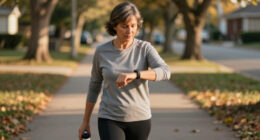
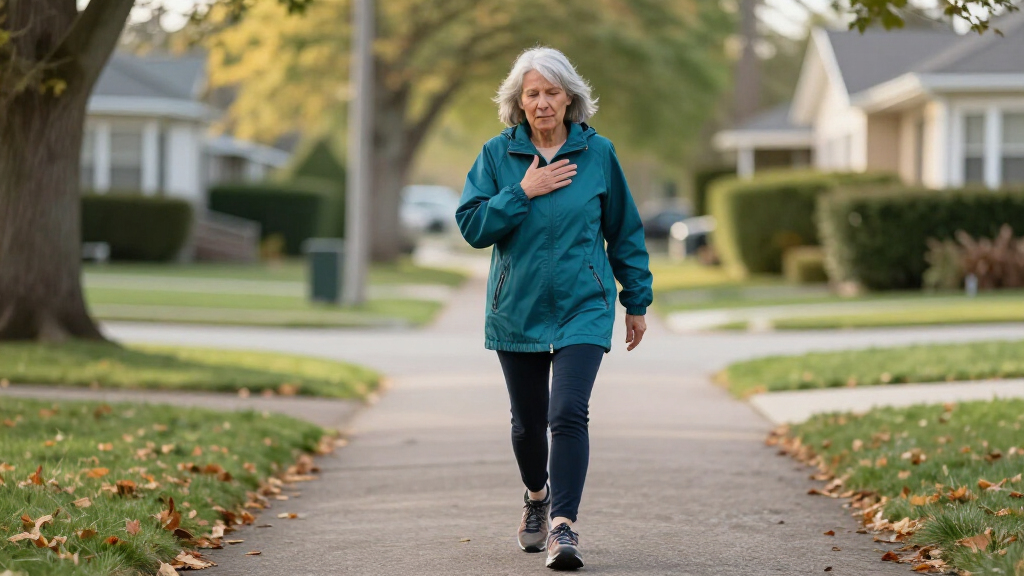
A Sixty and Me report says emerging research complicates the familiar idea that higher levels of HDL cholesterol—often called “good” cholesterol—always mean lower heart risk, with particular questions raised about some postmenopausal women. The report urges readers in their 60s to discuss their full cardiovascular risk with a healthcare professional rather than interpreting HDL by itself.
HDL and LDL are lipoproteins that carry cholesterol through the blood. The report describes HDL as helping transport fats away from the heart, while LDL is associated with plaque buildup in artery walls. Plaque can narrow arteries, and complications may include restricted blood flow or clots. Cholesterol itself is also needed by the body, including for making hormones and vitamin D.
The report says age-related and postmenopausal changes may affect how HDL functions, so a higher HDL result may not provide the same protection for everyone. It also cites genetic mutations that can raise HDL while increasing heart risk, and research linking both very low and very high HDL levels with health concerns. These points are presented as reasons to question a simple “higher is better” rule, not as a diagnosis or a finding that HDL is harmful in general.
The article mentions HDL above 90 mg/dL in connection with research on non-cardiovascular deaths and suggests a range of 60 to 80 mg/dL as a possible point of discussion. It does not identify the underlying studies, their methods or populations, or establish that this range is appropriate for all patients. Readers should not treat those figures as individualized targets.
Reading HDL Alongside Other Risks
The practical message is that a single cholesterol number cannot describe a person’s entire heart-health outlook. For adults in their 60s, especially women after menopause, the report’s discussion may prompt questions about how a clinician interprets HDL alongside LDL and other measures. The evidence described does not establish that a high HDL result should be ignored or that a particular number predicts an individual outcome.
The source recommends considering a broader picture that can include blood pressure, diabetes, family history, weight, physical activity and nutrition. Those factors can affect cardiovascular risk independently of HDL. Decisions about testing or treatment depend on personal circumstances and should be made with a qualified healthcare professional, not from a general article or one lab result.
As an affiliate, we earn on qualifying purchases.
How the HDL Assumption Is Changing
For years, many people have heard HDL described as “good” cholesterol and LDL as “bad” cholesterol. That shorthand reflects different roles associated with the particles, but it can make cholesterol results sound simpler than they are. The Sixty and Me article challenges the assumption that increasing HDL automatically offsets other risks, particularly when age, menopause or inherited factors may influence how cholesterol behaves.
The source also explains that most cholesterol is produced by the body, mainly in the liver, while a smaller share comes from food. It notes that excess cholesterol in the bloodstream can contribute to plaque in arteries. These are general explanations; the article does not report a new clinical guideline, a new trial result, or a change in recommended care.
““Higher levels of HDL may not necessarily mean lower risk for cardiovascular disease in some postmenopausal older women.””
— Sixty and Me report
blood pressure monitor for seniors
As an affiliate, we earn on qualifying purchases.
As an affiliate, we earn on qualifying purchases.
Evidence and Targets Still Unclear
The source does not name the studies behind its claims or provide their publication dates, sample sizes, methods or detailed findings. It is therefore not possible from this material alone to assess how strong the evidence is, which groups it applies to, or whether the cited associations indicate cause and effect. The report also does not say that HDL levels alone can establish a person’s heart risk.
The proposed 60–80 mg/dL range is described as a suggestion, but the article does not identify it as a guideline endorsed by a named medical organization. It remains unclear how clinicians should apply that range across different ages, health histories and risk profiles. The source also does not provide details on specific additional tests or explain who would benefit from them.
cardiovascular health supplements for women
As an affiliate, we earn on qualifying purchases.
As an affiliate, we earn on qualifying purchases.
Discuss Results at Your Next Visit
The next step for readers is a conversation with their healthcare provider about what their full lipid panel and overall risk profile mean. Patients can ask how HDL and LDL fit with factors such as diabetes, blood pressure, family history and prior cardiovascular conditions, and whether any further assessment is appropriate for them. A clinician can interpret results in light of current guidance and individual circumstances.
The Sixty and Me report does not announce a forthcoming study, policy change or clinical milestone. Any future clarification will depend on the underlying research and guidance from medical authorities; this source alone does not establish a change in standard care.
cholesterol management books for older adults
As an affiliate, we earn on qualifying purchases.
As an affiliate, we earn on qualifying purchases.
Key Questions
Does high HDL always protect against heart disease?
No. The Sixty and Me report says higher HDL may not mean lower cardiovascular risk for some postmenopausal women and may behave differently in some people with genetic mutations. It does not claim that HDL is harmful for everyone.
What HDL number should people in their 60s aim for?
The report mentions 60 to 80 mg/dL as a suggested range, but it does not establish this as a universal medical target or cite a formal guideline. Ask a healthcare professional how to interpret your results.
Why should HDL be considered with other health factors?
Heart risk can also be shaped by LDL, blood pressure, diabetes, family history and other personal factors. A clinician can assess these together rather than relying on one cholesterol measurement.
Does the report recommend additional heart tests?
It suggests asking a healthcare provider whether tests beyond a basic cholesterol measurement are relevant. The source does not specify which tests are appropriate for particular patients, so that decision should be made with a clinician.
Source: rss
Cold & flu season Picks
humidifiers
As an affiliate, we earn on qualifying purchases.




![ADHD, Autism Or Complex Trauma? [Pdf]](https://lifestylesinfocus.com/wp-content/uploads/2026/10/adhd-autism-or-complex-trauma-pdf-featured-260x140.jpg)