TL;DR

Get health and wellness essentials delivered free with Prime
- Fast, free delivery on millions of items
- Prime Video, Amazon Music and more included
- Member-only deals all year
Fit&Well published a yoga therapist’s seven-part chair-based movement flow for older adults, including people with mobility limitations or chronic conditions. The therapist says gentle seated movement can leave participants feeling both rested and uplifted; the article does not report clinical evidence or measured health outcomes.
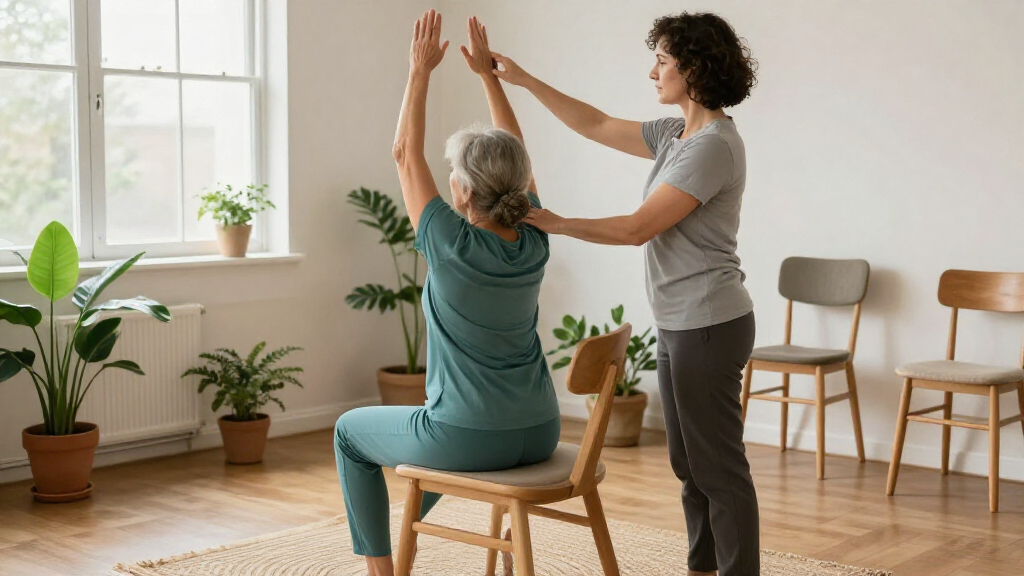
Fit&Well has published a seven-part seated movement routine from a yoga therapist who works with older adults, including people with Parkinson’s disease, other movement disorders and chronic health conditions. The sequence uses a sturdy chair and includes breathing, arm raises, twists and gentle bends; the therapist advises readers to work within their individual range of movement.
The therapist describes using chair-based yoga for people who do not have the mobility for floor-based movement and for those who feel more comfortable exercising from a chair. The report says the movements are gentle, but the therapist’s classes are intended to leave participants feeling rested and uplifted. That description is the therapist’s account, not a measured outcome reported in the article.
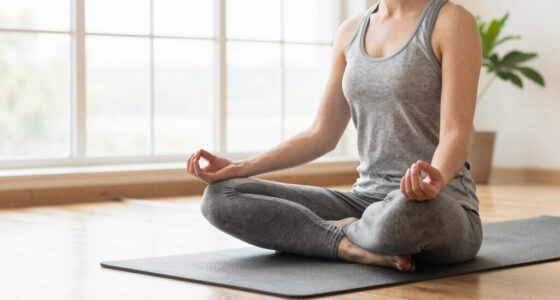
The flow begins with a one-minute settling exercise: sit toward the back of a chair, keep the feet flat on the floor, rest the hands on the lap and allow the breath to settle. The remaining movements are given as a short sequence, with repetitions generally ranging from three to five or three on each side.
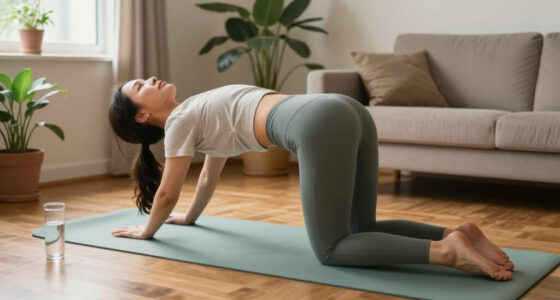
Exercises include sweeping the arms overhead and bringing the palms together, rotating the torso to each side, raising one arm at a time and then both arms, and bending sideways. The sequence also includes seated cat-cow movements and a forward fold. The therapist provides adjustments for some movements, such as holding the chair for support during a side bend or keeping the hands on the knees during a forward fold.
A Seated Option for Gentle Movement
The routine offers a way to practise gentle movement without getting down onto the floor, which may make following an exercise sequence more accessible for some older adults. Its focus on adjustable movement also recognizes that people can have different mobility and comfort levels.
The report is a practical exercise guide, not a clinical trial. It does not establish that this particular sequence improves balance, mobility, mood or any health condition. The therapist’s description of participants feeling calmer, rested or uplifted should be understood as professional experience and reported impression, rather than proof of a specific medical benefit.
Products Worth Considering

Fitbit Sense 2 Health and Fitness Smartwatch (Lunar White/Platinum)
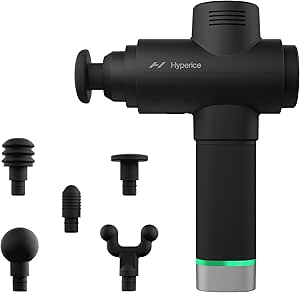
Hyperice Hypervolt 2 Pro Handheld Percussion Massage Gun

Blueair Blue Pure 511i Max Smart Air Purifier
As an affiliate, we earn on qualifying purchases.
How the Seven Movements Work
The therapist frames the practice around exploring accessible movement, rather than achieving a particular pose. The suggested setup is a sturdy chair with enough surrounding space to raise the arms comfortably. The instructions pair movements with breathing: for example, inhale while lifting the arms and exhale while lowering them or folding forward.
After the opening minute of settling, the sequence moves through arm arcs, seated twists, single and double arm raises, side bends, cat-cow and forward folds. The source gives repetition counts but does not set a total workout duration beyond the one-minute opening exercise. It also does not describe the routine as a substitute for individualized instruction or medical care.
“There’s no particular shape or position to achieve.”
— The yoga therapist, as quoted in Fit&Well
Evidence and Individual Suitability
The source does not give the therapist’s name in the supplied text, identify a clinical study behind the routine, or report how many people have tried it. It provides no measured health outcomes and does not establish whether the sequence is suitable for every older adult or for people with particular diagnoses, pain, balance concerns or movement restrictions.
Readers’ abilities and circumstances differ, and the report does not offer individualized assessment. Anyone unsure whether these movements are appropriate for them can seek advice from a qualified health professional or a suitably trained movement instructor. The article’s adaptations are suggestions in a general exercise guide, not a personal treatment plan.
Using the Routine Safely
The source presents the sequence as a routine readers can try with a sturdy chair and clear space, moving at a pace and range that feel accessible. It does not announce a follow-up study, formal program or scheduled next development. Any further evidence about outcomes would require information beyond the Fit&Well report.
For readers considering the exercises, the therapist’s central instruction is to explore movements available to the body rather than force a specific position. The article also describes support options for the side bend and forward fold. People with questions about whether seated exercise suits their health or mobility needs can consult a qualified professional before beginning.
Key Questions
What exercises are included in the chair routine?
The seven parts are a one-minute settling exercise, arm arcs into prayer, seated twists, single and double arm raises, side bends, cat-cow and forward folds. Most are assigned three to five repetitions, with side bends and twists performed on both sides.
What equipment does the routine require?
The report says to use a sturdy chair and leave enough room around it to raise the arms comfortably. It does not list any other equipment.
Is the sequence specifically designed for people with Parkinson’s?
The therapist says they mainly work with older adults living with Parkinson’s, other movement disorders and chronic health conditions. The source does not describe the sequence as a Parkinson’s-specific treatment or confirm that it is appropriate for every person with that diagnosis.
Does the report show that the exercises improve health?
No. It presents the therapist’s routine and account of how class participants feel, but supplies no clinical data or measured outcomes establishing health benefits.
How can someone make the movements more supported?
The therapist suggests holding the side of the chair during a side bend for extra stability, and placing the hands on the knees during the forward fold. The broader instruction is to stay within a comfortable range rather than force a position.
Source: fitandwell.com