
To choose the right hair wash frequency, assess your hair type, scalp condition, and lifestyle. If your hair is high porosity or your scalp feels oily, you might need more frequent washes. For dry or color-treated hair, less often is better to prevent damage. Watch for signs like buildup, itchiness, or dullness to adjust your routine. Keep experimenting until you find what works best—more useful tips await if you continue exploring.

Get health and wellness essentials delivered free with Prime
- Fast, free delivery on millions of items
- Prime Video, Amazon Music and more included
- Member-only deals all year
Key Takeaways
- Assess your scalp condition and hair type, such as oiliness, dryness, or dandruff, to determine appropriate washing frequency.
- Observe how your hair responds to different routines, adjusting based on signs like scalp irritation or buildup.
- Consider environmental factors and lifestyle habits that may require more or less frequent washing.
- Use signs like dullness, greasiness, or scalp itchiness to guide routine adjustments without guesswork.
- Tailor your schedule to your personal goals and hair porosity for optimal scalp health and hair vitality.
As an affiliate, we earn on qualifying purchases.
How Your Hair Type and Scalp Condition Affect How Often You Should Wash
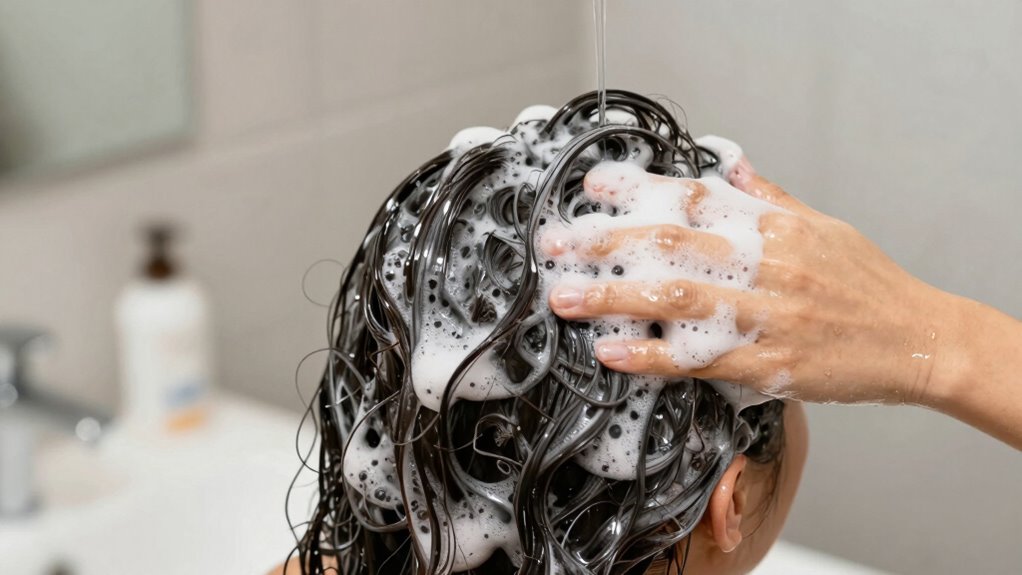
Your hair type and scalp condition play a crucial role in determining how often you should wash your hair. If you have high porosity hair, your hair absorbs and loses moisture quickly, so washing too often can strip natural oils and cause dryness. Low porosity hair resists moisture, meaning buildup can occur more easily, but frequent washing might not be necessary. Medium porosity hair is more balanced; you may find washing every few days works well. Your scalp condition also matters—oily scalps need regular washing to prevent buildup, while dry scalps benefit from less frequent washing to maintain moisture. Understanding your hair porosity helps you tailor your washing routine, ensuring your hair remains healthy, balanced, and well-maintained. Additionally, choosing the right hair cleansing products can make a significant difference in maintaining scalp health and hair vitality. Recognizing scalp health is essential for developing an effective hair-washing schedule that supports overall hair wellness. Incorporating scalp massage techniques can also promote circulation and scalp health, further aiding your hair care routine. Using appropriate shampoos designed for your scalp type can enhance your hair care routine and prevent common issues like dryness or oiliness.
moisturizing shampoo for dry hair
As an affiliate, we earn on qualifying purchases.
As an affiliate, we earn on qualifying purchases.
What Factors Influence How Often to Wash Your Hair
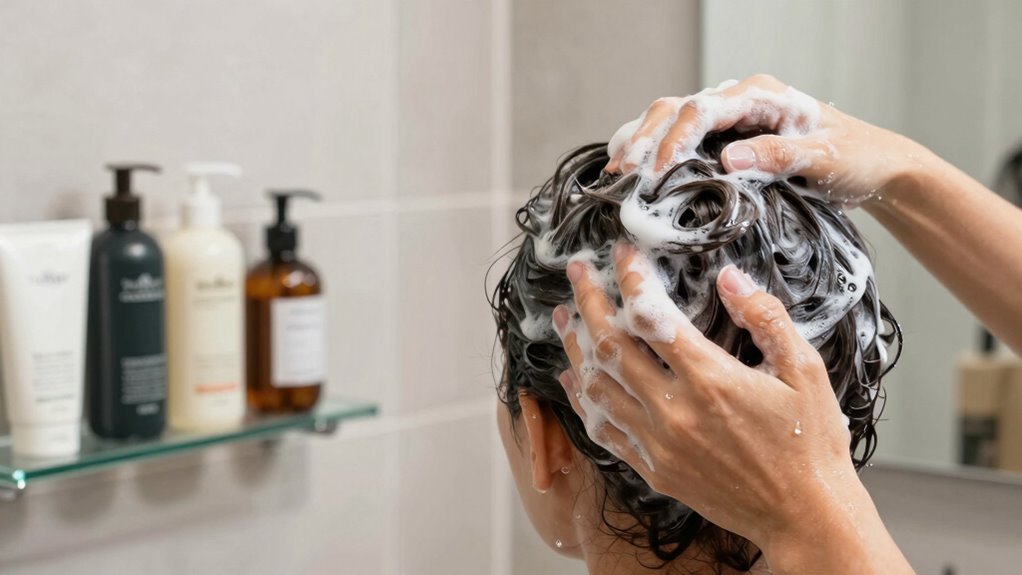
Several factors can influence how often you should wash your hair, making it a personalized decision rather than a one-size-fits-all routine. For instance, wearing hair accessories like hats or tight ponytails can trap oil and dirt, prompting more frequent washing. Hair coloring also plays a role; dyed hair tends to be more delicate and may require gentler, less frequent washing to preserve color and prevent damage. Your activity level matters too—if you’re active and sweat a lot, you might need to wash more often. Environmental factors, such as pollution or dry weather, can also influence your routine. Additionally, understanding how ventilation and hygiene practices affect scalp health can help you determine an ideal washing schedule that keeps your hair healthy and looking its best. Maintaining proper scalp cleanliness through regular washing can prevent buildup and scalp issues, further guiding your washing frequency.
As an affiliate, we earn on qualifying purchases.
How Washing Frequency Impacts Hair and Scalp Health
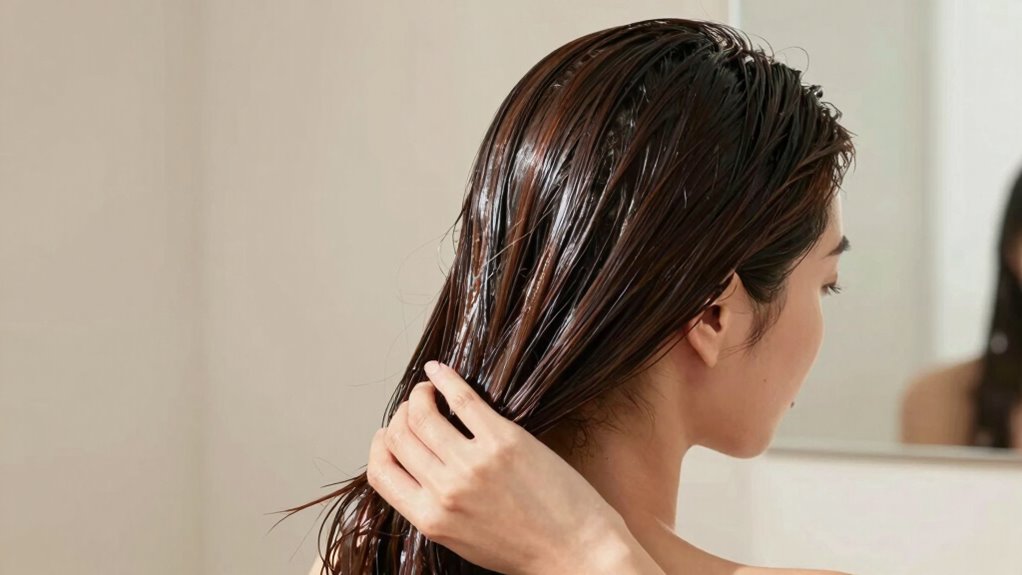
Your washing routine directly affects your scalp’s oil balance, which can lead to either excess grease or dryness. Frequent washes might strip natural oils, causing your scalp to overproduce oil, while infrequent washing can cause buildup and irritation. These changes also influence your hair’s texture, making it feel greasy, dry, or brittle depending on how often you wash. Understanding scalp health principles can help you develop a suitable washing schedule tailored to your hair type. Incorporating water-based therapies, such as rinses or gentle washes, can support a balanced scalp environment and promote healthier hair. Additionally, adopting appropriate hair care routines based on your scalp’s condition can further improve overall scalp health. Recognizing how cabling solutions relate to hair hygiene is essential if you use hair accessories that may affect scalp comfort. Being mindful of your hair washing habits and adjusting them according to your scalp’s needs can lead to more sustainable and healthy hair care practices.
Oil Balance Regulation
Washing your hair too frequently can strip away natural oils, disrupting the scalp’s delicate oil balance. This affects scalp hydration and oil production, leading to dryness or excess sebum. When you over-wash, your scalp compensates by producing more oil, which can cause greasiness. Conversely, infrequent washing may leave oils to build up, clogging pores and dulling hair. Maintaining the right balance keeps your scalp healthy and prevents issues like dryness or oiliness. Proper hair washing techniques can help support this balance and promote overall scalp health. Using the right shampoos for highlighted hair can also help maintain a healthy scalp while preserving color vibrancy. Understanding the importance of Free Floating techniques can help you adapt your routine to your specific hair needs and avoid disrupting your natural oil production. Additionally, being aware of your scalp’s oil regulation can guide you in selecting the appropriate washing frequency for optimal hair and scalp health.
Scalp Condition Effects
How often you wash your hair directly influences the health of your scalp and hair. Washing too frequently can strip natural oils, leading to dry scalp and reduced scalp hydration, which may cause irritation or flakiness. On the other hand, infrequent washing can cause buildup of oils, dirt, and dead skin cells, increasing the risk of dandruff and scalp discomfort. Proper washing helps maintain a balanced environment, promoting healthy scalp conditions. For dandruff management, regular but gentle cleansing is key to removing excess flakes and preventing irritation. Additionally, understanding your hair type and the light and humidity levels in your environment can help tailor your washing routine more effectively. Environmental factors such as indoor air quality can also influence scalp health, making it important to maintain overall indoor air hygiene. Using an air purifier can reduce airborne pollutants that might irritate your scalp and hair. Maintaining a consistent washing schedule suited to your scalp’s needs can prevent common scalp issues and support overall hair health. Ensuring proper ventilation and air circulation in your living space can further help maintain a healthy scalp environment. Striking the right balance not only preserves your scalp’s hydration but also supports overall hair health. Adjust your washing routine based on your scalp’s needs to keep it clean, comfortable, and well-hydrated.
Hair Texture Changes
When you adjust your hair washing frequency, it can substantially alter your hair’s texture and manageability. Washing too often can strip natural oils, reducing scalp hydration and making hair feel dry, brittle, and prone to breakage. Conversely, infrequent washing allows oils to build up, which can weigh hair down or cause a greasy appearance. Your hair porosity also plays a role; high-porosity hair absorbs moisture quickly but loses it just as fast, so frequent washing may worsen dryness. Low-porosity hair resists moisture absorption, so washing less often helps retain hydration and maintain a smoother texture. Finding the right balance ensures your scalp stays healthy and your hair remains manageable, preventing unwanted changes like frizziness or excessive dryness. Additionally, incorporating global flavors into your hair care routine—such as natural oils or herbal rinses inspired by different cultures—can support scalp health and enhance hair quality. Understanding hair porosity and tailoring your washing schedule accordingly can lead to healthier, more resilient hair over time.
As an affiliate, we earn on qualifying purchases.
How to Recognize When Your Hair Needs More or Less Washing
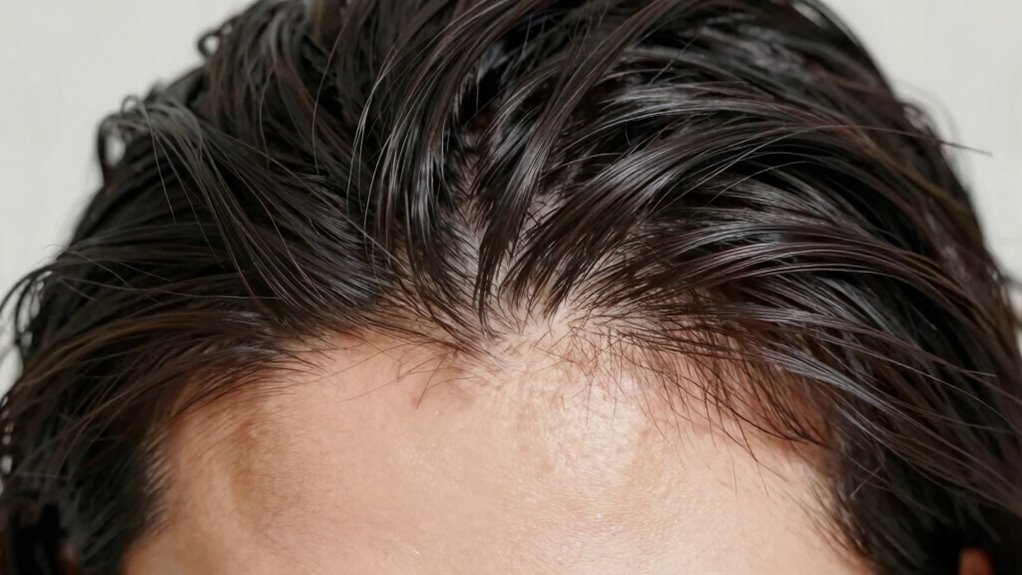
Your scalp and hair often give clear clues about their cleaning needs. If you notice scalp dryness, irritation, or increased dandruff, it might be time to wash more frequently. Conversely, if your hair feels greasy quickly or looks weighed down, you may need to wash less often. Hair porosity also plays a role: high porosity hair absorbs oils faster, requiring more frequent washing, while low porosity hair retains moisture longer, needing less frequent cleansing.
| Signs You’re Washing Too Often | Signs You’re Not Washing Enough |
|---|---|
| Dry scalp, irritation | Excess oil, greasiness |
| Hair feels brittle or tangled | Hair feels greasy quickly |
| Dandruff increases | Flaky scalp persists |
| Color fades faster | Build-up on scalp |
| Limp, lifeless hair | Itchy scalp |
Tips for Finding Your Perfect Hair Wash Routine

To find your ideal hair wash routine, start by considering your hair type and its specific needs. Think about how your daily activities and lifestyle affect how often you should wash your hair. Adjust your routine accordingly to keep your hair healthy and manageable.
Assess Hair Type Needs
Understanding your hair type is essential for creating an effective wash routine. Your hair porosity influences how quickly moisture enters and leaves your strands, affecting how often you should wash. If your hair has high porosity, it may need more frequent cleansing to prevent product buildup and maintain scalp hydration. Conversely, low porosity hair tends to retain moisture longer, so washing less often can help preserve natural oils. Pay attention to how your scalp feels—if it’s oily or flaky, you might need more frequent washes; if it’s dry or itchy, less washing could be better. Evaluating these factors allows you to tailor your routine to meet your hair’s specific needs, ensuring your scalp stays hydrated and healthy without overdoing it.
Adjust Based on Lifestyle
Lifestyle factors play a significant role in determining how often you should wash your hair. Your daily activities, environment, and personal habits affect scalp hydration and hair porosity, influencing your ideal routine. For instance, if you work out frequently or sweat a lot, more regular washing might be necessary. Conversely, if you have high hair porosity, your hair may need less frequent washing to maintain scalp hydration. Adjust your routine based on these factors to avoid stripping natural oils or causing dryness. Pay attention to how your scalp and hair respond—if your scalp feels oily or itchy, wash more often; if it feels dry or brittle, reduce washing frequency.
- High activity levels or outdoor exposure
- Hair porosity and natural oil production
- Scalp hydration needs
- Personal comfort and hair response
Common Mistakes to Avoid When Changing Your Hair Washing Schedule
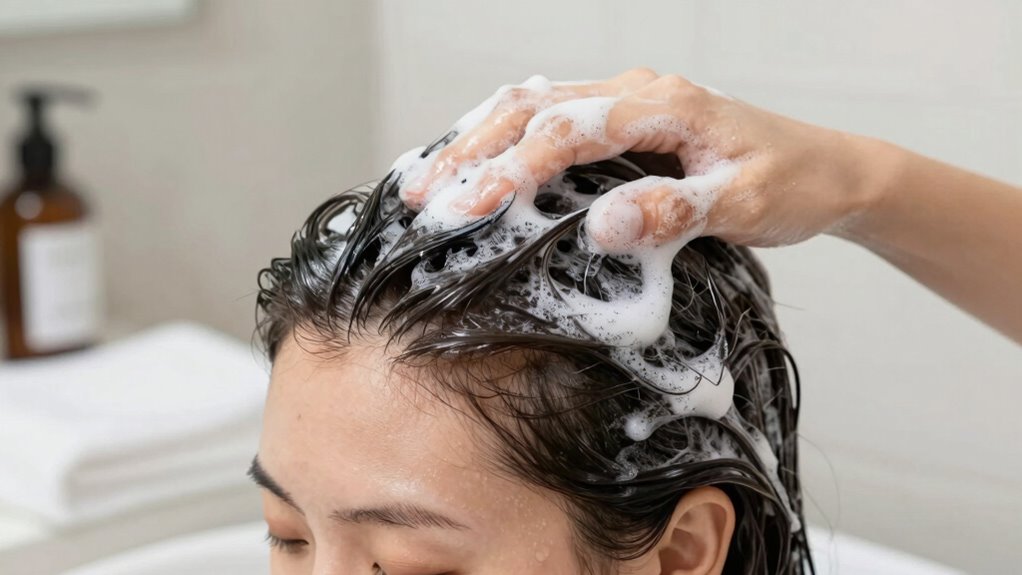
Changing your hair washing schedule without caution can lead to unwanted results, so it’s important to avoid common pitfalls. One mistake is over-washing, which can strip natural oils and cause scalp sensitivity. On the other hand, washing too infrequently can lead to buildup and dullness, especially if you have hair color that fades faster with excess washing. Be mindful of your scalp’s needs and avoid abrupt changes that can shock your scalp or damage your hair.
Here’s a quick guide to common mistakes:
| Mistake | Consequence | How to Avoid |
|---|---|---|
| Changing too quickly | Damage, scalp sensitivity | Gradually adjust your routine |
| Ignoring scalp sensitivity | Irritation, dryness | Watch for signs and adapt |
| Disregarding hair color | Fading, uneven tone | Use color-safe products |
| Over-washing or under-washing | Damage or buildup | Find a balanced schedule |
| Neglecting scalp health | Flakiness, discomfort | Use gentle, suitable shampoos |
How to Adjust Your Routine Based on Your Lifestyle and Hair Goals

Your hair care routine should reflect your daily life and personal goals. If you have high hair porosity, you might need more frequent washes to maintain scalp hydration, while low porosity hair benefits from less frequent washing to prevent product buildup. Consider your activity level—active individuals may need to wash more often, especially if you sweat a lot. Your goals also matter: if you’re aiming for volume, less frequent washing can help preserve natural oils; for scalp health, regular cleansing is key. Adjusting your routine involves observing how your hair responds and making changes accordingly.
- Assess your scalp’s response to different wash frequencies
- Balance scalp hydration with washing schedule
- Tailor routine based on hair porosity and lifestyle
- Experiment to find what keeps your hair healthy and comfortable
When to See a Professional for Personalized Hair Care Advice

Sometimes, despite adjusting your hair washing routine, you might notice persistent issues like scalp irritation, excessive dryness, or brittle hair. When these problems don’t improve, it’s time to seek a professional consultation. A hairstylist or dermatologist can offer personalized advice tailored to your scalp and hair type. They can identify underlying conditions, recommend suitable products, and suggest adjustments to your routine that you might not have considered. Ignoring ongoing issues can lead to further damage or discomfort. Remember, personalized advice from a professional helps you understand your hair’s specific needs, ensuring healthier hair and scalp in the long run. Don’t hesitate to consult an expert if your concerns persist, as their guidance can make a significant difference.
Frequently Asked Questions
Can Washing Frequency Affect Hair Color Preservation?
Yes, washing your hair too often can cause hair dye to fade faster, leading to duller color over time. When you wash less frequently, you help preserve your hair color and reduce color fade. Use cool water and gentle shampoos designed for color-treated hair to extend the vibrancy. By adjusting your washing routine, you can maintain your hair dye longer and keep your hair looking fresh and shiny.
How Does Climate Influence How Often I Should Wash My Hair?
Climate effects, like humidity and temperature, directly influence how often you should wash your hair. In humid seasons, you might need to wash more frequently to remove excess sweat and oil, while colder, drier seasons may require less washing to prevent dryness. Seasonal changes also impact your scalp’s oil production, so stay attentive to your hair’s response and adjust your routine accordingly for healthy, balanced hair year-round.
Is It Better to Wash Hair Daily or Skip Days for Scalp Health?
It’s better to skip some days between washes to support scalp health. Washing daily can strip away natural oils, leading to scalp dryness and disrupting moisture balance. By washing less frequently, you help maintain scalp moisture, reducing dryness and irritation. Pay attention to how your scalp reacts; if it feels dry or flaky, washing every few days might be ideal. Adjust your routine based on your scalp’s needs for healthier hair.
Do Hair Treatments or Styling Products Change Washing Needs?
Back in the day, folks used to swear by soap and water, but now hair treatments and styling products can change your washing needs. They can build up or cause oiliness, so you might need to wash more often or use clarifying shampoos. Always consider how these products interact with your scalp and hair type—if you notice buildup, adjusting your wash routine is a smart move.
Can Washing Too Rarely Cause Hair Thinning or Damage?
Yes, washing too rarely can cause scalp buildup, leading to clogged follicles and potential hair thinning. It also increases the risk of hair breakage because accumulated oils and dirt weaken strands. When you skip regular washes, your scalp becomes unhealthy, and your hair becomes more prone to damage. To avoid this, find a washing routine that keeps your scalp clean without stripping natural oils, promoting healthier, stronger hair.
Conclusion
Finding the right hair wash routine is like tuning a delicate instrument—you need to listen carefully to your scalp’s whispers. By understanding your hair type, scalp condition, and lifestyle, you can strike a harmony that keeps your hair healthy and vibrant. Don’t be afraid to experiment and adjust as you go; your perfect routine is a journey, not a destination. Trust your instincts, and your hair will thank you for it.
Fall Picks
fall essentials
As an affiliate, we earn on qualifying purchases.