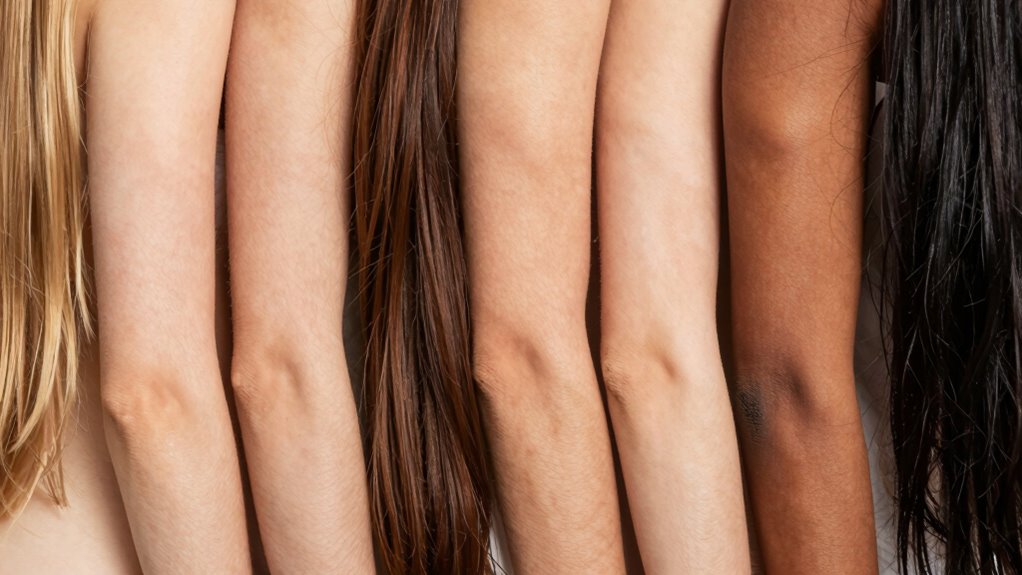

IPL works best on lighter skin tones with dark hair because it targets melanin efficiently. While it’s generally safe for lighter skin, extra caution is needed for darker skin to avoid burns or pigmentation issues. Perfect results happen when your hair is dark and your skin is light. To guarantee safety and success, use the right device and follow precautions—you’re about to discover how to get the most effective and safe treatment tailored to your skin and hair type.
Key Takeaways
- IPL is most effective on light skin with dark hair due to melanin targeting, but safety varies with skin tone.
- Darker skin tones require cautious device settings and professional guidance to prevent burns and pigmentation issues.
- Ideal results occur when IPL is used on dark hair and light skin, leveraging high contrast for safety and efficacy.
- Proper preparation, including skin cleaning and avoiding sun exposure, is essential for safe treatment and optimal results.
- Professional assessment and devices with skin sensors help ensure safe, effective IPL hair removal across different skin tones and hair colors.
How Does IPL Hair Removal Work on Different Skin Tones?
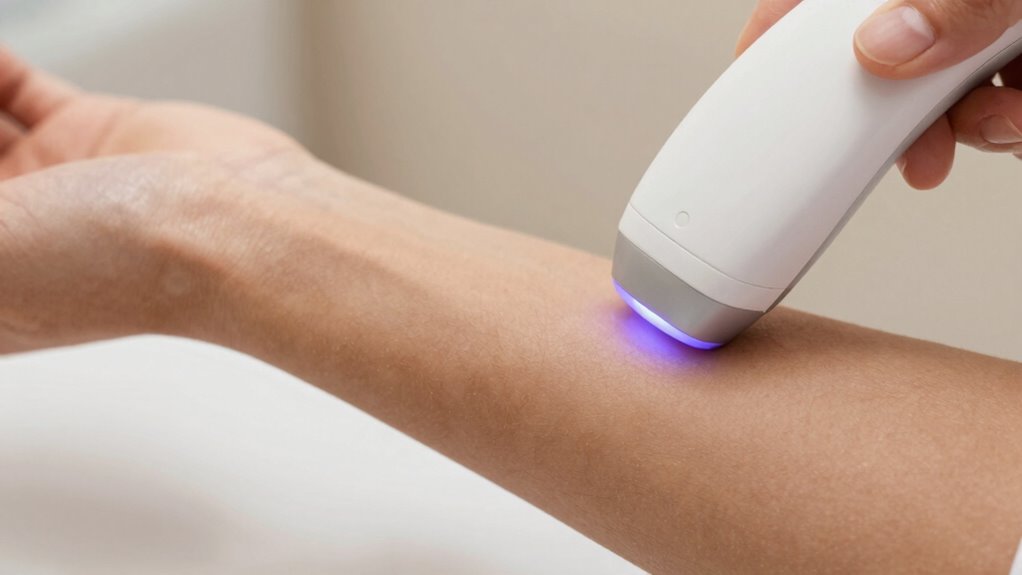
IPL hair removal works differently on various skin tones because the procedure targets melanin in hair follicles. On lighter skin, there’s less risk of affecting surrounding skin, making the treatment safer and more effective. However, if you have darker skin, increased skin sensitivity and pigmentation concerns come into play. Melanin in darker skin can absorb more IPL light, raising the risk of burns, hyperpigmentation, or uneven results. That’s why skin tone is a crucial factor in determining whether IPL is suitable for you. It’s essential to consult with a specialist who can assess your skin sensitivity and pigmentation concerns before proceeding. Proper settings and precautions help minimize risks and ensure safer, more effective hair removal tailored to your skin tone. Additionally, understanding contrast ratio can be important when evaluating how well different devices perform in various lighting conditions, which may influence your choice of IPL device. Recognizing skin pigmentation differences can further help in customizing treatments and reducing potential side effects.
Which Hair Colors Are Best for IPL Treatment?
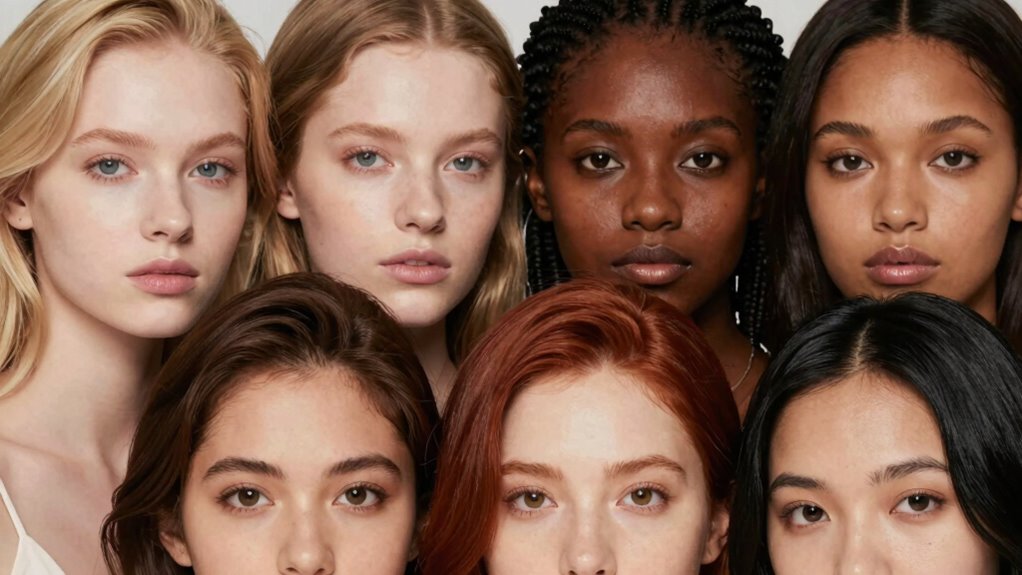
The effectiveness of IPL hair removal heavily depends on the color of your hair. Generally, hair color suitability favors darker shades like black and dark brown, which contain high melanin levels that absorb IPL energy efficiently. Blonde, red, and gray or white hair have lower melanin content, making IPL less effective for these hair colors. When considering skin tone compatibility, lighter skin tones work best because they provide a strong contrast to dark hair, enhancing treatment results. Additionally, melanin content plays a crucial role in how well IPL targets hair follicles. If your hair is light or fine, IPL might not produce ideal results, and alternative methods could be better. To maximize safety and effectiveness, it’s essential to match your hair color with your skin tone, ensuring your hair color suitability aligns with your skin tone compatibility for the best outcome. Understanding hair and skin contrast can further improve treatment success and minimize risks. Recognizing contrast levels can help you determine the most suitable IPL approach for your specific features. Moreover, being aware of hair color and skin tone compatibility can help you set realistic expectations for your treatment results. Furthermore, considering your hair density can influence the overall effectiveness and comfort of IPL sessions.
Is IPL Safe for Darker Skin? Essential Precautions to Know
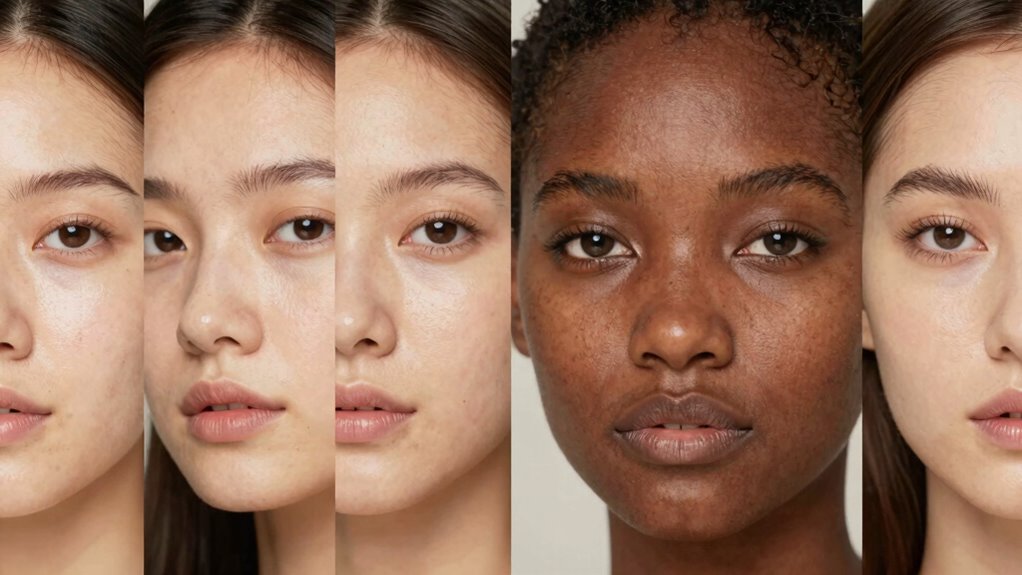
If you have darker skin, it’s important to take skin tone compatibility into account before using IPL. You should also make sure the device settings are properly adjusted to prevent burns or pigmentation issues. Consulting a professional is highly recommended to make sure IPL treatment is safe and effective for you. Additionally, understanding the relationship between skin tones and IPL safety can help you make more informed decisions about your treatment options. Since nail biology varies between individuals, being aware of your specific skin characteristics can further enhance treatment safety and outcomes.
Skin Tone Compatibility
While IPL hair removal can be effective for many skin tones, darker skin requires extra caution because the treatment’s light pulses may target melanin more aggressively. Increased pigment contrast in darker skin means the IPL device could mistakenly target surrounding skin, increasing risks of burns or pigmentation changes. Your skin sensitivity also plays a role; if your skin reacts easily or is prone to irritation, IPL might not be suitable without careful testing. It is crucial to choose devices specifically designed for darker skin tones and always perform a patch test beforehand. Consulting a professional helps determine if your skin can safely handle IPL. Remember, the goal is to avoid unnecessary damage, so understanding your skin tone’s compatibility with IPL is a vital safety step. Additionally, skin tone compatibility is a key consideration, as different skin types respond uniquely to IPL treatments. Recognizing your natural skin color can help you make more informed choices about treatment options. Being aware of melanin levels across different skin tones can further guide safe IPL use. Furthermore, understanding how melanin concentration varies between individuals can improve treatment outcomes and safety.
Proper Device Settings
To guarantee IPL treatments are safe for darker skin tones, it is essential to carefully adjust device settings before starting. Proper device calibration ensures the energy levels are appropriate for your skin type, reducing the risk of burns or pigmentation issues. Begin with a lower setting and gradually increase if your skin tolerates it, always monitoring your skin’s response. Skin preparation is equally important; make sure your skin is clean, dry, and free of lotions, deodorants, or tanning products. Avoid sun exposure beforehand, as it can make your skin more sensitive. Confirm that your device has settings specifically designed for darker skin tones, and follow the manufacturer’s instructions precisely. These precautions help optimize safety while achieving effective hair removal results. Additionally, understanding storm-anxiety routines and pet safety tips can help create a calm environment during IPL treatments if you have pets sensitive to noise or disruptions. Being aware of skin-tone compatibility guidelines can further help prevent adverse effects and ensure safe usage. Knowing about device-specific recommendations can assist in choosing the right settings for your individual needs.
Professional Guidance Recommended
Seeking professional guidance when considering IPL hair removal on darker skin tones can considerably enhance safety and effectiveness. A trained specialist assesses your skin and hair type, ensuring proper device settings and reducing risks associated with laser safety. They can dispel common hair removal myths, such as the idea that IPL is universally safe for all skin tones. Without expert advice, you risk uneven results or skin damage. Remember, darker skin requires specific precautions and tailored treatments. Understanding skin analysis techniques can help you better appreciate the importance of proper procedure and safety measures in IPL treatments. Additionally, professionals use specialized skin assessment tools to accurately determine the most suitable treatment parameters for your unique skin profile. Incorporating NEAT strategies into your overall health plan can also support better skin health and recovery during hair removal treatments. Being aware of water usage and proper hygiene practices can further ensure a safe and comfortable treatment experience.
How to Choose the Right IPL Device for Your Skin and Hair Type
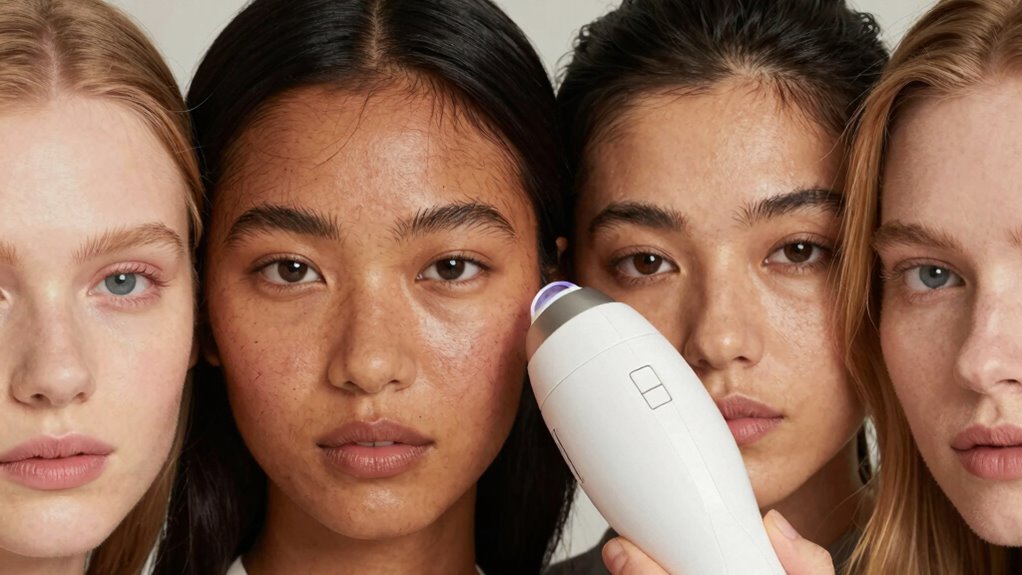
Choosing the right IPL device begins with understanding your skin and hair type. Your skin sensitivity and color influence which settings are safe and effective. To find the best fit, consider these factors:
- Skin tone compatibility: Ensure the device is suitable for your skin color to avoid skin irritation and maximize safety.
- Hair color suitability: IPL works best on dark hair; lighter shades may require specialized devices.
- Laser safety features: Look for devices with built-in safety measures like skin sensors to prevent accidental overexposure.
- Device compatibility is crucial; selecting a device that matches your specific skin and hair profile enhances treatment safety and effectiveness. Additionally, understanding affiliate disclosures can help you make informed decisions about the products you choose. Proper device selection also involves assessing laser safety features to prevent adverse effects during treatment.
Matching your skin and hair type with the device helps prevent skin sensitivity issues and ensures effective hair removal. Always choose a device that prioritizes laser safety to protect your skin during treatments.
Top Safety Tips for Using IPL Hair Removal Safely

Using an IPL device safely is key to achieving the best results while minimizing risks. Always follow the manufacturer’s instructions and guarantee your skin is clean and dry before treatment. Prioritize laser safety by avoiding exposure to direct sunlight and wearing protective eyewear if recommended. To reduce skin irritation, perform a patch test on a small skin area 24 hours before full use. If you notice redness or discomfort, pause treatment and consult a professional. Don’t use IPL on broken, irritated, or sunburned skin, as this can increase risks. Keep the device at the correct intensity level suited for your skin type. Regularly clean the device to prevent bacteria and ensure safe, effective use.
When Will You See Results and Do You Need a Professional?

You’ll typically see noticeable results after several sessions, usually within a few weeks. Whether you choose professional treatments or at-home devices, the speed of results can vary based on your skin and hair type. Factors like hair color, treatment consistency, and skin tone influence how quickly you’ll notice a difference.
Typical Timeframe for Results
Typically, you’ll start seeing noticeable results after a few sessions of IPL hair removal, usually within three to six weeks. Several factors influence how quickly you see progress, including skin type, hair color, and treatment consistency. Here are key points to keep in mind:
- Multiple Sessions Needed: Most people require 6-8 sessions for maximum results.
- Patience Is Key: Hair reduction becomes more evident after each session, especially with proper laser safety practices.
- Skin Rejuvenation Benefits: IPL can also improve skin texture, but visible results for hair removal take time.
Professional vs. Home Treatments
While both professional and home IPL treatments can effectively reduce hair, the results’ speed and consistency often depend on who’s performing the procedure. Professionals have the training to guarantee proper laser safety, reducing risks of burns or skin damage. They also typically deliver more powerful and precise treatments, leading to faster results. Home devices are more affordable, offering a clear cost comparison, but they may take longer to achieve desired outcomes due to lower power levels and user inexperience. If you prefer quick, reliable results and want to minimize safety concerns, a professional treatment is the better choice. However, if you’re budget-conscious and comfortable with careful application, home IPL devices can still be effective over time.
Factors Affecting Speed
Several factors influence how quickly you’ll see results from IPL hair removal, including hair color, skin tone, hair thickness, and treatment consistency. Your skin pigmentation plays a key role in laser safety and effectiveness; lighter skin usually responds faster, while darker skin requires caution to avoid pigmentation issues. To maximize results, consider these points:
- Hair color: Darker hair absorbs light better, speeding up hair reduction.
- Skin tone: Lighter skin allows for safer, more effective treatments.
- Treatment frequency: Regular sessions ensure consistent progress and faster results.
While professional treatments may accelerate progress due to advanced technology, proper home use with attention to skin safety can still deliver visible results over time. Patience and adherence to safety guidelines are essential for best outcomes.
Frequently Asked Questions
Can IPL Be Used on Sensitive Skin Areas Safely?
Yes, you can use IPL on sensitive skin areas safely if you follow proper safety precautions. Make sure to do a patch test first to check for reactions, and use a device with adjustable settings for sensitive zones. Keep the skin clean and dry, avoid over-treatment, and follow the manufacturer’s instructions carefully. Consulting a professional beforehand can also help guarantee safe and effective results.
How Often Should I Use IPL Devices for Best Results?
Imagine you’re Jules Verne in a submarine—timing is everything! For best results, you should space your IPL treatments about 4 to 6 weeks apart, allowing your skin to respond and heal. Treatment frequency depends on your hair’s growth cycle, so listen to your skin’s cues. Consistency is key; avoid overdoing it to prevent irritation. Follow your device’s guidelines and consult a professional if unsure.
Are There Age Restrictions for IPL Hair Removal?
Yes, there are age restrictions for IPL hair removal. You should be at least 18 or have skin maturity before starting treatment. This guarantees your skin is developed enough to handle the procedure safely. Younger individuals might not be good candidates, as their skin and hair growth patterns are still changing. Always consult a professional to assess your skin maturity and determine if IPL is suitable for you at your age.
Can IPL Cause Skin Pigmentation Changes?
Yes, IPL can cause skin pigmentation changes, including skin discoloration. You might notice darkening or lightening of the treated area, especially if you have sensitive skin or aren’t careful with pre- and post-treatment care. To minimize pigmentation risks, follow your practitioner’s instructions, avoid sun exposure, and use recommended skincare products. Properly performed IPL treatments help reduce the chances of unwanted pigmentation changes and skin discoloration.
What Are Common Side Effects After IPL Treatments?
After your IPL treatments, you might notice some skin irritation and temporary redness. These side effects are common and usually subside within a few hours to a couple of days. You may also experience minor swelling or dryness, but serious reactions are rare. To minimize these effects, follow your technician’s aftercare instructions, avoid sun exposure, and keep your skin moisturized. If irritation persists, consult your dermatologist.
Conclusion
Remember, IPL hair removal isn’t a one-size-fits-all solution. While it’s effective for many, your skin tone and hair color play vital roles in its success and safety. Think of it like a mirror—you see your true reflection only when the conditions are right. Trust the process, follow safety tips, and consider professional guidance if needed. With patience and proper care, you can achieve smoother skin and confidence—proving that the right approach makes all the difference.