
TL;DR
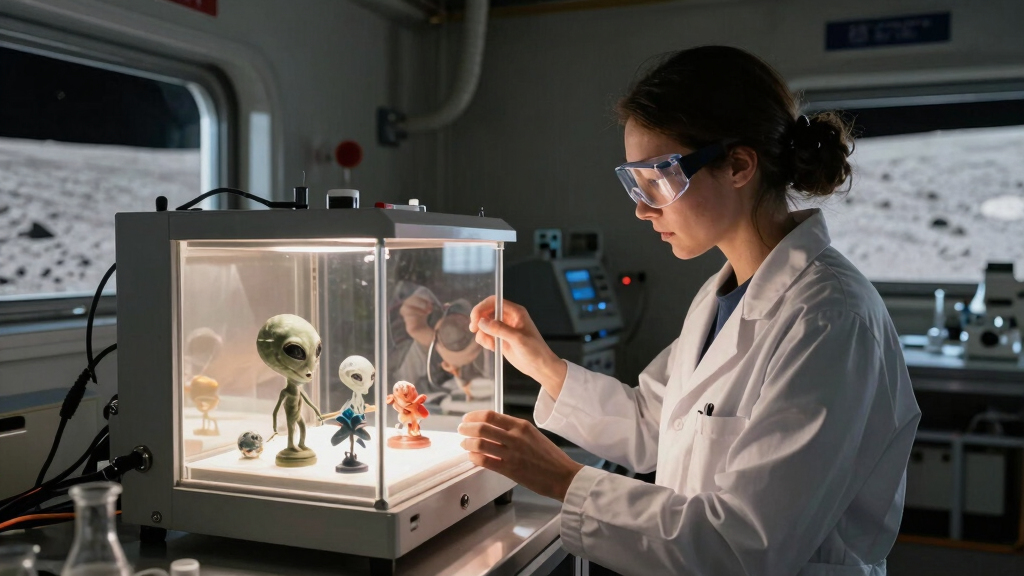
Scientists have proposed establishing a quarantine zone for alien life forms on the Moon before they can reach Earth. The plan aims to prevent potential biological threats, but details on implementation remain unclear. This development raises questions about planetary protection and space exploration safety.
Scientists are proposing the creation of a quarantine zone on the Moon to isolate extraterrestrial life forms before they can be brought to Earth, aiming to prevent potential biological threats. The plan is currently in early discussion stages and has sparked international debate about planetary protection and space exploration safety.
According to recent reports, a group of astrobiologists and space scientists has suggested establishing a dedicated quarantine area on the Moon to contain alien organisms, should they be discovered during future space missions. The proposal emphasizes the importance of preventing possible contamination of Earth’s biosphere, citing historical concerns about biological risks from space exploration.
While the idea is supported by some experts, it remains at the conceptual stage, with no formal plans or agreements yet in place. The proposal calls for international cooperation, possibly under the auspices of the United Nations Office for Outer Space Affairs (UNOOSA), to develop protocols for handling extraterrestrial biological material.
Key figures involved include Dr. Emily Carter, a leading astrobiologist at the International Space Institute, who stated, “Preemptive quarantine measures could be crucial if we encounter alien life, to ensure Earth’s safety.” However, critics argue that the technical and logistical challenges of implementing such a quarantine on the Moon are significant and untested.
Implications of Lunar Quarantine for Planetary Protection
This proposal highlights the growing awareness within the scientific community of the potential risks posed by extraterrestrial life. Establishing a quarantine zone on the Moon could set a precedent for future space missions and international policies aimed at safeguarding Earth from biological contamination. If implemented, it could influence how space agencies approach sample return missions and extraterrestrial exploration, emphasizing caution and international cooperation.

National Geographic Glow-in-the-Dark Solar System Model Kit for Kids – Build & Paint a 3D Planetary Model with Movable Arms, STEM Projects for Kids Ages 8-12, Space Themed Bedroom Decor
BUILD & DISPLAY A MOVING, GLOWING SOLAR SYSTEM – With this kit, kids can customize all 8 planets…
As an affiliate, we earn on qualifying purchases.
As an affiliate, we earn on qualifying purchases.
Recent Developments in Space Safety and Extraterrestrial Life
The idea of planetary protection has gained renewed attention following recent advances in space exploration, including missions to Mars and asteroids aimed at detecting signs of life. Historically, NASA and other agencies have adhered to protocols designed to prevent contamination, but the potential discovery of alien organisms raises new questions about adequacy of existing measures.
In 2021, scientists warned about the risks of contaminating Earth with microbes from space, leading to increased calls for stricter quarantine protocols. The Moon, as a strategic location for future exploration and potential resource extraction, is now being considered as a candidate site for a biological containment zone.
While no extraterrestrial life has yet been confirmed, the proposal reflects a precautionary approach aligned with international space treaties, which emphasize avoiding harmful contamination of celestial bodies and Earth.
“Preemptive quarantine measures could be crucial if we encounter alien life, to ensure Earth’s safety.”
— Dr. Emily Carter, Astrobiologist
astrobiology containment equipment
As an affiliate, we earn on qualifying purchases.
As an affiliate, we earn on qualifying purchases.
Uncertainties About Implementation and Effectiveness
It is not yet clear how feasible or effective a lunar quarantine zone would be, given current technological and logistical limitations. Experts acknowledge that establishing a contained environment on the Moon capable of securely isolating alien organisms presents significant challenges, including containment integrity, monitoring, and long-term maintenance. Additionally, no confirmed extraterrestrial life has been discovered, so the immediate need for such measures remains hypothetical.
Further discussions are needed to determine international consensus, funding, and technical standards before any concrete steps can be taken.

(Ship from USA) (100) 1/20 oz Lacon Sample Containers for scents, Younique, Makeup, SoapGWE849F EP-21RT12640
100 Containers Per Order. Each container securely holds 0.05 ounces / 1.48 mL.
As an affiliate, we earn on qualifying purchases.
As an affiliate, we earn on qualifying purchases.
Next Steps in Developing Lunar Quarantine Protocols
Scientists and policymakers are expected to hold international workshops over the coming months to evaluate the proposal’s feasibility and develop preliminary guidelines. Space agencies like NASA, ESA, and Roscosmos are likely to participate, alongside international bodies such as UNOOSA. The focus will be on creating a framework for potential future missions that could encounter alien life, and on establishing protocols for containment, monitoring, and possible return procedures.
Meanwhile, ongoing space missions continue to search for signs of extraterrestrial life, with the Moon remaining a strategic target for future exploration efforts.
lunar quarantine zone setup tools
As an affiliate, we earn on qualifying purchases.
As an affiliate, we earn on qualifying purchases.
Key Questions
Could alien life on the Moon reach Earth without quarantine?
While current knowledge suggests the likelihood is low, the proposal aims to prevent any hypothetical risk by establishing containment measures before potential discovery.
Has extraterrestrial life been confirmed on the Moon?
No, there has been no confirmed discovery of alien life on the Moon or elsewhere. The proposal is precautionary, based on potential future discoveries.
What are the main challenges of creating a lunar quarantine zone?
Technical challenges include establishing a secure, monitored environment capable of containing biological material. Logistical issues involve transportation, maintenance, and international coordination.
Could this proposal influence future space treaties?
Yes, if adopted, it could lead to updates in international space law, emphasizing stricter planetary protection and biosafety protocols for extraterrestrial material.
When might such a quarantine zone be operational?
There are no concrete timelines yet; development depends on international consensus, funding, and technological advancements. It remains a conceptual proposal at this stage.
Source: rss