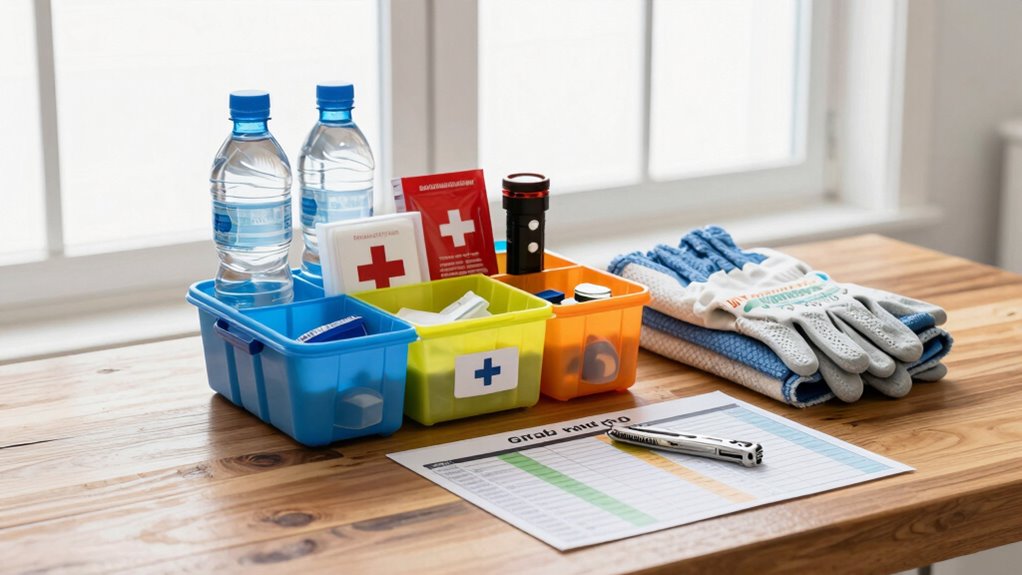

To create an effective “grab-and-go” system, you need a family-wide plan that guarantees everyone can quickly collect essentials like important documents, medications, snacks, and supplies. Identify multiple evacuation routes and a safe meeting point outside your home. Regularly practice these drills so everyone’s prepared. Keep your emergency kit stocked and accessible. If you want to make sure nothing gets forgotten and your family stays safe, keep exploring the key steps of a solid household emergency plan.

Get health and wellness essentials delivered free with Prime
- Fast, free delivery on millions of items
- Prime Video, Amazon Music and more included
- Member-only deals all year
Key Takeaways
- Ensure your emergency kit is pre-packed with essentials and easily accessible for quick evacuation.
- Regularly update your “grab-and-go” kit to include current medications, documents, and family needs.
- Clearly assign responsibilities for each family member to gather specific items during an emergency.
- Practice your evacuation route and “grab-and-go” process regularly to build familiarity and efficiency.
- Include all critical documents and valuables in your kit, stored in a waterproof container for rapid access.
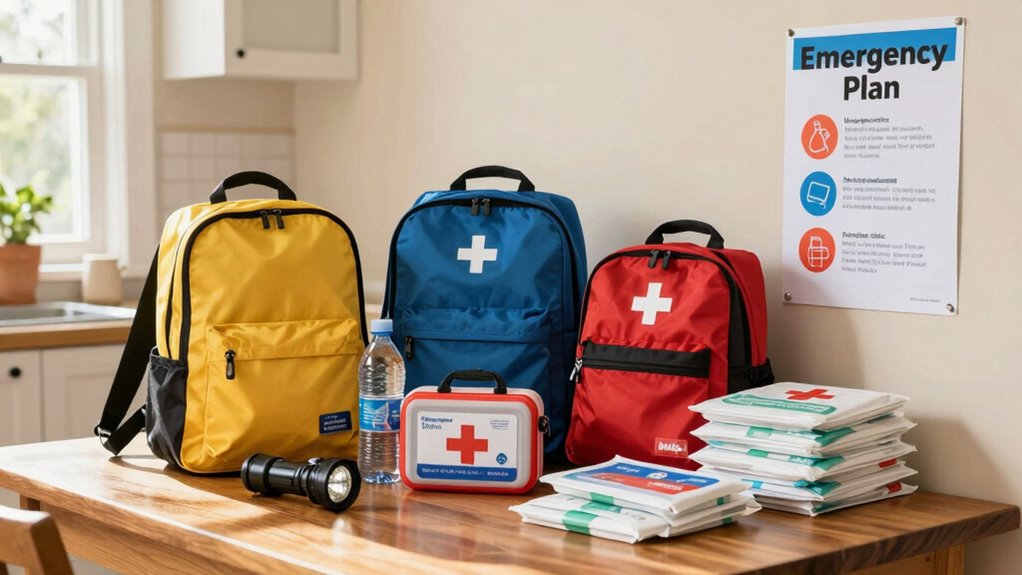
Creating a household emergency plan is essential to guarantee you and your loved ones stay safe during unexpected crises. One of the most critical aspects of this plan is knowing your evacuation routes. You need to identify multiple ways out of your home and neighborhood, so you’re prepared no matter the situation. Don’t just rely on a single escape path—plan for fire, flood, or other emergencies that might block your usual routes. Walk through your house with your family, marking all exits and ensuring everyone knows how to reach them quickly. Practice these routes regularly so they become second nature, reducing panic when seconds count. Additionally, consider alternative routes that might be less obvious but equally safe, especially if your primary way is blocked. Keep in mind that evacuation routes aren’t just about leaving your house; they also include knowing where to go afterward. Establish a safe meeting point away from your home, such as a neighbor’s yard or a local park, and make sure everyone understands how to get there.
Furthermore, understanding emergency preparedness and staying informed about local alerts can help you react more effectively during crises. Equally important is preparing your emergency kit contents. Many families overlook the importance of a well-stocked grab-and-go kit, which should be easy to carry and ready at a moment’s notice. Your kit should include essentials like water, non-perishable food, first aid supplies, flashlight, batteries, necessary medications, and personal hygiene items. Don’t forget important documents—copies of IDs, insurance policies, and medical records—stored in a waterproof container. Include some cash, since ATMs and card machines might not work during emergencies. Also, pack a spare set of clothes, blankets, and anything specific to your family’s needs, such as baby supplies or pet essentials. Keep the kit in a designated, accessible spot, and review its contents regularly to replace expired items or update supplies.
Many families forget that having an emergency kit isn’t enough; it has to be ready to grab instantly. Practice quick retrieval so everyone knows exactly where it is. Combine this with your knowledge of evacuation routes, and you markedly increase your chances of staying safe. Remember, emergencies are unpredictable, but a solid plan that includes clear evacuation routes and a fully stocked emergency kit can make all the difference. Being prepared means you’re not just reacting to crises—you’re actively protecting your loved ones and reducing chaos when it matters most.
As an affiliate, we earn on qualifying purchases.
Frequently Asked Questions
How Often Should I Review and Update My Emergency Plan?
You should review and update your emergency plan annually to guarantee it stays current. Conduct emergency drills at least once a year to identify any gaps or weaknesses. Regularly check your supplies and communication methods, especially if your family’s circumstances change. Staying proactive helps you respond quickly and confidently in an emergency, making your household safer. Don’t forget, consistent updates and practice keep your plan effective and reliable.
What Items Are Essential in a Grab-And-Go Kit?
You might think a grab-and-go kit is just a bag, but it’s actually your lifeline in emergencies. Essential emergency supplies include water, non-perishable food, first aid kit, flashlight, batteries, and hygiene items. Keep your kit organized with clearly labeled compartments for quick access. Regularly check and update your kit to guarantee everything’s functional and fresh. Being prepared means having everything you need, right at your fingertips, when it counts most.
How Can I Ensure All Family Members Know the Plan?
You can guarantee all family members know the plan by holding regular family communication sessions and practicing emergency drills. Make sure everyone understands their roles, the meeting point, and how to access the grab-and-go kit. Repetition helps reinforce the plan, so schedule drills often. Keep communication simple, and encourage questions, so everyone feels confident. Consistent practice and open dialogue are key to effective emergency preparedness.
What Are Common Mistakes to Avoid in Emergency Preparedness?
You should avoid common mistakes like overlooking communication gaps and resource mismanagement. Make sure everyone understands the plan and knows how to communicate if separated. Don’t underestimate the importance of regularly checking and updating supplies and emergency kits. Failing to rehearse drills can create confusion during real emergencies. Additionally, avoid neglecting to store important documents securely and accessibly, which can hinder response efforts. Being proactive helps prevent these mistakes.
How Do I Prepare for Specific Emergencies Like Floods or Earthquakes?
To prepare for floods or earthquakes, you should prioritize flood safety by installing sump pumps and elevating electrical systems. Conduct earthquake drills regularly to ensure everyone knows how to “Drop, Cover, and Hold On.” Keep an emergency kit with essentials like water, food, and first aid supplies. Make a family communication plan and identify safe spots in your home. Stay informed through alerts and update your plan as needed.
As an affiliate, we earn on qualifying purchases.
Conclusion
Having a “grab-and-go” emergency plan isn’t just about quick access; it’s about trusting your preparation. Some say you can’t predict emergencies, but evidence shows that families with a clear plan recover faster and face less stress. Remember, being ready isn’t a gamble—it’s a choice. By trusting your plan and practicing it, you turn uncertainty into confidence, proving that preparedness truly can make all the difference when it matters most.
portable first aid kit for emergencies
As an affiliate, we earn on qualifying purchases.
As an affiliate, we earn on qualifying purchases.
emergency food and water supply kit
As an affiliate, we earn on qualifying purchases.
As an affiliate, we earn on qualifying purchases.
Fall Picks
fall essentials
As an affiliate, we earn on qualifying purchases.