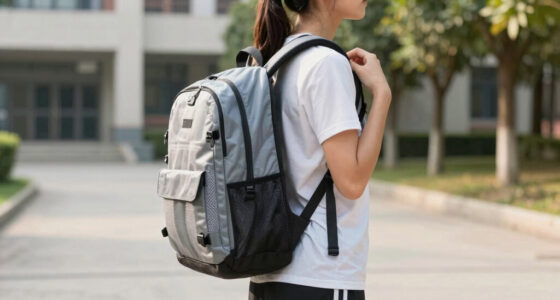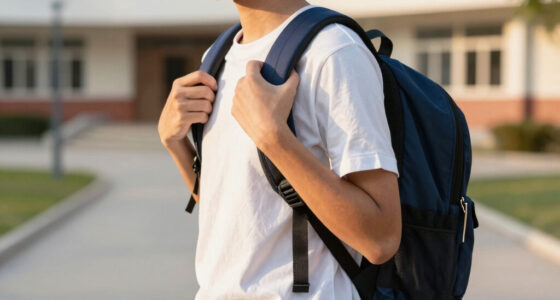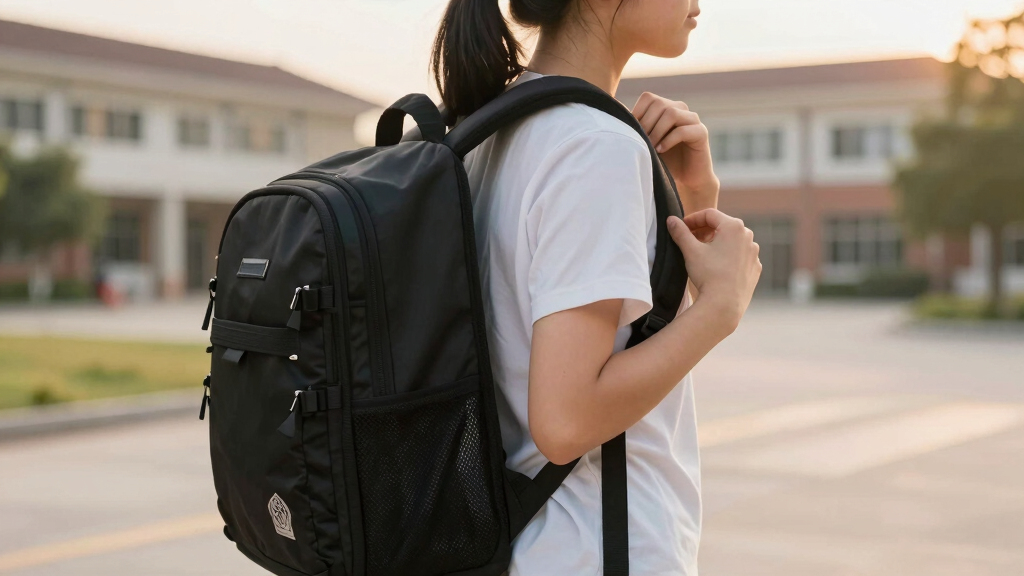
This guide helps parents, students, and caregivers choose an ergonomic backpack designed to lessen back pain and support healthy posture during school hours. It covers key features, fitting tips, and evaluation methods to ensure comfort and safety. Suitable for all levels, this task takes about 15-30 minutes.

Get health and wellness essentials delivered free with Prime
- Fast, free delivery on millions of items
- Prime Video, Amazon Music and more included
- Member-only deals all year

RealCool 15.6-17.3" Laptop Backpack, 31L Water Resistant Travel Bag
- ✔ Laptop Size: 15.6-17.3 inches
- ✔ Capacity: 31L
- ✔ Material: Water-resistant polyester

JanSport Laptop Backpack – Black
- ✔ Compartments: 2
- ✔ Laptop Sleeve Size: 15 inches
- ✔ Strap Type: Adjustable
Difficulty: Beginner | Time: 15-30 minutes
What You’ll Need
Tools & Materials:
- Measuring tape or ruler
- Notebook or checklist for features
Knowledge:
- Basic understanding of ergonomic principles
- Awareness of student’s height and typical load
Prepare to measure the student’s torso length and shoulder width. Have a list of preferred features ready to compare options effectively.
RealCool 15.6-17.3" Laptop Backpack, 31L Water Resistant Travel Bag
<p>The <strong>RealCool backpack</strong> stands out for its combination of ergonomic comfort and travel-friendly features. Its padded straps and lightweight design make carrying heavy loads easier, especially for students juggling classes and travel. The dedicated laptop compartment fits larger devices up to 17.3 inches, and the multiple organizational pockets help keep essentials accessible. Compared to the JanSport, it offers better water resistance and a larger capacity, ideal for students who carry a lot or commute in variable weather.</p><p>However, its limited color options and absence of anti-theft features mean it might fall short for students seeking customization or added security. The smaller size for bulky items could also be a concern for those with larger textbooks or supplies.</p>
Pros:
- Water-resistant and durable polyester material
- Multiple compartments for organization
- Lightweight with ergonomic padded straps
- Luggage strap for travel convenience
Cons:
- Limited color options
- No anti-theft features
- Potentially small for very bulky items
Best for: Students who need a versatile backpack suitable for travel, commuting, and school, especially those carrying larger devices or in need of water resistance.
Not ideal for: Students seeking a simple, classic backpack without water resistance or those preferring more color choices or anti-theft features.
Bottom line: This backpack offers excellent versatility and ergonomic comfort for students who prioritize travel-ready features and capacity.
“This backpack offers excellent versatility and ergonomic comfort for students who prioritize travel-ready features and capacity.”
JanSport Laptop Backpack – Black
<p>The <strong>JanSport backpack</strong> is a classic choice that emphasizes durability and ergonomic comfort with its well-designed shoulder straps. Its two spacious compartments and a dedicated 15-inch laptop sleeve make organization straightforward, while the high-quality fabric and zippers ensure longevity. Compared with the RealCool, it offers a more traditional look and feel, perfect for students who prefer simplicity and reliability. However, it lacks water-resistant features, which could be a drawback in rainy climates or for students who carry their backpacks outdoors frequently.</p><p>While it excels in durability, its limited color options and absence of additional travel features mean it’s best suited for daily school routines rather than travel or heavy-duty use.</p>
Pros:
- Durable construction with high-quality fabric and zippers
- Ergonomic S-curve shoulder straps
- Multiple compartments and organizational pockets
- Lifetime warranty from trusted brand
Cons:
- Limited color options
- No water resistance mentioned
- Less suited for travel or heavy weather
Best for: Students seeking a durable, ergonomic backpack for everyday school use with a proven brand reputation.
Not ideal for: Students who need water resistance or travel features, or those seeking a more modern or colorful design.
Bottom line: A reliable, durable backpack ideal for daily school routines, especially for students valuing proven brand quality and ergonomic comfort.
“A reliable, durable backpack ideal for daily school routines, especially for students valuing proven brand quality and ergonomic comfort.”
As an Amazon Associate we earn from qualifying purchases.
Before You Start
Ensure the student’s current backpack is empty to accurately assess size and fit. Check for any existing discomfort or back issues that may influence the choice.
Step-by-Step Instructions
Step 1: Assess the student’s body measurements
Measure the torso length from the prominent bone at the base of the neck to the top of the hip bones using a measuring tape. Record shoulder width by measuring across the back from one shoulder bone to the other.
Tip: Use a mirror or have someone assist for accuracy. Record measurements for comparison when choosing a backpack.
Check: You have accurate torso and shoulder measurements, ready to match with backpack dimensions.
Step 2: Identify backpacks with ergonomic features
Select backpacks that have padded, adjustable shoulder straps, a padded back panel, and a waist or chest strap for weight distribution. Check for a sturdy frame and multiple compartments to organize weight evenly.
Tip: Prioritize backpacks with adjustable straps and padded support to customize fit and comfort.
Check: You have a shortlist of backpacks featuring ergonomic design elements suitable for the student.
Step 3: Verify backpack size against the student’s measurements
Ensure the backpack length matches the torso measurement so it sits comfortably between the shoulders and hips without extending below the lower back. Confirm shoulder straps are adjustable to fit snugly without digging in.
Tip: Avoid backpacks that are too long or short; they can cause discomfort or improper weight distribution.
Check: Backpack length aligns with torso measurement, and straps can be adjusted for a secure fit.
Step 4: Test the backpack’s fit and comfort
Have the student wear the backpack loaded with typical school supplies. Adjust straps so the pack sits high on the back, close to the shoulders, with minimal sway. Check that the bottom of the pack is no lower than the waist.
Tip: Encourage the student to walk around while wearing the backpack to assess comfort and stability.
Check: Backpack fits snugly, sits high, and feels balanced without pulling or causing strain.
Step 5: Evaluate weight distribution and load capacity
Fill the backpack with the expected load of books and supplies. Ensure the weight is evenly distributed and the backpack supports the load comfortably without causing strain on shoulders or back.
Tip: Use padded compartments or organizers to keep weight balanced and prevent shifting while moving.
Check: The student can carry the loaded backpack comfortably for typical durations without discomfort.
Common Mistakes to Avoid
- Choosing a backpack that is too large or too small — Match backpack size to the student’s torso measurement to ensure proper fit and weight distribution.
- Neglecting adjustable straps — Select backpacks with adjustable shoulder and sternum straps to customize fit and support.
- Overloading the backpack beyond capacity — Limit weight to 10-15% of the student’s body weight and use organizational features to spread the load.
- Ignoring the importance of padding and support — Choose backpacks with padded straps and back panels to reduce pressure points.
Troubleshooting
Problem: Backpack causes shoulder pain despite adjustments
Solution: Ensure straps are properly tightened and padded; consider a backpack with wider straps or better padding.
Problem: Backpack feels unbalanced or slips off
Solution: Check that the load is evenly distributed; use the waist or chest strap to stabilize the pack.
Problem: Back discomfort persists after choosing a backpack
Solution: Reduce the load, verify correct fit, and consider consulting a health professional if discomfort continues.
What Success Looks Like
The backpack fits the student snugly, with adjustable straps properly secured. It sits high on the back, with no excessive sag or strain. The student reports feeling comfortable during typical walking and carrying tasks, and the load is well balanced without shifting.
Next Steps
Regularly check the fit as the student grows or as loads change. Reassess the backpack’s comfort periodically and replace if it no longer fits well or causes discomfort. Encourage proper loading habits and use organizational compartments to reduce strain.
Frequently Asked Questions
How often should I check the backpack’s fit?
Review the fit at least once every few months or if the student reports discomfort. Adjust straps and load as needed.
What weight should a student’s backpack ideally be?
Keep the load below 10-15% of the student’s body weight to prevent strain and injury.
Are there specific brands known for ergonomic backpacks?
Many brands offer ergonomic features; look for those with adjustable straps, padded support, and good organization, regardless of brand.
Can a backpack cause long-term back problems?
Yes, consistently carrying poorly fitted or overloaded backpacks can contribute to back pain. Choosing an ergonomic pack and loading it properly reduces this risk.
Fall Picks
fall essentials
As an affiliate, we earn on qualifying purchases.