

When you focus only on stretching, you’re mainly improving muscle flexibility, but stiffness often comes from joint issues or muscle imbalances. Mobility involves moving a joint through its full range safely, which helps improve joint health and reduces stiffness. Without addressing mobility and joint function, stretching alone won’t fix chronic tightness. Keep going to discover how integrating mobility work can make a real difference in how you move and feel every day.
Key Takeaways
- Flexibility improves muscle elongation but doesn’t address joint movement limitations causing stiffness.
- Mobility involves joint control and stability, essential for pain-free movement beyond muscle flexibility.
- Stretching alone can’t fix joint restrictions or muscle imbalances that contribute to stiffness.
- Proper joint health and strength are crucial; neglecting these leaves stiffness unresolved despite stretching.
- Combining mobility exercises with flexibility work ensures comprehensive improvement and reduces persistent stiffness.
What’s the Difference Between Mobility and Flexibility?

Understanding the difference between mobility and flexibility is essential for effective movement and injury prevention. Mobility refers to your ability to move a joint through its full range of motion, which supports joint health and overall function. Flexibility, on the other hand, is the muscle’s ability to elongate and stretch, influencing muscle elasticity. When your muscles are flexible, they can stretch without strain, but this doesn’t automatically mean your joints move freely. Improving mobility involves strengthening and controlling movement within safe ranges, ensuring joints stay healthy and functional. Incorporating joint health practices can further enhance your overall mobility and reduce the risk of injury. Additionally, addressing muscle imbalances plays a crucial role in achieving optimal movement capabilities. Proper mobility training often includes targeted exercises that improve movement control and coordination, which are vital for maintaining long-term joint health. Developing stability around your joints is also key to preventing injuries and supporting functional movement. Without a focus on core strength, your ability to stabilize joints during movement may be compromised, leading to increased stiffness or injury risk. Flexibility alone might make you stretchier, but without proper mobility, you risk stiffness or injury. Knowing how these two aspects interact helps you target your training effectively for better movement and injury prevention.
Why Flexibility Alone Won’t Fix Stiffness : and What Will?
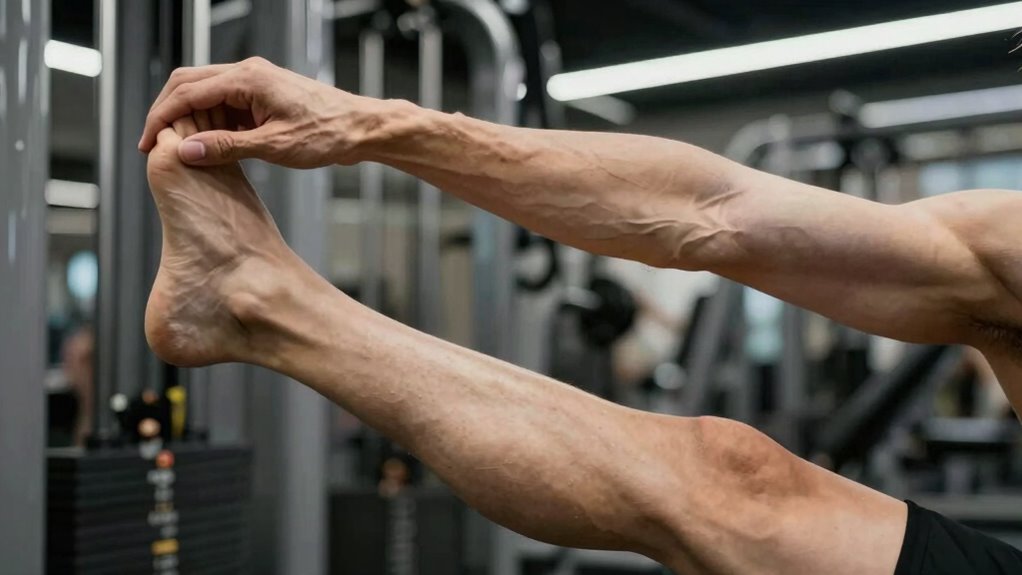
Flexibility alone won’t eliminate stiffness because muscles can stretch, but if your joints aren’t moving properly, that stiffness will persist. Improving muscle elasticity is important, but it’s not enough on its own. To truly address stiffness, you need to focus on the health of your joints and how they move. Proper joint function allows muscles to operate efficiently and reduces unnecessary tension. Neglecting joint health can leave stiffness unresolved, even with regular stretching. Incorporating wall art trends like interactive murals can also motivate consistent movement and joint engagement. Additionally, understanding joint biomechanics can help identify specific movement patterns that contribute to stiffness and guide targeted interventions. Consider these factors to enhance your progress:
Flexibility isn’t enough; joint health and proper movement are essential to eliminate stiffness.
- Enhancing cartilage health for smoother joint movement
- Strengthening surrounding muscles for joint support
- Improving proprioception to optimize joint positioning
- Addressing underlying imbalances that limit joint mobility
How Mobility Training Helps You Move Better and Feel Less Stiff

Mobility training actively enhances your ability to move freely and efficiently by targeting the joints and surrounding tissues. When you focus on improving mobility, you’re supporting joint health, which is essential for smooth, pain-free movements. It also boosts muscle elasticity, allowing your muscles to stretch and contract without stiffness or discomfort. As a result, you’ll notice increased range of motion and less joint or muscle tightness. This type of training helps prevent injuries and alleviate chronic stiffness, making everyday activities easier and more comfortable. Unlike static stretching, mobility exercises actively engage multiple tissues, promoting better movement patterns. Over time, this leads to more fluid motion, reduced stiffness, and a stronger foundation for all your physical activities. Incorporating proper mobility exercises can further enhance your progress and overall movement quality, leading to lasting improvements in joint function and overall mobility. Additionally, understanding and managing battery care can prevent unnecessary setbacks and ensure consistent performance in your training routines. Paying attention to joint health is crucial for maintaining long-term mobility and avoiding degenerative issues.
Easy Mobility Exercises to Incorporate Into Your Routine
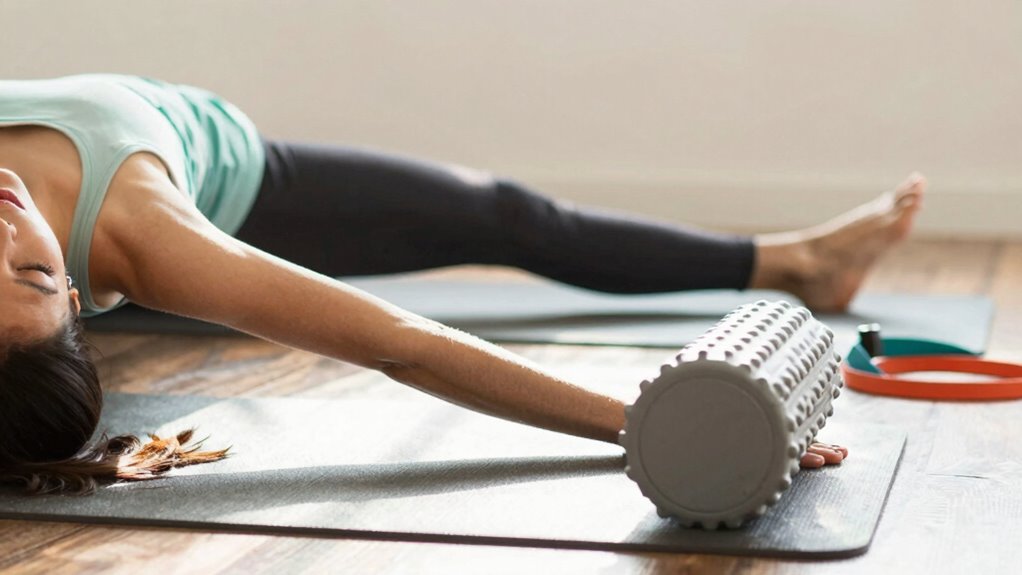
Adding simple mobility exercises to your daily routine can make a noticeable difference in how you move and feel. Incorporate dynamic stretches to warm up muscles and increase joint range of motion efficiently. Foam rolling helps release muscle tightness, improve circulation, and prepare your body for movement. To get started, try these exercises:
Simple daily mobility exercises boost movement, flexibility, and overall well-being.
- Dynamic leg swings to loosen hips and hamstrings
- Arm circles for shoulder mobility
- Cat-cow stretches to enhance spinal flexibility
- Foam rolling on calves, quads, or back for tissue release
These easy movements don’t require much time but provide significant benefits. Consistently including dynamic stretches and foam rolling helps you maintain better mobility, reduce stiffness, and support overall movement quality throughout your day.
Common Mistakes When Fixing Stiffness : and How to Avoid Them
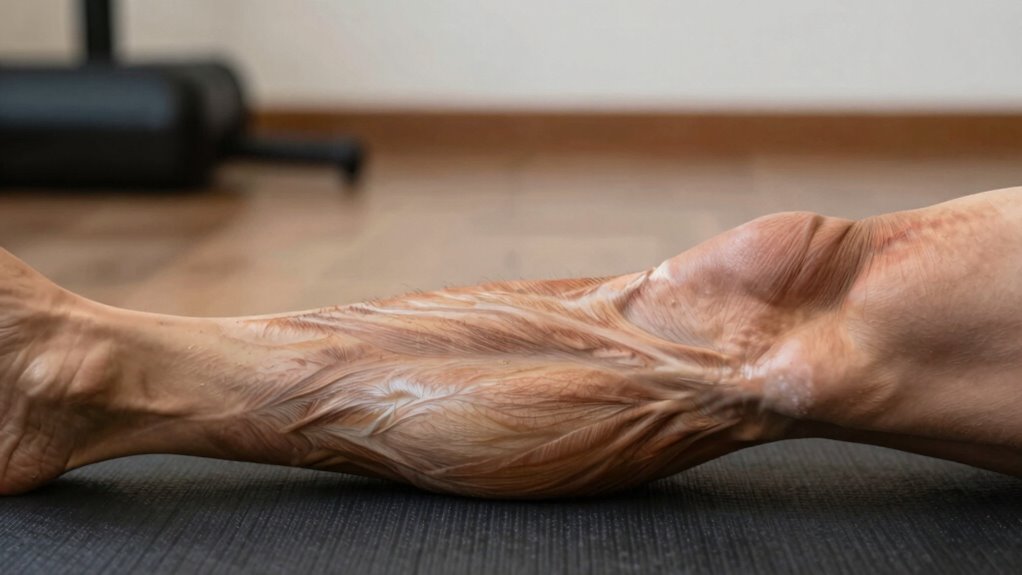
Many people try to fix stiffness quickly but end up making mistakes that hinder progress. One common mistake is falling into overstretching pitfalls, where you push too hard or hold stretches too long, risking injury and worsening stiffness. Another issue is using improper technique, such as bouncing or not maintaining proper alignment, which reduces effectiveness and can cause strain. To avoid these mistakes, focus on gradual, controlled movements and listen to your body’s signals. Instead of forcing a stretch, aim for a gentle, sustained tension that feels comfortable. Proper technique is key—use slow, deliberate motions, and avoid bouncing or overstretching. Incorporating recovery routines like foam rolling can help improve mobility and prevent setbacks. Additionally, understanding the importance of muscle elasticity can guide you in developing safer stretching practices. Developing an awareness of body mechanics plays a crucial role in preventing injury and optimizing flexibility. Prioritizing proper warm-up before stretching can significantly reduce the risk of injury and enhance flexibility. Engaging in regular movement and dynamic stretching can also prepare your muscles better for stretching and improve overall mobility. Consistency and patience are essential; rushing your routine only increases the risk of setbacks.
Frequently Asked Questions
How Long Does It Take to See Improvements in Mobility?
You can start noticing improvements in mobility within a few weeks if you stick to consistent training routines and integrate mobility-focused exercises into your daily habits. Usually, you’ll see progress in about 3 to 4 weeks, but significant changes often take 6 to 8 weeks of dedicated effort. Keep in mind, patience and consistency are key—regular movement and targeted routines will gradually enhance your mobility over time.
Can Stretching Cause Injury if Done Incorrectly?
Stretching can cause injury if done incorrectly, so prioritize stretching safety to prevent strain or tears. Always warm up first, avoid bouncing, and don’t push beyond your limits. To guarantee injury prevention, focus on proper technique and listen to your body’s signals. If you experience pain, stop immediately. Incorporate gentle, controlled stretches regularly, and consider consulting a professional to guide your routine for safe, effective flexibility gains.
Are Certain Sports More Prone to Mobility Issues?
Some sports act as tightropes over a wire, making athletes prone to mobility issues. Sports with repetitive, sport-specific limitations—like gymnastics or baseball—often restrict natural movement, leading to stiffer muscles and joints. You might notice these trends in athlete mobility, where overemphasis on certain skills narrows your range of motion. To counter this, incorporate diverse mobility exercises, breaking free from those limitations and restoring your body’s full potential.
How Does Age Affect Flexibility and Mobility Progress?
As you age, you’ll notice age-related stiffness and a natural mobility decline. Your muscles and joints lose some of their elasticity, making movement less fluid. Regular movement and targeted mobility exercises help counteract this decline, but stretching alone often won’t fully address the issue. Staying active and incorporating strength and mobility training can maintain your flexibility and keep you moving comfortably longer.
Is There a Best Time of Day to Do Mobility Exercises?
The best time of day for mobility exercises depends on your schedule, but morning routines offer notable timing benefits. Doing mobility work in the morning helps loosen stiff joints, boosts circulation, and sets a positive tone for the day. If mornings aren’t ideal, find a consistent time that fits into your routine, ensuring you prioritize regular movement to improve stiffness and maintain flexibility throughout the day.
Conclusion
Remember, like a well-tuned orchestra, your body needs both mobility and flexibility to perform at its best. Stretching alone is like tuning just one instrument—you’re missing the harmony. Incorporate mobility exercises to move freely and feel less stiff, releasing your body’s true potential. Don’t let stiffness hold you back; embrace a balanced approach, and you’ll find yourself moving with the ease of a seasoned dancer, ready to take on whatever’s next.