
When choosing between an infrared and steam sauna, focus on your personal heat and humidity tolerance rather than popular trends. Infrared saunas offer gentle, dry heat that’s easier on sensitive skin and may be more tolerable if you dislike intense moisture. Steam saunas provide moist heat that can feel more intense but soothing if you enjoy high humidity. Assess your comfort levels and listen to your body’s signals to find the best fit—more insights await if you look further.
Key Takeaways
- Assess your personal heat and humidity tolerance to choose between dry infrared heat and moist steam heat.
- Start with short sessions to test comfort and gradually increase duration based on your body’s response.
- Infrared saunas typically offer gentler, lower temperatures, making them more suitable for sensitive individuals.
- Steam saunas provide high humidity, which may be overwhelming for those with humidity sensitivity or respiratory issues.
- Select a sauna type aligned with your health goals, lifestyle, and willingness to manage maintenance and comfort levels.
How Infrared and Steam Saunas Differ in Heat and Humidity
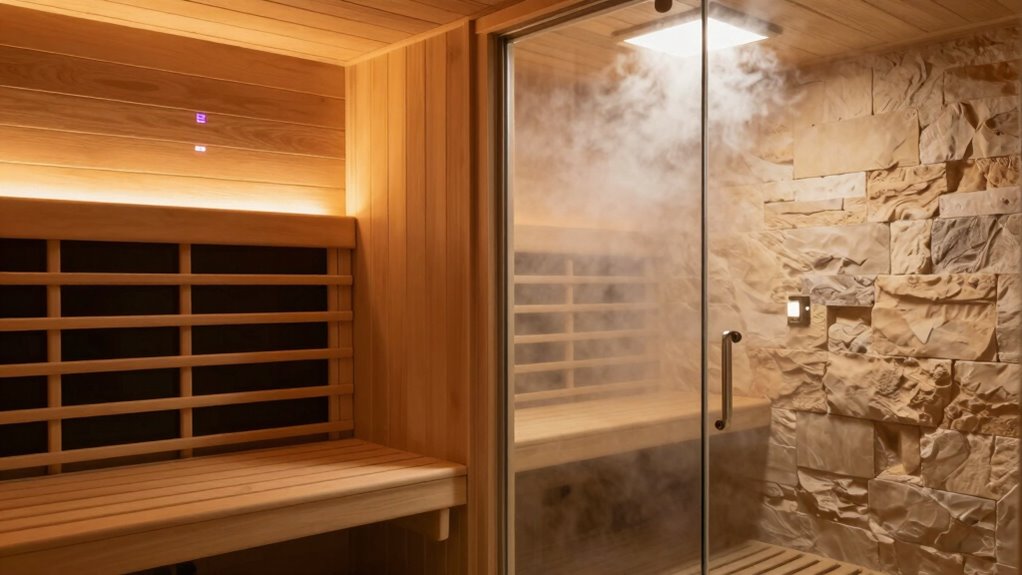
Infrared and steam saunas differ considerably in how they produce heat and humidity, which affects your overall experience. Infrared saunas use radiant heat to warm your body directly, creating a gentle, consistent warmth that promotes thermal comfort. Humidity levels are low, usually around 20%, making it easier to breathe and less oppressive. In contrast, steam saunas generate heat through boiling water, resulting in high humidity levels approaching 100%. This moist environment can intensify the sensation of heat and influence your thermal comfort differently. You might find the dry heat of infrared more tolerable, especially if you prefer a milder experience. Meanwhile, the moist heat of steam saunas can feel more intense but also more soothing, depending on your preferences. Additionally, the Humidity levels in each type of sauna can impact the presence of microplastics in dust and air, affecting indoor air quality and health. Proper ventilation is important to minimize potential health risks associated with indoor saunas and maintain good air quality. Furthermore, the air quality within sauna spaces is influenced by the type of heating and humidity, which can also impact respiratory health.
Test Your Heat Tolerance Before Choosing a Sauna
Before committing to a sauna, it’s important to test your heat tolerance. Start with short sessions to see how your body responds and avoid overexposure. Knowing your limits helps you choose the right sauna for a safe, enjoyable experience. Incorporating proper ventilation techniques can further enhance your comfort and safety during use. Additionally, understanding heat regulation can help you optimize your sauna sessions and prevent health issues related to excessive heat exposure. Monitoring patient feedback during sessions can help identify signs of discomfort early and ensure a safe experience. Being aware of signs of illness or discomfort can help prevent health issues related to excessive heat exposure. Incorporating natural pools into your backyard can also create a more relaxing environment that complements sauna use and promotes overall wellness.
Assess Your Heat Tolerance
Understanding your heat tolerance is essential before choosing a sauna, as it helps prevent discomfort or health risks. To assess this, pay attention to your thermal adaptation—how quickly your body adjusts to heat—and your emotional response during exposure. Start with brief sessions and see how your body reacts; do you feel dizzy, overly flushed, or anxious? Your emotional response can reveal whether you’re comfortable in higher temperatures or prone to stress. It’s important to recognize your limits so you can select a sauna type that suits your natural tolerance. By honestly evaluating these factors, you’ll make a more informed decision, ensuring a safe, enjoyable experience tailored to your body’s signals.
Start With Short Sessions
Starting with short sauna sessions is essential to gauge your body’s response and prevent discomfort. Begin with a brief session duration, around 10 to 15 minutes, and pay attention to how you feel. Using sauna accessories like a towel or a timer can help you stay comfortable and monitor time effectively. Don’t rush into longer sessions until you understand your heat tolerance. If you experience dizziness, nausea, or excessive sweating, exit immediately. Gradually increase your session duration over time as your body adapts. Remember, everyone’s tolerance differs, so listening to your body is key. Starting slow ensures you enjoy the benefits safely, whether you choose an infrared or steam sauna. Prioritize comfort and safety above trends for a positive experience. Additionally, considering chamber vacuum sealers or sealing gear can help preserve your health and wellness products effectively. Being aware of heat tolerance is crucial for a safe and enjoyable sauna experience. Recognizing personal limits helps prevent overexposure and ensures a more comfortable session. Developing awareness of body signals can further help you customize your sauna routine safely, especially by understanding your psychological responses to heat.
Health Benefits of Infrared and Steam Saunas: What Science Shows

Scientific studies suggest that both infrared and steam saunas offer notable health benefits, although their mechanisms and effects differ. Infrared saunas are known for their detox benefits, as the deep heat promotes sweating that helps eliminate toxins from your body. They also support skin health by increasing circulation and encouraging cell regeneration, leading to a clearer, more radiant complexion. Steam saunas, on the other hand, provide humid heat that opens pores, making it easier to cleanse your skin and remove impurities. The moist environment can improve respiratory function and soothe muscles. Additionally, electric dirt bikes demonstrate how powered devices can enhance outdoor activity experiences, emphasizing the importance of choosing equipment suited to your needs. Both types of saunas can enhance relaxation and circulation, but their distinct effects on detoxification and skin health make them suitable for different preferences and needs. Furthermore, understanding the thermal effects of each sauna type can help users select the one that aligns best with their health goals. Recognizing the mechanisms of heat transfer involved can also aid in understanding how each sauna influences your body’s response to heat, especially in terms of thermal conductivity and how efficiently heat penetrates the skin. An awareness of hive health principles can also inform safer sauna use, considering the importance of proper hydration and gradual exposure.
What to Consider About Your Lifestyle When Picking a Sauna
Choosing the right sauna depends largely on your lifestyle and daily routines. Your lifestyle preferences shape how often you can use the sauna and what features matter most. Consider:
- How much time you can dedicate during your busy day
- Your comfort with high heat or humidity
- Any health concerns or sensitivities
- Your motivation for using the sauna, whether for relaxation or health benefits. Additionally, understanding sauna safety and health benefits can help you make informed choices that support your wellness goals. Matching your daily routines with a sauna’s setup ensures consistent use and enjoyment. If your schedule is tight, a quick, infrared session might fit better. If you prefer longer, more immersive experiences, a steam sauna could be ideal. Additionally, understanding environmental impact of tissue paper can help you make more eco-conscious choices in your wellness routines. Being aware of sauna maintenance and hygiene can also ensure a safe and pleasant experience. Proper sauna ventilation can improve air quality and overall comfort during your sessions. Prioritizing your lifestyle preferences helps you choose a sauna that complements your routines and enhances your well-being.
Common Myths About Infrared and Steam Saunas
Many people believe that infrared and steam saunas reach dangerously high heat levels, but that’s not always true. Safety concerns often persist without understanding how these saunas actually work. Plus, some claim their benefits are overhyped, but the real effects can be quite different. Additionally, understanding the types of saunas can help individuals choose the right option based on their personal tolerance. For example, temperature ranges vary significantly between different sauna types, influencing how hot they actually feel.
Myths About Heat Levels
A common misconception is that higher heat levels always mean a more effective or better experience in saunas. However, heat intensity doesn’t guarantee comfort or health benefits. Instead, it’s about finding the right balance for your comfort level. More heat can increase perceived effectiveness but might also cause discomfort or fatigue. Remember, your body responds differently to infrared and steam saunas, so it’s essential to adjust the temperature accordingly.
Consider these points:
- Higher heat doesn’t always equate to better detoxification.
- Comfort level varies based on individual tolerance.
- Excessively high temperatures can lead to dehydration.
- Ideal heat settings promote relaxation without risking health.
Choosing the right heat level depends on your personal preferences and tolerance, not just the maximum temperature.
Safety Misconceptions Persist
Despite common beliefs, safety concerns about infrared and steam saunas are often based on misconceptions rather than facts. Many think sauna safety involves risks like dehydration or overheating, but these worries overlook how properly used saunas are safe for most people. Heat misconceptions can lead to unnecessary fear, even though both types are designed with safety features and recommended usage guidelines. Infrared saunas operate at lower temperatures, reducing the risk of burns, while steam saunas provide moist heat that’s generally safe if used correctly. It’s important to understand that sauna safety depends on listening to your body, staying hydrated, and avoiding prolonged sessions. When used responsibly, both sauna types can be a safe, beneficial addition to your wellness routine.
Effectiveness Overhyped
While safety concerns about infrared and steam saunas are often based on misconceptions, the hype surrounding their health benefits is just as overstated. Many claims are driven by marketing hype rather than solid science, and you might fall prey to the placebo effect, believing you’re gaining more than you actually are. Be cautious about exaggerated promises of detoxification, weight loss, or immune boosts. To cut through the noise, consider that:
- Studies often lack rigorous scientific backing.
- The claimed benefits may be due to the relaxation response, not the sauna itself.
- Placebo effects can make you feel healthier temporarily.
- Many benefits are modest at best and not unique to sauna use.
Tips to Find Out Which Sauna Is Right for You
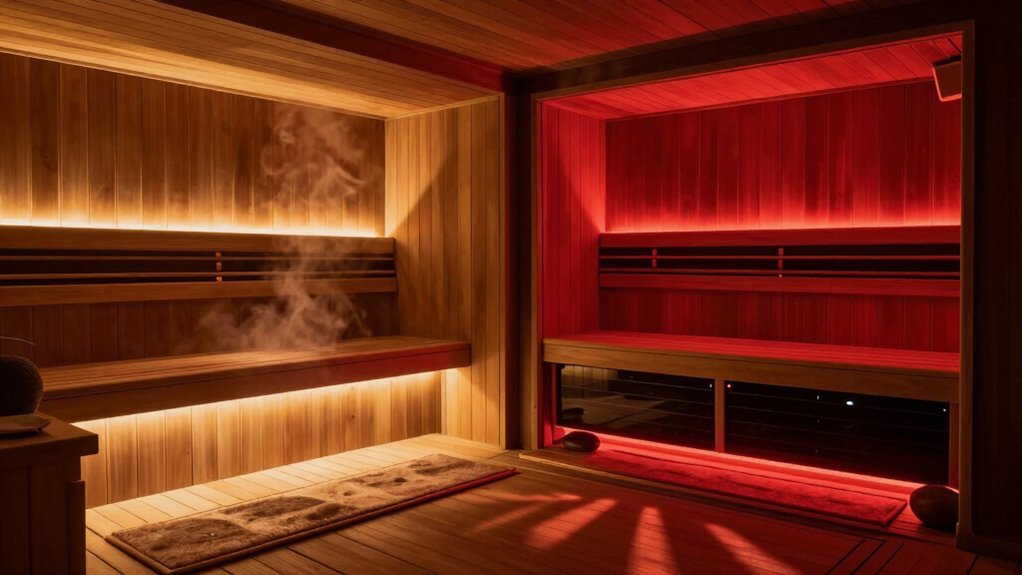
Choosing the right sauna depends on your personal preferences and wellness goals. To figure out which type suits you best, consider your comfort levels with sauna installation and maintenance. Infrared saunas typically require less space and are easier to set up, making installation straightforward. Steam saunas might need more attention to humidity control and proper maintenance to prevent mold. Think about how often you’ll use it and your tolerance for heat and moisture. If you prefer a quick, dry experience, infrared may be better. If you enjoy moist heat, a steam sauna could be more suitable. Assess your lifestyle, space constraints, and willingness to perform regular sauna maintenance. This helps guarantee you choose a sauna that fits your needs and encourages consistent use.
How to Choose the Best Sauna Based on Your Comfort and Goals
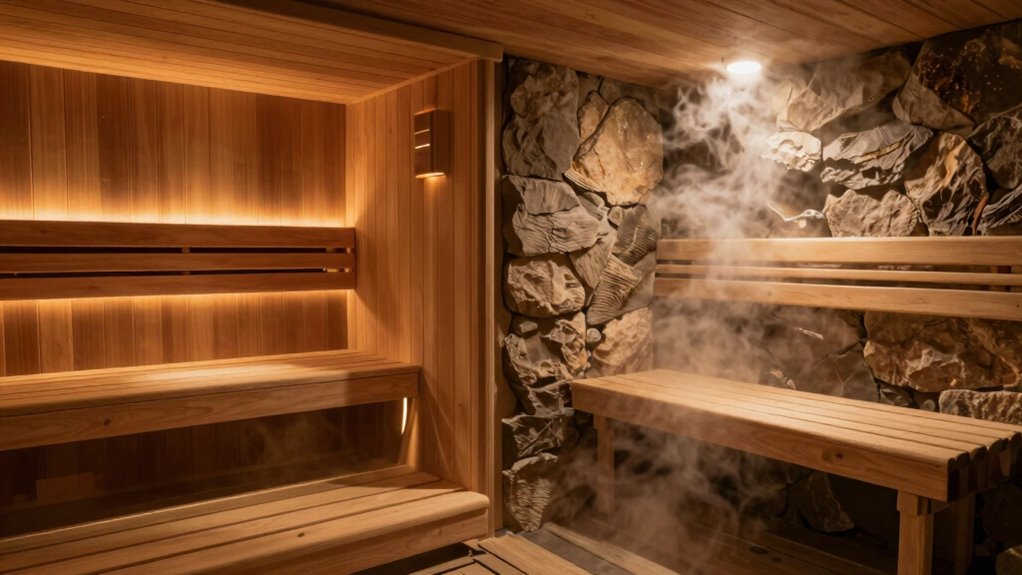
To select the best sauna for your needs, you need to evaluate your comfort preferences and wellness goals carefully. Consider how sauna relaxation feels for you and what level of thermal comfort is ideal. Do you prefer the gentle warmth of an infrared sauna or the intense steam of a traditional setup? Your goals also matter—if detoxification or skin health is your focus, a steam sauna might be better. If pain relief and relaxation are priorities, infrared could suit you more. Keep in mind:
- Temperature tolerance
- Desired duration of sessions
- Sensitivity to humidity
- Specific wellness objectives
Frequently Asked Questions
Can Sauna Type Affect Skin Conditions Differently?
Yes, the sauna type can affect your skin conditions differently. Infrared saunas promote better skin hydration by penetrating deeper into tissues, helping soothe dry or irritated skin. Steam saunas, on the other hand, open pores more effectively, aiding in pore cleansing and removing impurities. Depending on your skin’s needs, choosing the right sauna can improve hydration or enhance pore health, making a noticeable difference in your skin’s overall condition.
Are Infrared or Steam Saunas More Energy-Efficient?
Infrared saunas are generally more energy-efficient because they consume less energy due to lower operating temperatures and quicker heat-up times. Steam saunas use more energy because they require constant water heating and higher temperatures. By choosing an infrared sauna, you reduce energy consumption and lessen your environmental impact. So, if energy efficiency matters to you, infrared options are better aligned with eco-friendly practices and lower utility bills.
How Do Sauna Types Impact Respiratory Health?
You might notice that steam saunas, with their high humidity levels, can cause more respiratory irritation if you’re sensitive or have asthma. Infrared saunas, with lower humidity, are gentler on your lungs and may reduce irritation. Consider your respiratory health when choosing, as high humidity can benefit some but worsen symptoms for others. Always listen to your body and consult a healthcare professional if you have concerns.
Is There a Gender Preference for Infrared or Steam Saunas?
Like a tapestry woven with cultural influences, gender preferences shape sauna choices. You might find that men lean toward the steamy embrace of steam saunas, while women gravitate toward the gentle, soothing heat of infrared. These preferences aren’t just personal—they’re colored by traditions and societal norms. Ultimately, your choice should reflect your comfort, regardless of gender trends, allowing you to enjoy the heat’s healing touch on your own terms.
Do Sauna Choices Influence Long-Term Cardiovascular Health?
Your sauna choices can positively influence long-term cardiovascular health by boosting circulation and reducing stress. Regular use offers mental health benefits like relaxation and improved mood, while detoxification effects help eliminate toxins that strain your heart. Whether you prefer infrared or steam, consistent sessions support heart function and overall wellness. Keep listening to your body, and choose the type that best suits your tolerance, so you enjoy these health benefits safely.
Conclusion
Choose based on your tolerance, your goals, and your lifestyle. Know your limits, understand your needs, and trust your comfort. Whether you prefer the gentle heat of steam or the deep warmth of infrared, prioritize what feels right for you. Listen to your body, weigh the benefits, and make an informed decision. Because the best sauna is the one that fits your health, your habits, and your happiness.