Vibration plates can boost your workouts and help improve muscle strength, balance, and recovery if you’re healthy and enjoy dynamic, quick-result exercises. However, they might not be suitable if you’re pregnant, have blood clots, joint or bone issues, or use electronic implants like pacemakers. To guarantee safety and find out if they fit your needs, explore more detailed guidelines and precautions before jumping in.
Key Takeaways
- Suitable for individuals seeking to improve muscle strength, balance, or recovery through high-frequency vibration exercises.
- Not recommended for pregnant women, people with blood clots, joint issues, or electronic implants without medical consultation.
- Those with heart conditions, osteoporosis, or recent injuries should consult healthcare providers before use.
- Best for users who enjoy dynamic workouts and want to supplement traditional exercise routines.
- Should be avoided by individuals experiencing discomfort, dizziness, or adverse body responses during sessions.
What Are Vibration Plates and How Do They Work?
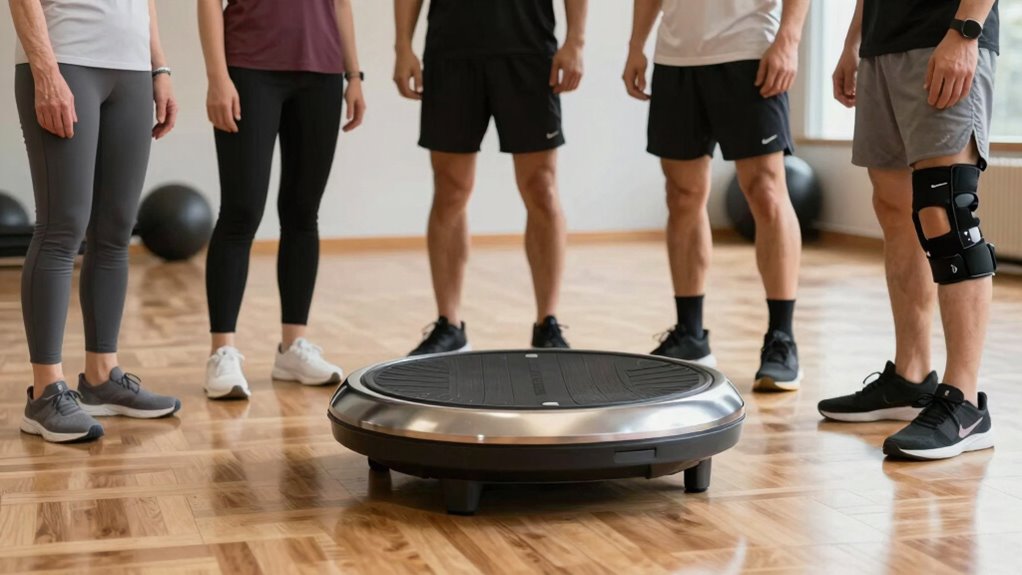
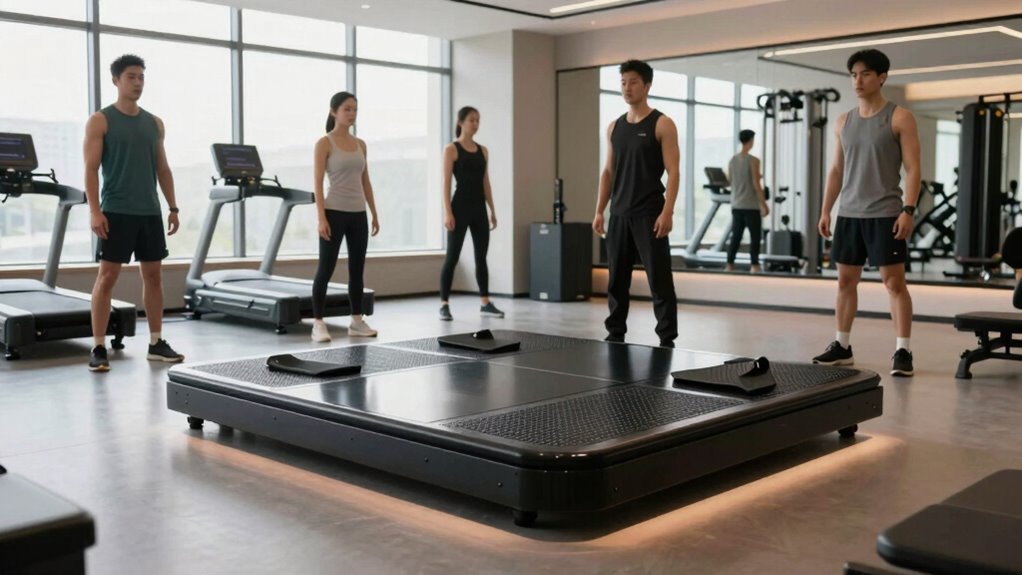
Vibration plates are compact fitness devices that use high-frequency vibrations to stimulate muscles during exercise. When you stand or perform movements on them, these vibrations cause your muscles to contract rapidly, enhancing muscle stimulation. This process activates deep muscle fibers, which can lead to increased strength and endurance over time. Additionally, vibration plates are known for improving balance because the constant micro-adjustments your body makes to stay stable engage stabilizer muscles. By challenging your coordination and proprioception, these devices help sharpen your overall stability. Whether you’re looking to boost muscle tone or develop better balance, vibration plates provide an efficient, low-impact way to enhance your fitness routine through targeted muscle stimulation and balance improvement. They also promote muscle activation techniques, making workouts more effective for muscle engagement.
Are Vibration Plates Right for You? Key Factors to Consider
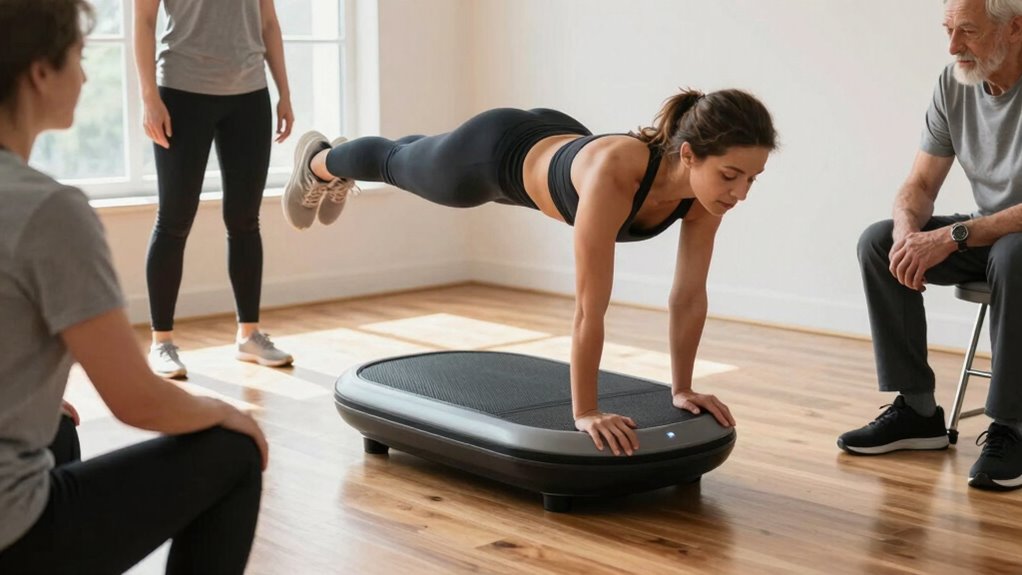
Before deciding if vibration plates are right for you, consider your fitness goals and whether they align with what these machines provide. You should also think about any health concerns that might affect your ability to use them safely. Additionally, reflect on your experience level and personal preferences to ensure this type of workout fits into your routine. Furthermore, understanding the benefits of different workout equipment can help you make an informed decision. Evaluating your ergonomic needs, such as standing comfort and injury prevention, can also influence whether vibration plates are suitable for your exercise regimen. For example, considering the ergonomic design features of various devices can help you select equipment that minimizes strain and enhances safety. Incorporating knowledge about protective styling benefits can also guide you in choosing equipment that supports your overall wellness and activity goals. If you’re interested in other fitness tools, exploring options like electric bikes and their features can broaden your workout possibilities.
Fitness Goals Alignment
Determining if vibration plates align with your fitness goals requires careful consideration of what you want to achieve. If your aim is to improve muscle strength, enhance flexibility, or support recovery, vibration plates can be effective when used consistently and correctly. However, guarantee the machine is properly calibrated to deliver the right frequency and amplitude for your needs. Your motivation plays a key role—staying committed to regular sessions will maximize benefits. If your goals involve significant weight loss or building substantial muscle mass, vibration plates should complement, not replace, traditional workouts. Assess your expectations honestly, and consider whether vibration therapy fits into your overall fitness plan. Incorporating mind-body healing techniques such as yoga can further enhance your progress and overall well-being. Additionally, understanding the types of vibration and their specific applications can help you choose the most suitable equipment for your objectives. Recognizing microplastics in dust and their impact on health can also inform your approach to holistic wellness and safe fitness environments.
Health Considerations Present
Considering your overall health and any medical conditions is essential when deciding if vibration plates are suitable for you. Some medical risks and contraindications might make using vibration plates unsafe. If you have certain health issues, you should be cautious. Here are key factors to evaluate:
- If you’re pregnant or have a history of blood clots, vibration plates may pose risks.
- People with joint, bone, or cartilage problems should consult a healthcare professional, as high-impact vibrations could worsen their condition.
- Those with pacemakers or other electronic implants might experience interference, increasing medical risks.
- The contrast ratio of a device can also impact your overall safety and experience, especially if visual cues are necessary for balance or orientation during use.
- Additionally, understanding medical contraindications can help prevent adverse effects during use.
Always check with your doctor before starting vibration plate exercises, especially if you have underlying health concerns or are unsure about contraindications.
Experience and Preference
Your experience with vibration plates can vary greatly depending on your personal preference and past experience. If you enjoy dynamic workouts and quick results, you might find vibration plates motivating and effective. Conversely, if you prefer low-impact exercises or have limited mobility, they may not suit your style. Reflect on your past experience with similar equipment or routines—have you enjoyed vibration-based workouts before? Your comfort level and enjoyment are key factors in determining if these machines are right for you. Some people find vibration plates energizing, while others feel uneasy or unmotivated. Understanding your personal preference helps you decide whether to incorporate vibration plates into your fitness routine or skip them altogether. Additionally, considering the impact levels of different workout equipment can help you choose options that align with your physical needs. Exploring personality traits related to exercise preferences can also provide insight into what motivates you. Recognizing your energetic alignment with particular workout styles can further improve your overall experience. Furthermore, being aware of your individual response to vibration can help you tailor your approach for better results. Ultimately, choosing based on your experience and goals ensures a more satisfying, sustainable workout.
How to Tell If Vibration Plates Are Safe for Your Health
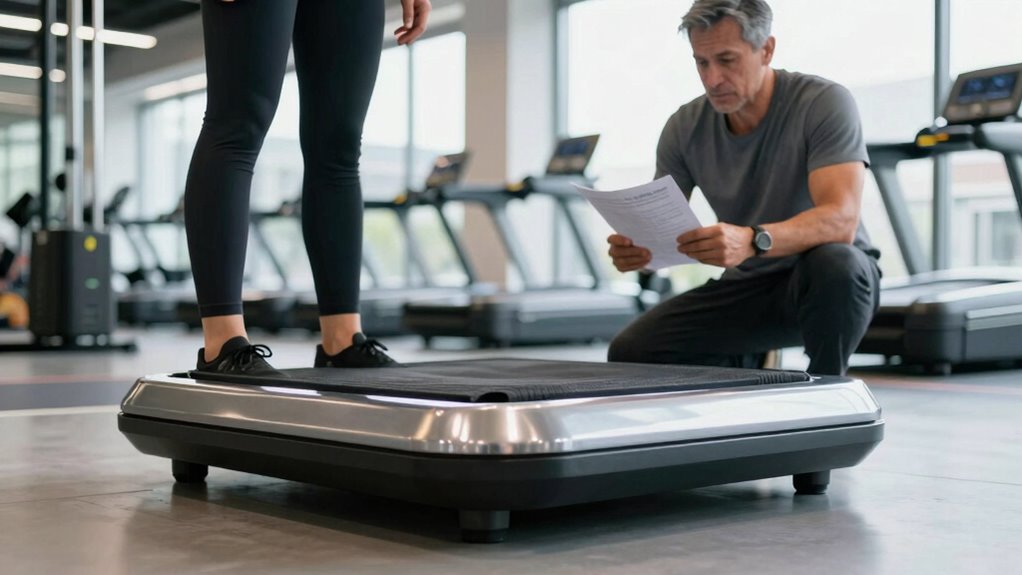
To guarantee vibration plates are safe for your health, start by consulting your healthcare provider before using them. Keep an eye on how your body responds during and after sessions, and always follow the manufacturer’s safety instructions. This approach helps you stay informed and reduces potential risks. Additionally, be aware of solar system safety considerations, such as proper installation and maintenance, to ensure overall safety during use. Recognizing regulatory standards can also help you select equipment that meets safety requirements. Familiarizing yourself with accessibility features can further support safe and comfortable use for individuals with specific needs, especially when considering workplace safety guidelines for equipment use. Understanding balancing budgeting can help you make cost-effective choices without compromising safety features.
Consult Healthcare Providers
Before starting to use vibration plates, it’s essential to consult healthcare providers to verify they’re safe for your specific health conditions. This helps identify any medical contraindications and explore suitable alternative therapies if needed. Your doctor can assess your medical history and current health status to prevent adverse effects. Additionally, understanding the safety guidelines for vibration plates can help you make informed decisions about their use. Being aware of personal health considerations ensures that you use vibration plates responsibly and effectively. Recognizing individual medical conditions can further prevent potential risks associated with vibration therapy. Consulting a healthcare professional can also help you determine the appropriate intensity and duration of vibration plate sessions based on your health profile. Moreover, being informed about contraindications can help you avoid harmful effects and tailor your vibration therapy safely.
Monitor Physical Responses
Monitoring how your body responds during vibration plate sessions is crucial to ensuring safety. Pay attention to muscle engagement—if you notice excessive trembling or discomfort, it may indicate overexertion or improper use. Keep track of your energy expenditure; if you feel unusually fatigued or experience dizziness, it’s a sign to stop immediately. Notice any pain, numbness, or tingling, which could signal strain or nerve issues. Your breathing should stay even and controlled; rapid or irregular breathing suggests you might be pushing too hard. Regularly assess how you feel during and after sessions. By staying attentive to these physical responses, you help guarantee vibration training remains safe and effective for your health.
Follow Manufacturer Guidelines
Following manufacturer guidelines is crucial to guarantee your vibration plate workout remains safe. Always review the manufacturer instructions carefully before starting. These instructions provide essential information about the recommended duration, frequency, and intensity tailored to your specific product features. Ignoring these guidelines can lead to overuse or misuse, increasing injury risk. To ensure safety:
- Read the product manual thoroughly to understand the device’s capabilities and limits.
- Follow suggested workout durations and intensity levels based on your fitness level.
- Pay attention to any warnings or contraindications related to your health conditions.
Do You Need a Doctor’s Advice Before Trying Vibration Plates?
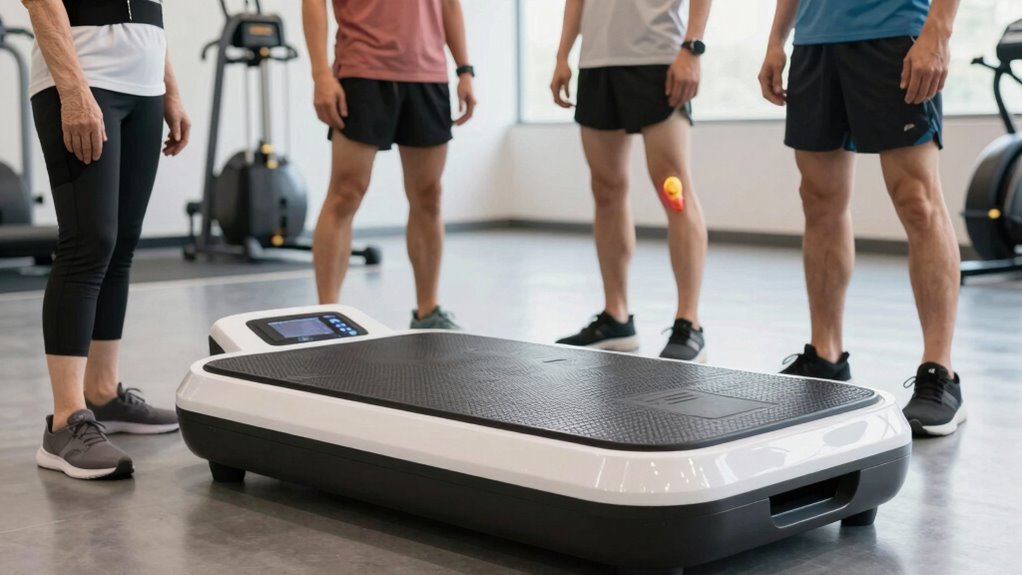
While vibration plates can offer benefits like improved muscle tone and circulation, it’s important to consult a healthcare professional before trying them, especially if you have existing health conditions. Medical warnings and contraindications awareness are key to safe use. If you have heart issues, joint problems, or are pregnant, a doctor’s advice is essential. They can assess whether vibration therapy is suitable for you. Here’s a quick overview:
| Condition | Medical Warning | Recommended Action |
|---|---|---|
| Heart disease | May worsen symptoms | Seek doctor’s approval |
| Pregnancy | Potential risks | Consult your OB/GYN |
| Joint issues | Exacerbation possible | Get medical clearance |
| Pacemaker | Interference concerns | Avoid use |
| High blood pressure | Blood pressure spikes risk | Discuss with healthcare provider |
Always prioritize safety and professional guidance.
Common Myths About Vibration Plates Debunked
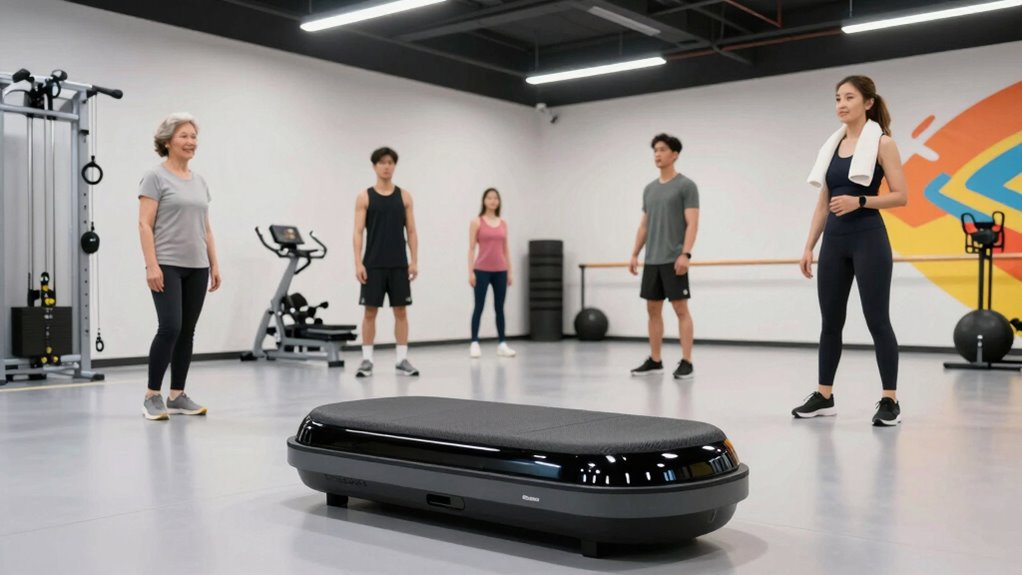
Many people believe vibration plates are a quick fix for fitness, but several common myths about their effectiveness and safety persist. Doing some myth busting can help you make informed decisions.
Many believe vibration plates are a quick fix, but understanding myths helps you use them safely and effectively.
- Myth: Vibration plates burn fat instantly. In reality, they can complement your workout but aren’t magic solutions.
- Myth: They’re unsafe for everyone. Safety concerns are often exaggerated; if you have health issues, consult a doctor first.
- Myth: You don’t need to exercise if you use a vibration plate. Simply standing isn’t enough; it should be part of a balanced routine.
Understanding these myths helps you avoid false hope and safety pitfalls, ensuring you use vibration plates effectively and responsibly.
How to Use Vibration Plates Safely in Your Fitness Routine
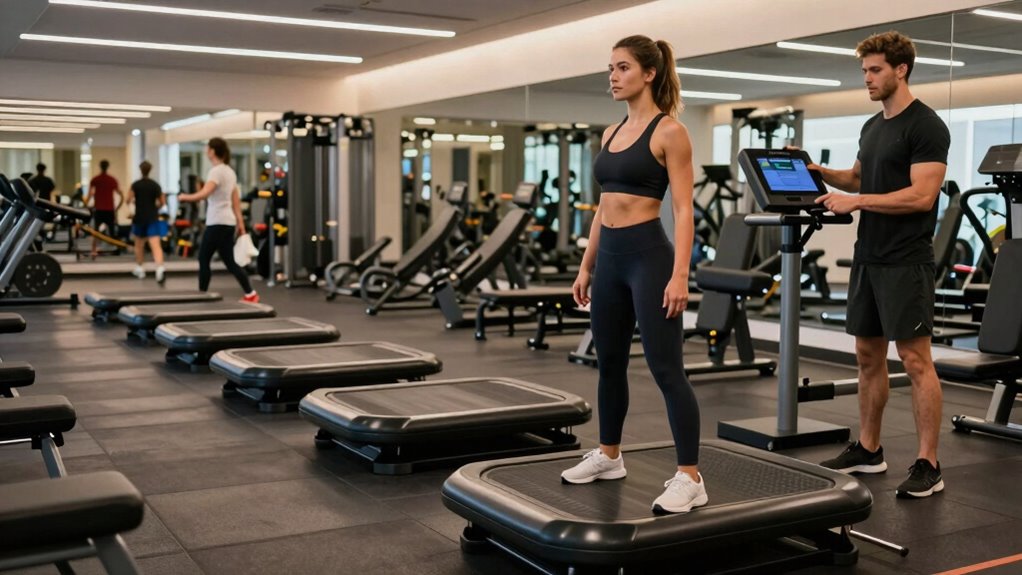
To use vibration plates safely, it is essential to start with clear guidelines and listen to your body. Always wear proper footwear to guarantee stability and protect your joints during sessions. Avoid slippery or unsupportive shoes that could cause falls or injuries. Keep yourself well-hydrated by drinking water before, during, and after use, as vibration exercises can lead to dehydration and muscle fatigue. Pay attention to your comfort level; if you feel dizzy, tingling, or pain, stop immediately and adjust the intensity or duration. Follow manufacturer instructions for setup and use, starting with shorter sessions and lower settings. Incorporate hydration tips and proper footwear into your routine to maximize safety and effectiveness while minimizing risks.
Frequently Asked Questions
Can Vibration Plates Help With Specific Medical Conditions?
Vibration plates can assist with specific medical conditions, but you should be cautious due to potential medical contraindications. Consult your healthcare provider to verify they’re appropriate for your therapy applications. They may help improve circulation, muscle strength, and balance, but aren’t suitable for everyone. If you have health issues like blood clots or joint problems, it’s best to avoid using vibration plates until your doctor approves.
How Often Should I Use Vibration Plates for Optimal Results?
You should use vibration plates 2 to 3 times a week to maximize benefits without risking safety. This frequency helps improve muscle strength, circulation, and flexibility while allowing your body time to recover. Always follow safety precautions, like starting with shorter sessions and gradually increasing duration. If you experience discomfort, stop and consult a healthcare professional. Consistent use with proper precautions yields the best results.
Are Vibration Plates Suitable for Elderly or Disabled Individuals?
Imagine a gentle breeze guiding you—vibration plates can be suitable for elderly or disabled individuals if safety is prioritized. Always consult with a healthcare professional first, especially considering elderly safety and disability concerns. If cleared, start with low settings and short sessions. However, if you experience discomfort, dizziness, or pain, stop immediately. Vibration therapy offers benefits but must be tailored to your specific health needs.
What Are the Long-Term Effects of Using Vibration Plates Regularly?
Using vibration plates regularly can lead to muscle adaptation, helping you build strength over time. However, if you overuse them, you might experience joint strain, which could cause discomfort or injury. It’s important to start slowly and listen to your body. Long-term, proper use can improve muscle tone and balance, but neglecting caution may lead to negative effects like joint issues. Always consult a professional if unsure.
Do Vibration Plates Replace Traditional Exercise Routines Effectively?
Vibration plates can boost muscle activation by up to 50%, but they shouldn’t replace traditional exercise routines entirely. While they help with fat reduction and improve strength, they lack the cardiovascular benefits and variety of movements that come with regular workouts. For best results, use vibration plates as a supplement, not a substitute, to maximize muscle engagement and fat loss while maintaining overall fitness.
Conclusion
Before jumping on a vibration plate, remember that while some believe they can replace traditional workouts, research shows they work best as a supplement, not a substitute. Always listen to your body and consult a healthcare professional if you have health concerns. While myths suggest vibration plates can drastically transform your fitness overnight, consistency and proper use are key. Approach with realistic expectations, and you’ll maximize their benefits safely and effectively.