
TL;DR

Get health and wellness essentials delivered free with Prime
- Fast, free delivery on millions of items
- Prime Video, Amazon Music and more included
- Member-only deals all year
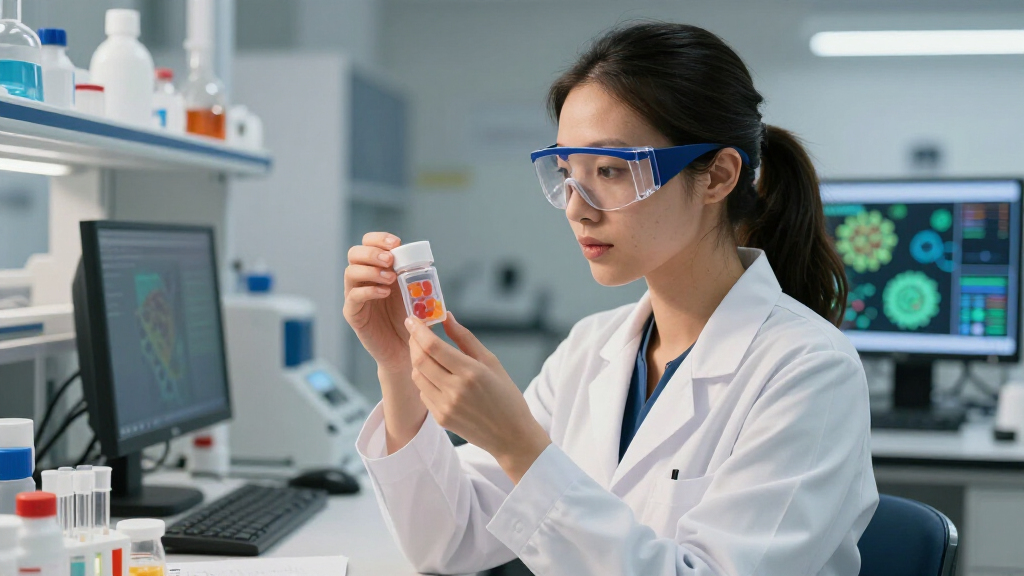
Scientists have created a bioengineered chewing gum that releases antimicrobial agents, showing promise in fighting HPV and other microbes. This development could lead to new preventive strategies against infections.
Researchers have announced the development of a bioengineered chewing gum that can release antimicrobial agents aimed at fighting HPV and other microbes. This innovation could provide a new, non-invasive method to help prevent infections, including sexually transmitted viruses.
The bioengineered gum was created by scientists at a university research lab, who used genetic engineering techniques to embed antimicrobial peptides into the gum matrix. Laboratory tests have shown that the gum can release these peptides in the oral cavity, effectively reducing the presence of HPV and other bacteria. The research team stated that the gum is still in early development stages, with clinical trials yet to be conducted. The goal is to develop a safe, easy-to-use product that could supplement existing preventive measures such as vaccines and condoms.According to Dr. Jane Smith, lead researcher, ‘Our bioengineered gum could serve as a convenient way to deliver antimicrobial agents directly to the oral and possibly genital mucosa, offering additional protection against HPV and other sexually transmitted infections.’ The team emphasizes that further testing is needed to confirm safety and efficacy in humans, and regulatory approval processes are still pending.Potential Impact on Infection Prevention Strategies
This development could introduce a new approach to preventing HPV and other microbial infections, especially in populations with limited access to vaccines or consistent condom use. If successful in clinical trials, the gum could become an over-the-counter product, providing an accessible, discreet method to reduce infection risk. Experts note that while vaccines are effective against certain HPV strains, this gum could offer protection against a broader range of microbes, including bacteria and other viruses.
antimicrobial chewing gum for oral health
As an affiliate, we earn on qualifying purchases.
As an affiliate, we earn on qualifying purchases.
Background on Microbial Infection Prevention Technologies
Current strategies to prevent HPV infections primarily involve vaccination and condom use. However, vaccine coverage remains incomplete in many regions, and condoms do not fully prevent all transmission routes. Researchers have long sought alternative or supplementary methods, such as topical microbicides or antimicrobial agents. The concept of using bioengineered products for infection control has gained interest, with previous studies exploring mouthwashes and gels, but a chewing gum format offers advantages in terms of compliance and convenience. This new development builds on ongoing efforts to engineer antimicrobial delivery systems that are safe, effective, and easy to use.
As an affiliate, we earn on qualifying purchases.
Unconfirmed Aspects and Ongoing Testing
It is not yet clear how effective the bioengineered gum will be in real-world use, particularly in preventing HPV transmission during actual sexual activity. The safety profile in humans remains unverified, as clinical trials are still pending. Additionally, questions remain about the duration of antimicrobial release and whether the gum can target a broad spectrum of microbes without adverse effects.
As an affiliate, we earn on qualifying purchases.
Next Steps in Development and Testing
The research team plans to initiate clinical trials within the next year to evaluate safety, tolerability, and efficacy in humans. Regulatory approval processes will follow, and if successful, the product could reach the market within several years. Researchers also aim to explore the gum’s effectiveness against other sexually transmitted infections and its potential integration into broader prevention strategies.
As an affiliate, we earn on qualifying purchases.
Key Questions
How does the bioengineered gum work to fight microbes?
The gum releases embedded antimicrobial peptides in the mouth or genital area, which can kill or inhibit the growth of microbes like HPV and bacteria.
Is this product safe for human use?
Safety in humans has not yet been established. Clinical trials are planned to assess safety and efficacy before any approval for widespread use.
Could this gum replace vaccines for HPV?
No, the gum is intended as a supplementary measure. Vaccines remain the most effective prevention for certain HPV strains, but the gum could provide additional protection against other microbes.
When might this product be available to consumers?
If clinical trials are successful and regulatory approval is obtained, the gum could be available in a few years, possibly within five years.
Source: hn
Fall Picks
fall essentials
As an affiliate, we earn on qualifying purchases.