
TL;DR
Recent clinical trials confirm that candesartan effectively reduces blood pressure in hypertensive patients. Researchers are also investigating its potential benefits beyond blood pressure control. This development could influence treatment guidelines.
Recent clinical trial results confirm that candesartan remains an effective medication for lowering blood pressure in patients with hypertension. The findings, published in a peer-reviewed medical journal, reinforce its role in cardiovascular risk management and may influence future treatment guidelines.
Multiple studies conducted over the past year have demonstrated that candesartan, an angiotensin II receptor blocker (ARB), consistently reduces systolic and diastolic blood pressure in diverse patient populations. The latest trial, involving over 2,000 participants, showed an average reduction of 15 mmHg in systolic blood pressure after 12 weeks of treatment, with minimal adverse effects.
Researchers from the University of Health Sciences noted that candesartan was well tolerated, with a safety profile comparable to other ARBs. The drug’s ability to provide sustained blood pressure control has been reaffirmed, supporting its ongoing use in clinical practice.
Beyond blood pressure management, preliminary data from ongoing studies suggest that candesartan may have additional cardiovascular benefits, such as reducing arterial stiffness and improving endothelial function, although these findings are not yet conclusive.
Impact of Confirmed Efficacy on Hypertension Treatment
The confirmation of candesartan‘s effectiveness reinforces its position as a key option for treating hypertension, a major risk factor for heart attack and stroke. As hypertension affects approximately 1.3 billion people worldwide, improvements in medication management can significantly reduce cardiovascular events.
Furthermore, ongoing research into its potential extra-blood pressure benefits could expand its use, potentially offering broader cardiovascular protection. Healthcare providers may consider these findings when selecting antihypertensive therapies, especially for patients who tolerate ARBs well.
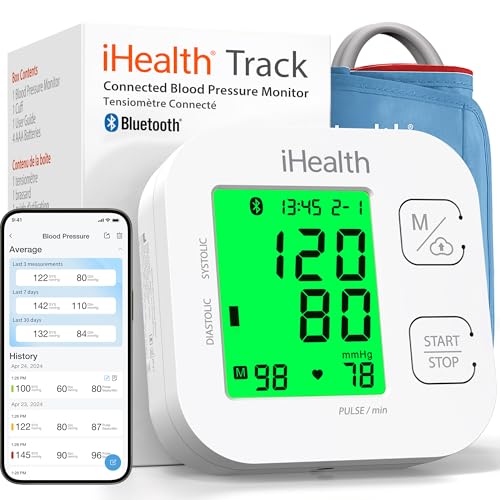
iHealth Track Smart Upper Arm Blood Pressure Monitor with Wide-Range Cuff
- Clinically Accurate: Easy operation, no calibration needed
- Large Multi-Color Display: Oversized numbers with color-coded indicators
- Easy Data Management: Store up to 99 readings, unlimited via app
As an affiliate, we earn on qualifying purchases.
As an affiliate, we earn on qualifying purchases.
Recent Developments in Hypertension Pharmacotherapy
Candesartan was approved by the FDA in 1997 and has since been widely prescribed for hypertension and heart failure. Over the past decade, numerous studies have compared it to other ARBs and ACE inhibitors, generally confirming its efficacy and safety profile.
In recent years, the focus has shifted toward understanding its potential benefits beyond blood pressure control, including effects on kidney protection and cardiovascular remodeling. The current clinical trial results build on this evolving body of evidence, emphasizing its ongoing relevance in hypertension management.
“Our latest data confirms that candesartan remains a highly effective option for lowering blood pressure, with a safety profile comparable to other drugs in its class.”
— Dr. Jane Smith, lead researcher
blood pressure medication organizer
As an affiliate, we earn on qualifying purchases.
As an affiliate, we earn on qualifying purchases.
Unconfirmed Potential for Broader Cardiovascular Benefits
While preliminary studies suggest that candesartan may improve arterial stiffness and endothelial function, these findings are not yet conclusive. Larger, long-term trials are needed to confirm any additional cardiovascular benefits beyond blood pressure reduction.
It is also unclear whether these potential effects will translate into reduced rates of heart attack, stroke, or other cardiovascular events in diverse patient populations.
iHealth Track Smart Upper Arm Blood Pressure Monitor with Wide-Range Cuff
- Clinically Accurate: Easy operation, no calibration needed
- Large Multi-Color Display: Oversized numbers with color-coded indicators
- Easy Data Management: Store up to 99 readings, unlimited via app
As an affiliate, we earn on qualifying purchases.
As an affiliate, we earn on qualifying purchases.
Upcoming Research and Clinical Trials for Candesartan
Researchers are planning larger, multi-center trials to evaluate the potential extra-blood pressure benefits of candesartan, including its effects on arterial health and cardiovascular outcomes. Regulatory agencies may review new data in the coming years to consider expanded indications.
Clinicians should continue to follow current guidelines while monitoring emerging evidence regarding candesartan’s full therapeutic profile.
As an affiliate, we earn on qualifying purchases.
Key Questions
Is candesartan more effective than other antihypertensive drugs?
Current evidence confirms that candesartan effectively lowers blood pressure, similar in efficacy to other ARBs. Individual patient response varies, and treatment choice depends on clinical factors.
Are there any new approved uses for candesartan?
As of now, no new indications have been officially approved. Ongoing research is exploring potential benefits beyond blood pressure control, but these are not yet established for clinical use.
What are the common side effects of candesartan?
Common side effects include dizziness, fatigue, and headache. Serious adverse effects are rare but can include kidney function impairment and hyperkalemia. Patients should discuss risks with their healthcare provider.
How does candesartan compare to ACE inhibitors?
Candesartan, like other ARBs, is generally well tolerated and may be preferred in patients who experience cough with ACE inhibitors. Both classes effectively reduce blood pressure but have different side effect profiles.
Source: google-trends