
TL;DR
Open a free Amazon Business account
Business pricing, bulk buying and tax-exempt orders.
Create a free accountAs an affiliate, we earn on qualifying purchases.
The U.S. Food and Drug Administration has approved the first wearable device capable of simultaneously monitoring ketone and blood sugar levels in real-time. This advancement could improve management for diabetics and ketogenic diet followers. Details about its availability and long-term accuracy are still emerging.
The U.S. Food and Drug Administration (FDA) has approved the first wearable device that can simultaneously monitor ketone and blood sugar levels in real time. This device aims to improve management options for individuals with diabetes and those on ketogenic diets, offering continuous health data without the need for invasive testing. The approval signals a major milestone in wearable health technology and personalized health monitoring.
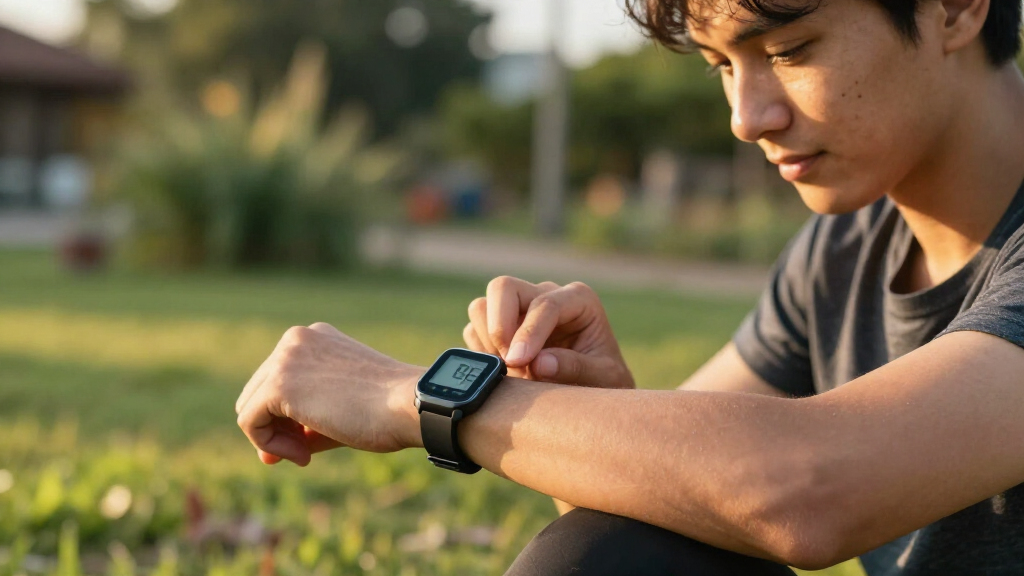
The device, developed by a biotech company specializing in biosensor technology, uses non-invasive sensors embedded in a wristband to measure ketones and glucose levels through the skin. According to the FDA, the device provides real-time data that can be transmitted to a smartphone app, allowing users and healthcare providers to track trends and make informed decisions. The approval was based on clinical trials involving over 500 participants, demonstrating the device’s safety and accuracy in measuring both biomarkers.
Manufacturers have indicated that the device can be used continuously for up to 14 days on a single charge. It is designed primarily for people managing diabetes, particularly type 1 and type 2, and for those following ketogenic diets who need to monitor their ketone levels to prevent ketoacidosis or ensure dietary compliance. The FDA’s authorization permits the device to be marketed and sold in the United States, with plans for broader distribution pending further regulatory review.
Impact on Diabetes and Ketogenic Diet Management
This approval introduces a new level of convenience and precision in health monitoring for millions of Americans. For individuals with diabetes, continuous monitoring of blood glucose has been a standard, but the addition of ketone tracking offers a broader picture of metabolic health, especially during illness or periods of dietary change. For ketogenic diet followers, it provides a reliable way to prevent ketoacidosis, a potentially dangerous condition caused by high ketone levels. The device’s ability to deliver real-time data could lead to better disease management, reduced hospital visits, and improved quality of life.
Furthermore, this development may stimulate innovation in wearable biosensors and encourage more regulatory approval of similar devices, potentially transforming chronic disease management and personalized health care. Experts suggest that the integration of multiple biomarkers into a single wearable device could pave the way for more comprehensive health tracking in the future.
wearable ketone and blood sugar monitor
As an affiliate, we earn on qualifying purchases.
As an affiliate, we earn on qualifying purchases.
Background on Biomarker Monitoring Devices
Continuous glucose monitors (CGMs) have been available for several years, revolutionizing diabetes management by providing real-time blood sugar data. However, devices that monitor other metabolic markers, such as ketones, have been limited and often invasive or require blood draws. Recent advances in biosensor technology have made non-invasive measurement more feasible, leading to prototypes and smaller-scale devices under development.
The FDA’s approval of this device marks the first recognition of a wearable capable of tracking both ketones and glucose simultaneously. Previous efforts focused mainly on invasive methods or single biomarker monitoring. The new device builds on ongoing research into non-invasive sensors and aims to fill a significant gap in continuous health monitoring for at-risk populations.
“This is a significant step forward in wearable health technology, providing patients and clinicians with real-time, actionable data for managing metabolic health.”
— Dr. Lisa Chen, FDA Medical Devices Director
non-invasive glucose and ketone sensor wristband
As an affiliate, we earn on qualifying purchases.
As an affiliate, we earn on qualifying purchases.
Unanswered Questions About Device Performance and Accessibility
While the FDA has approved the device based on clinical trials, questions remain about its long-term accuracy, durability, and performance in diverse populations. It is not yet clear how the device compares to traditional invasive methods over extended periods or in real-world settings. Additionally, details about the device’s cost, insurance coverage, and availability to the wider public are still pending. Experts note that further studies are needed to confirm its efficacy outside controlled trial environments.
continuous metabolic health tracker
As an affiliate, we earn on qualifying purchases.
As an affiliate, we earn on qualifying purchases.
Next Steps for Deployment and Consumer Adoption
The manufacturer plans to initiate broader commercial distribution over the coming months, with initial availability targeted at high-risk patient groups. Healthcare providers are expected to begin integrating the device into clinical practice, especially for diabetes management. Regulatory agencies and the manufacturer will continue monitoring post-market performance, and further studies may be conducted to assess long-term safety and effectiveness. Consumer feedback and real-world data will likely influence future updates and improvements.
FDA approved wearable diabetes monitor
As an affiliate, we earn on qualifying purchases.
As an affiliate, we earn on qualifying purchases.
Key Questions
How does the wearable device measure ketone and blood sugar levels without invasive testing?
The device uses advanced biosensors embedded in a wristband that analyze skin interstitial fluid to estimate ketone and glucose levels, eliminating the need for finger-prick blood tests.
Who is eligible to use this device?
The device is primarily designed for individuals with diabetes and those following ketogenic diets, but availability and specific eligibility criteria will depend on healthcare provider recommendations and insurance coverage.
When will the device be available for purchase?
The manufacturer plans to begin commercial rollout within the next few months, starting with select markets and patient groups, with wider availability expected later this year.
What are the potential limitations of this device?
Potential limitations include questions about long-term accuracy, performance in different skin types, and how it compares to traditional blood tests. Cost and insurance coverage are also still being determined.
Will this device replace traditional blood tests?
While it offers continuous, non-invasive monitoring, it is unlikely to fully replace traditional blood tests but rather serve as a supplementary tool for ongoing health management.
Source: hn
NFL season / tailgating Picks
team gear
As an affiliate, we earn on qualifying purchases.