
TL;DR

Get health and wellness essentials delivered free with Prime
- Fast, free delivery on millions of items
- Prime Video, Amazon Music and more included
- Member-only deals all year
The cyclospora outbreak linked to contaminated produce is decreasing, but health authorities recommend continued caution. Experts say it is generally safe to eat fresh produce if proper hygiene is maintained, though some uncertainties remain.
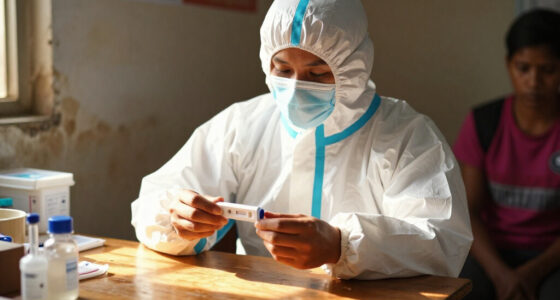
Health officials have announced that the recent cyclospora outbreak linked to contaminated lettuce and other fresh produce is waning, with new cases decreasing significantly. For more details, see the Taylor Farms Lettuce Cyclospora Outbreak update. Despite the decline, experts advise consumers to exercise caution before resuming regular consumption of raw vegetables. This development is important because it affects public health guidance and consumer habits amid ongoing concerns about food safety.
According to the Centers for Disease Control and Prevention (CDC), the number of reported cyclospora infections has dropped by over 50% in the past month, indicating that the outbreak is coming under control. The outbreak was initially traced to contaminated lettuce and other fresh produce distributed across multiple states, highlighting the importance of proper food safety practices. Food safety authorities have identified specific farms and distribution channels involved, and recalls were issued for affected products.
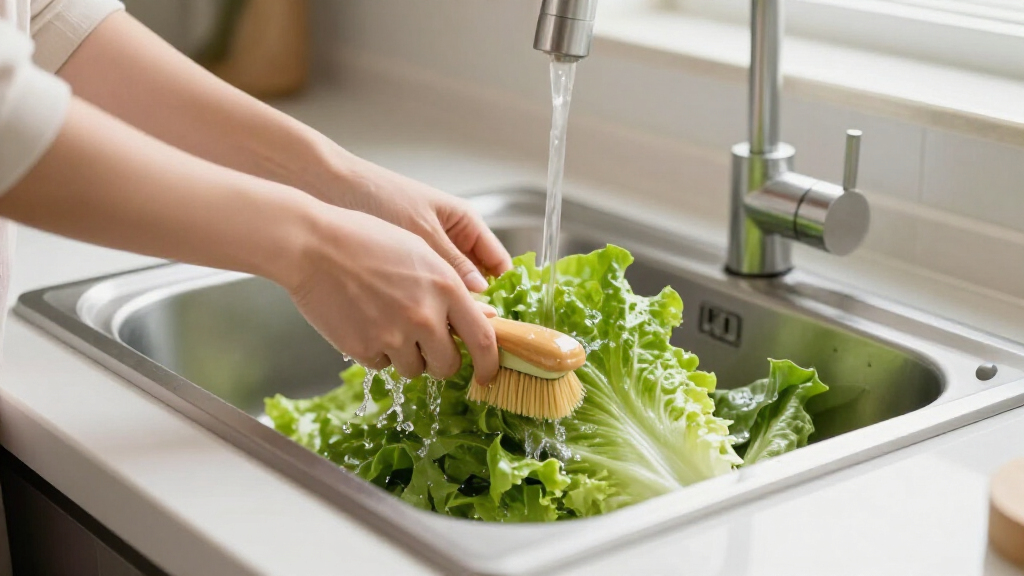
Health officials emphasize that while the outbreak appears to be subsiding, proper hygiene and food handling remain critical. The CDC recommends washing all fresh produce thoroughly under running water, even if it is pre-washed or packaged. No new widespread cases have been reported in recent weeks, but isolated cases continue to be investigated.
Experts note that cyclospora is a parasite that causes gastrointestinal illness, typically transmitted through contaminated food or water. The incubation period is usually 7-14 days, and symptoms include diarrhea, stomach cramps, and nausea. Consumers are advised to wash all fresh produce thoroughly to reduce risk. While most cases recover fully with treatment, vulnerable populations such as the immunocompromised may experience more severe illness.
Why the Decline of the Outbreak Still Requires Caution
The decline in reported cyclospora cases suggests that the outbreak is nearing resolution, which could lead to relaxed consumer behaviors. However, health authorities warn that the risk of contamination has not been entirely eliminated. Continued vigilance in food handling and hygiene practices is essential to prevent a resurgence. This situation underscores the importance of ongoing food safety measures and public awareness to protect vulnerable populations from infection.
As an affiliate, we earn on qualifying purchases.
Background on the Cyclospora Outbreak and Food Safety Measures
The current cyclospora outbreak began several months ago, with initial cases linked to contaminated lettuce distributed in multiple states. The CDC and USDA coordinated investigations, leading to recalls and increased testing of produce suppliers. Historically, cyclospora outbreaks have been associated with imported produce, but recent episodes have highlighted vulnerabilities in domestic supply chains as well. Authorities have emphasized the importance of consumer education on proper produce washing and handling to prevent infection.
food safety gloves for handling vegetables
As an affiliate, we earn on qualifying purchases.
As an affiliate, we earn on qualifying purchases.
Remaining Risks and Unanswered Questions About Food Safety
It is not yet clear if the outbreak has been completely contained or if isolated cases might still emerge. Authorities continue to investigate potential sources of residual contamination, and there is uncertainty about whether all affected farms have been identified. Additionally, the long-term effectiveness of safety measures implemented remains to be seen. Consumers are advised to remain cautious until official assurances are provided.
As an affiliate, we earn on qualifying purchases.
Monitoring, Testing, and Consumer Guidance Moving Forward
Health agencies will continue surveillance for new cases and conduct testing on produce supplies. They are expected to update the public on the status of the outbreak in the coming weeks. Consumers should follow ongoing advisories, including thorough washing of produce and staying informed about product recalls. The focus will be on preventing future outbreaks through improved safety protocols and public education.
As an affiliate, we earn on qualifying purchases.
Key Questions
Is it safe to eat lettuce now that the outbreak is declining?
According to health officials, it is generally safe to eat lettuce and other fresh produce if proper washing and hygiene practices are followed. However, consumers should stay informed about any new recalls or safety advisories issued by authorities.
What precautions should I take when handling fresh produce?
Wash all fresh produce thoroughly under running water, even if pre-washed or packaged. Keep produce separate from raw meats and clean cutting boards and utensils after use. These steps help reduce the risk of infection from cyclospora and other pathogens.
Could the outbreak return after it appears to be waning?
Yes, there is a possibility of residual contamination leading to new cases. Authorities continue to monitor the situation and recommend ongoing vigilance in food handling and hygiene practices.
Are imported or domestic produce more at risk?
Historically, imported produce has been associated with cyclospora outbreaks, but recent cases have involved domestic sources as well. Food safety protocols aim to mitigate risks across all supply chains.
How long does it take to recover from a cyclospora infection?
Most people recover fully within a few days to weeks with appropriate treatment, but dehydration and severe symptoms can occur, especially in vulnerable populations. Seek medical advice if symptoms persist.
Source: rss
Halloween Picks
halloween
As an affiliate, we earn on qualifying purchases.