
TL;DR

Get health and wellness essentials delivered free with Prime
- Fast, free delivery on millions of items
- Prime Video, Amazon Music and more included
- Member-only deals all year
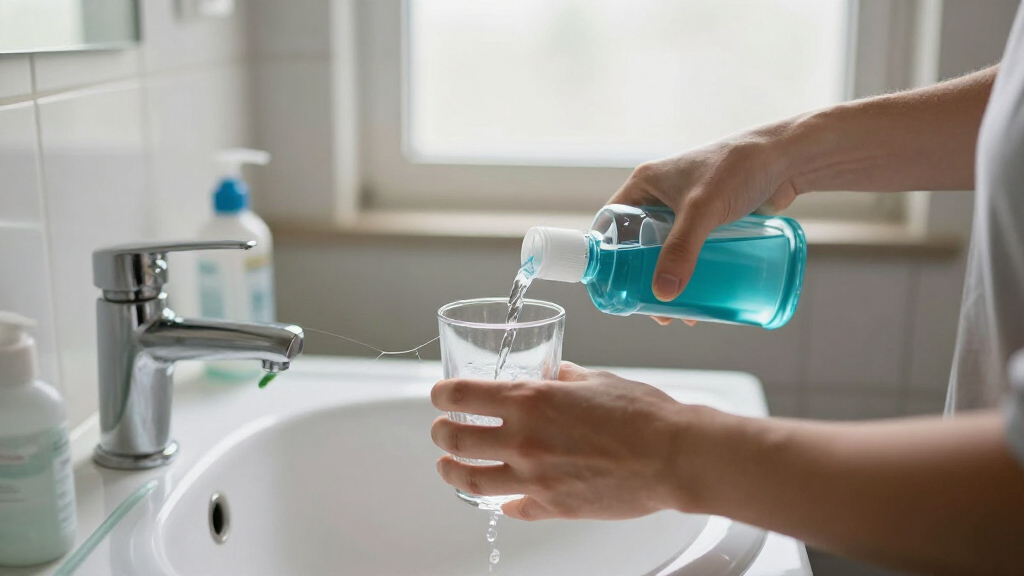
New research suggests that some mouthwashes may negatively impact oral microbiomes, but definitive conclusions are still pending. This raises questions about routine use and safety.
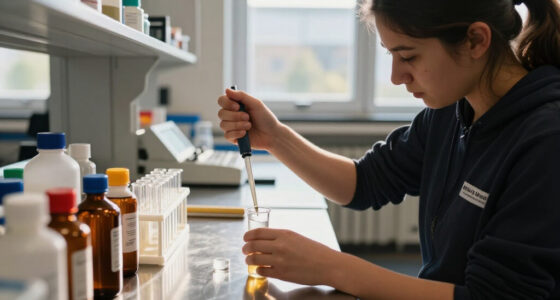
Recent scientific investigations have raised questions about the safety of using mouthwash regularly, with some studies indicating potential negative effects on oral microbiomes. Dental health experts and researchers are now examining whether certain ingredients in mouthwashes could harm oral tissues or disrupt beneficial bacteria, which could impact overall oral health. This development matters because mouthwash is widely used as part of daily oral hygiene routines, and any potential risks could influence recommendations from dental professionals.
Multiple recent studies have explored the impact of mouthwash, especially those containing alcohol and antiseptics, on the oral microbiome—the community of bacteria residing in the mouth. Some research suggests that these ingredients might kill not only harmful bacteria but also beneficial ones, potentially leading to imbalances that could increase susceptibility to infections or other dental issues.
Dental professionals emphasize that mouthwash has traditionally been promoted for its ability to reduce plaque, freshen breath, and prevent cavities. However, recent findings have prompted calls for more nuanced guidance, particularly regarding long-term use and specific formulations. The American Dental Association (ADA) states that mouthwash can be a useful adjunct to brushing and flossing but advises consumers to select products carefully, especially those with high alcohol content or strong antiseptics.
While some studies are preliminary and have not yet established a direct causal link between mouthwash use and adverse oral health outcomes, the debate underscores the need for further research. Experts warn that indiscriminate or excessive use could potentially disrupt the natural microbial balance, which is crucial for maintaining oral health and preventing disease.
Implications of Mouthwash Use on Oral Microbiomes
This development is significant because it questions the safety of a common oral hygiene product used by millions worldwide. If certain mouthwashes are found to disturb beneficial bacteria, it could lead to increased risks of oral infections, gum disease, or even systemic health issues linked to oral bacteria imbalance. Dental health guidelines may need updating to reflect these emerging concerns, and consumers might need to reconsider their mouthwash routines.
alcohol-free mouthwash for sensitive teeth
As an affiliate, we earn on qualifying purchases.
As an affiliate, we earn on qualifying purchases.
Historical Use and Evolving Scientific Views on Mouthwash
Mouthwash has been a staple in oral hygiene for decades, with formulations evolving from simple antiseptic solutions to complex products containing fluoride, alcohol, and other active ingredients. Traditionally, dental professionals recommended mouthwash as a way to enhance cleaning and prevent dental decay. However, recent research has begun to challenge this view, highlighting the complex role of oral microbiota in health.
In 2022, some studies indicated that overuse of antiseptic mouthwashes could lead to reduced bacterial diversity in the mouth, which is associated with poorer oral health outcomes. These findings have prompted further investigation, but comprehensive evidence remains limited, and expert opinions vary on the significance of these effects.
“While mouthwash can be beneficial, especially for certain populations, we need to understand better how long-term use affects the delicate balance of oral bacteria.”
— Dr. Lisa Nguyen, Dental Microbiologist
probiotic mouthwash for oral microbiome
As an affiliate, we earn on qualifying purchases.
As an affiliate, we earn on qualifying purchases.
Unconfirmed Risks and Ongoing Research
It is not yet clear whether the potential negative effects of mouthwash on oral microbiomes translate into actual health problems. Many studies are preliminary, and long-term clinical data are lacking. Researchers continue to investigate which ingredients may pose risks and under what conditions, but definitive conclusions are still pending.
As an affiliate, we earn on qualifying purchases.
Upcoming Studies and Professional Guidance
Further research is expected over the next year, including large-scale clinical trials assessing the long-term effects of various mouthwash formulations. Dental associations and health authorities are likely to update guidelines based on new evidence. Meanwhile, consumers are advised to use mouthwash judiciously, opting for alcohol-free or milder formulations when possible and consulting their dentists for personalized recommendations.
As an affiliate, we earn on qualifying purchases.
Key Questions
Can mouthwash cause oral infections?
Current evidence does not conclusively show that mouthwash directly causes infections, but some studies suggest that overuse of antiseptic mouthwashes might disrupt beneficial bacteria, potentially affecting oral health. Consult your dentist for personalized advice.
Are alcohol-based mouthwashes harmful?
Some research indicates that high alcohol content in mouthwash could irritate oral tissues or contribute to imbalance in oral bacteria. Choosing alcohol-free options may reduce these risks, especially for sensitive individuals.
Should I stop using mouthwash altogether?
Not necessarily. Mouthwash can be beneficial when used properly and in moderation. It’s best to select products suited to your needs and follow your dentist’s guidance.
What ingredients should I avoid in mouthwash?
Ingredients like high levels of alcohol and certain antiseptics may pose risks if overused. Look for milder, alcohol-free formulations, and avoid products with unnecessary additives.
Will new guidelines be issued soon?
Dental health authorities are reviewing emerging research, and updated guidelines may be issued within the next year as more evidence becomes available.
Source: rss
Halloween Picks
halloween
As an affiliate, we earn on qualifying purchases.