
TL;DR

Get health and wellness essentials delivered free with Prime
- Fast, free delivery on millions of items
- Prime Video, Amazon Music and more included
- Member-only deals all year
A Sixty and Me report compares multivitamins, targeted blends and single-nutrient supplements, concluding that the choice depends on a person’s diet and reason for taking them. The article offers general guidance, not evidence that supplements prevent aging-related conditions or that one format is best for everyone.
Sixty and Me has published a report comparing multivitamins with targeted blends and single-nutrient supplements for healthy aging. Its main conclusion is that the choice depends on a person’s diet and reason for taking supplements. The article does not establish that any one approach improves aging outcomes for everyone.
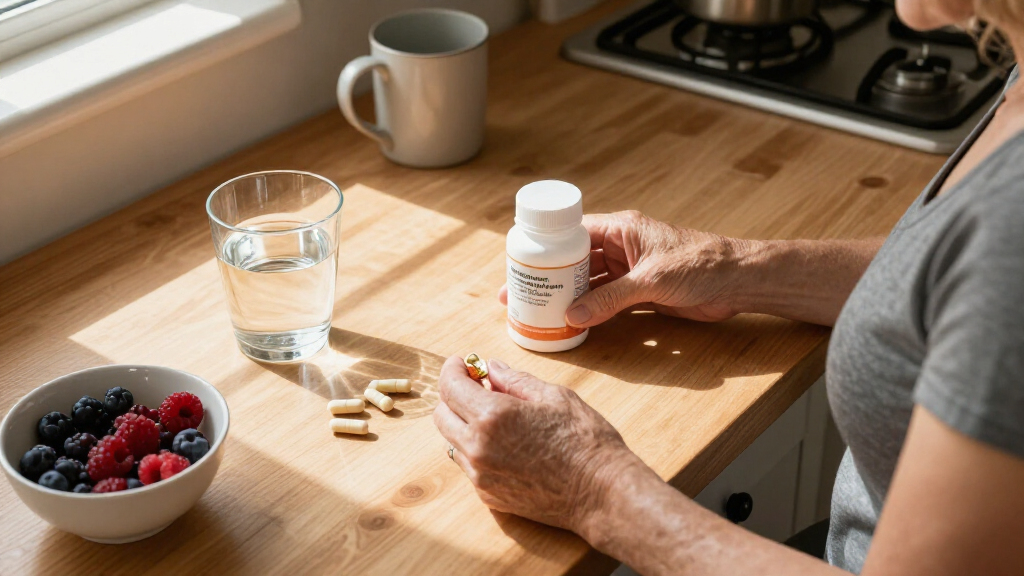
The report describes a multivitamin and mineral product as a possible source of micronutrients for people whose diets may not provide enough. It cites poor appetite, difficulty chewing, food intolerances and restricted diets as potential reasons for nutritional gaps. The article says food should remain the starting point and recommends discussing supplements with a doctor.
For people seeking support related to a specific concern, the article presents targeted blends as another option. It gives examples of products containing nutrients associated with eye or bone health and notes that labels may not clearly explain a product’s intended use because health claims for supplements are regulated. These examples describe product formulations and do not establish that the blends prevent or treat a condition.
The report says single nutrients are often used for identified needs, including deficiencies assessed by a health professional. It cautions that excessive iron can be harmful and that long-term use of high-dose vitamin C may cause indigestion. The author also advises checking whether products are made under recognized manufacturing standards, called GMP in the UK and CGMP in the United States.
How Supplement Choice Affects Older Adults
Supplement products can differ substantially in their ingredients and doses, while older adults may have different diets, health conditions and medication regimens. A broad multivitamin may contain nutrients a person does not need, while a single nutrient may be inappropriate without evidence of a deficiency. The report distinguishes between general dietary coverage and supplements chosen for a specific, identified need.
The article does not provide a clinical recommendation to start a product. It presents no new trial data comparing multivitamins and individual supplements and does not quantify health benefits. It suggests that readers consider their reason for taking a supplement and review its contents when discussing options with a qualified health professional.
Products Worth Considering
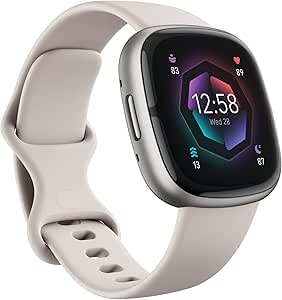
Fitbit Sense 2 Health and Fitness Smartwatch (Lunar White/Platinum)

Fitbit Sense Health & Fitness Smartwatch (White/Gold, International Version)

Oral-B iO Series 3 Rechargeable Electric Toothbrush for Adults, Black
As an affiliate, we earn on qualifying purchases.
The Report’s Advice on Nutrient Needs
The source article says an estimated one in two Americans take a vitamin supplement, but provides no survey date or underlying source for that estimate. It also refers generally to national dietary surveys showing that some people fall short of recommended intakes for particular nutrients. The supplied material does not identify those surveys, their years or the specific groups measured, so the statistics do not establish current prevalence among older adults.
The report is written by a family doctor who describes prescribing vitamin and mineral supplements to patients with limited access to fresh produce. This is the author’s account of clinical experience, not a controlled study. The article also discusses examples such as iron treatment for confirmed iron-deficiency anemia and vitamin B12 treatment for pernicious anemia. These are medical situations and do not establish a basis for self-diagnosis or self-prescribing.
““It depends on why you want to take them!””
— Sixty and Me report
Evidence and Individual Needs Remain Unclear
The supplied report does not present a direct comparison of outcomes from multivitamins, targeted blends and single nutrients. It provides no study methods, participant data or evidence that the product examples improve longevity or prevent age-related disease. Its statements about dietary surveys and supplement use lack dates and citations in the supplied material.
The report does not identify which product, dose or nutrient would be appropriate for a particular reader. Needs can depend on diet, diagnoses, medicines and test results. The article’s discussion of possible benefits and risks is general information, not medical advice; a qualified professional can assess whether a supplement is suitable.
Discuss Products With a Clinician
The source material provides no scheduled follow-up study, policy decision or product announcement. The report recommends identifying the reason for taking a supplement, reviewing a product’s ingredients and manufacturing standards, and discussing the choice with a doctor. A clinician can assess whether a nutrient deficiency or other medical need has been identified and whether a supplement could interact with existing care.
The report does not establish a universal answer to which supplement format is best. It describes an individualized discussion as the next step rather than assuming that a multivitamin or targeted product is necessary.
Key Questions
Does the report say multivitamins are best for healthy aging?
No. It says a multivitamin may provide broad nutritional coverage when a diet has gaps, but that the choice depends on the reason for taking a supplement. It does not show that multivitamins improve healthy aging for everyone.
When might an individual nutrient be used?
The report describes single nutrients as commonly used for identified needs, such as a deficiency assessed by a health professional. It does not recommend self-diagnosing or starting high-dose nutrients without professional guidance.
Does the article prove targeted blends prevent health problems?
No. It lists examples of blends marketed for areas such as eye or bone health, but supplies no comparative trial evidence showing that those products prevent or treat disease.
What should someone check before buying a supplement?
The report advises reviewing why the supplement is being considered, its ingredients and dose, and whether it is made under GMP or CGMP standards. It also recommends discussing supplement choices with a doctor.
Source: sixtyandme.com