
TL;DR

Get health and wellness essentials delivered free with Prime
- Fast, free delivery on millions of items
- Prime Video, Amazon Music and more included
- Member-only deals all year
The Pentagon is implementing a mandate for testosterone screening among all active military personnel. This policy aims to monitor hormone levels for health and readiness, but details and implications remain under discussion.
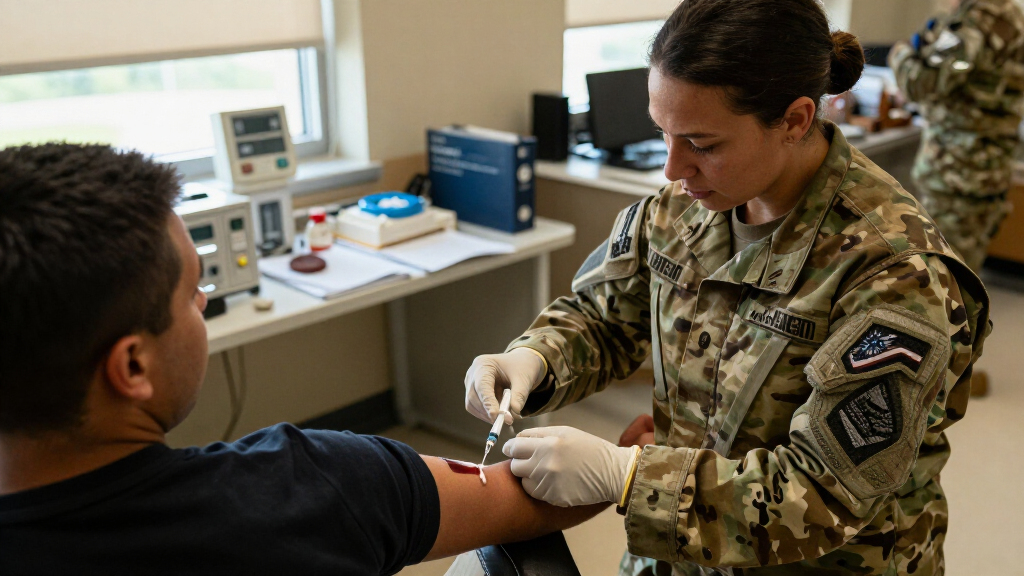
The Pentagon has mandated that all active-duty military personnel undergo testosterone screening as part of a new health and readiness initiative, according to official sources. This policy, announced on March 2026, aims to monitor hormone levels to improve overall health and operational performance. The move marks a significant shift in military health protocols and has sparked widespread discussion among service members and health experts about its implications.
According to Pentagon officials, the testosterone screening requirement will apply to all active-duty members across the U.S. military branches. The policy is intended to identify hormonal imbalances that could affect physical health, mental well-being, and military readiness. The screening will be integrated into existing health assessments, with the first phase expected to begin within the next quarter. The Pentagon emphasized that the initiative is voluntary but strongly encouraged, with participation expected to be high due to its inclusion in mandatory health checks.
While the official rationale centers on health monitoring, some defense analysts suggest the policy could also serve to address concerns about hormone-related performance issues or mental health conditions linked to hormone imbalance. The Department of Defense has not yet released detailed guidelines on the screening process, testing frequency, or how results will be used. It is also unclear whether the policy will extend to reserve forces or civilian personnel.
Potential Impact on Military Readiness and Health
This new testosterone screening policy could influence troop health management, potentially leading to early detection of hormonal issues that impair performance or well-being. It reflects a broader trend toward preventive health measures within the military. However, the initiative also raises questions about privacy, consent, and how results may affect service members’ careers. The policy’s success and acceptance could shape future health protocols in the armed forces, making it a notable development in military healthcare.
As an affiliate, we earn on qualifying purchases.
Background on Military Health Screening Policies
Historically, the U.S. military has prioritized physical fitness and mental health assessments, but hormone screening has not been a standard requirement for all personnel. Previous health initiatives have focused on mental health screenings, substance use, and physical fitness tests. The recent spike in interest around hormone health, coupled with increased attention to mental health and performance issues, appears to have prompted the Pentagon’s decision. The move aligns with broader trends in civilian healthcare toward hormone level monitoring for health optimization.
It is important to note that the trigger for this specific policy remains unconfirmed, with some sources suggesting that it is part of an ongoing review of health protocols amid rising concerns about mental health and physical readiness in the military. The timing coincides with increased public and media focus on hormone-related health topics, but officials have not publicly linked the policy to any specific incident or study.
As an affiliate, we earn on qualifying purchases.
Details of Implementation and Broader Impact Still Unclear
It is not yet clear how the screening results will be managed, whether they will influence military careers, or how privacy concerns will be addressed. The specific testing procedures, frequency, and scope beyond active-duty personnel remain unconfirmed. Additionally, the reasons behind the policy’s timing and whether it is linked to broader health or performance issues are still speculative. The Department of Defense has not provided comprehensive guidance or clarified potential consequences for service members who may have abnormal hormone levels.
As an affiliate, we earn on qualifying purchases.
Next Steps Include Policy Rollout and Member Engagement
The Pentagon is expected to begin phased implementation of the testosterone screening within the next few months, with initial assessments focusing on active-duty personnel in select units. Further guidance on procedures, privacy safeguards, and result management will likely follow. Service members and advocacy groups will be closely watching for updates on how the policy will be integrated into existing health protocols and how it may impact military readiness and personnel well-being. The Department of Defense might also face questions regarding consent and data privacy as the policy rolls out.
As an affiliate, we earn on qualifying purchases.
Key Questions
Why is the Pentagon implementing testosterone screening now?
The exact reasons remain unconfirmed, but officials cite health monitoring and readiness as primary goals. The timing appears linked to broader health initiatives and increased focus on hormone health in military and civilian contexts.
Will this screening affect service members’ careers?
Officially, participation is voluntary, and results are intended for health monitoring. However, how results will influence career decisions has not been clarified, raising concerns among some service members and advocates.
Are civilians or reserve forces included in this policy?
Currently, the policy applies only to active-duty personnel. Details about extending it to reserves or civilian employees have not been announced.
What are the privacy protections for service members undergoing testing?
Specific privacy safeguards have not been detailed. The Department of Defense has stated that results will be handled confidentially, but further guidance is expected as implementation progresses.
Could this policy lead to mandatory hormone treatment or therapy?
There is no indication that treatment will be mandated based on screening results. The primary goal appears to be health assessment and early detection of issues, not intervention policies.
Source: bluesky
Cold & flu season Picks
humidifiers
As an affiliate, we earn on qualifying purchases.