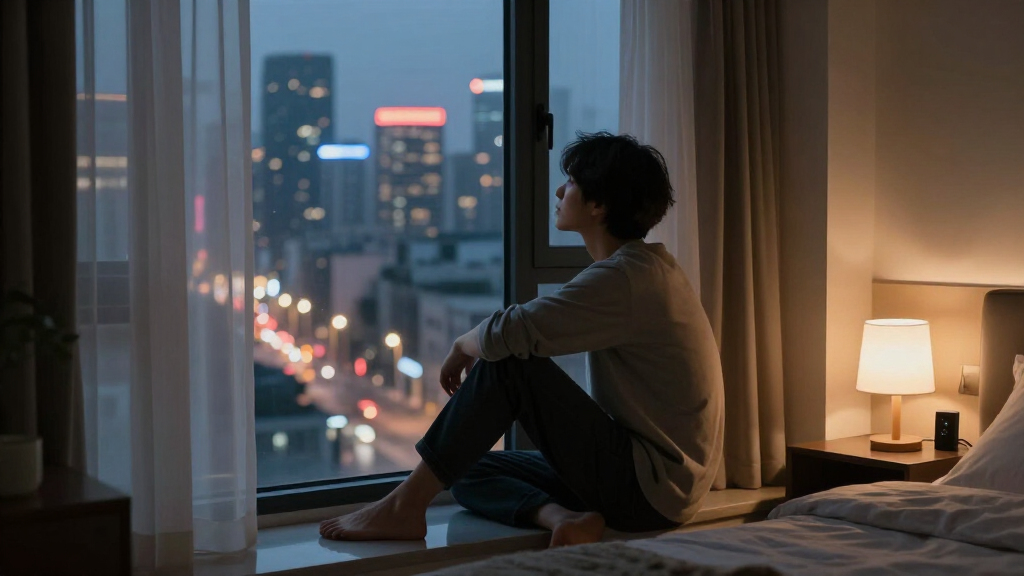

TL;DR

Get health and wellness essentials delivered free — and shop member deals
- Fast, free delivery on millions of items
- Access to Prime Big Deal Days deals on October 6–7
- Prime Video, Amazon Music and more included
Recent studies indicate that too much light at night may negatively affect heart health. While the precise mechanisms are still being studied, the trend highlights potential risks of light pollution. Further research is needed to confirm causality.
Emerging evidence indicates that exposure to excessive light during nighttime hours may quietly influence heart health. Researchers are investigating how light pollution and disrupted sleep cycles could contribute to cardiovascular risks, raising concerns about modern lifestyles and urban environments. While definitive causal links are still under study, the trend underscores a possible new health hazard associated with artificial night-time illumination.
Recent observational studies have found correlations between high levels of artificial light at night and markers of cardiovascular stress, such as increased blood pressure and inflammation. Experts caution that these findings are preliminary and do not establish direct causation but suggest a potential pathway through which light pollution could impact heart health.
Scientists are exploring how light exposure at night disrupts circadian rhythms, which regulate many physiological processes including blood pressure, hormone release, and metabolic functions. Disruption of these rhythms has long been associated with increased risk for cardiovascular disease, but the specific role of light pollution is a newer focus of research.
Public interest in this issue has surged amid growing awareness of urban light pollution and its effects on sleep quality. Some health authorities and environmental groups are calling for further investigation and policy measures to limit unnecessary nighttime lighting, especially in residential areas.
Implications for Urban Living and Heart Disease Prevention
This emerging research highlights a potential hidden health risk of modern urban environments: excessive artificial light at night. If confirmed, these findings could influence public health guidelines, urban planning, and personal habits aimed at reducing light pollution. The possible link to cardiovascular health underscores the importance of maintaining natural circadian rhythms for overall well-being.
For individuals, this may mean reconsidering nighttime lighting, using blackout curtains, or limiting screen time before bed. Policymakers and city planners might need to evaluate outdoor lighting standards to minimize health impacts, balancing safety with health considerations.
As an affiliate, we earn on qualifying purchases.
Growing Concern Over Light Pollution and Sleep Disruption
Light pollution has become a widespread issue in urban and suburban areas, with research increasingly linking excessive nighttime light exposure to sleep disturbances and circadian rhythm disruption. Historically, studies have focused on sleep quality and mental health, but recent attention has turned to cardiovascular implications.
While the health risks of poor sleep are well documented, the specific role of artificial light in directly affecting heart health remains under investigation. This trend reflects a broader concern about how modern lifestyles and urbanization may be quietly affecting long-term health outcomes.
Search interest and media coverage about light pollution and health impacts have spiked recently, driven by scientific reports and environmental campaigns. However, much of this attention is based on preliminary data, and definitive causal relationships are yet to be established.
As an affiliate, we earn on qualifying purchases.
Unconfirmed Causality and Ongoing Research
While initial studies suggest a possible link between excessive light at night and heart health, there is no definitive proof of causality. Researchers caution that current data are observational and that controlled studies are needed to confirm whether light pollution directly impacts cardiovascular outcomes.
It remains unclear how significant the effect size might be or whether individual factors such as age, existing health conditions, or sleep habits modify the risk. The scientific community continues to investigate these questions, and official health guidelines have yet to incorporate findings related to light pollution.
As an affiliate, we earn on qualifying purchases.
Future Studies and Policy Developments on Light Pollution and Heart Health
Researchers plan to conduct longitudinal and experimental studies to clarify the relationship between nighttime light exposure and cardiovascular health. These efforts aim to establish causality, determine the mechanisms involved, and identify at-risk populations.
Public health authorities and environmental agencies may consider reviewing outdoor lighting standards and promoting awareness campaigns to mitigate potential risks. Meanwhile, individuals are encouraged to adopt habits that minimize unnecessary light exposure at night, such as using blackout curtains or reducing screen time before sleep.
As an affiliate, we earn on qualifying purchases.
Key Questions
Can light pollution directly cause heart disease?
Currently, there is no conclusive evidence that light pollution directly causes heart disease. Most studies show correlations, but further research is needed to establish causality.
How does light at night affect sleep and heart health?
Artificial light at night can disrupt circadian rhythms, leading to poor sleep quality and increased physiological stress, which may contribute to cardiovascular risk factors. The exact mechanisms are still being studied.
What can individuals do to protect themselves?
Individuals can reduce light exposure before bed by using blackout curtains, turning off unnecessary lights, and limiting screen time. Maintaining good sleep hygiene is also recommended.
Are there any policy measures to reduce light pollution?
Some cities and regions are implementing outdoor lighting regulations to minimize unnecessary illumination at night, aiming to protect public health and the environment. The effectiveness of these measures is still being evaluated.
Source: rss
Fall Picks
fall essentials
As an affiliate, we earn on qualifying purchases.