
TL;DR

Get health and wellness essentials delivered free with Prime
- Fast, free delivery on millions of items
- Prime Video, Amazon Music and more included
- Member-only deals all year
A Mayo Clinic Health System ophthalmologist says diabetic retinopathy can damage the retina before a person notices symptoms, making regular eye screening important for people with diabetes. Managing blood glucose, blood pressure and cholesterol, and seeking care for new vision changes, can help limit risk and support timely treatment.
Diabetic retinopathy can damage the retina before vision symptoms appear, making routine eye screening important for people with diabetes, according to ophthalmologist Dr. Wayne Wu of Mayo Clinic Health System. The educational report explains how the condition develops, how screening may identify early signs and why prompt specialist care matters.
Diabetic retinopathy occurs when diabetes damages the blood vessels in the retina, the light-sensitive tissue at the back of the eye. The condition can affect people with Type 1 or Type 2 diabetes. Wu’s report also says it can develop during pregnancy in people diagnosed with gestational diabetes; those who had diabetes before pregnancy may face increased risk and may be advised to have additional eye exams.
The condition may progress without noticeable symptoms, and damage can occur before a person’s vision changes. Symptoms often do not appear until the disease is moderate or advanced. In advanced cases, the report warns, diabetic retinopathy can cause rapid, permanent vision loss. New blurred or double vision, difficulty reading or seeing at night, eye pain, flashes, halos, or a sudden appearance of spots or floaters should be reported to a health professional.
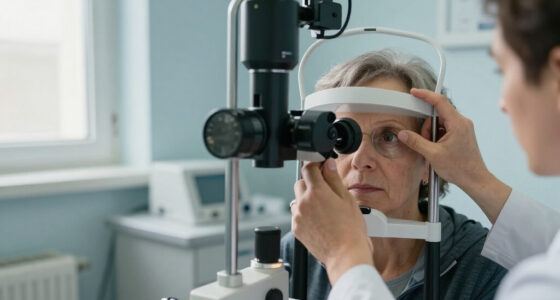
The report says retinal photographs can be used in screening, including through several FDA-approved AI-assisted devices. The software analyzes images for possible early signs; a positive screening result is not presented as a final diagnosis. The report says patients whose screening detects signs of retinopathy should be referred to a retinal specialist or ophthalmologist for evaluation and management.
Why Early Eye Checks Matter
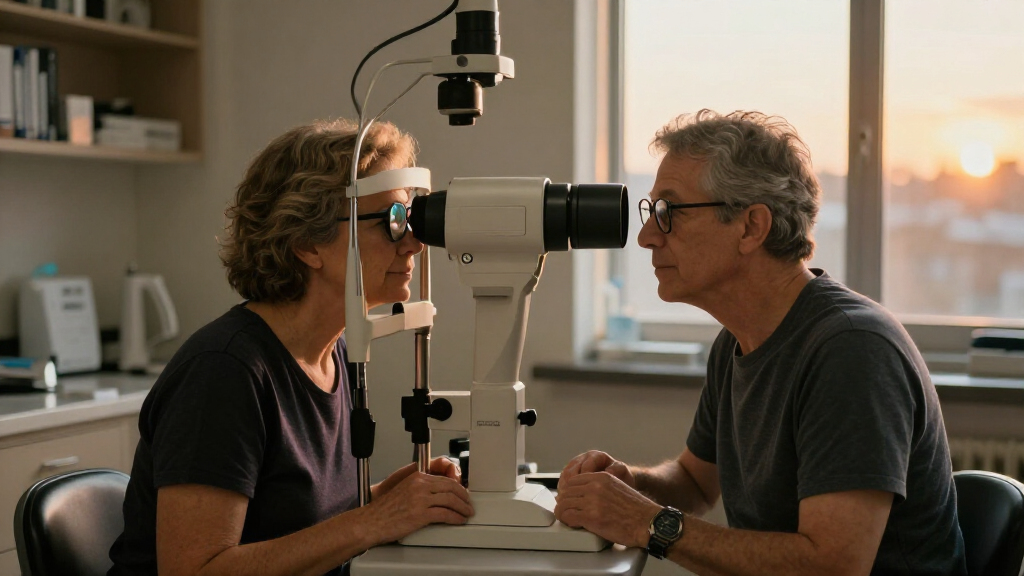
Because diabetic retinopathy may be symptom-free while retinal damage develops, waiting for vision problems can mean waiting until the condition is more advanced. Regular screening can help identify changes earlier, when an eye specialist can assess them and plan care. The report describes annual screening as part of routine diabetes care with a primary care clinician, while individual circumstances may call for more frequent exams.
The report also emphasizes that eye health is connected to broader diabetes management. Keeping blood glucose, blood pressure and cholesterol under control and stopping smoking are presented as ways to reduce risk or protect retinal health. These measures do not replace eye examinations, and the report does not promise that they will prevent the condition in every person.
Products Worth Considering

Withings Body Scan Smart Scale with Segmental Body Composition and ECG, Black

Withings Body Smart Wi-Fi and Bluetooth Body Composition Scale

Garmin Forerunner 935 GPS Running and Multisport Watch, Black
As an affiliate, we earn on qualifying purchases.
How Diabetes Affects Retinal Blood Vessels
Diabetes affects the body’s regulation and use of sugar and can affect multiple organs, including blood vessels and nerves. In the eye, damage to retinal vessels may progress through different stages. The report says diabetic retinopathy is a leading cause of vision loss among people aged 25 to 74 worldwide.
The source cites estimates that by 2030, 191 million people globally may have diabetic retinopathy and that 56.3 million people with diabetes may have vision-threatening disease. These are projections reported in the source, not current counts. It does not identify the underlying study or explain the assumptions behind the estimates.
““Prevention remains the best approach for diabetic retinopathy.””
— Dr. Wayne Wu, ophthalmologist, Mayo Clinic Health System
Limits of Screening and Risk Estimates
The report does not specify how often people with different levels of risk should be screened, or which screening schedule is appropriate for an individual. It also does not provide diagnostic accuracy figures for the AI-assisted devices or name the devices. A screening result can flag possible disease, but the source says further evaluation by an eye specialist is needed.
The cited 2030 figures are estimates, and the report supplies no methodology or confidence range. It also does not detail treatment options for particular stages of retinopathy. People should consult their own clinicians about screening intervals, symptoms and care; the educational report says it does not replace regular medical care.
Follow-Up After an Eye Screen
For people with diabetes, the next step described in the report is routine eye screening through their care team. If a retinal photograph or examination suggests retinopathy, the healthcare team can refer the patient to an ophthalmologist or retinal specialist for further assessment and management. People should contact their healthcare team promptly about new or worsening vision changes rather than waiting for a scheduled appointment.
The report sets out no new screening policy, clinical trial or future announcement. It recommends continued attention to diabetes management and eye care, with the appropriate follow-up determined by a patient’s healthcare professionals.
Key Questions
What is diabetic retinopathy?
It is damage to the retina’s blood vessels associated with diabetes. The retina is the light-sensitive tissue at the back of the eye.
Can diabetic retinopathy develop without symptoms?
Yes. The report says damage can occur before symptoms are noticed, and symptoms may not appear until the condition is moderate or advanced.
How can diabetic retinopathy be screened?
Screening can include photographs of the retina. The report says several FDA-approved AI-assisted devices analyze retinal images for signs of the condition; a concerning result should be followed by specialist evaluation.
What symptoms should prompt a call to a healthcare professional?
Report new blurred or double vision, difficulty reading or seeing at night, eye pain, flashes, halos, or a sudden onset of spots or floaters. These symptoms can have different causes and need professional assessment.
Can lifestyle or diabetes management prevent vision loss?
The report says controlling blood glucose, blood pressure and cholesterol, and stopping smoking, can reduce risk or support retinal health. It does not guarantee prevention; regular eye exams and professional care remain important.
Source: seniorsguide.com