TL;DR

Get health and wellness essentials delivered free with Prime
- Fast, free delivery on millions of items
- Prime Video, Amazon Music and more included
- Member-only deals all year
Lisa Hitt, Assistant Vice President of Clinical Operations at TruHealth, outlined the company’s model of embedding nurse practitioners directly in skilled nursing facilities. The approach focuses on proactive care coordination and maintaining low patient-to-provider ratios to reduce unnecessary hospitalizations. Hitt emphasized that consistent bedside presence allows for real-time decision-making and better management of complex patient populations.
Lisa Hitt, Assistant Vice President of Clinical Operations at TruHealth, has detailed how the company’s model of embedding nurse practitioners directly within skilled nursing facilities aims to reduce unnecessary hospitalizations. In a recent interview, Hitt explained that TruHealth Clinical Services focuses on proactive, bedside care coordination rather than reactive consulting, addressing the growing complexity of the long-term care population. This approach is designed to support providers navigating the shift toward value-based care by ensuring consistent clinical presence and integrated care planning.
Hitt, who has 18 years of nursing experience, described a model where TruHealth clinicians are present at the bedside throughout the week. Unlike traditional models where care intensifies only during crises, TruHealth’s approach maintains consistent clinical support. The company currently serves approximately 10,000 members across 50 nursing homes in 14 states. Hitt emphasized that the patient population has become increasingly complex, including younger patients with behavioral health needs, individuals experiencing homelessness, and those with developmental challenges. This complexity requires a holistic view of the patient, integrating inputs from physicians, facility staff, families, and outside providers.
A key differentiator for TruHealth is its patient-to-nurse practitioner ratio, which is maintained at approximately 80 patients per provider. Hitt stated that this low ratio allows clinicians to know their patients well and engage in meaningful conversations about “care in advance.” This concept goes beyond traditional advance care planning, involving weekly medication reviews and monthly deeper assessments to monitor changes in condition or medication adjustments by outside providers. The goal is to develop a care trajectory with contingency plans that can prevent avoidable hospital admissions.
The model also includes 24/7 on-call support from nurse practitioners within the same state team. Hitt noted that this ensures continuity of care, as on-call clinicians have access to the patient’s contingency plan and goals of care. This system allows for real-time decision-making alongside floor nurses, ensuring that care plans are followed and adjusted promptly when patient conditions change. Hitt described the clinician’s role as the “hands of the clock,” with the patient at the center, coordinating all touchpoints in the patient’s care ecosystem.
Impact on Value-Based Care Models
The shift toward value-based care in post-acute settings places pressure on providers to improve outcomes while controlling costs. Hitt’s description of TruHealth’s model highlights a strategic response to these pressures by focusing on preventative care and care coordination. By reducing unnecessary hospitalizations through proactive management, providers can potentially improve their performance metrics in value-based contracts. The emphasis on integrated care plans and consistent clinical presence addresses a common gap in skilled nursing, where fragmented care often leads to adverse outcomes. For facilities, partnering with clinical services that offer boots-on-the-ground support rather than just consultation may be critical for navigating regulatory changes and payer requirements in 2026 and beyond.
Products Worth Considering
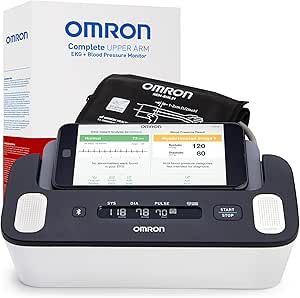
OMRON Complete 2-in-1 Upper Arm Blood Pressure Monitor with EKG

OMRON VIVA 360+ Body Composition Monitor and Smart Scale

Philips Sonicare DiamondClean 9000 Electric Toothbrush Bundle, HX9912/72
As an affiliate, we earn on qualifying purchases.
Hitt’s Background in Long-Term Care
Lisa Hitt’s approach to clinical operations is rooted in her personal and professional history with long-term care. She entered nursing specifically to work in this sector, influenced by her family’s experience navigating aging and skilled nursing options. Hitt began her career on the floor, progressing to shift supervisor and interim director of nursing while earning her nurse practitioner license. She later moved into palliative care in home settings in Tennessee, working with programs like HealthSpring and the I-SNP model through Optum and UnitedHealthcare. This experience bridged her understanding of facility operations with the clinical management of complex patients, leading to her current role at TruHealth.
“Our nurse practitioners are at the bedside throughout the week, so there is consistent clinical support around the patient rather than care only becoming more intensive when something goes wrong.”
— Lisa Hitt, Assistant Vice President of Clinical Operations, TruHealth
Specific Outcome Metrics Unpublished
While Hitt discussed the operational framework and goals of TruHealth’s clinical services, specific quantitative data on hospitalization reduction rates or cost savings were not detailed in the provided source material. The interview focused on the methodology and philosophy of care delivery rather than presenting audited performance results. It remains unclear how these metrics are tracked across the 50 facilities or whether they are publicly reported in financial disclosures or payer reports. Readers should note that the effectiveness of the model is described through operational design and anecdotal experience rather than published statistical outcomes.
Expansion of Integrated Clinical Models
As value-based care initiatives expand in the skilled nursing sector, more providers are expected to seek clinical partners that offer integrated, on-site support. TruHealth’s model may serve as a template for other clinical service organizations looking to differentiate themselves through bedside presence and low patient ratios. Future developments will likely include further refinement of care coordination technologies to support these models and potential expansion into additional states or patient populations. Providers will need to evaluate clinical partners based on their ability to deliver consistent, proactive care rather than episodic consulting.
Key Questions
What is the patient-to-provider ratio at TruHealth?
According to Lisa Hitt, TruHealth maintains a patient-to-nurse practitioner ratio of approximately 80 patients per provider. This low ratio is intended to allow clinicians to develop deep familiarity with each patient’s care needs and history.
How does TruHealth’s model differ from traditional consulting?
TruHealth’s model involves embedded nurse practitioners who are physically present at the bedside throughout the week. Unlike traditional consulting, which may be episodic or remote, this model provides continuous clinical support, real-time decision-making, and 24/7 on-call access to state-based clinical teams.
What populations does TruHealth serve in skilled nursing facilities?
TruHealth serves a complex population that includes seniors with multiple chronic conditions, younger patients with behavioral health needs, individuals experiencing homelessness, and those with developmental challenges. The model is designed to address the holistic needs of these diverse groups.
What is “care in advance” as described by Hitt?
Hitt describes “care in advance” as a broader concept than traditional advance care planning. It involves proactive management of disease trajectories, regular medication reviews, and developing contingency plans for potential changes in patient condition to prevent unnecessary hospitalizations.
Source: rss