
TL;DR

Get health and wellness essentials delivered free with Prime
- Fast, free delivery on millions of items
- Prime Video, Amazon Music and more included
- Member-only deals all year
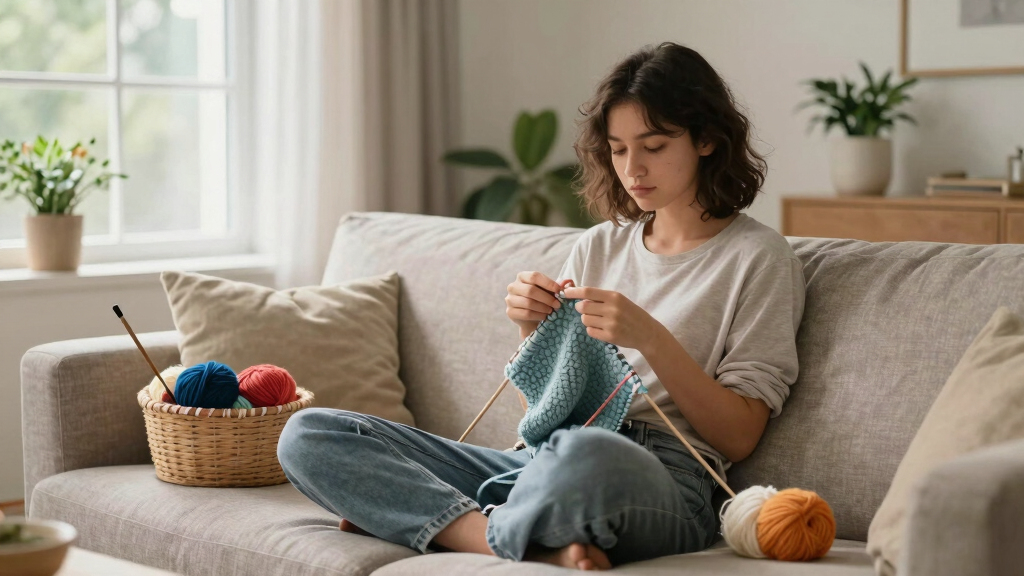
Gen Z and Millennials are embracing hobbies traditionally associated with older generations, such as knitting and baking. Experts cite reasons like mindfulness, nostalgia, and sustainability. This shift reflects changing values among young adults.
More young adults from Gen Z and Millennials are taking up hobbies traditionally associated with older generations, such as knitting, baking, and gardening. This cultural shift is driven by a combination of factors including a focus on mindfulness, a desire for nostalgia, and an emphasis on sustainable living. Experts say this trend reflects evolving values among younger people seeking meaningful, stress-reducing activities.
Recent social media trends and surveys indicate a significant rise in young adults engaging in activities like knitting, sewing, and baking. Platforms such as TikTok and Instagram feature numerous tutorials and communities centered around these hobbies, often highlighting their calming effects and eco-friendly aspects.
According to industry analysts, this resurgence is partly a response to the fast-paced digital world, prompting a desire for offline, tangible activities that foster a sense of accomplishment and nostalgia. Additionally, some experts note that the hobbies align with broader movements toward sustainability, with many young people choosing eco-conscious practices like home gardening and zero-waste baking.
Cultural and Psychological Reasons Behind the Shift
This trend signals a shift in cultural values among younger generations, emphasizing well-being, mindfulness, and sustainability. It also challenges stereotypes about age-appropriate hobbies, showing that activities once considered ‘old-fashioned’ are gaining popularity among youth. This could influence future consumer behavior, lifestyle choices, and even marketing strategies targeting young adults.
Products Worth Considering

Levoit Eleva 300X HEPA Air Purifier for Home and Bedroom

Bowflex PR1000 Home Gym

Bowflex SelectTech 840 Adjustable Kettlebell
As an affiliate, we earn on qualifying purchases.
Rise of Traditional Hobbies Among Young Adults
Historically, hobbies like knitting and baking have been associated with older generations, often linked to nostalgia and homemaking. However, in 2023, social media trends and lifestyle shifts have contributed to their resurgence among Gen Z and Millennials. This follows a broader movement toward mindfulness and eco-conscious living, with younger people seeking activities that promote mental health and environmental responsibility. Experts note that this trend emerged partly as a reaction to digital fatigue and the desire for tangible, offline experiences.
“Young adults are rediscovering these hobbies because they offer a sense of calm and connection that digital activities often lack.”
— Dr. Lisa Chen, Sociologist
Unclear Long-Term Impact and Future Trends
While the popularity of these hobbies is evident in social media and surveys, it remains unclear whether this is a temporary trend or will lead to lasting lifestyle changes among young adults. Researchers are still studying how deeply these activities will influence broader cultural patterns or consumer behaviors over time. Additionally, it is uncertain how this trend might evolve with shifts in economic or social conditions.
Monitoring the Sustainability of the Hobby Revival
Experts plan to observe whether the engagement in traditional hobbies among young adults sustains over the coming years. Future research may explore how these activities impact mental health, community building, and environmental practices. Additionally, marketers and brands are likely to adapt to this shift by promoting related products and experiences tailored to younger audiences.
Key Questions
Why are young adults turning to hobbies like knitting and baking?
They seek activities that promote mindfulness, provide a sense of nostalgia, and support sustainable living. Social media also plays a role in popularizing these hobbies among younger generations.
Is this trend likely to last?
It is uncertain whether this is a temporary fad or a lasting shift. Researchers will continue to monitor engagement levels and cultural impacts over the coming years.
How does this trend influence consumer behavior?
It could lead to increased demand for craft supplies, gardening tools, and eco-friendly products, shaping marketing strategies targeting young consumers.
Are these hobbies only popular online or also in real life?
While social media has helped popularize these hobbies, many young adults are also engaging in them offline through community classes, local markets, and hobby groups.
Source: rss