
The familiar “clean house smell” often masks something else: VOCs, or volatile organic compounds, which are gases released from products like paints, cleaners, and furniture. These chemicals can linger in the air even after cleaning, causing headaches, irritation, or long-term health issues. While the scent might make your home feel fresh, it could hide ongoing VOC exposure. Keep exploring to learn simple ways to reduce these invisible risks and improve your indoor air quality.
Key Takeaways
- The fresh “clean house” smell often masks ongoing VOCs, which are invisible gases from household products.
- VOCs can linger even after cleaning, contributing to the “clean smell” while still impacting air quality.
- Masking odors doesn’t eliminate VOCs; they can cause health issues despite a pleasant scent.
- Poor ventilation allows VOCs to accumulate, making the “clean smell” a false indicator of safe indoor air.
- Using low-VOC products and increasing airflow can reduce VOC levels and improve indoor air quality.
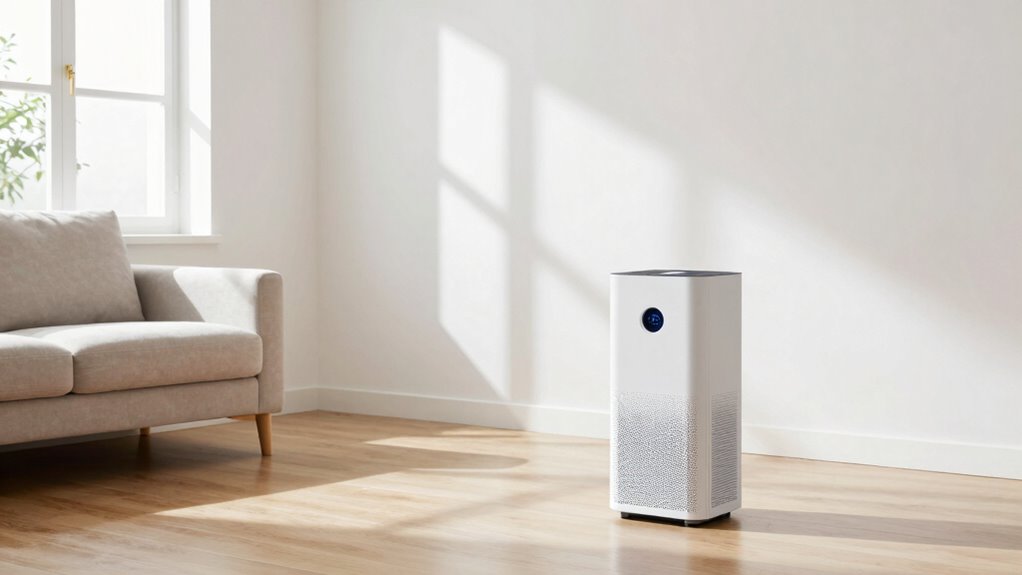
Have you ever wondered what VOCs are and why they matter? Volatile Organic Compounds, or VOCs, are chemicals that easily turn into gases at room temperature. They’re present in many household items, from fresh paint to cleaning products, and even in new furniture or carpets. While they’re invisible, VOCs can notably impact your air quality, which is why understanding them is essential for your health. When VOC levels are high indoors, it can lead to chemical exposure that causes headaches, dizziness, or even long-term health issues. It’s important to note that indoor air quality can be significantly affected by VOCs, emphasizing the need for proper ventilation. That’s why a “clean house smell” isn’t always a good sign; it might actually mean VOCs are lingering in your air, making it less safe to breathe.
Your home’s air quality directly affects your well-being. Every time you open a new bottle of cleaning spray or paint a wall, VOCs are released into the air. These chemicals can build up over time, especially if your ventilation isn’t adequate. Poor air quality due to VOCs isn’t just about unpleasant odors; it can cause immediate symptoms like eye irritation, sore throat, or respiratory discomfort. Over the long term, prolonged exposure might increase your risk of respiratory diseases, allergies, or even some cancers. It’s easy to overlook these risks when you’re focused on making your house smell fresh, but the truth is, a fresh scent can sometimes mask a high concentration of VOCs.
Chemical exposure from VOCs isn’t limited to the air you breathe; it can also affect your skin and overall health. When VOCs are released into your environment, they settle on surfaces or linger in the air, making it easy to inhale or come in contact with them. This exposure is especially concerning in confined spaces where ventilation isn’t ideal. You might notice that after cleaning or renovating, the “clean house smell” persists even though you’re trying to air out the space. That’s a sign VOCs are still present, actively affecting your air quality. The more you understand about VOCs, the better you can take steps to reduce your chemical exposure, such as choosing low-VOC products, increasing ventilation, or using air purifiers.
Frequently Asked Questions
How Do VOC Levels Vary Between Different Cleaning Products?
You’ll notice VOC levels differ between cleaning products based on their chemical composition. Some contain high VOCs, which can cause strong smells and indoor air pollution, while others have lower levels. Always check product labeling for VOC content, and opt for eco-friendly options to reduce exposure. By choosing products with fewer VOCs, you help maintain better indoor air quality and minimize health risks.
Can VOC Exposure Cause Immediate Health Issues?
Imagine breathing in a fog of chemicals; yes, VOC exposure can cause immediate health issues. You might experience headaches, eye irritation, or dizziness, especially if your indoor air quality is poor or you have chemical sensitivities. These symptoms can appear quickly, alerting you to the presence of harmful VOCs. Reducing exposure helps protect your health, especially in environments where chemical sensitivities make you more vulnerable.
Are Natural or Organic Products Free of VOCS?
Natural or organic products aren’t completely free of VOCs, but they typically contain fewer chemical fragrances and rely more on plant-based ingredients. You can reduce VOC exposure by choosing products labeled as low-VOC or free of synthetic fragrances. Always check the ingredient list, and remember that natural doesn’t always mean VOC-free, so staying informed helps you make safer choices for your health and home.
How Often Should I Ventilate After Cleaning?
You should ventilate your home for at least 30 minutes after cleaning to improve indoor air quality. Even if it seems inconvenient, proper ventilation is vital for dispersing VOCs and other pollutants. Use strategies like opening windows and doors or running exhaust fans to maximize airflow. Regularly ventilating ensures a healthier environment, reduces lingering smells, and keeps the air fresher longer. Don’t underestimate the power of fresh air for your well-being!
Do Air Purifiers Effectively Remove VOCS?
Air purifiers can help reduce VOCs, but beware of air purifier myths that overstate their capabilities. They often don’t fully eliminate VOCs unless equipped with activated carbon filters. To confirm VOC removal, you should rely on proper VOC detection methods, not just the purifier’s claims. Regular ventilation combined with a high-quality air purifier gives you the best chance of lowering VOC levels and maintaining a healthier indoor environment.
Conclusion
So, next time your home smells like a freshly cleaned castle, remember it might actually be VOCs lurking behind that fresh scent. Think of VOCs as invisible houseguests, quietly tickling your senses and causing trouble without a trace. By understanding them, you hold the power to clear the air and banish those sneaky chemicals. Don’t let the “clean” fool you—be a detective and keep your space truly fresh and safe.