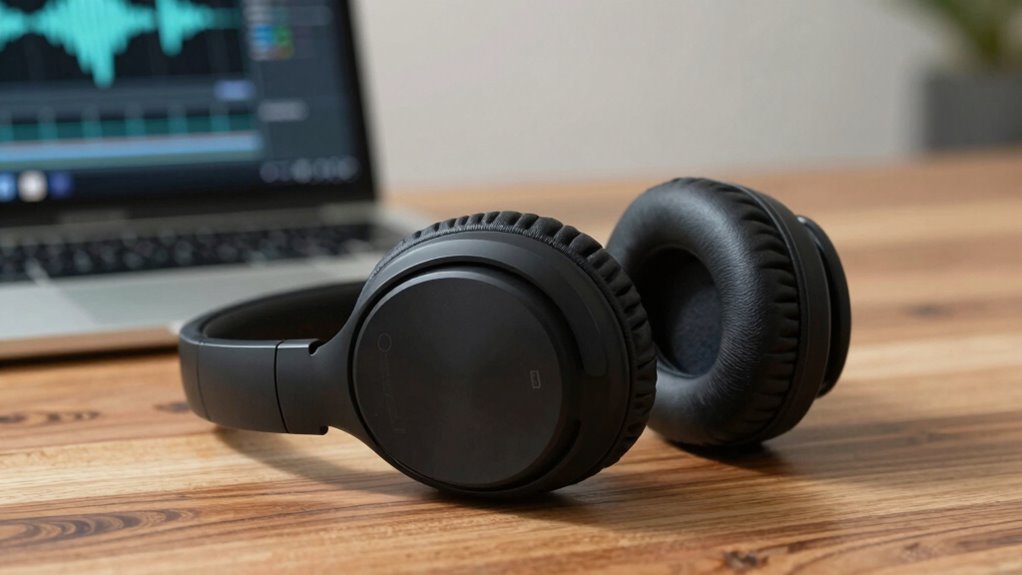
Active noise cancellation (ANC) headphones can’t fix all sound issues. While ANC reduces ambient noise, it can sometimes cause sound distortion, muffling clarity or creating leaks. External noise, fitting problems, or worn-out hardware also affect sound quality. Proper fit, regular maintenance, and adjusting sound settings can help improve clarity. If you want to learn more about overcoming ANC limitations and achieving better audio, keep exploring the tips and tricks shared here.
Key Takeaways
- ANC cannot fully block loud or complex external noises, especially in highly noisy environments.
- Sound distortion from ANC algorithms can reduce clarity, causing muffled or hollow audio.
- Poor fit and seal of headphones lead to sound leaks and diminished audio fidelity.
- Battery life limitations can disable ANC, reverting to passive noise isolation with less effectiveness.
- External noise leaks and sound distortion require hardware adjustments, proper fit, and regular maintenance for improvement.
How Do Noise-Canceling Headphones Work and What Can They Fix?
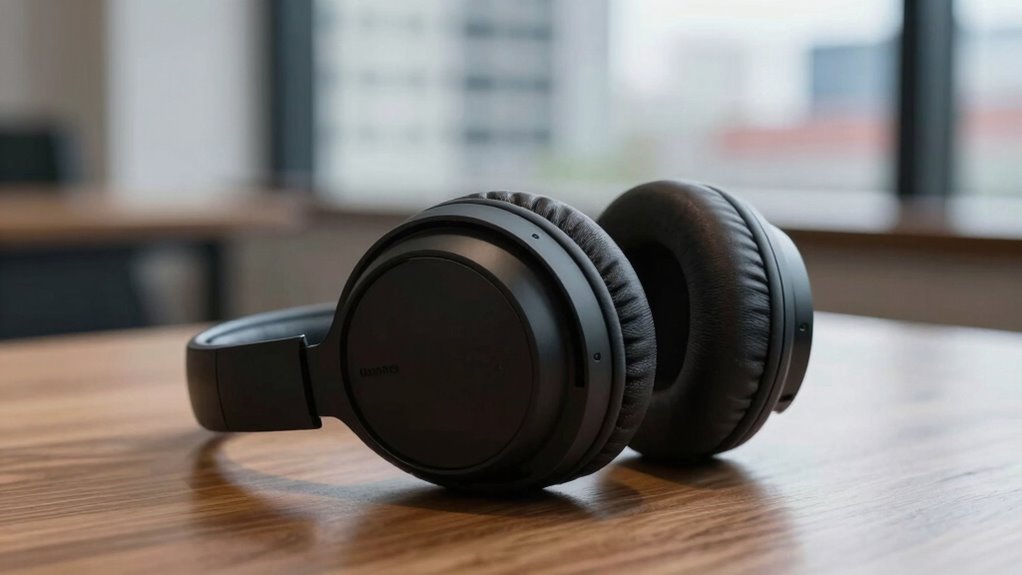
Ever wondered how noise-canceling headphones block out unwanted sounds? They achieve this through advanced noise reduction technology that creates sound isolation around your ears. Using microphones, the headphones pick up external noise and generate anti-noise signals to cancel it out before it reaches your eardrum. This process markedly reduces ambient sounds, making your listening experience more immersive. Noise reduction isn’t just about turning down volume; it actively minimizes background noise, allowing you to focus or relax without distractions. Sound isolation, on the other hand, physically blocks external sounds from entering your ears through the headphone design. Together, noise reduction and sound isolation make these headphones effective at cutting out chatter, traffic, or airplane engine noise, so you can enjoy your audio with enhanced clarity and less interference. Additionally, the effectiveness of noise-canceling headphones depends on the quality of the sound insulation, which is influenced by the materials and design used to block external noise.
Why Does ANC Sometimes Make Sound Clarity Worse?
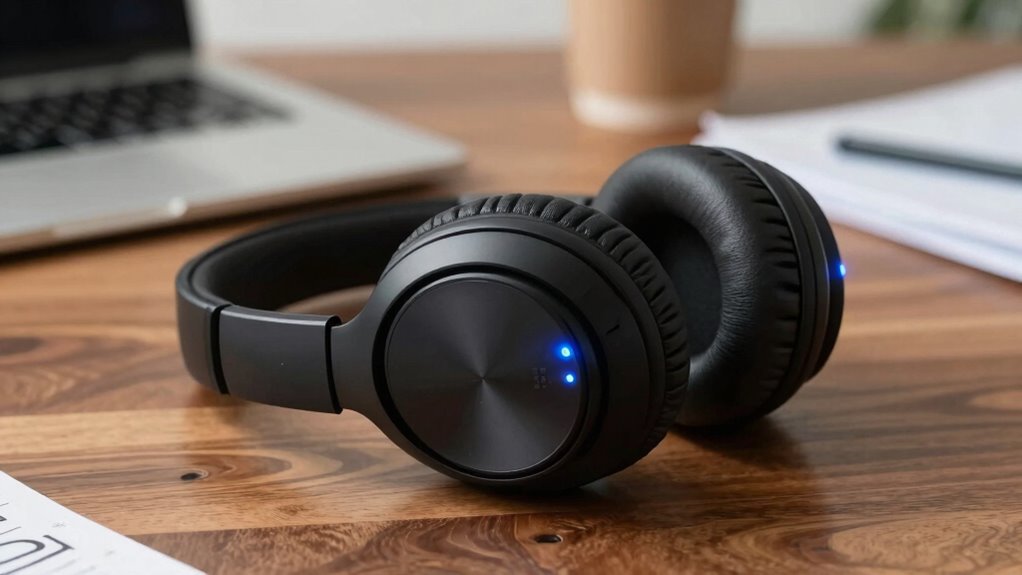
Have you noticed that sometimes, noise-canceling headphones can make the sound quality seem worse? This happens because ANC algorithms can introduce sound distortion, affecting audio consistency. When the headphones work to block external noise, they may inadvertently alter the sound signal, causing a muffled or hollow effect. This distortion can make music or voices sound less clear and less natural. Additionally, if the ANC system isn’t perfectly tuned for your environment or device, you might experience fluctuations in sound quality, especially during sudden changes in noise levels. These issues highlight that while ANC can reduce unwanted noise, it sometimes compromises the clarity and stability of audio, leaving you with a less satisfying listening experience. Furthermore, ongoing research in digital content formats aims to develop more sophisticated ANC algorithms that minimize such distortions and improve overall audio fidelity. The complexity of audio processing technology plays a significant role in how well these systems can deliver both noise reduction and sound clarity. For example, advances in adaptive filtering techniques can help better balance noise cancellation with audio fidelity. Moreover, understanding how sound engineering principles influence ANC design can help manufacturers optimize audio performance. Innovations in real-time signal analysis are also contributing to more effective noise suppression without sacrificing sound quality.
Limitations of ANC: What Technology Can’t Fix
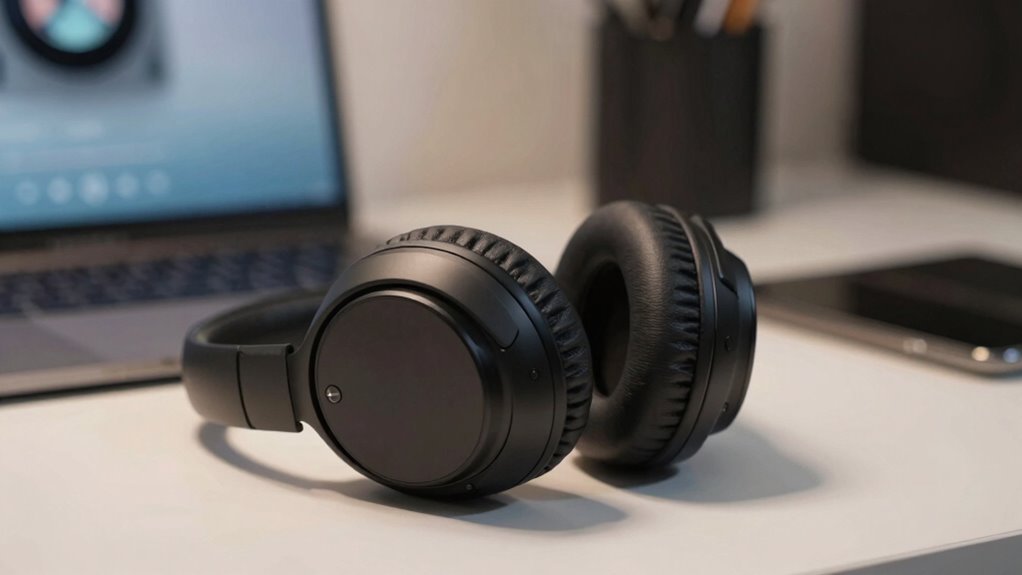
While ANC technology can reduce many noises, it can’t prevent external sound leaks, so loud environments might still be heard. Sound quality can also suffer, especially with aggressive noise cancellation, leading to less clarity. Plus, relying on batteries means you risk losing noise-canceling ability if power runs out.
External Noise Leaks
External noise leaks remain a common limitation of active noise-canceling headphones, often revealing that technology can’t completely block out all sounds. This can be frustrating, especially if you’re trying to enjoy quiet or focus in noisy environments. External noise leaks occur when sounds escape from the headphones, making it possible for others nearby to hear what you’re listening to or for ambient sounds to seep in. These leaks are influenced by design factors like seal and fit, which also impact comfort considerations. If headphones don’t fit snugly, you might experience more external noise leaks, but a tight fit can sometimes compromise comfort. Finding a balance between a secure seal and comfort is key to minimizing leaks without sacrificing wearability during extended use. Additionally, understanding the limitations of ANC helps set realistic expectations for noise reduction performance. Properly adjusting the fit and seal can significantly reduce external noise leaks, but it’s important to recognize that even the best headphones may not achieve complete isolation. Moreover, design features such as earcup shape and material choices also play a crucial role in controlling noise leakage. Being aware of noise leakage can help users choose headphones that better suit their environment and listening needs.
Sound Quality Limitations
Although active noise-canceling technology effectively reduces background sounds, it often falls short when it comes to preserving sound quality. ANC can interfere with audio fidelity and distort the frequency response, making your music sound less vibrant. You might notice that layered details get lost or that bass feels muffled. Here are some limitations that can frustrate your listening experience:
- Reduced clarity for high-frequency sounds, making vocals less crisp.
- Muffled bass due to altered low-frequency response.
- Loss of overall tonal balance, affecting audio fidelity.
- Distorted soundstage, diminishing spatial awareness in music or calls.
- These issues are compounded when audio equipment isn’t properly tuned for optimal performance. Properly optimized audio settings can sometimes mitigate these effects and improve clarity.
These issues remind you that ANC’s primary goal is noise reduction, not perfect audio reproduction. Improving sound clarity often requires separate tuning or additional technology beyond ANC.
Battery Dependency Risks
Battery dependency poses a significant limitation for noise-canceling headphones, as their active noise-canceling features only work when the device is powered on. If the battery fails or runs out, you lose the ANC function entirely, leaving you with just passive sound isolation. Power drain during extended use can also be problematic, especially if you forget to recharge regularly. This reliance means you risk being caught without noise cancellation when you need it most, such as during long flights or commutes. Additionally, frequent battery failure can shorten the lifespan of your headphones, requiring costly replacements. Ultimately, the need for consistent charging and the threat of power drain highlight a key vulnerability of ANC technology—without power, the benefits vanish entirely. Incorporating rechargeable batteries with longer life spans or alternative power sources can help mitigate these issues. Recognizing battery longevity and managing power consumption effectively are essential to maintaining reliable noise cancellation over time. Furthermore, advancements in power-efficient technology could significantly reduce these limitations, ensuring longer usability without frequent recharging.
How Ambient Noise Affects Your Sound Quality
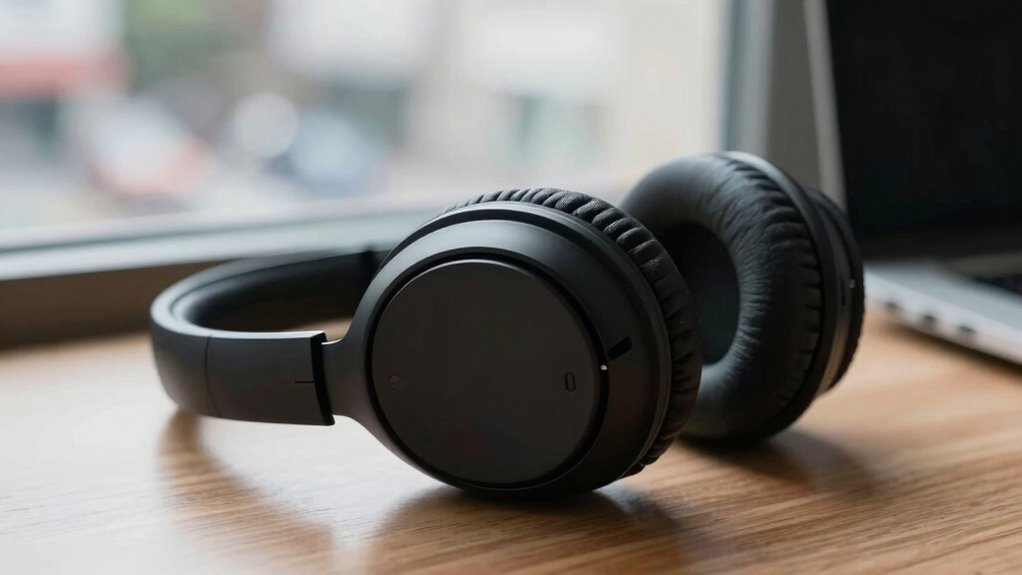
Ambient noise can considerably impact your sound quality by interfering with the clarity and detail of your audio. When ambient noise levels rise, sound interference makes it harder to focus on your music or calls, leading to frustration. You might miss subtle details or hear muffled vocals. Here are four ways ambient noise affects you:
Ambient noise reduces sound clarity and detail, making listening and communication more difficult.
- Loss of audio fidelity — details get drowned out.
- Increased listening fatigue — you strain to hear clearly.
- Reduced immersion — your experience feels disconnected.
- Compromised communication — calls become harder to understand.
Additionally, persistent background noise can diminish your overall listening experience, making it harder to enjoy your audio content fully. This sound interference diminishes the benefits of noise-canceling headphones and can leave you feeling more stressed, less focused, and frustrated. Recognizing the limitations of ANC helps you understand the importance of proper device maintenance and environment optimization for better sound clarity. For example, understanding toilet flushing mechanisms can help reduce unexpected noises that interfere with your audio experience, especially in shared living spaces. Being aware of environmental factors and soundproofing techniques can further improve your listening conditions and help you get the most out of your audio devices. Understanding this impact helps you recognize the limits of ANC and seek better solutions for clearer sound, especially considering the performance of your audio devices.
Tips to Improve Clarity and ANC Performance
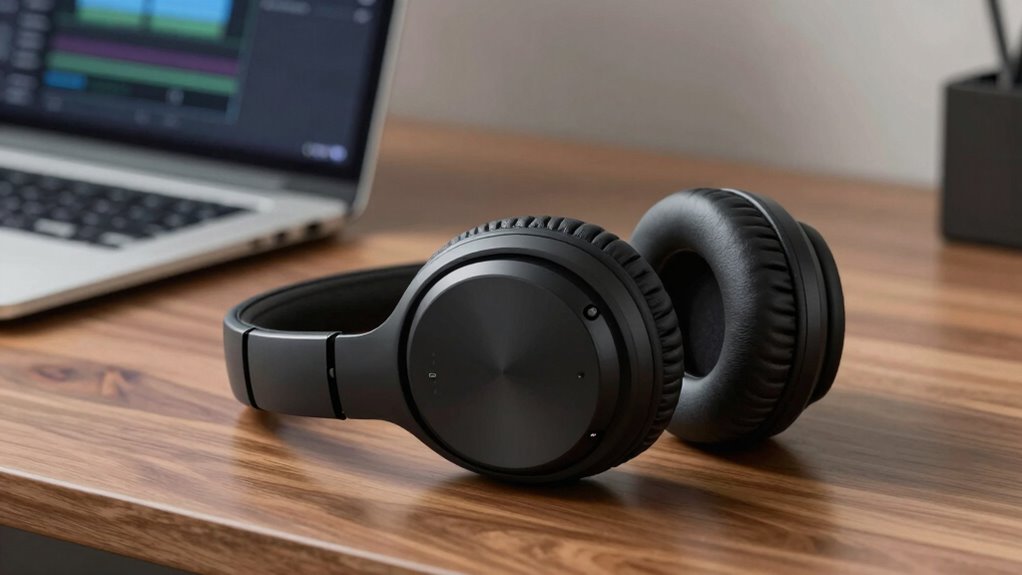
Looking for ways to boost both your sound clarity and noise-canceling performance? Start by optimizing audio calibration. Many headphones allow you to fine-tune settings to match your environment, which enhances clarity and ANC effectiveness. Proper audio calibration guarantees your device processes sound accurately, reducing unwanted noise and improving overall audio quality. Additionally, pay attention to microphone placement. Ensure your microphones are unobstructed and positioned correctly, as this directly impacts how well your headphones pick up ambient sounds for noise cancellation. Regularly cleaning or adjusting the microphones can make a noticeable difference. Combining precise audio calibration with proper microphone placement helps your headphones deliver clearer sound and more effective noise canceling, giving you a better listening experience even in challenging environments.
Troubleshooting: Hardware and Fit Checks for Better Sound
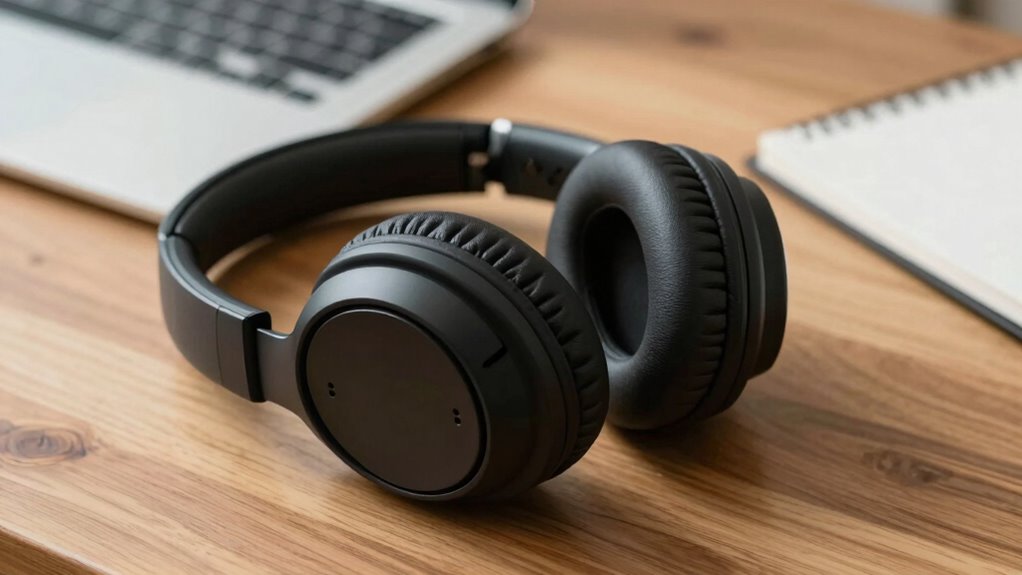
Ensuring your headphones fit properly and checking their hardware components can substantially improve sound quality and noise cancellation. Poor earcup comfort can cause leaks, reducing ANC effectiveness, so adjust the fit for a snug, comfortable seal. Examine the cable for any signs of damage—dull spots, frays, or loose connections—since cable durability affects both sound clarity and reliability. Here are four vital checks:
- Confirm the earcups sit securely without pressure points.
- Ensure the earcup padding is intact and comfortable.
- Inspect the cable for wear or damage.
- Test the connector for secure, stable connection.
- Material quality of the headphones can influence overall durability and performance.
- Regularly hardware maintenance can help identify issues before they impact sound quality.
- Performing hardware checks periodically can prevent unexpected failures and prolong the lifespan of your headphones.
Addressing these hardware and fit issues can restore peak performance, resulting in clearer sound and more effective noise cancellation. Additionally, verifying the hardware components and their condition can help maintain optimal overall functionality.
How to Get the Most Out of Your Noise-Canceling Headphones
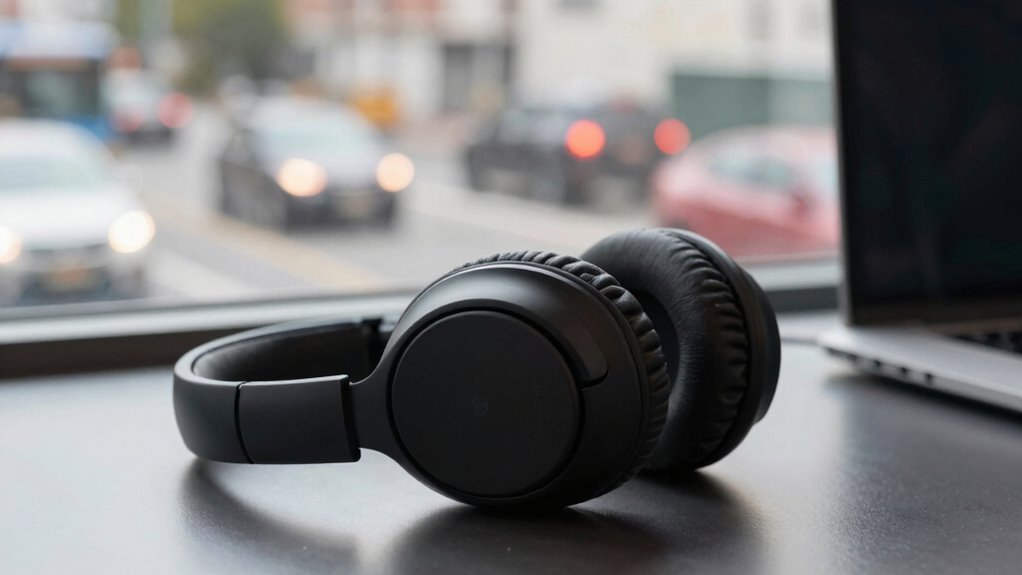
To get the most out of your noise-canceling headphones, it’s essential to optimize their settings and usage habits. Start with proper audio calibration, adjusting equalizer settings or app-based sound profiles to suit your environment. This enhances clarity and reduces unwanted noise. Pay attention to headphone ergonomics—ensure a snug fit without discomfort, as a proper seal improves noise cancellation and audio quality. Experiment with different ear tips or headband adjustments to find the most comfortable, effective fit. Keep your headphones clean and well-maintained, which preserves sound performance. Additionally, use ambient sound modes when needed to stay aware of your surroundings. Incorporating custom sound profiles can further tailor your listening experience to your preferences. By fine-tuning these elements, you’ll maximize noise cancellation, clarity, and overall listening experience.
When to Upgrade or Adjust Your Headphones for Better Sound
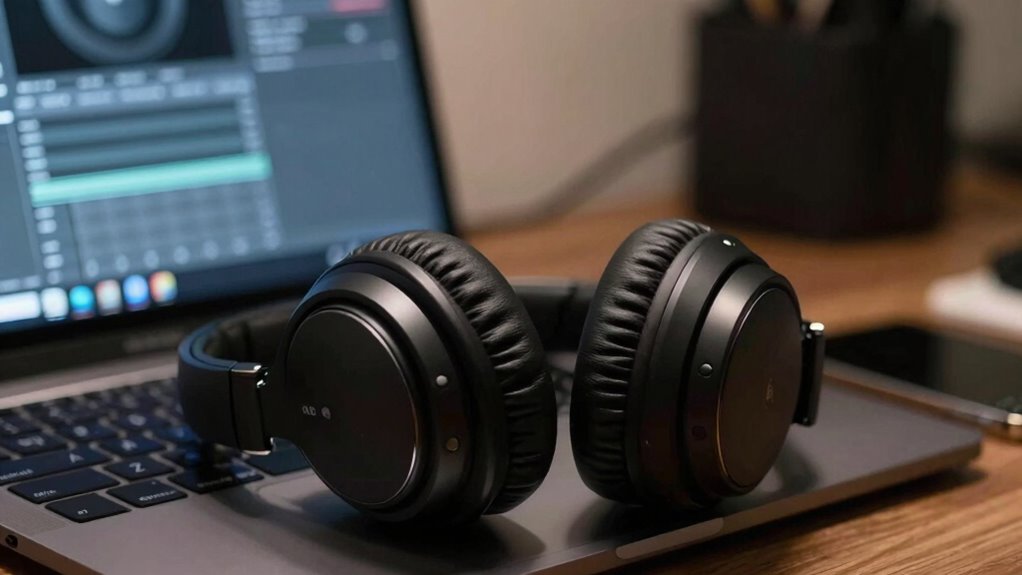
Over time, you might notice your headphones no longer provide the same level of sound quality or noise cancellation as they once did. When that happens, it’s time to contemplate an upgrade or adjustments.
- Your audio customization options might be limited, making your listening experience less immersive.
- Fit adjustments could improve comfort and seal, enhancing sound clarity and noise isolation.
- Wear and tear may degrade the headphone’s internal components, reducing overall quality.
- Newer models often offer better ANC and audio features, making upgrading worthwhile.
If you notice diminished sound clarity or a less effective noise canceling experience, try fine-tuning the fit or exploring new models. Upgrading ensures your headphones continue to meet your evolving listening needs.
Frequently Asked Questions
How Does Headphone Design Influence Noise Cancellation Effectiveness?
Your headphone design greatly influences noise cancellation effectiveness. Passive insulation, like well-fitted ear cups, blocks out noise naturally, enhancing ANC performance. Acoustic engineering also plays a key role by optimizing speaker placement and materials to improve sound isolation. When you choose headphones with snug seals and carefully crafted internal structures, you’ll notice clearer sound and better noise reduction, making your listening experience more immersive and comfortable.
Can Software Updates Improve ANC Performance Over Time?
Did you know that software updates can boost ANC performance by up to 20%? Yes, firmware improvements and software optimization continually refine noise cancellation algorithms, making your headphones more effective over time. By installing updates, you help your headphones adapt to new environments and reduce unwanted sounds better. So, keep your device’s firmware current to enjoy ongoing improvements and a clearer, more immersive listening experience.
What Are the Best Settings for Different Environments?
You should adjust your noise-canceling settings based on ambient noise and your preferences. In noisy environments like airports, set ANC to maximum to block out most sounds, while in quieter spaces, reduce it for better awareness and clarity. Experiment with different modes or levels, considering how much ambient noise you want to hear. Personalizing these settings helps you enjoy clearer sound tailored to each environment.
How Does Ear Shape Affect Noise Cancellation and Sound Clarity?
Ever notice how your ear shape influences noise cancellation and sound clarity? Your ear canal’s size and shape can cause sound waves to reflect differently, affecting how effectively noise is blocked. Earwax buildup can also muffle sound, reducing clarity. When your ear shape varies, the fit of your headphones changes, impacting ANC performance. To optimize, keep ears clean and try different ear tips to find the best seal for your unique ear canal.
Are There Specific Brands Known for Superior ANC Technology?
Brands like Sony, Bose, and Apple are known for superior ANC technology. Sony’s WH-1000XM5 offers excellent noise canceling, along with strong wireless connectivity and long battery life. Bose headphones excel in clarity and comfort, while Apple’s AirPods Max integrate seamless wireless features. Choosing the right brand depends on your priorities, but these options consistently deliver top-tier ANC performance, reliable connectivity, and impressive battery endurance for a better listening experience.
Conclusion
Remember, noise-canceling headphones are like a skilled filter—they can block out much, but not everything. To truly enjoy crisp, clear sound, you need to fine-tune your environment and your gear. Think of your headphones as a garden: with proper care, pruning, and adjustments, they’ll flourish and reveal every detail. So, stay curious, troubleshoot actively, and upgrade when needed—your perfect auditory landscape is just a few tweaks away.