
Drinking coffee immediately after waking can backfire because your natural cortisol levels are already high, making caffeine less effective and possibly making you feel sleepier later. To boost your energy, wait until cortisol dips—usually mid-morning—then enjoy your coffee. Timing it this way aligns with your body’s rhythms, helps prevent tolerance, and keeps sleep on track. Keep exploring to discover how to optimize your coffee habits for better alertness and rest.
Key Takeaways
- Drinking coffee immediately after waking can be less effective because cortisol levels are naturally high then.
- High cortisol early in the morning reduces caffeine’s ability to boost alertness, potentially making you feel sleepier.
- Timing coffee during mid-morning (9:30-11:30 a.m.) aligns with cortisol dips for better energizing effects.
- Consuming caffeine too late in the day can disrupt sleep, causing fatigue and sleepiness the next day.
- Adjusting coffee intake to natural energy peaks and dips helps maintain alertness without causing sleepiness or tolerance.
How Coffee Affects Your Sleep and Wakefulness

Coffee contains caffeine, a stimulant that blocks the sleep-promoting effects of a chemical called adenosine in your brain. When you drink coffee, caffeine quickly enters your bloodstream and influences how your body metabolizes it. The rate of caffeine metabolism varies among individuals, affecting how long its wakefulness effects last. Caffeine interacts with your sleep hormones by preventing adenosine from binding to its receptors, which normally promotes sleepiness. This interruption can make you feel more alert initially, but it can also delay your sleep onset if consumed too late. Your body’s ability to clear caffeine impacts how long its effects persist. Understanding caffeine metabolism and its interaction with sleep hormones helps you better time your coffee intake, minimizing disruption to your sleep cycle.
When Your Body Naturally Peaks in Cortisol

Your body follows a natural daily rhythm, and understanding when your cortisol levels peak can help optimize your energy and alertness. Typically, cortisol peaks early in the morning, usually between 6 and 8 a.m., giving you that surge of morning alertness. This spike helps you wake up naturally and feel energized without relying solely on caffeine. As the day progresses, cortisol levels gradually decline, reaching their lowest in the late evening. Recognizing your body’s natural cortisol cycle allows you to time your caffeine intake more effectively and avoid unnecessary dependence on stimulants. Drinking coffee when cortisol is high might diminish its stimulating effect, as your body is already alert. Conversely, consuming coffee during cortisol dips can give you a real boost, helping you stay focused and energized throughout the day. Additionally, aligning your coffee consumption with your body’s natural cortisol cycle can enhance your overall energy management and reduce unnecessary caffeine dependence. Being aware of your cortisol fluctuations and the body’s hormonal patterns can contribute to healthier habits and improved well-being over time.
Why Drinking Coffee Right After Waking Might Backfire

Although it might seem intuitive to reach for coffee immediately after waking up, doing so can actually reduce its effectiveness. Your body’s natural cortisol levels are high right after waking, which can diminish caffeine’s energizing effects. Drinking coffee right away may also contribute to increased caffeine tolerance over time, making it harder for you to feel alert later. If you rely on coffee to kick-start your morning routine, you might find yourself needing more caffeine to achieve the same boost. Additionally, consuming coffee too early can lead to a crash later in the morning, leaving you feeling more sluggish. To optimize your energy, consider delaying your first cup—allow your cortisol levels to dip slightly and let caffeine work its magic more effectively. Understanding cortisol rhythms can help you time your coffee intake for maximum alertness, especially when considering caffeine metabolism and individual variations in response. Recognizing your natural hormone fluctuations can further improve your morning routine. Being aware of your body’s natural cortisol peaks can help you better align your caffeine consumption for sustained energy throughout the day, and paying attention to your body’s signals can help you develop a personalized caffeine strategy.
Best Times During the Day to Drink Coffee for Energy

Timing your coffee intake can substantially boost its energizing effects throughout the day. To maximize alertness, aim to drink coffee mid-morning, around 9:30 to 11:30 a.m., when your cortisol levels dip. Drinking too early or late can interfere with your natural energy cycles and disrupt your sleep. Keep in mind that caffeine tolerance varies; if you regularly consume coffee, you might need to adjust timing or amount to maintain its effectiveness. Incorporating astrological insights into your routine might also influence how you perceive your energy levels throughout the day. Additionally, incorporate coffee into your daily rituals, making it a mindful part of your routine, which can help prevent reliance on excessive caffeine. Being curious about how your unique biological rhythms affect your response to caffeine can help you tailor your intake more effectively. Understanding your internal clock can provide further guidance on when your energy naturally peaks and dips, allowing you to optimize your caffeine consumption. Paying attention to circadian rhythms can also help you identify the best moments for coffee intake, aligning your caffeine consumption with your body’s natural cycle. Recognizing individual differences in caffeine sensitivity can help you customize your approach for optimal results. By choosing the right times, you’ll experience sustained energy without overdoing it or risking a crash later in the day.
Adjusting Your Coffee Routine to Match Your Sleep Needs
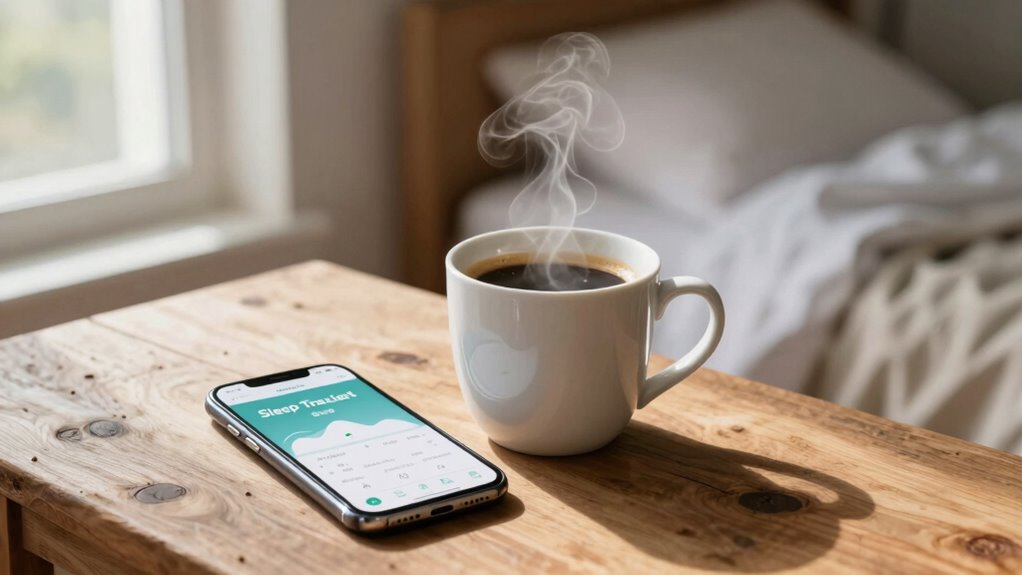
To get the most benefits from coffee without disrupting your sleep, you need to adjust your caffeine intake based on your sleep needs. Timing your coffee consumption around your natural sleep cycles helps you stay alert without interfering with rest. Finding the right balance guarantees you enjoy coffee’s perks while maintaining healthy sleep patterns. Additionally, being mindful of your safety when using appliances ensures you avoid any hazards that could disturb your sleep or daily routine. Incorporating cycling skills into your routine can also improve your alertness during the day, helping you better manage caffeine intake and sleep schedules. Understanding your body’s response to caffeine can further optimize your timing and consumption habits for better overall health. Recognizing the importance of AI ethics can also influence how we develop and trust the technology that supports our daily lives. Moreover, understanding hive stability and the health of drone bees can remind us of the importance of balance and timing in natural systems, which parallels managing our own routines effectively.
Optimal Coffee Timing
Finding the right time to enjoy your coffee can considerably impact how alert you feel throughout the day. To optimize your coffee routine, consider these tips:
- Drink coffee when your coffee metabolism is at its peak, usually mid-morning, to maximize alertness.
- Time your caffeine intake to avoid disrupting your natural sleep cycle, especially if you have high caffeine tolerance.
- Limit coffee consumption in the afternoon to prevent lingering caffeine from affecting bedtime.
- Be mindful of your body’s signals—if you notice jitters or sleep issues, adjust your timing accordingly.
- Recognize how your body’s natural free floating energization patterns can influence the best times to consume caffeine, aligning your intake with your individual circadian rhythm for optimal alertness.
- Incorporating survival gear knowledge about your body’s signals and patterns can help you better understand and optimize your caffeine consumption timing. Understanding how your biological clock functions can further enhance your ability to plan coffee intake effectively.
Personalized Caffeine Intake
Adjusting your caffeine intake to match your sleep needs can help you stay alert without sacrificing rest. Understanding your caffeine metabolism is key—some people process caffeine quickly, while others metabolize it slowly, affecting how caffeine impacts their sleep and energy levels. Pay attention to your coffee preferences, including strength and serving size, to tailor your intake effectively. If you notice caffeine makes you jittery or disrupts your sleep, consider reducing your consumption or timing it earlier in the day. Conversely, if you need a boost, choose a moderate amount that aligns with your body’s response. Personalizing your caffeine routine ensures you get the alertness you want without negatively affecting your sleep quality. Additionally, being aware of individual caffeine sensitivity can help you fine-tune your intake for optimal results. Recognizing how glycolic acid enhances skin texture and radiance can also inform your skincare choices to support overall wellness.
Aligning With Sleep Cycles
Since your sleep cycles dictate when your body is most receptive to rest and wakefulness, aligning your coffee routine with these natural rhythms can enhance your overall sleep quality. Understanding your sleep phase and caffeine metabolism helps you time your coffee intake effectively. To do this:
- Identify your sleep phase: Know when you naturally feel alert or sleepy.
- Avoid caffeine close to your sleep phase: Drinking coffee too late can disrupt your circadian rhythm.
- Time caffeine intake during active phases: Consume coffee when your caffeine metabolism is rapid, usually mid-morning.
- Adjust based on individual response: Monitor how your body reacts and tweak your routine accordingly.
Aligning coffee consumption with your sleep cycles optimizes alertness without interfering with rest.
Signs That Your Coffee Is Making You Feel Sleepier

You might start to feel more tired instead of more alert after drinking coffee, which can be confusing. This often happens if your coffee metabolism is slow or if you’ve developed caffeine tolerance. When your body processes caffeine more slowly, the stimulating effects wear off quickly, leaving you feeling groggier. Additionally, if you regularly consume coffee, your tolerance may increase, reducing caffeine’s effectiveness. You might notice symptoms like lingering drowsiness, difficulty concentrating, or a sudden crash in energy levels shortly after your cup. These signs indicate that your body isn’t responding to caffeine as it used to. Recognizing these clues helps you understand that your coffee might be making you sleepier rather than more alert, signaling it’s time to adjust your consumption habits.
Alternative Ways to Boost Energy Without Disrupting Sleep

If you want a quick energy boost without messing up your sleep, try taking a power nap—just 20 minutes can refresh you. Staying well-hydrated also helps maintain your energy levels throughout the day. Combining these simple strategies can keep you alert without the side effects of caffeine.
Power Naps Effectively
Ever wonder how to boost your energy during the day without messing up your nighttime sleep? Power naps are a great solution. To maximize their benefits, consider these tips:
- Keep naps short—about 10-20 minutes—to avoid grogginess.
- Nap early in the afternoon, ideally before 3 pm, to prevent disrupting your sleep cycle.
- Create a quiet, dark environment to help you relax quickly.
- Don’t rely solely on caffeine absorption; instead, enjoy a coffee brewed just before your nap for a quick alertness boost after waking. Remember, the timing of your coffee can impact how refreshed you feel. Also, avoid caffeine too late in the day to prevent interfering with your sleep. Power naps, combined with strategic coffee brewing, can help you recharge effectively without sacrificing nighttime rest.
Hydrate for Energy
Staying well-hydrated is a simple yet effective way to boost your energy levels without risking your sleep schedule. Proper hydration importance cannot be overstated, as dehydration can cause fatigue, headaches, and decreased focus. Drinking enough water helps maintain electrolyte balance, which is vital for peak muscle function and energy production. You don’t need caffeine or sugary drinks—just aim for consistent water intake throughout the day. Incorporate electrolyte-rich beverages like coconut water or electrolyte-enhanced water if you’re active or sweating a lot. By prioritizing hydration, you support your body’s natural energy systems, making you feel more alert and less sluggish. This approach keeps your energy steady without interfering with your ability to fall asleep later.
Tips for Timing Coffee During the Day for Maximum Benefits

Timing your coffee intake can considerably enhance its benefits throughout the day. To optimize caffeine metabolism, consider these tips:
- Drink coffee mid-morning, around 9-11 am, when your body naturally produces less cortisol, boosting caffeine’s effectiveness.
- Avoid caffeine too early, as it can interfere with your morning routines and disrupt natural alertness patterns.
- Limit coffee after 2 pm to prevent sleep disruptions and afternoon sluggishness.
- Pay attention to your body’s signals; if you notice a dip in energy, a well-timed cup can give you a boost without overdoing it.
The Science Behind Coffee, Sleep, and Alertness

Understanding how coffee influences sleep and alertness starts with recognizing its effect on your body’s internal clock. When you drink coffee, caffeine is absorbed quickly and affects your brain by blocking adenosine receptors, which normally promote sleepiness. This interference boosts alertness temporarily. However, caffeine metabolism varies between individuals, so how long its effects last depends on your body’s ability to process it. As caffeine is broken down, adenosine can bind again, increasing sleep pressure. If you consume coffee too late, your body might still be metabolizing caffeine when you try to sleep, making you feel sleepy or restless. Being aware of your caffeine metabolism and how it interacts with adenosine receptors helps you better manage your coffee intake for suitable alertness without disrupting your sleep cycle.
Frequently Asked Questions
How Does Coffee Consumption Affect Overall Sleep Quality Long-Term?
Your long-term coffee consumption can negatively impact sleep quality by leading to caffeine dependence, making it harder to fall asleep naturally. It may also cause sleep cycle disruption, reducing REM sleep and causing you to wake feeling unrefreshed. Over time, these effects can increase fatigue and decrease overall sleep quality. To protect your sleep, limit caffeine intake, especially in the afternoon and evening, and avoid relying on coffee to stay alert.
Can Drinking Decaffeinated Coffee Impact Sleep Similarly to Regular Coffee?
You might think decaffeinated coffee won’t affect your sleep, but studies show many believe it has no impact. In reality, decaffeinated misconceptions and placebo effects can make you feel better or worse about it, influencing your sleep quality. Even though it contains less caffeine, small amounts can still disrupt sleep patterns for sensitive individuals. So, be mindful—decaf isn’t always completely sleep-friendly, especially if you’re relying on it to avoid caffeine’s effects.
Does the Type of Coffee (Espresso, Drip, Cold Brew) Influence Sleepiness?
The type of coffee you drink can influence sleepiness because of differences in brew strength and caffeine concentration. For example, espresso has a higher caffeine concentration per ounce, giving you a quick energy boost, while cold brew often has a smoother, milder caffeine profile, which might lead to less jitteriness but still affect sleep if consumed late. Your choice impacts how alert or sleepy you feel afterward.
How Do Individual Differences Affect Coffee’s Impact on Alertness?
Your individual differences, like genetic variations in caffeine metabolism, markedly affect how coffee impacts your alertness. If you metabolize caffeine quickly, you might feel more alert initially but also experience a faster crash. Conversely, slower metabolizers may get a prolonged boost without the crash. Pay attention to how your body reacts, and adjust your coffee intake accordingly to optimize alertness and avoid unwanted sleepiness.
Are There Health Risks Associated With Timing Coffee Poorly Throughout the Day?
Your daily coffee ritual, if poorly timed, can turn into a double-edged sword. Drinking too much or at the wrong moments risks caffeine overdose, leading to jitters and insomnia. It also irritates your digestive system, causing discomfort and reflux. Overdoing it disrupts your natural rhythm, making you more prone to fatigue and stress. Keep mindful of when you sip, so coffee energizes rather than harms you.
Conclusion
Think of your coffee routine as tuning a musical instrument—you want the notes to harmonize, not clash. By timing your caffeine intake wisely, you can keep your energy in perfect pitch throughout the day. Avoid the midday slump that leaves you feeling more sleepy than alert. When you choose the right moments to sip your coffee, you’ll hit all the right notes, staying energized without disrupting your natural rhythm.