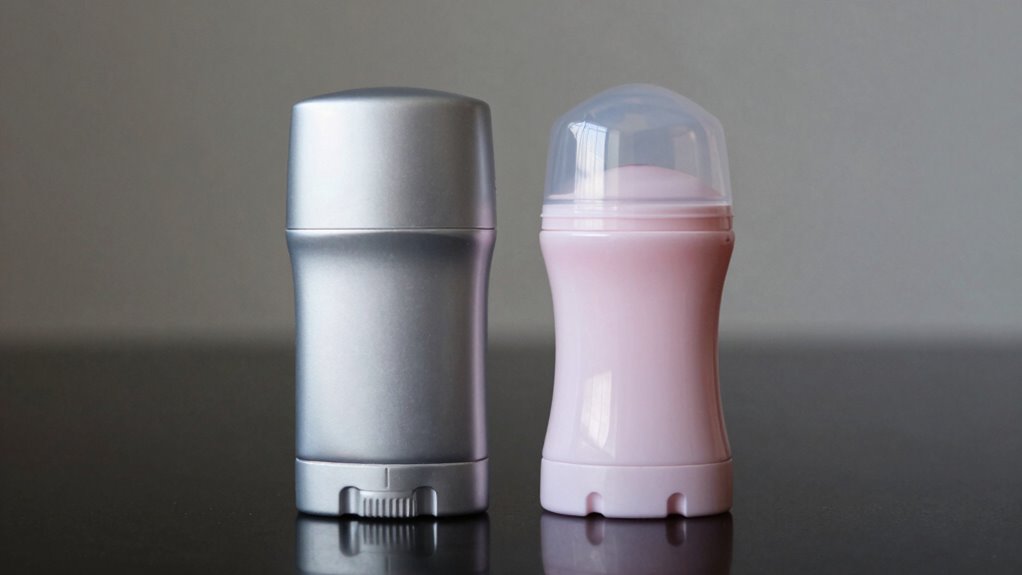

Deodorants and antiperspirants serve different purposes: deodorants mask or neutralize body odor, while antiperspirants reduce sweating by blocking sweat glands. Deodorants contain antibacterial agents and fragrances for odor control, whereas antiperspirants use aluminum compounds to temporarily stop perspiration. Choosing the right product depends on whether you want to tackle odor or sweat more effectively. Keep going to discover how to select the best option for your needs.
Key Takeaways
- Deodorants mask or neutralize body odor, while antiperspirants reduce sweating by blocking sweat glands.
- Deodorants mainly combat bacteria responsible for odor; antiperspirants prevent sweat production.
- Antiperspirants contain aluminum compounds that temporarily block sweat glands; deodorants do not.
- Proper application and timing can enhance effectiveness for both products.
- Choosing depends on whether odor control or sweat reduction is the priority.
What Are Deodorant and Antiperspirant? Here’s What You Need to Know
Deodorant and antiperspirant are two common products used to manage body odor and sweating, but they serve different purposes. Deodorants primarily mask or eliminate odor, while antiperspirants reduce sweating by blocking sweat glands. When choosing these products, ingredient safety is important—you want formulas free from potentially harmful chemicals. Many brands now offer eco-friendly options, using natural ingredients and sustainable packaging, so you can feel good about your choice. Deodorants often contain antibacterial agents and fragrances, whereas antiperspirants include aluminum compounds to prevent sweat. Understanding these differences helps you select products aligned with your health and environmental values. Additionally, the technology behind modern projectors influences image quality and user experience, making it easier to create an optimal home cinema environment. When selecting personal care products, considering ingredients and safety can help you make more informed, health-conscious choices. Whether you prioritize ingredient safety or eco-friendly options, knowing what’s in your deodorant or antiperspirant empowers you to make informed decisions.
How Do Deodorants Fight Body Odor?
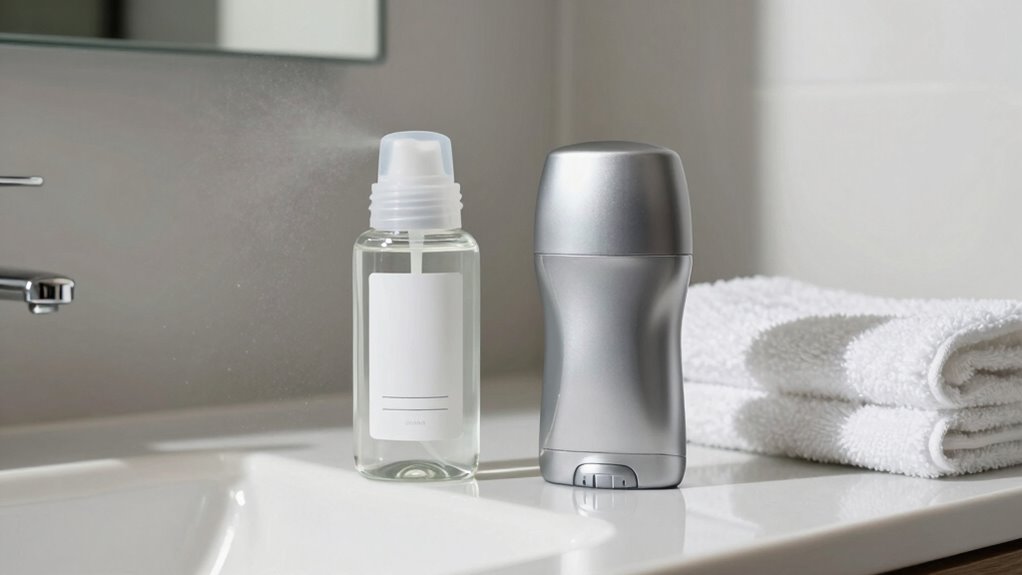
Deodorants work by preventing bacteria from thriving on your skin, which reduces the smell they produce. They often contain ingredients that inhibit bacterial growth directly or create an environment that’s less friendly to bacteria. Additionally, many deodorants use scents to mask body odor and keep you feeling fresh throughout the day. Some formulas also include advanced filtration systems to enhance their effectiveness in odor control. Incorporating ingredients that target bacterial growth can provide longer-lasting freshness and better odor management. Understanding how antibacterial agents work can further improve your choice of deodorant for odor control.
Bacterial Growth Prevention
Ever wonder how deodorants help keep body odor at bay? They mainly work by preventing bacterial growth, which is the root cause of odor. When bacteria feed on sweat, they produce smelly compounds. Deodorants contain ingredients that target these bacteria directly, reducing their numbers and halting odor production. Some ingredients act as antibacterial agents, while others neutralize the smell. This odor prevention process keeps you feeling fresh longer.
- Reduce bacteria on your skin’s surface
- Neutralize odor-causing compounds
- Contain antimicrobial ingredients like triclosan or alcohol
- Create an inhospitable environment for bacteria
- Complement hygiene routines effectively
Scent Masking Techniques
Since odor can be persistent even after bacteria are reduced, deodorants often use scent masking techniques to keep you smelling fresh. They rely on fragrance layering, combining various scents to create a pleasant aroma that overpowers body odor. This approach doesn’t eliminate odor but conceals it effectively. Understanding the chemistry behind scent masking can enhance your choice of deodorant.
How Do Antiperspirants Reduce Sweating?
Antiperspirants work by actively blocking your sweat glands to reduce perspiration. They target sweating regulation by forming a temporary plug in your sweat gland ducts, preventing sweat from reaching your skin’s surface. This process relies on the active ingredients, usually aluminum-based compounds, which interact with sweat gland function to minimize moisture. Here’s how they work:
- Aluminum compounds form a gel-like barrier inside sweat ducts
- The barrier temporarily blocks sweat secretion
- Reduces overall perspiration in targeted areas
- Helps control excessive sweating (hyperhidrosis)
- Complements your body’s natural sweating regulation process
- Ongoing research into antiperspirant safety continues to evaluate the long-term effects of aluminum-based compounds, ensuring safety and efficacy for users. Incorporating clinical research findings can help select the most effective antiperspirant for your needs. Additionally, understanding safety standards can guide consumers in choosing products that meet regulatory guidelines.
What’s in Deodorants and Antiperspirants? Key Ingredients and Their Roles
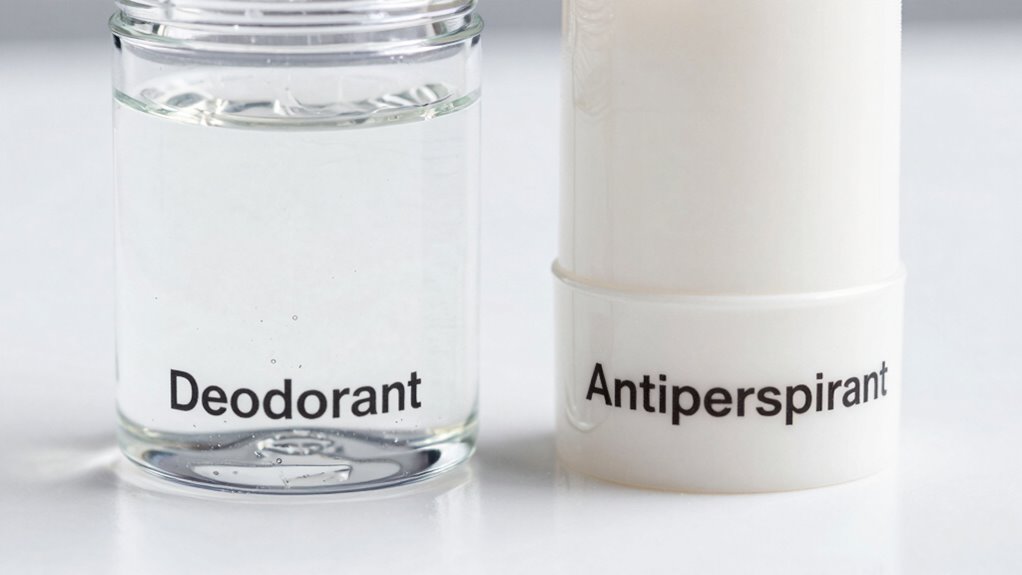
Understanding what’s inside deodorants and antiperspirants helps you choose the right product for your needs. Deodorants typically contain antimicrobial agents that reduce odor-causing bacteria, along with fragrance options to keep you smelling fresh. Antiperspirants include aluminum compounds like aluminum chloride, which temporarily block sweat glands. Some products feature natural ingredients such as aloe vera or baking soda for gentle odor control. Here’s a quick comparison:
| Ingredient Type | Role |
|---|---|
| Aluminum compounds | Reduce sweating by blocking sweat glands |
| Antimicrobial agents | Combat bacteria causing odor |
| Fragrance options | Provide scent and mask odors |
| Natural ingredients | Offer gentle, chemical-free alternatives |
Knowing these ingredients helps you find a product that matches your preferences and needs.
Should You Use Deodorant or Antiperspirant? When Is Each Better?

You might choose deodorant when you want to control odor without stopping sweat completely. Antiperspirant is better if you need to reduce sweating, especially during busy or active days. Knowing when each product works best helps you stay fresh and comfortable in any situation.
Situations For Deodorant
Choosing between deodorant and antiperspirant depends on your specific needs and daily activities. If you want to control odor and maintain good armpit hygiene, deodorant is your go-to. It’s ideal for situations where scent preferences matter, like social events or workouts. Use deodorant when you don’t need to reduce sweating but want to stay fresh. It’s also great during cooler months or when you prefer a more natural approach. For active days, or if you sweat heavily, an antiperspirant might be better, but deodorant alone works well for odor control without blocking sweat. Keep in mind, your armpit hygiene routine can influence how effective deodorant feels. Choose based on whether you prioritize scent, sweat reduction, or a combination of both for your daily needs. Additionally, consider how air purifier maintenance can help create a cleaner environment to support overall freshness.
When To Use Antiperspirant
While deodorant effectively controls odor for many situations, there are times when reducing sweating becomes more important. If you want better sweat regulation, especially during intense activities or hot weather, antiperspirant is your go-to. It temporarily blocks sweat glands, helping you stay dry and maintain personal hygiene. Use antiperspirant when you need to minimize sweat and prevent moisture buildup. Consider this table:
| Situation | Recommended Product | Why |
|---|---|---|
| Heavy sweating or workouts | Antiperspirant | Controls sweat effectively |
| Hot weather or exercise | Antiperspirant | Reduces moisture |
| Daily personal hygiene | Deodorant or antiperspirant | Odor control or sweat regulation |
Additionally, choosing the right product can be influenced by regulatory standards, ensuring safety and effectiveness. Choose antiperspirant when sweat management is your priority, especially during physical activity or hot days.
Are There Health Risks or Concerns With Antiperspirants?
Concerns about the health risks of antiperspirants often center around their active ingredients, such as aluminum compounds, which temporarily block sweat glands. While some worry about potential health implications, scientific evidence remains inconclusive. You should know that the ingredient safety of aluminum is frequently debated, but regulatory agencies consider these compounds safe when used as directed. However, some studies suggest a possible link between aluminum exposure and breast cancer or Alzheimer’s, though no definitive proof exists. To stay informed, consider these key points:
- Most research shows minimal risk with typical use
- Aluminum compounds may cause skin irritation in sensitive individuals
- Concerns about hormone disruption are largely unproven
- Using natural alternatives can reduce exposure
- Regulatory agencies have evaluated the safety of aluminum compounds and continue to monitor new research
- Aluminum exposure in consumer products is regularly reviewed by authorities to ensure safety standards
- Consult healthcare professionals if you have concerns
- Hosting and VPS services can sometimes offer resources or information related to health and safety concerns, emphasizing the importance of reliable sources.
Which Product Works Best for Odor Control?

When it comes to odor control, you need a product that keeps you fresh throughout the day. Natural options often rely on plant-based ingredients, while chemical solutions typically use active compounds like aluminum or alcohol. Consider which approach offers the most effective and lasting odor protection for your needs. Additionally, some products are designed to be Free Floating, allowing for more flexible and customizable use depending on your lifestyle. Understanding the symbolism of clocks and time can also help you choose products that align with your daily routines and personal rhythms. Recognizing the support networks for new fathers can also be beneficial if you’re balancing new responsibilities, as it can impact your overall confidence and comfort with personal care. Staying informed about creative storytelling for branding can help you make more empowered choices about the products you select, especially if you want to support brands that align with your values. Recognizing the privacy policies and cookie categories of product brands can also help you make more informed choices aligned with your values.
Effectiveness In Odor Control
When it comes to controlling odors, deodorants and antiperspirants differ in how effectively they address this issue. Deodorants primarily mask or neutralize odor-causing bacteria, while antiperspirants reduce sweat, which can help with odor indirectly. If you’re seeking natural remedies, some prefer scent-free or mineral-based options for sensitive skin. Your fragrance preferences also matter—whether you like a strong scent or something subtle. To maximize odor control, consider these points:
- Deodorants are best for odor masking and neutralization.
- Antiperspirants can prevent odor by reducing sweat.
- Natural remedies may offer gentler alternatives.
- Fragrance preferences influence your product choice.
- Combining both can offer all-encompassing odor control.
- Understanding your body’s responses and the effectiveness of active ingredients can help you choose the best product for your needs.
- Additionally, being aware of active ingredient types can inform your selection for more targeted odor management.
- Regular application and proper hygiene enhance the effectiveness of these products and can help prevent bacterial buildup that causes odor.
- Choosing products with antimicrobial agents may further improve odor control by reducing bacteria responsible for odor formation.
- The duration of effectiveness of a product is also a key factor to consider for all-day odor control.
Natural Versus Chemical Solutions
Choosing between natural and chemical solutions for odor control depends on your priorities and skin sensitivity. Natural remedies often include ingredients like baking soda, coconut oil, or essential oils, which appeal to those seeking chemical-free options. They can be effective for mild odor, but may require frequent reapplication and might not last as long as synthetic products. Chemical formulations, on the other hand, typically contain antiperspirant compounds or stronger antibacterial agents designed for long-lasting odor control. While they tend to be more effective for heavy sweating and persistent odors, some individuals with sensitive skin may experience irritation or allergic reactions. Ultimately, the best choice depends on balancing your skin’s needs with your preference for natural versus synthetic ingredients.
How to Pick the Right Deodorant or Antiperspirant for You

Selecting the right deodorant or antiperspirant depends on your specific needs and preferences. To find the best fit, consider your lifestyle, skin sensitivity, and scent choices. Think about fragrance layering—if you like layering scents, pick a product with a subtle aroma that complements your perfume. Also, pay attention to packaging sustainability if eco-friendliness matters to you; opt for brands that prioritize recyclable or minimal packaging.
Here are some tips to guide your decision:
- Determine if you prefer a purely deodorant or an antiperspirant
- Check for skin sensitivity or allergy considerations
- Consider your activity level and sweating needs
- Explore scent options for fragrance layering
- Look for eco-friendly packaging options
These factors will help you choose a product that suits your lifestyle and values.
Common Myths and Facts About Deodorant and Antiperspirant Use

Many people believe that deodorant and antiperspirant are the same, but they actually serve different purposes, and misconceptions about their safety persist. Some think that using either regularly impacts health, but research shows they’re generally safe when used as directed. A common myth is that antiperspirants cause breast cancer or Alzheimer’s, yet no conclusive evidence supports this. Others believe that deodorants hide odor without affecting sweat, but many products contain scent preferences that also include antiperspirants to reduce moisture. Good hygiene habits involve choosing products suited to your needs and understanding their true functions. Educating yourself helps dispel myths and ensures you select the right product that aligns with your scent preferences, lifestyle, and comfort.
Tips for Applying and Using Deodorants and Antiperspirants Effectively

To get the most out of your deodorant or antiperspirant, proper application is key. Start with clean, dry skin—this helps reduce odor and improves effectiveness. Use application techniques like applying at night for antiperspirants, allowing ingredients to work while you’re asleep. For deodorants, reapply during the day if needed. To enhance fragrance layering, consider applying scented products in the right order, from body wash to deodorant, then perfume. Make sure to cover the entire underarm area evenly. Avoid rubbing or over-application, as this can cause irritation. Keep in mind, less is often more—using the right amount guarantees comfort and the best results. These tips help you stay fresh and confident all day long.
Frequently Asked Questions
Can Deodorants or Antiperspirants Cause Skin Irritation or Allergic Reactions?
Yes, deodorants and antiperspirants can cause skin irritation or allergic reactions, especially if you have sensitive skin. You might notice redness, itching, or rash after use. To minimize risks, choose products with safe, gentle ingredients and avoid those with alcohol or fragrances if your skin is sensitive. Always do a patch test first, and if irritation persists, consult a dermatologist for personalized advice.
Are Natural or Organic Products Safer Than Conventional Options?
Think of natural or organic products as a garden in full bloom, bursting with natural ingredients and fresh scents. They’re generally safer because they often contain organic certification, ensuring quality and fewer synthetic chemicals. While they can be gentler on your skin, always check labels, as “natural” doesn’t guarantee safety for everyone. You’re better off choosing products with certified organic ingredients for peace of mind and a more mindful approach.
Do Antiperspirants Increase the Risk of Breast Cancer?
You might wonder if antiperspirants increase your breast cancer risk. Current research shows no conclusive evidence linking antiperspirants to breast cancer. While some studies suggest a possible connection, large-scale research hasn’t confirmed this risk. If you’re concerned, you can choose natural deodorants or limit your use of antiperspirants. Ultimately, staying informed helps you make choices aligned with your health priorities and comfort.
How Long Do Deodorant and Antiperspirant Effects Typically Last?
Think of deodorant and antiperspirant like a shield for your day. Typically, their duration effectiveness ranges from 12 to 24 hours, depending on the product and your activity level. Antiperspirants usually last longer because they block sweat glands, offering longer product longevity. However, factors like skin type and environment can affect how long they stay effective, so you might need to reapply for continued protection.
Can Using Both Deodorant and Antiperspirant Together Improve Odor and Sweat Control?
Using both deodorant and antiperspirant together can improve combination effectiveness, especially if you want better odor and sweat control. You might find that applying deodorant first to combat odor, then antiperspirant for sweat reduction, offers ideal results. Just remember to adjust your usage frequency so you don’t over-apply, which could cause irritation. Experimenting with this combo could help you stay fresh longer throughout the day.
Conclusion
Choosing between deodorant and antiperspirant is like finding the right key for your unique scent and sweat needs. By understanding how each works and what ingredients to look for, you can make an informed choice that keeps you fresh and confident. Remember, the right product is your secret weapon in the daily battle against odor and sweat, turning your routine into a breeze—smooth, simple, and tailored just for you.