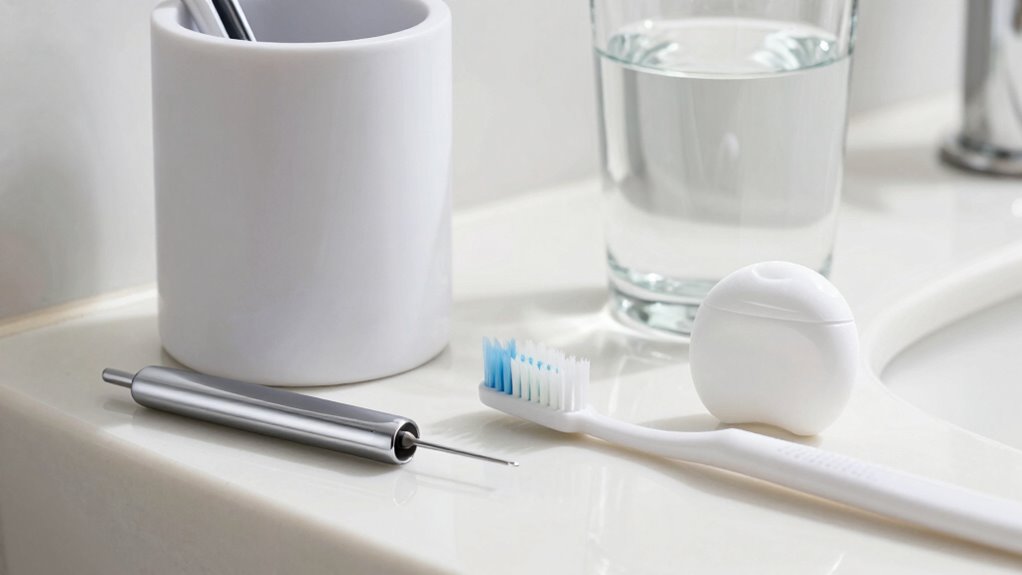
To make flossing more effective, you should brush first, then floss. Brushing first loosens plaque and debris, making it easier for floss to clean between teeth and beneath the gum line. Flossing after brushing removes particles left behind and ensures a thorough clean. Following this routine order maximizes your oral health and prevents plaque buildup. Keep going, and you’ll discover additional tips to improve your dental care and keep your smile healthy.

Get health and wellness essentials delivered free with Prime
- Fast, free delivery on millions of items
- Prime Video, Amazon Music and more included
- Member-only deals all year
Key Takeaways
- Always brush before flossing to loosen plaque and make flossing more effective.
- Floss after brushing to remove debris dislodged during cleaning.
- Follow the correct sequence: brush first, then floss for optimal oral hygiene.
- Proper routine order enhances plaque removal and prevents gum disease.
- Avoid flossing before brushing, as it can reduce the effectiveness of subsequent cleaning.
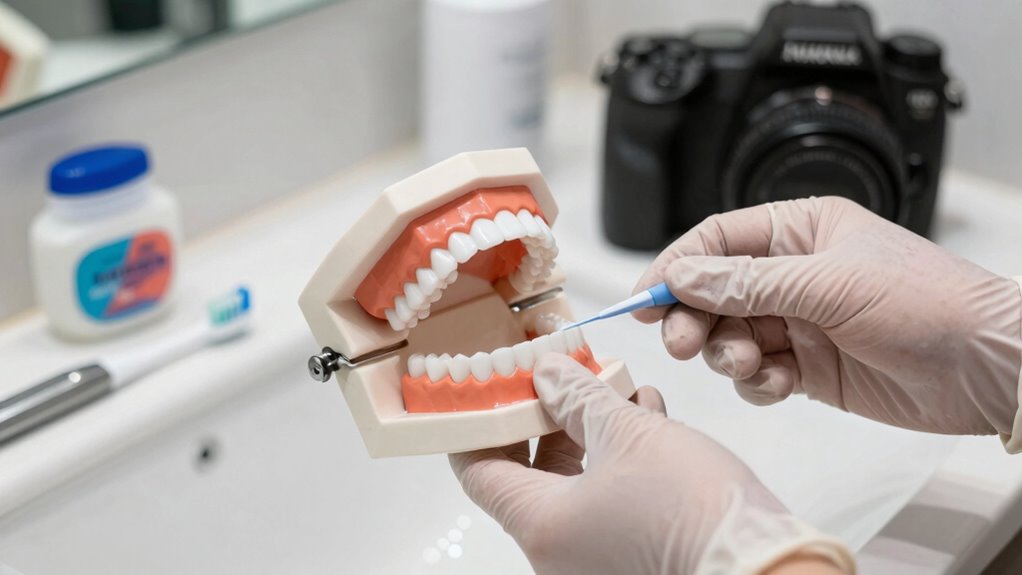
Maintaining good oral hygiene is vital for a healthy smile, but many people unknowingly make mistakes that undermine their efforts. One common mistake is not paying attention to proper brushing techniques. If you’re brushing too hard, you risk damaging your gums and wearing down enamel, which can lead to sensitivity and other issues. Instead, use gentle, circular motions, making sure to cover all surfaces of your teeth. Proper brushing techniques involve holding your toothbrush at a 45-degree angle to your gums and moving in short, controlled strokes. This method helps dislodge plaque effectively without harming your gums or enamel. Additionally, don’t forget to brush your tongue and the roof of your mouth, as these areas can harbor bacteria that contribute to bad breath and decay. Many overlook this step, but it’s vital for overall oral health. Using a soft-bristled toothbrush can also help prevent damage to your gums and enamel while maintaining effective cleaning.
Beyond brushing, mouthwash benefits your oral hygiene routine in several ways. An antiseptic mouthwash can reduce bacteria in your mouth, helping to prevent plaque buildup and gingivitis. A fluoride mouthwash can also strengthen your enamel, making your teeth more resistant to decay. Incorporating mouthwash into your routine after brushing and flossing can boost your oral health, but it shouldn’t replace brushing or flossing. Instead, use mouthwash as an added layer of protection to reach areas your toothbrush might miss. It’s important to choose a mouthwash that suits your needs and to follow the instructions for use, especially regarding rinsing time and frequency.
Another mistake many people make is skipping or rushing through their oral care routine. Proper brushing techniques should take at least two minutes to make sure you thoroughly clean every surface. Rushing through brushing or neglecting to floss can leave behind plaque and food particles, leading to cavities and gum disease over time. Flossing should be done gently but thoroughly, reaching beneath the gum line to remove debris that your toothbrush can’t reach. The order of your routine matters too; brushing first to loosen plaque and then flossing to remove it from tight spaces is more effective than doing these tasks randomly. This sequence maximizes the benefits of both practices, making your overall oral hygiene more effective. Recognizing the correct order of steps can significantly improve your dental health outcomes.
As an affiliate, we earn on qualifying purchases.
Frequently Asked Questions
Can Mouthwash Replace Flossing in Oral Hygiene Routines?
Mouthwash benefits can’t replace flossing in your oral hygiene routine. While mouthwash helps reduce bacteria and freshen breath, it doesn’t remove plaque or debris between your teeth like flossing does. As a flossing alternative, some products claim to clean between teeth, but they usually aren’t as effective. To maintain ideal oral health, stick with flossing or an effective flossing alternative alongside mouthwash for thorough protection.
How Often Should I Replace My Toothbrush for Optimal Cleaning?
Your toothbrush’s lifespan is vital for maintaining a sparkling smile; replace it every three to four months, or sooner if bristles fray or discolor. This replacement frequency guarantees you’re effectively removing plaque and bacteria without letting worn bristles compromise your oral health. Don’t risk letting your toothbrush become a breeding ground for germs—changing it on schedule keeps your cleaning game strong and your teeth bright!
Are Electric Toothbrushes More Effective Than Manual Ones?
Electric toothbrushes are generally more effective than manual ones because of advanced toothbrush technology that delivers consistent, high-speed brushing. They can remove more plaque and reduce gingivitis better than manual options, especially when used correctly. You should choose based on your comfort and needs, but electric vs manual toothbrushes each offer distinct advantages. Investing in an electric toothbrush can elevate your oral hygiene routine for healthier teeth and gums.
Does Diet Impact the Effectiveness of My Oral Hygiene Practices?
Your diet is like the fuel your engine needs; it directly influences your oral hygiene effectiveness. Poor diet affects oral nutrition, leading to weakened enamel and increased cavity risk. Eating sugary or acidic foods can undermine your flossing and brushing efforts, making them less effective. To keep your smile in top shape, prioritize a balanced diet rich in nutrients—this boosts oral health and ensures your daily oral hygiene practices work their best.
What Are Signs of Improper Flossing Technique?
You’ll notice signs of improper flossing if you apply too much flossing pressure, which can cause gum bleeding or discomfort. Additionally, if your gums bleed frequently during flossing, it may indicate you’re not flossing gently enough or that your gums are inflamed. Proper technique involves gentle, controlled flossing to remove plaque without damaging your gums. Adjust your pressure and be gentle to keep your gums healthy and avoid bleeding.
As an affiliate, we earn on qualifying purchases.
Conclusion
If you think flossing isn’t worth the time, think again. Doing it in the right order can make all the difference in your oral health. Sure, it might seem like a small step, but skipping or doing it incorrectly can lead to issues down the line. So, give this method a try—your smile will thank you. Remember, even small changes in your routine can lead to big improvements over time.
As an affiliate, we earn on qualifying purchases.
electric toothbrush for gum health
As an affiliate, we earn on qualifying purchases.
As an affiliate, we earn on qualifying purchases.
Halloween Picks
halloween
As an affiliate, we earn on qualifying purchases.