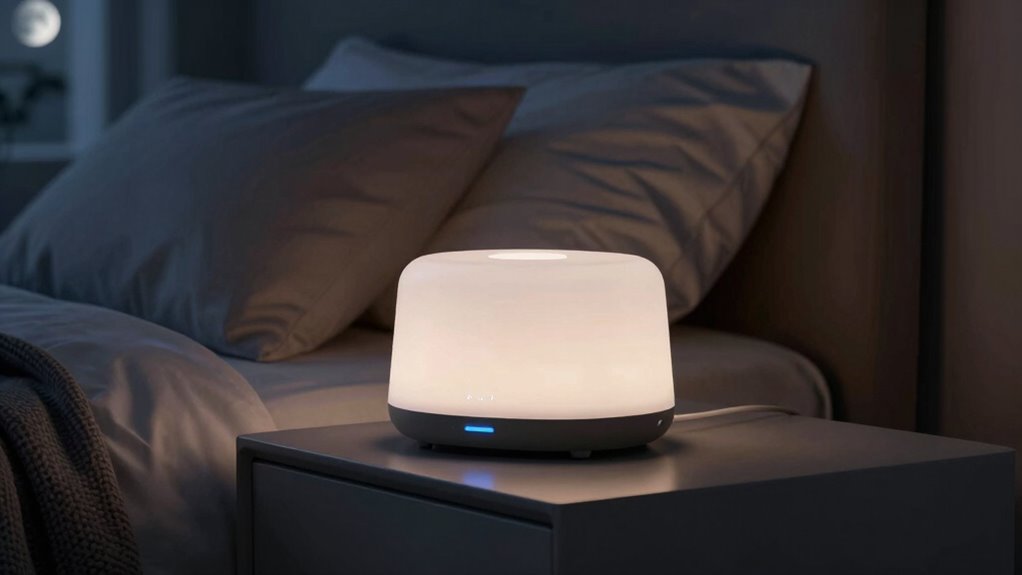

Bassy sounds help you sleep better by masking disruptive noises, calming your mind, and promoting relaxation. These low frequencies influence brainwaves, making it easier to fall asleep faster and stay asleep longer. White noise machines enhance these deep tones with advanced speakers and adjustable settings, creating an immersive, soothing environment. If you’re curious about how to maximize the benefits of bass sounds for sleep, you’ll find more helpful insights ahead.
Key Takeaways
- Bassy sounds mask external noises more effectively, creating a consistent and calming environment for sleep.
- Low frequencies influence brainwaves to promote relaxation and faster sleep onset.
- Deep bass mimics natural vibrations like thunder, triggering relaxation responses in the body.
- Bassy sounds penetrate deeper, affecting heartbeat and breathing to enhance physical calmness.
- White noise machines with adjustable bass allow personalized soundscapes that improve sleep quality for sensitive sleepers.
How Do Bassy Sounds Help You Sleep Better?
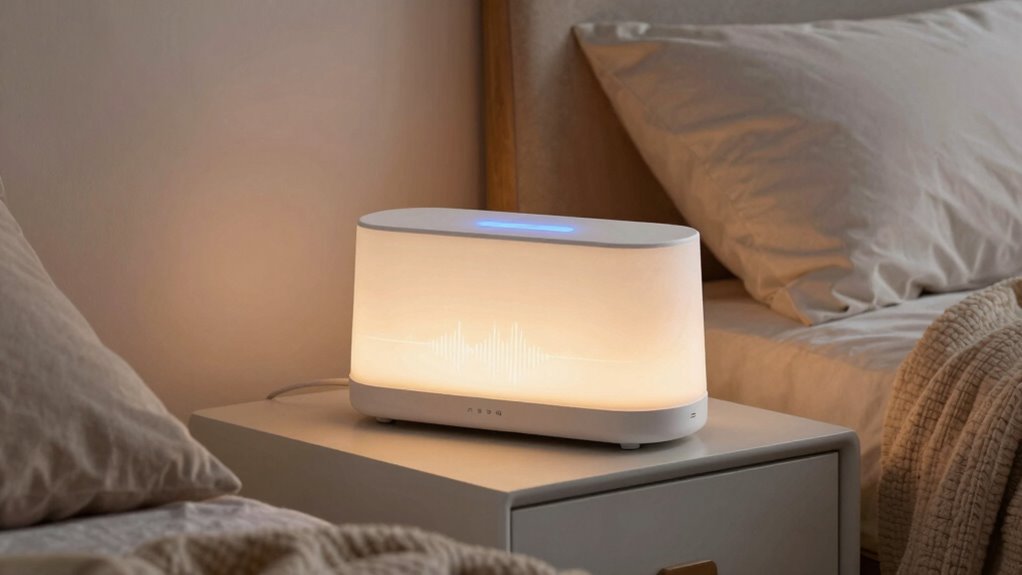
Bassy sounds can substantially improve your sleep by masking disruptive noises and creating a calming environment. Through frequency modulation, these deep tones produce a steady, soothing background that reduces sudden sounds, preventing interruptions. This technique enhances sound therapy, which uses specific sound patterns to promote relaxation and sleep. When you listen to bass-rich sounds, your brain perceives a consistent, tranquil environment, helping to lower stress and anxiety levels. The presence of low-frequency sounds can further deepen relaxation by stimulating the brain’s response to calming stimuli. Additionally, these sounds can influence your brainwaves, encouraging a state conducive to falling asleep faster and staying asleep longer. Incorporating sound therapy with bass sounds leverages the brain’s natural responses to optimize sleep quality. The integration of frequency modulation into sound therapy creates an effective auditory environment that supports restful sleep, especially if you’re sensitive to environmental noise disturbances. Moreover, understanding how brainwave entrainment works can help tailor sound environments to enhance sleep efficiency. Using bass sounds also helps to mask environmental noise, making it easier for light sleepers to achieve uninterrupted rest.
What Are Bassy Sounds and Why Are They So Relaxing?
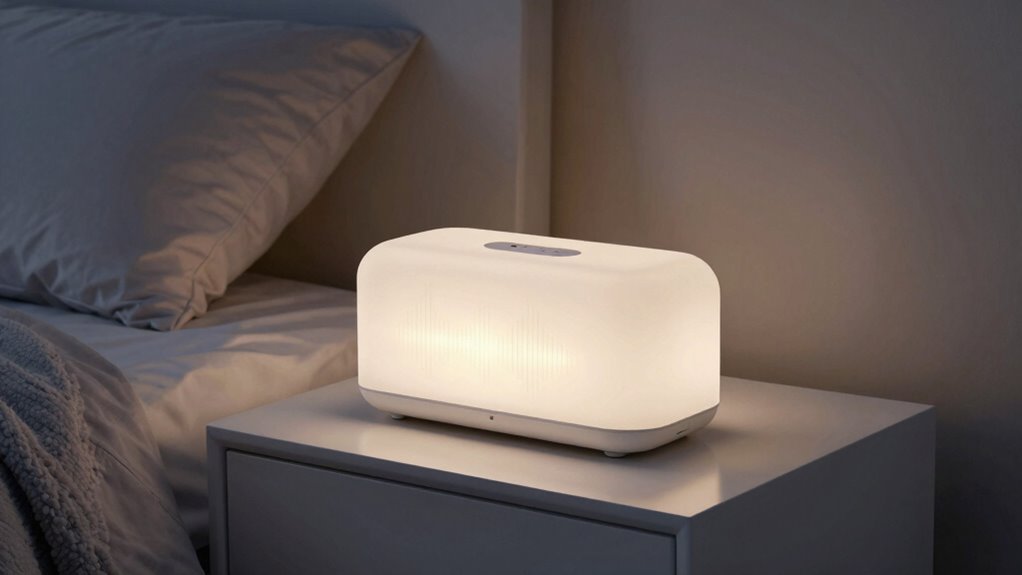
Bassy sounds have calming low frequencies that can soothe your mind and body. They also help mask external noises, making your environment feel quieter and more peaceful. This combination is why many find bassy sounds so relaxing and effective for better sleep. Additionally, some bassy noises can influence brainwave activity, promoting relaxation and sleep readiness indoor air quality. Incorporating bassy sounds into your bedtime routine may also enhance overall sleep quality by creating a more conducive environment for rest sound masking. The calming effects of bassy sounds may also be linked to their ability to brainwave activity and induce a state conducive to sleep.
Calming Low Frequencies
While high-pitched sounds often grab our attention, it’s the deep, low frequencies that tend to have a calming effect on your mind and body. These bassy sounds, often used in sound therapy, promote relaxation through mechanisms like frequency modulation that gently soothe your nervous system. Frequency modulation helps to create a sense of stability and consistency in the auditory environment. Here are four reasons why calming low frequencies work:
- They mimic natural sounds like thunder or distant rumble, triggering a relaxation response.
- Low frequencies penetrate deeper into your body, influencing your heartbeat and breathing. This phenomenon is supported by studies on auditory perception, which show how deep sounds can affect physiological processes.
- They reduce stress by dampening hyperarousal, helping you unwind. Researchers also find that these low frequencies can stress reduction by calming the nervous system.
- In sound therapy, these frequencies create a stable auditory environment that minimizes distractions and promotes sleep. Additionally, sound therapy techniques often utilize these low frequencies to enhance relaxation.
- Additionally, best heat pumpro systems utilize advanced technology to enhance overall comfort and relaxation during sleep.
Masking External Noises
Have you ever noticed how low-frequency sounds can effectively drown out background noise? Bassy sounds, like those from white noise machines, create a soothing blanket that masks disruptive sounds, helping you relax or fall asleep. These deep tones are especially beneficial if you’re sensitive to sound, reducing the impact of sudden noises. In music therapy, bass frequencies are used to promote calmness and emotional balance. When you hear these low sounds, your mind can feel more at ease, making it easier to drift into sleep. Additionally, the power of electric bikes demonstrates how controlled, consistent energy can influence various environments, much like how bass sounds create a consistent, calming background. Studies also suggest that exfoliation benefits from consistent use can improve overall skin health, much like the way bass frequencies support emotional well-being. Recognizing the importance of sound frequency ranges helps us understand why bass sounds are so effective at promoting relaxation. Moreover, understanding the sound spectrum can deepen our appreciation of how specific frequencies influence our mood and sleep quality. For example, frequency modulation can be used to fine-tune sounds for maximum calming effect.
How Do White Noise Machines Create Deep Bassy Sounds?
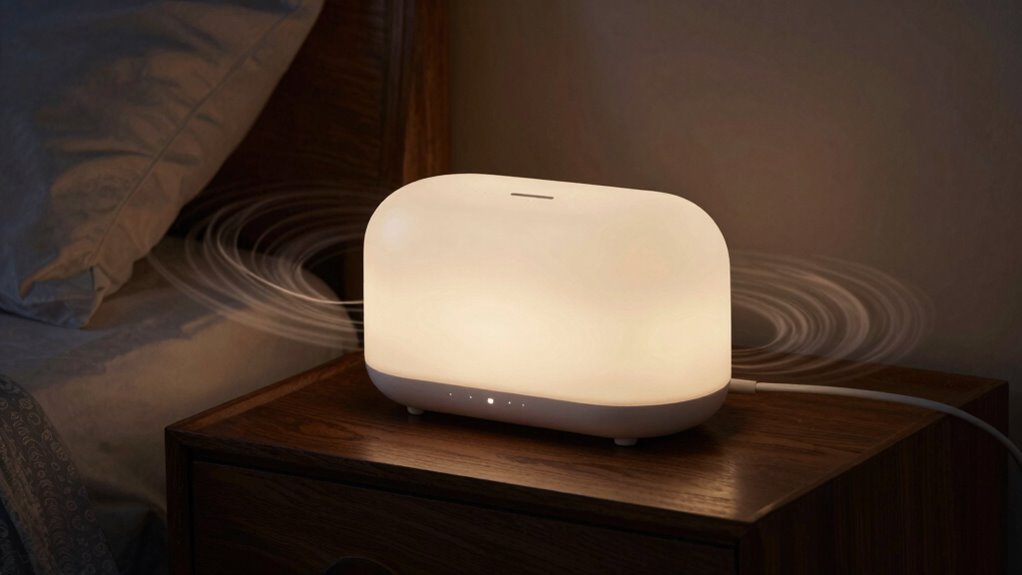
White noise machines create deep, bassy sounds by generating low-frequency audio signals that mimic the vibrations of natural sounds like thunder or distant engines. They achieve this through advanced sound wave manipulation and specialized speaker design. Here’s how:
White noise machines produce deep, bassy sounds by generating low-frequency signals that mimic natural vibrations.
- They produce low-frequency sound waves that resonate physically, creating a feeling of deep bass.
- The speakers are designed to handle these frequencies efficiently, emphasizing bass tones.
- Sound wave manipulation techniques shape the audio signals, making them more natural and soothing.
- The combination of these factors results in a deep, bassy sound that can mask disruptive noises and promote relaxation.
- Additionally, understanding sound wave physics helps explain how these machines generate and enhance bass frequencies effectively. This knowledge allows manufacturers to optimize the speaker design for richer, more immersive bass sounds.
- By leveraging principles of acoustic engineering, manufacturers can further refine how bass frequencies are produced and projected, enhancing overall sound quality. Furthermore, advancements in audio technology continue to improve the depth and clarity of these bass sounds, making them even more effective for sleep aid.
- Incorporating feedback from users helps refine the sound profiles and optimize the calming effects of these devices.
Does Low-Frequency Sound Really Improve Sleep? The Science Explained
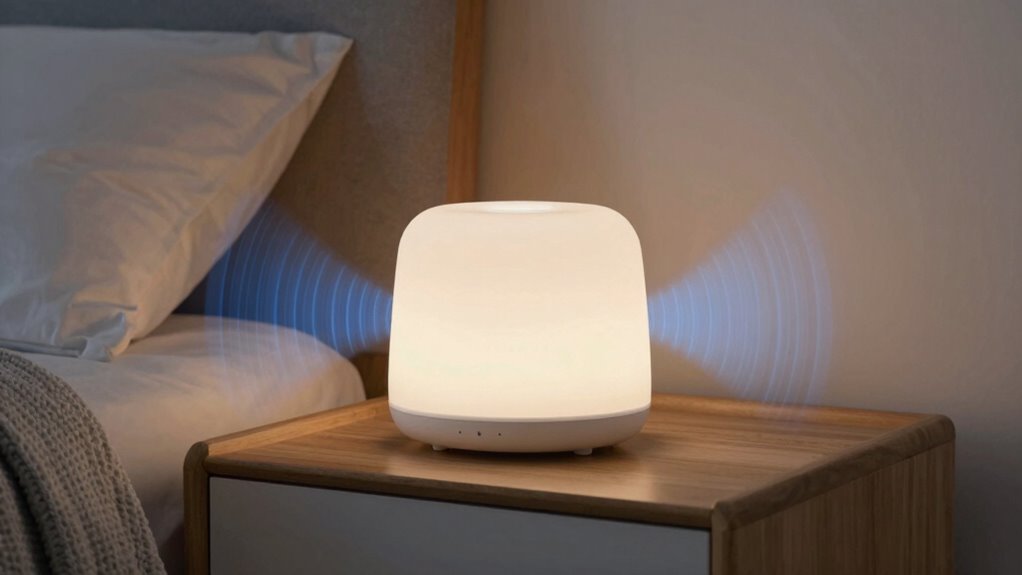
Research indicates that low-frequency sounds can enhance sleep quality by influencing brain activity and reducing disturbances. This is where sound therapy and frequency modulation come into play. Low frequencies help calm your nervous system, making it easier to fall asleep and stay asleep. Scientific studies show that bassy sounds promote relaxation by synchronizing brain waves, especially during deep sleep stages. Here’s a quick look at how different frequencies impact sleep:
| Frequency Range | Effect on Sleep |
|---|---|
| 20-60 Hz | Promotes relaxation and reduces anxiety |
| 60-120 Hz | Deepens sleep, minimizes interruptions |
| 120+ Hz | Less effective for sleep, more alerting |
Additionally, understanding brain wave synchronization can help explain why certain sounds are more effective for sleep. Many experts suggest that low-frequency sounds are particularly beneficial because they align with natural brain rhythms associated with restful states.
Why Do Some People Prefer Bassy Sounds Over High Frequencies?
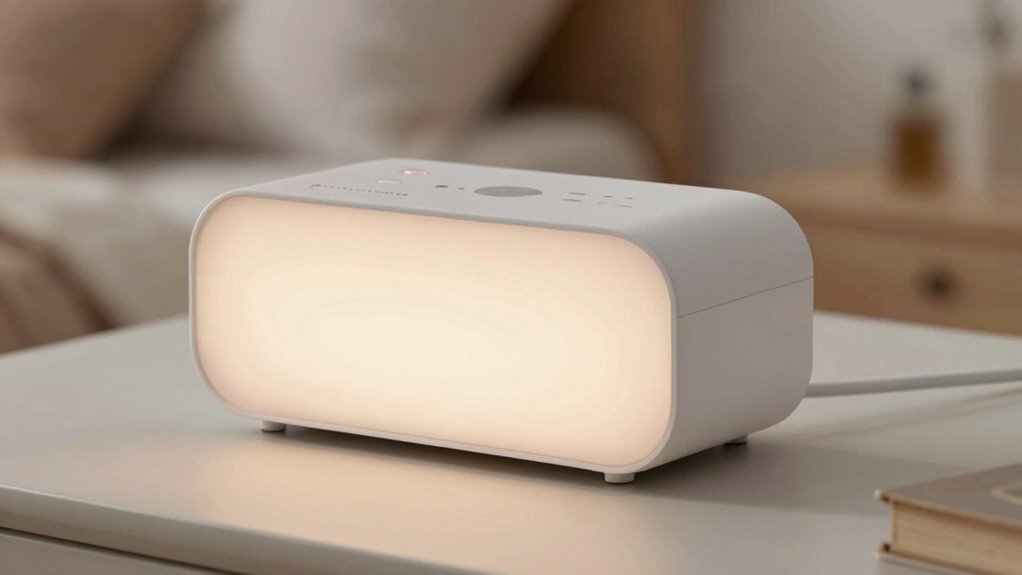
Many people prefer bassy sounds over high frequencies because low-frequency tones create a deeper, more enveloping sensation that feels naturally soothing. This preference often ties to how our brains respond to sound therapy and frequency modulation. Bassy sounds can mask disruptive noises more effectively, providing a stable background that promotes relaxation. Here are four reasons why:
- They produce a calming, physical sensation that helps reduce anxiety.
- Low frequencies are less likely to be perceived as harsh or intrusive.
- They facilitate a sense of security and comfort during sleep.
- Bassy sounds engage the brain differently, making it easier to tune out distractions.
This preference explains why many find bassy white noise more effective for sleep, leveraging the power of sound therapy to achieve deeper rest.
How to Choose a White Noise Machine With Rich, Deep Bass
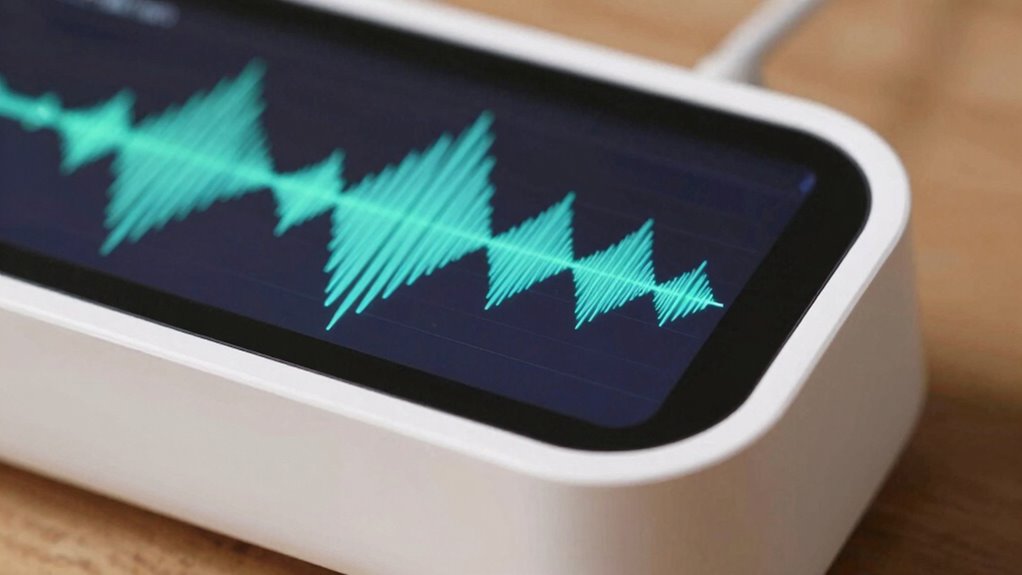
When choosing a white noise machine with deep bass, focus on models that emphasize bass-heavy frequencies for richer sound. Look for device features like adjustable tone controls or built-in bass enhancement to customize your experience. Prioritizing these aspects helps you find a machine that delivers the deep, soothing sound you prefer.
Selecting Bass-Heavy Frequencies
To select a white noise machine with rich, deep bass, focus on models that emphasize lower-frequency sounds. These sounds often rely on effective frequency modulation and sound engineering techniques to produce a fuller, more soothing experience. When choosing, consider these key aspects:
- Frequency Range: Ensure it covers bass-heavy frequencies around 20-200 Hz.
- Sound Quality: Look for machines that utilize advanced sound engineering for clean, resonant bass.
- Adjustability: Opt for models with customizable bass levels to match your preference.
- Sound Profiles: Check if it offers deep, bass-focused sound options rather than flat, high-pitched noises.
A well-designed machine will harness precise frequency modulation to generate natural, immersive low-frequency sounds that can enhance your sleep quality.
Device Features for Deep Sound
Choosing a white noise machine with rich, deep bass starts with identifying key device features that enhance low-frequency sounds. Look for machines with robust speakers designed to produce full-bodied, bass-rich tones, which are essential for effective sound therapy and sound meditation. Adjustable bass controls allow you to tailor the depth of sound to your preference, creating a more immersive experience. Some models include multiple sound profiles or equalizer settings that emphasize bass frequencies, ideal for music therapy sessions or deep relaxation. Additionally, consider devices with high-quality audio output and minimal distortion at low frequencies. These features guarantee your white noise machine can deliver the deep, calming sounds that help promote restful sleep and deepen your sound meditation practices.
Common Mistakes When Using White Noise for Sleep: and How to Avoid Them
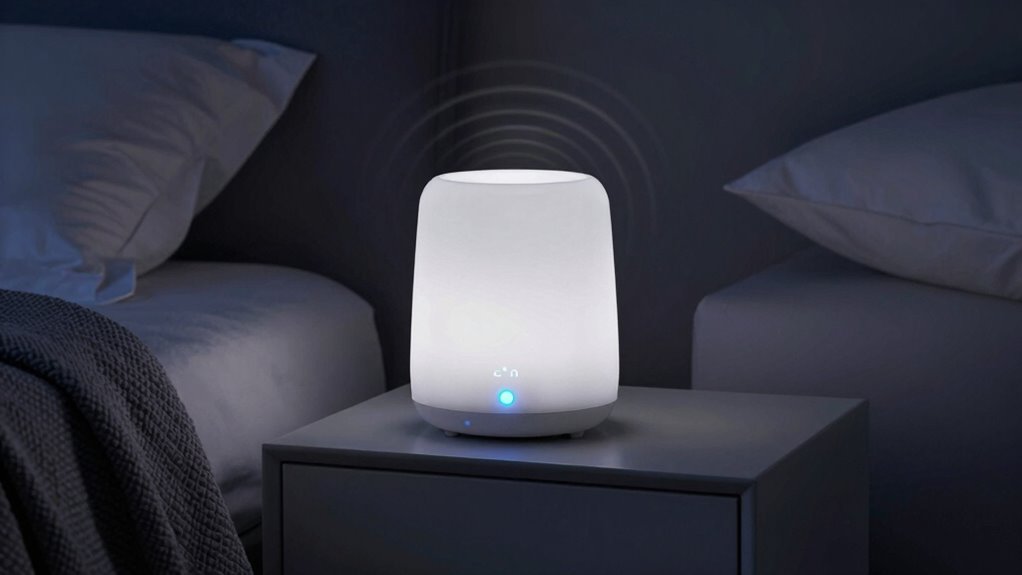
Many people make the mistake of using white noise at too high a volume, which can disturb your sleep rather than enhance it. Proper sound therapy relies on maintaining a comfortable, consistent level that supports sleep hygiene. To avoid common pitfalls:
- Set the volume too loud, causing potential disruption.
- Use inconsistent sound patterns, which can wake you.
- Rely solely on white noise without considering other sleep hygiene practices.
- Use the device in the same spot, leading to uneven sound distribution.
Keeping the volume moderate, choosing soothing sounds, and integrating white noise into a healthy sleep routine can improve sleep quality. Being mindful of these mistakes ensures you get the most benefit from sound therapy without unintended side effects.
Are Bassy Sounds Safe and Suitable for Everyone?
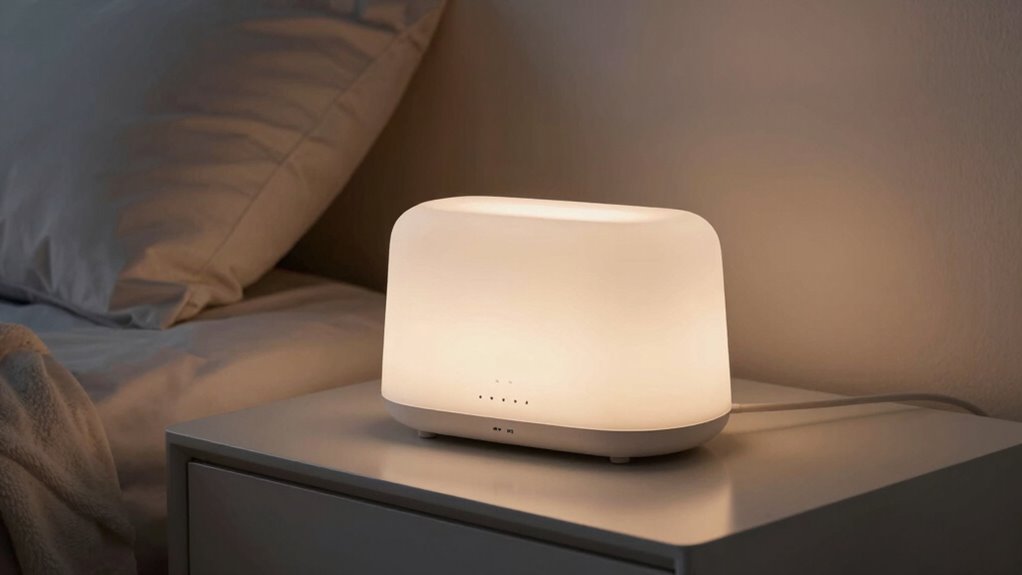
Are bassy sounds safe and suitable for everyone? Not necessarily. While many find deep, low-frequency noises calming, some musical genres like EDM or bass-heavy sound therapy sessions can be overwhelming or even irritating for certain individuals. If you’re sensitive to loud or deep sounds, bassy noises might cause discomfort or disrupt your sleep rather than promote it. People with conditions such as tinnitus or hearing sensitivities should approach bassy sound therapy cautiously. It’s important to listen carefully and adjust volume levels to avoid potential harm. Remember, what works for one person isn’t guaranteed to work for everyone. Always pay attention to your body’s responses and consult with a healthcare professional if you have concerns about using bassy sounds for sleep.
Frequently Asked Questions
Can Bassy Sounds Help With Anxiety or Only Sleep?
Bassy sounds can help with anxiety because they influence your psychological effects and auditory perception, creating a calming environment. You might find that deep, low-frequency noises reduce stress and promote relaxation beyond sleep. These sounds can trigger a sense of safety and comfort, making it easier to manage anxiety. So, yes, bassy sounds aren’t just for sleep—they can positively impact your mental well-being by soothing your mind and senses.
Are There Health Risks Associated With Prolonged Exposure to Low-Frequency Noise?
Prolonged exposure to low-frequency noise can pose health risks, such as hearing impairment, increased stress, or sleep disturbances. You might not notice the damage right away, but over time, continuous low-frequency noise can affect your well-being. It’s essential to monitor your environment and limit exposure if you experience symptoms like headaches or fatigue. Staying aware of these health risks helps you protect your long-term health and sleep quality.
How Do Personal Preferences Influence the Effectiveness of Bassy Sounds?
Your personal taste greatly influences how effective bassy sounds are for you. When you customize sounds to match your preferences, you’re more likely to find them soothing and sleep-inducing. Sound customization allows you to select the right bass levels and frequencies, making the experience more comfortable. Ultimately, tailoring the noise to your preferences helps create a calming environment that promotes better sleep, especially if you find deep, bassy sounds naturally relaxing.
Are Bassy Sounds Effective for Children or Only Adults?
Bassy sounds can be effective for children, especially when used in sound therapy to promote relaxation and better sleep. They may help soothe a child’s developing nervous system and create a calming environment, aiding in child development. However, each child responds differently, so observe how your child reacts to bassy sounds. Incorporating these sounds thoughtfully can support healthy sleep patterns and overall well-being.
Do Different Room Sizes Affect How Bassy Sounds Influence Sleep Quality?
Yes, room size and acoustics influence how bassy sounds affect your sleep. Larger rooms with more sound absorption may diminish bass intensity, making it less effective. Conversely, smaller spaces with reflective surfaces amplify bass, helping you relax. Adjusting your white noise machine’s volume or adding soft furnishings can optimize bassy sounds, ensuring they provide the calming effect you need for better sleep.
Conclusion
If you find that bassy sounds help you sleep better, trust your instincts—your body knows what it needs. While science shows low-frequency noise can promote relaxation, everyone’s different. Experiment with different sounds to discover what truly helps you unwind and rest. Remember, it’s not just about comfort but about tuning into your unique sleep needs. Sometimes, trusting your own experience is the best way to find the peaceful sleep you deserve.