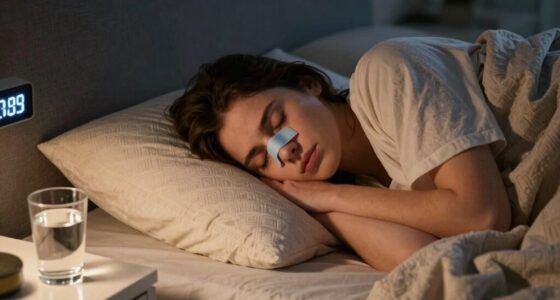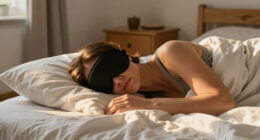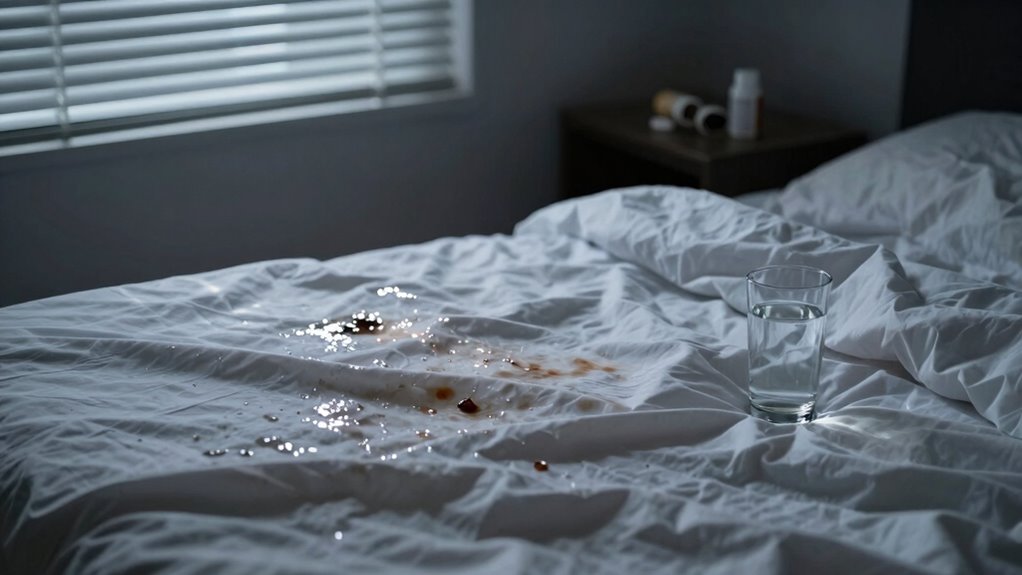

Night sweats often happen quietly and are triggered by common factors that many overlook. Fluctuating hormones, especially during menopause or thyroid issues, can cause hot flashes and night sweats. Medications like antidepressants or blood pressure drugs may also interfere with your body’s temperature regulation. Stress, spicy foods, or sleeping in a warm environment can make things worse. Recognizing these often-hidden triggers helps you manage symptoms better. Keep going to discover how these factors might be affecting you and what you can do.

Get health and wellness essentials delivered free with Prime
- Fast, free delivery on millions of items
- Prime Video, Amazon Music and more included
- Member-only deals all year
Key Takeaways
- Hormonal fluctuations during menopause or thyroid issues often cause night sweats and are frequently overlooked.
- Medication side effects from antidepressants, diabetes, or blood pressure drugs can trigger night sweats unknowingly.
- Stress, anxiety, and lifestyle choices like spicy foods or caffeine near bedtime can increase night sweating.
- Environmental factors such as warm room temperatures and heavy bedding significantly contribute to night sweats.
- Persistent or severe night sweats may indicate underlying health conditions requiring medical evaluation.
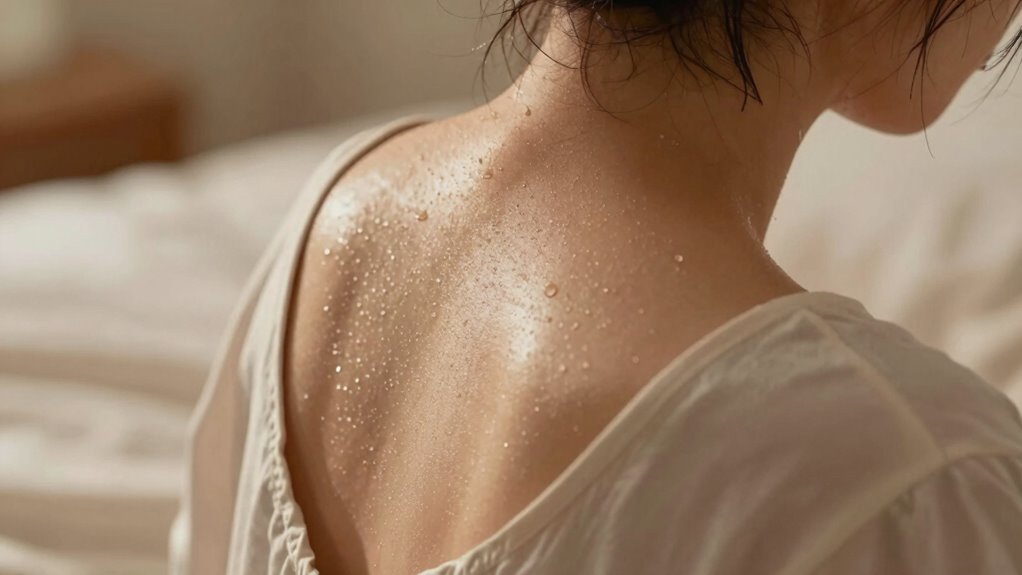
Have you ever woken up drenched in sweat, unsure of what caused it? Night sweats can be alarming, especially when you’re not sure why they happen. Often, the culprits are subtle and easily overlooked, like hormonal changes or medication side effects. Your hormones play a significant role in regulating body temperature, and shifts in these levels can cause intense sweating during the night. For example, women going through menopause experience fluctuating estrogen levels, which can trigger hot flashes and night sweats. Similarly, hormonal imbalances related to thyroid issues or other endocrine disorders can disrupt your body’s temperature regulation, leading to episodes of excessive sweating while you sleep.
Hormonal shifts like menopause and thyroid issues can cause night sweats.
Medication side effects are another common but often underestimated cause of night sweats. Many prescription drugs, including antidepressants, antipyretics, and medications for diabetes or blood pressure, list sweating as a potential side effect. If you’ve recently started a new medication or increased your dosage, it could be the reason you’re waking up soaked. Some medications interfere with your body’s ability to regulate temperature or alter neurotransmitter levels, which can trigger night sweats. It’s important to review your medication list and speak with your healthcare provider if you suspect your drugs are contributing to this problem.
Stress and anxiety can also influence your sleep and body temperature. When you’re stressed, your body releases stress hormones like cortisol, which can lead to increased sweating. Even if you don’t feel anxious during the day, unresolved stress or anxiety can manifest at night, disrupting your sleep and causing night sweats. Additionally, certain lifestyle factors like consuming spicy foods or caffeine close to bedtime can elevate your core temperature, making you more prone to sweating during the night.
Environmental factors shouldn’t be overlooked either. Sleeping in a room that’s too warm or using heavy bedding can cause overheating, resulting in night sweats. Adjusting the room temperature or opting for lighter bedding might help reduce these episodes.
Understanding these triggers is vital because night sweats can sometimes signal underlying health issues. While hormonal shifts and medication side effects are common culprits, persistent or severe night sweats warrant a consultation with your healthcare provider. They can help identify the root cause, whether it’s hormonal, medical, or environmental, and guide you toward effective treatment options. Recognizing these often-overlooked triggers allows you to take steps to improve your sleep quality and overall well-being, making nights more comfortable and restful. Additionally, understanding the role of hormones in temperature regulation can empower you to seek appropriate medical advice and interventions when needed.
menopause night sweat relief pillow
As an affiliate, we earn on qualifying purchases.
As an affiliate, we earn on qualifying purchases.
Frequently Asked Questions
Can Diet Influence Night Sweat Frequency?
Yes, your diet impact can influence how often you experience night sweats. Certain food triggers, like spicy foods, caffeine, or alcohol, can raise your body temperature and cause sweating. Eating heavy or greasy meals before bed may also disrupt your sleep and trigger night sweats. By paying attention to your food triggers and making healthier choices, you might reduce the frequency of night sweats and improve your sleep quality.
Do Night Sweats Indicate Underlying Infections?
Think of night sweats as a warning flare signaling your body’s battles inside. Yes, they can indicate underlying infections that trigger your immune response, making your body work overtime. But beware—night sweats also overlap with symptoms of other conditions, so they’re not a clear alarm on their own. If they persist, it’s wise to consult a healthcare professional to uncover whether infections or other issues are behind your restless nights.
Are Night Sweats More Common in Certain Age Groups?
Yes, night sweats are more common in certain age groups. You’re more likely to experience them during menopause due to age-related hormonal changes. Younger individuals with genetic predispositions or hormonal imbalances may also face night sweats. As you age, your body’s hormonal regulation shifts, increasing the likelihood of sweating episodes at night. Recognizing these patterns can help you identify if your night sweats are linked to age-related factors or other health issues.
How Does Stress Trigger Night Sweating?
Like a storm brewing inside, stress activates your body’s stress hormones, which can cause night sweating. Emotional triggers, such as anxiety or worry, send signals to your nervous system, prompting your sweat glands to overwork. When you experience stress, your body responds as if in danger, leading to increased sweating during sleep. Recognizing these triggers helps you manage stress better, reducing the likelihood of night sweats.
Can Dehydration Worsen Night Sweats?
Yes, dehydration can worsen night sweats because fluid loss during sweating leads to dehydration, which causes electrolyte imbalance. When you’re dehydrated, your body struggles to regulate temperature properly, making night sweats more intense. Drinking enough water and maintaining electrolyte balance can help reduce the severity of night sweats. Staying hydrated before bed is essential to prevent dehydration from exacerbating your symptoms and to support overall comfort during sleep.
thermostatic night sleep cooling blanket
As an affiliate, we earn on qualifying purchases.
As an affiliate, we earn on qualifying purchases.
Conclusion
Night sweats can feel like an unwelcome storm, drenching your peace when you least expect it. But by recognizing common triggers—like stress, diet, or medications—you hold the power to calm the storm before it starts. Imagine a quiet, cool night where your body rests peacefully, undisturbed by sudden waves. Taking small steps now can turn those restless nights into tranquil, soothing slumber, letting you wake refreshed and ready to face a new day with clarity and calm.
medication side effect night sweat relief
As an affiliate, we earn on qualifying purchases.
As an affiliate, we earn on qualifying purchases.
thyroid health supplement for night sweats
As an affiliate, we earn on qualifying purchases.
As an affiliate, we earn on qualifying purchases.
Halloween Picks
halloween
As an affiliate, we earn on qualifying purchases.