If external noise disrupts your sleep, white noise offers a quick, affordable solution by masking sounds with a steady background hum, making intrusive noises less noticeable. Soundproof windows provide a more permanent fix by physically blocking out most external noise, creating a quieter environment. Combining both can offer ideal comfort. To find out which option suits your situation best and how to get the most restful sleep, keep exploring the different approaches.
Key Takeaways
- White noise masks external sounds, making occasional noise less disruptive and aiding in sleep continuity.
- Soundproof windows provide a physical barrier, significantly reducing external noise for a quieter bedroom environment.
- White noise is portable, affordable, and ideal for temporary or moderate noise issues, while soundproof windows are a long-term solution.
- Combining white noise with soundproof windows offers maximized noise reduction and improved sleep quality.
- Choosing between the two depends on noise level and permanence needs: quick masking vs. permanent silence.
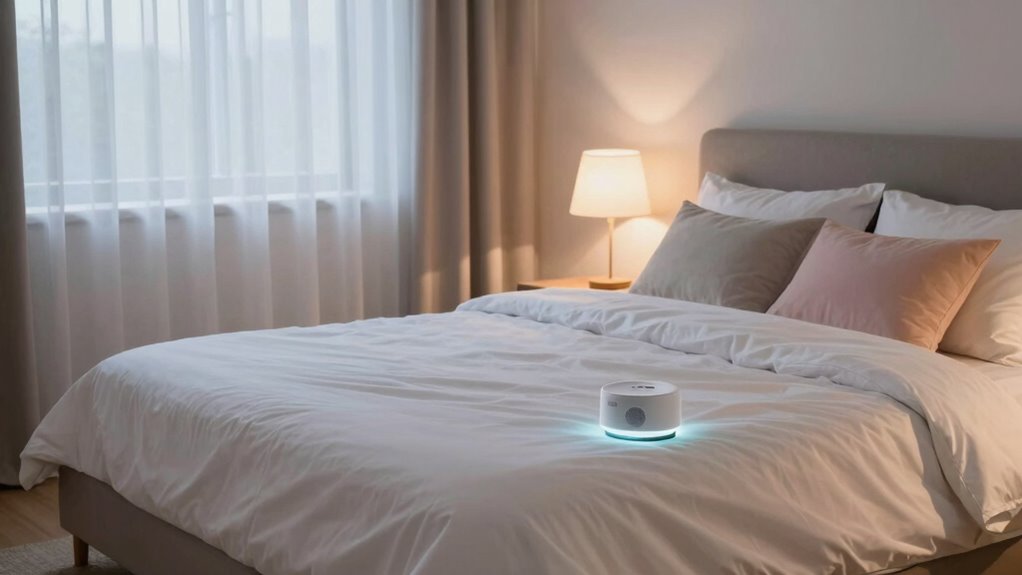
Are sleepless nights caused by unwanted noise disrupting your peace? If so, you’re not alone. Many people struggle to get restful sleep when outside sounds seep into their bedrooms, making it hard to relax and drift off. Luckily, there are effective ways to mask or block noise, and understanding your options can help you choose the best solution. Two popular methods are using sound masking techniques like white noise and installing soundproof windows. Each approach has its advantages, and knowing how they work can help you create a quieter, more restful environment.
White noise is a simple yet powerful tool for masking disruptive sounds. It produces a consistent, soothing background sound that drowns out sudden noises like sirens, traffic, or neighbors. When you turn on a white noise machine or use a dedicated app, it creates a steady auditory environment that makes intrusive sounds less noticeable. This technique is especially effective if you’re a light sleeper or if external noise fluctuates unpredictably. White noise doesn’t eliminate noise but instead makes it less jarring, helping you stay asleep longer and wake up feeling more refreshed. It’s affordable, easy to use, and customizable to your preferences, making it a popular choice for many who want a quick fix.
On the other hand, soundproof windows offer a more permanent, premium solution to noise issues. These specialized windows are designed with multiple panes, thicker glass, and insulating materials that considerably reduce the amount of sound that enters your bedroom. If outside noise is persistent and disruptive, investing in soundproof windows can make a dramatic difference. They provide a physical barrier that minimizes noise infiltration, creating a quieter indoor environment. Installing soundproof windows not only helps with noise but can also improve your home’s energy efficiency, keeping your room cooler in summer and warmer in winter. While they require a larger upfront investment, they offer long-term peace of mind and a more consistent, noise-free environment.
Deciding between white noise and soundproof windows depends on your specific situation. If your problem is occasional or moderate noise, white noise might be enough to mask disruptions. If you live in a noisy neighborhood or near busy streets, soundproof windows could be the more effective long-term solution. Many people find combining both approaches works best: installing soundproof windows to block most noise and using white noise to mask residual sounds or create a calming atmosphere. Whichever route you choose, the goal is to reclaim your sleep and enjoy a quiet retreat in your bedroom. Understanding these options empowers you to take control of your sleep environment and finally get the restful nights you deserve.
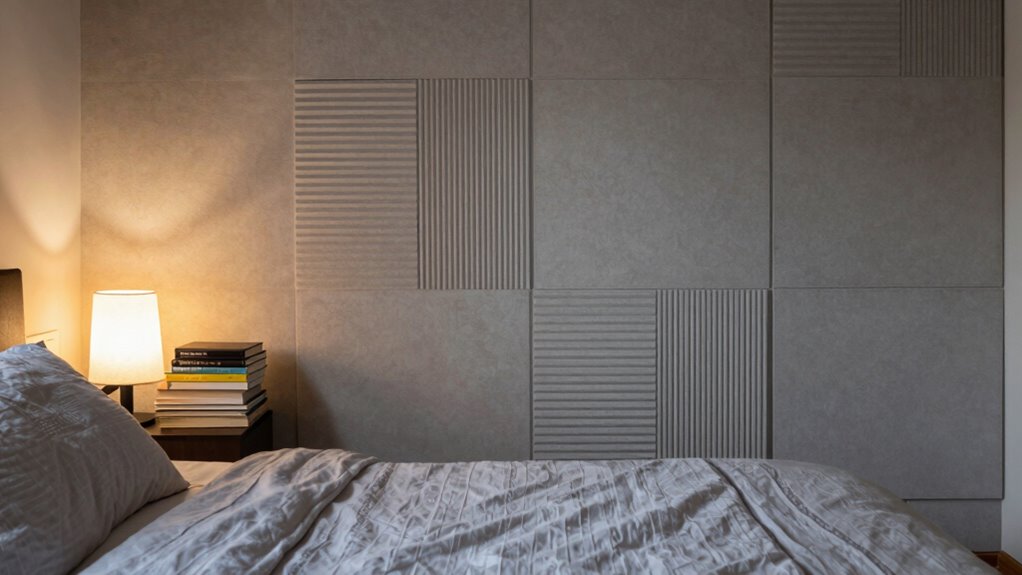
Additionally, considering soundproofing materials can further enhance your bedroom’s acoustic environment and maximize the effectiveness of your noise reduction efforts.
Frequently Asked Questions
Can Sound Masking Devices Completely Eliminate Bedroom Noise?
Sound masking devices can’t completely eliminate bedroom noise, but they markedly reduce its impact. By adding gentle, consistent background sounds, sound masking creates a barrier that makes disruptive noise less noticeable. While silence might seem ideal, it often highlights noise rather than conceals it. You’ll find that sound masking helps you sleep better by blending bedroom noise into a soothing, less intrusive background, improving overall comfort and rest.
What Are the Health Benefits of Reducing Bedroom Noise?
Reducing bedroom noise can dramatically boost your sleep quality and lower stress levels—it’s like giving your mind a gust of fresh air. When you minimize disruptive sounds, you fall asleep faster, stay asleep longer, and wake up feeling more refreshed. Plus, less noise helps decrease cortisol, the stress hormone, promoting relaxation and overall health. Prioritizing a quieter sleep environment truly transforms your well-being, making each night a restorative experience.
How Does Sound Masking Compare to White Noise Machines?
Sound masking typically offers better privacy concerns and device customization than white noise machines. It integrates seamlessly into your environment, providing consistent, tailored sound that masks intrusive noises without overpowering your space. White noise machines generate a generic noise that may lack flexibility. With sound masking, you control the volume and sound profile, ensuring a more personalized and discreet experience, which helps improve sleep quality and focus.
Are There Any Side Effects From Using Sound Masking at Night?
You might worry about side effects from using sound masking at night, but generally, it’s safe and can actually improve your sleep hygiene by reducing disruptive ambient noise. Some may experience minor discomfort or dependency, but these are rare. Proper volume control and occasional breaks help prevent any issues. Overall, sound masking enhances your sleep environment without significant side effects, making it a reliable tool for peaceful, uninterrupted rest.
What Is the Typical Cost Difference Between Sound Masking and Silence Solutions?
The cost comparison between sound masking and silence solutions varies, with sound masking generally being more affordable upfront due to devices or systems available at different price points. Silence solutions, like soundproofing, tend to be more expensive because they require installation and materials. Affordability factors include your room size, noise level, and your budget. Consider long-term benefits and maintenance costs when choosing the best option for your bedroom.
Conclusion
So, whether you choose the gentle hush of sound masking or the calming embrace of silence, remember that your bedroom should feel like a peaceful sanctuary. Picture a quiet lake at dawn, where every ripple fades into stillness, or a soft, warm blanket cocooning you in comfort. By finding the right noise fix, you create a serene space where restful sleep becomes your nightly retreat, leaving you refreshed and ready to greet each new day.