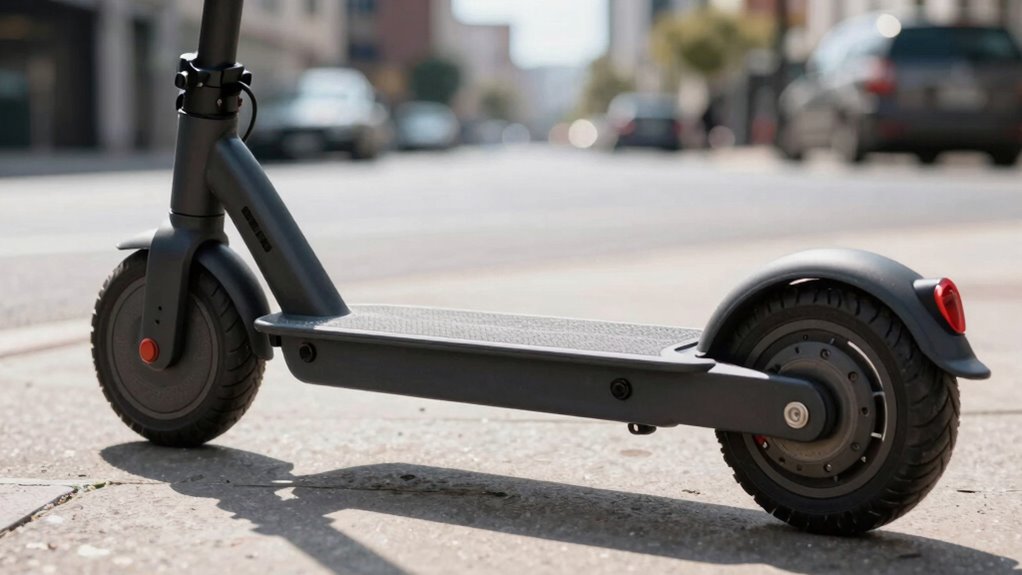

When choosing an e-scooter, focus on real-world performance rather than exaggerated range claims, which often reflect ideal test conditions. Don’t get swayed by clickbait suspension features; instead, prioritize ride comfort, tire durability, and overall build quality. Basic suspensions and tire types serve different needs, so pick based on your terrain. If you want to learn how to evaluate these features effectively, keep going—there’s more valuable advice coming up.
Key Takeaways
- Manufacturer range claims often reflect ideal conditions; real-world performance varies with terrain and riding style.
- Suspension types influence comfort but may wear out faster; choose based on terrain and ride needs.
- Air-filled tires offer smoother rides but are prone to punctures, while solid tires are more durable but less comfortable.
- Higher motor power and larger batteries increase cost and maintenance, not always extending actual riding time.
- Prioritize real-world testing over specs to assess scooter performance, comfort, and range effectively.
Does Range Matter for Your Daily E-Scooter Rides?
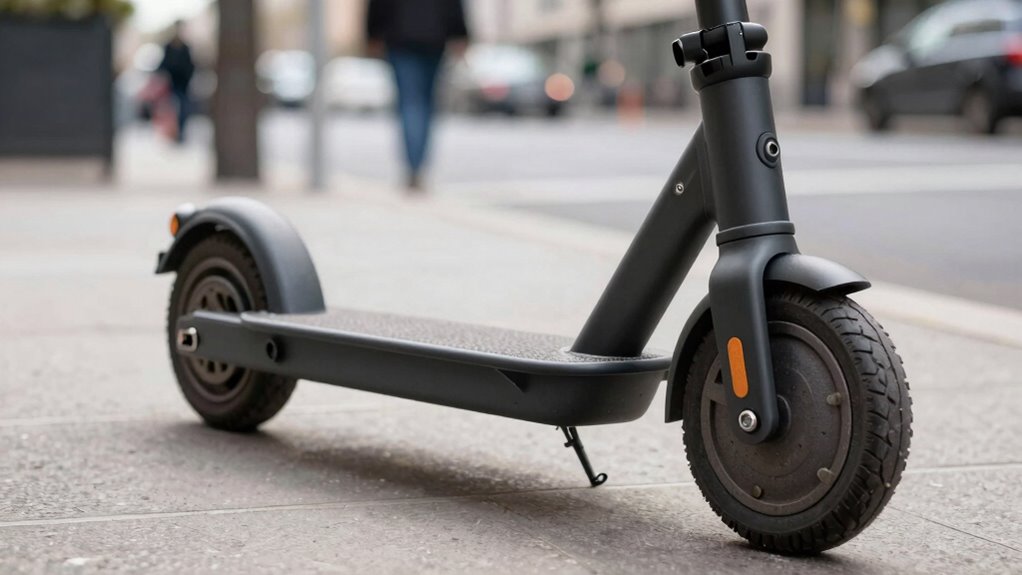
Do you really need a long-range e-scooter for your daily commutes? If your route is short, focusing on battery life may be unnecessary. Most models with modest range can easily cover your daily distance without worries. However, if your commute involves longer distances or frequent longer trips, then higher motor power becomes important, as it often correlates with better efficiency and extended range. Remember, manufacturers often exaggerate range claims, so it’s better to take into account real-world performance. A scooter with sufficient battery capacity and a reliable motor will keep you moving without needing frequent recharges. Additionally, motor efficiency plays a crucial role in extending your scooter’s actual range, ensuring you get the most out of your battery. Optimizing battery management systems can further enhance your riding experience by improving longevity and performance. It’s also worth noting that contrast ratio in motor and battery performance can impact how well your scooter maintains consistent power output over time. Being aware of real-world performance benchmarks can help you select a model that truly meets your needs. Considering component quality can also influence overall efficiency and durability, making your ride more reliable. If you don’t plan to ride far, investing in a long-range e-scooter might be overkill and add unnecessary weight and cost. Focus on your actual daily distance rather than inflated range estimates.
Do Suspension Types Really Make Your Ride Smoother?
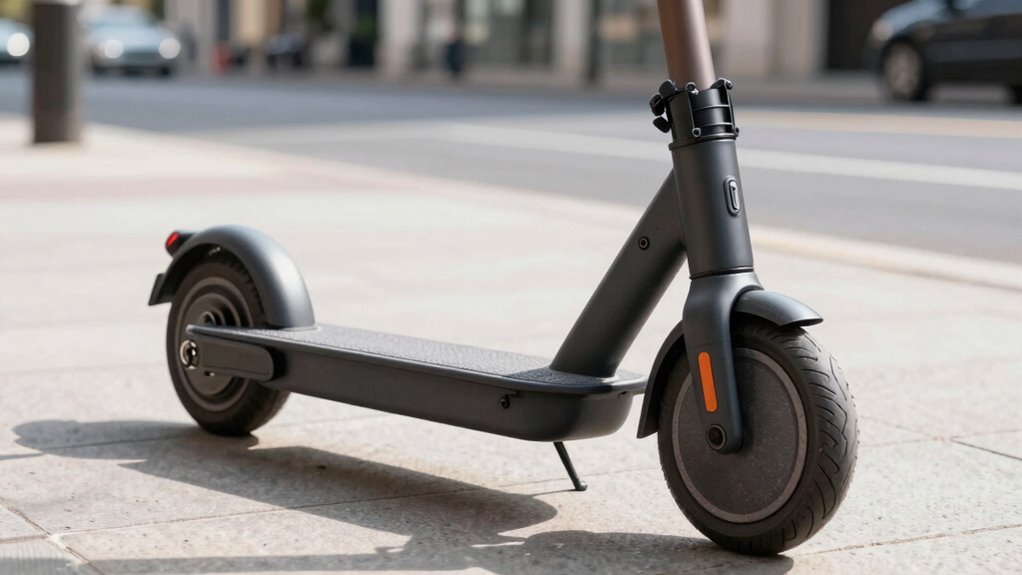
Different suspension systems claim to improve ride comfort, but you’ll want to contemplate how each type actually affects your experience. The impact on comfort varies, and some options may require more maintenance or cost more upfront. Let’s explore whether these suspensions truly deliver smoother rides or if they’re just marketing hype. For example, vehicle protection options like remote car covers can help maintain optimal conditions for your suspension components, potentially extending their lifespan. Additionally, understanding the different tire types used in e-scooters can influence ride quality and durability, which are critical factors for a comfortable journey. Moreover, considering how suspension design interacts with tire type can further enhance ride smoothness and handling, especially when factoring in shock absorption capabilities for different terrains. Recognizing the importance of proper maintenance practices can also ensure that your suspension system continues to perform effectively over time.
Types of Suspension Systems
While suspension systems are often marketed as key to a smoother ride, not all types deliver the same benefits. Many e-scooters feature basic spring or foam suspensions that offer minimal comfort, especially on rough terrain. Some models incorporate more advanced setups, like hydraulic or adaptive suspensions, but these tend to be pricey and add weight. It’s worth noting that features like regenerative braking can help you recover energy and extend range, while LED lighting improves visibility and safety during night rides. However, these features don’t directly impact ride comfort. Instead, suspension type influences how well your ride absorbs bumps and vibrations. In many cases, investing in a scooter with a decent suspension system can make a difference—though, ultimately, it’s not a guarantee of a perfectly smooth experience. Additionally, understanding the different suspension options can help you choose a model best suited for your riding conditions. For optimal comfort, considering how suspension interacts with other riding factors can provide a more comprehensive approach to selecting the right e-scooter. Being aware of credit card security measures can also enhance your overall safety when purchasing or maintaining your scooter online. Moreover, researching user reviews can offer real-world insights into how different suspension systems perform in everyday use. Recognizing the limitations of suspension can help set realistic expectations for your ride quality.
Impact on Ride Comfort
Although suspension systems are marketed as key to a smoother ride, their actual impact varies considerably. In urban environments, where bumps and cracks are common, a well-designed suspension can improve comfort slightly, but it’s not a game-changer. Many riders find that tires and riding posture matter more. Additionally, some brands prioritize urban aesthetics over genuine comfort, which can mislead you into expecting a smoother experience. A company’s reputation often hinges on marketing claims rather than real-world performance, so don’t rely solely on suspension type to judge ride quality. Ultimately, factors like tire quality and overall build influence comfort more than suspension alone. Recognizing this helps you make smarter choices without overestimating the impact of suspension systems. For example, tire types can significantly affect ride smoothness and safety, often more than the suspension design itself. Moreover, understanding the limitations of suspension systems can help set realistic expectations and guide better investment decisions. Additionally, considering spare parts availability can be crucial for long-term maintenance and performance, especially since components vary widely in durability and repairability.
Cost and Maintenance Factors
Suspension types can substantially influence both the cost of an e-scooter and the ongoing maintenance it requires. High-quality suspension systems often add to the initial price and may need regular adjustments or repairs, increasing your upkeep costs. Additionally, the scooter’s battery capacity directly affects long-term expenses—larger batteries usually mean higher replacement costs but longer rides. Motor power also plays a role; more powerful motors can wear out faster, leading to more frequent repairs or replacements. If you opt for a scooter with advanced suspension, expect to pay more upfront and for parts over time. Balancing these factors helps you determine whether the increased durability and comfort are worth the extra investment in maintenance and replacement costs. Considering suspension types can help you choose a model that offers the best combination of comfort and affordability over time.
What’s the Difference Between E-Scooter Tires? Durability and Types Explained

E-scooter tires come in various types, each designed for different riding conditions and durability needs. Some tires feature solid rubber, offering high durability but less shock absorption, while others are air-filled, providing a smoother ride but more prone to tire puncture. Tread patterns also vary, with knobby designs ideal for off-road use and smoother patterns better for city streets. The right choice affects how often you’ll face tire punctures and how well your scooter handles different terrains. For durability, consider your riding environment; tires with deeper tread patterns generally last longer on rough surfaces. Keep in mind that tire puncture resistance depends on both the tire material and tread design, impacting your overall maintenance needs and ride quality. Additionally, understanding the tire types can help you select the most suitable tires for your specific needs and riding habits. Knowing the tire durability can also guide you in choosing tires that match your riding frequency and terrain preferences.
Are Range Claims on E-Scooters Exaggerated? How to Know the Real Range
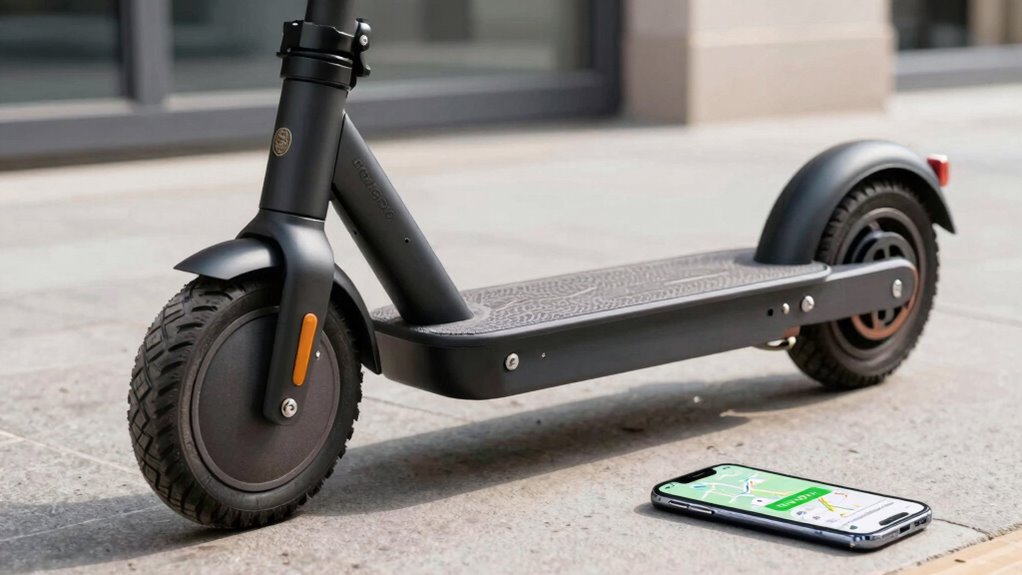
Many e-scooter manufacturers advertise impressive range figures, but those numbers often don’t reflect real-world riding conditions. Factors like battery capacity and motor power play paramount roles in actual range. A larger battery capacity typically means more stored energy, but if the motor is powerful, it can drain the battery faster, reducing the overall distance you can travel. Manufacturers may test under ideal conditions, such as flat terrain and steady speeds, which don’t match everyday use. To gauge the real range, consider reviews from riders who test the scooter in various environments. Also, pay attention to the scooter’s rated range at different speeds. Remember, aggressive acceleration and hilly terrain can substantially cut into the advertised range, so take those figures with a grain of salt.
Should You Prioritize Suspension or Tire Quality When Buying?
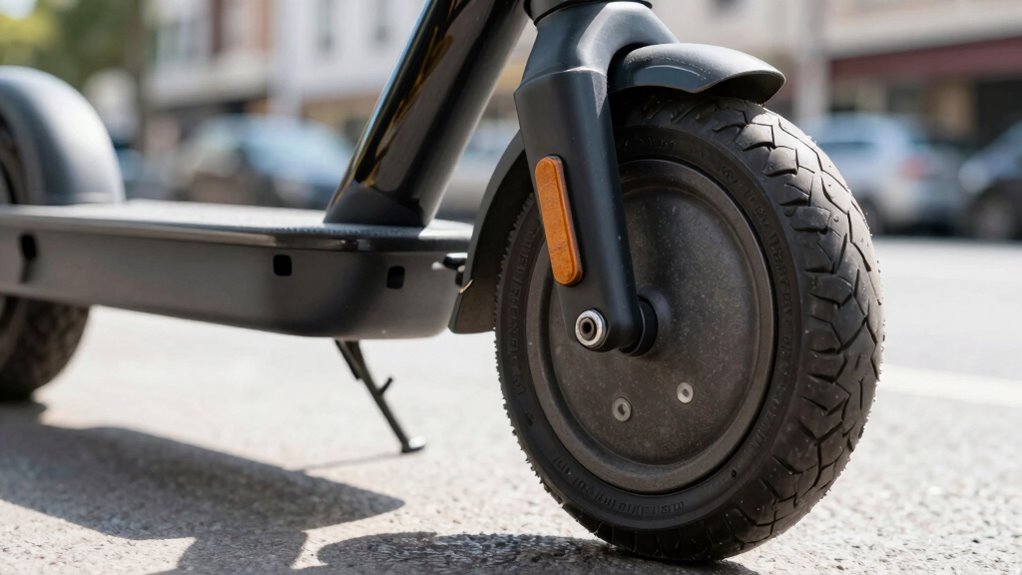
When choosing an e-scooter, balancing comfort and safety often comes down to whether you should prioritize suspension or tire quality. If you pick suspension, you’ll benefit from reduced suspension noise and smoother rides over bumps. However, quality tires are vital to prevent tire punctures, which can be frustrating and dangerous. Consider this comparison:
| Feature | Suspension | Tire Quality |
|---|---|---|
| Comfort | Improves ride over rough terrain | Less affected by uneven surfaces |
| Durability | Might wear out faster | Longer-lasting and puncture-resistant |
| Maintenance | Can be noisy and need adjustments | Less maintenance, fewer punctures |
| Safety | Reduces shock impact | Prevents flats, safer riding |
Prioritize based on your typical terrain and ride style: suspension for comfort, tires for reliability. Additionally, tire pressure plays a crucial role in maximizing both safety and performance. Being aware of maintenance needs can help extend the lifespan of your tires and suspension components. Recognizing the importance of component quality can further ensure a safer and more enjoyable ride.
What Features Are Overhyped and Not Worth Your Money?
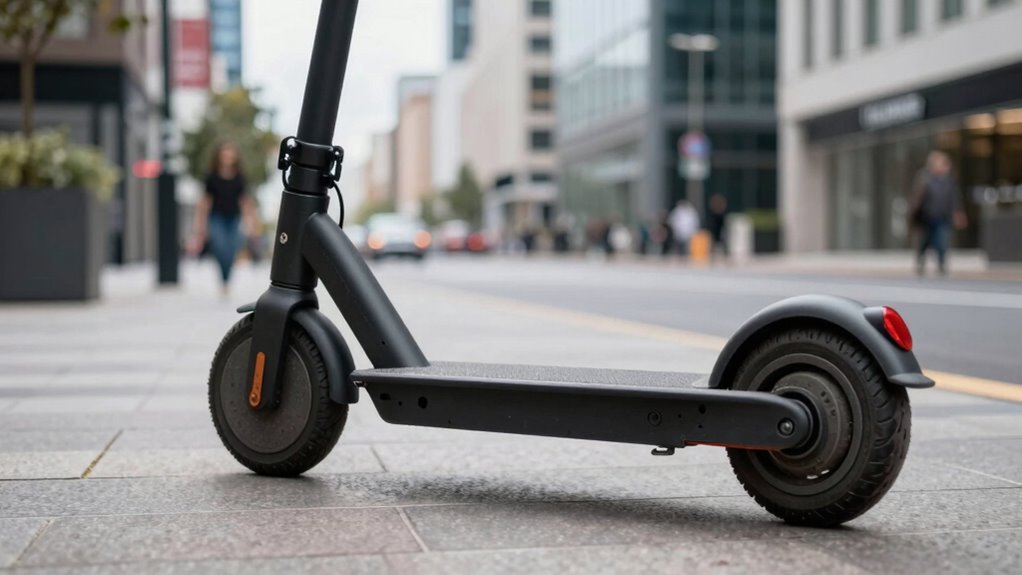
While it’s tempting to chase every new feature, some upgrades are more about marketing hype than real value. For example, increasing battery capacity doesn’t always mean longer rides if the scooter’s weight or design limits performance. You might see claims of massive range, but real-world use often falls short. Similarly, LED lighting is commonly touted as a safety feature, yet many scooters have bright lights that drain the battery quickly without substantially improving visibility. Instead of falling for these overhyped features, focus on practical aspects like ride comfort, build quality, and real-world range. Extra battery capacity and flashy LED lights might look appealing, but they rarely justify the extra cost if they don’t enhance your riding experience meaningfully.
How to Evaluate an E-Scooter’s Performance Beyond Specs
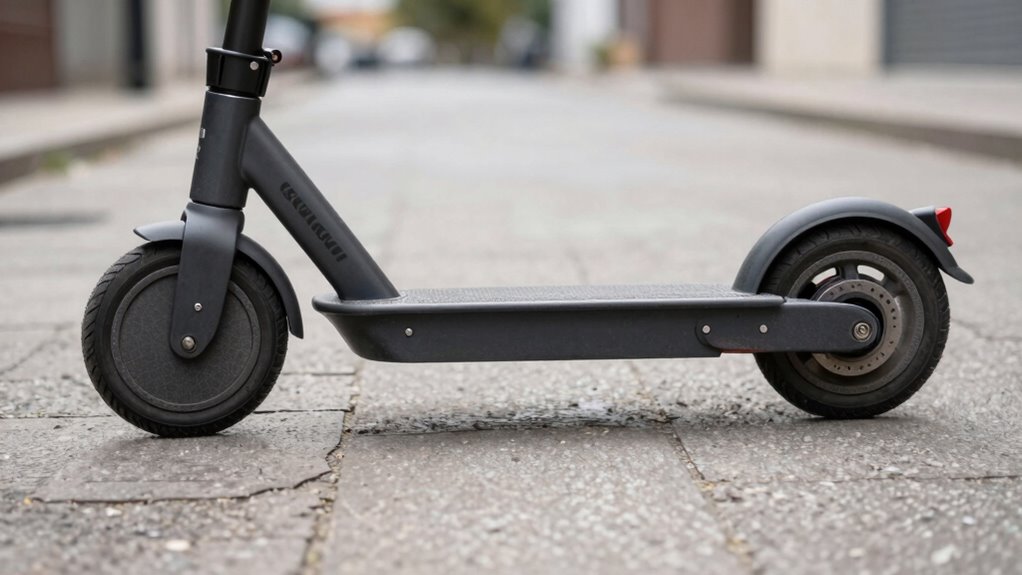
Rather than relying solely on the numbers in the specs sheet, you should test an e-scooter in real-world conditions to truly understand its performance. Pay attention to battery longevity during your rides—how quickly it drains under different terrains and riding styles. A scooter with a high-rated range on paper may perform differently in everyday use. Also, consider weight considerations; a heavier scooter can affect acceleration, handling, and portability. Test how it feels when you ride over bumps, inclines, or uneven surfaces, as specs often don’t reflect real-world comfort. Keep in mind that actual performance depends on factors like battery health, rider weight, and terrain. Doing a practical test provides a clearer picture than just looking at the manufacturer’s claims.
Frequently Asked Questions
How Does Weather Affect E-Scooter Suspension Performance?
Weather impact can considerably affect your e-scooter’s suspension performance. Rain, snow, or muddy conditions can reduce suspension durability by causing corrosion or clogging, making it less responsive over time. Cold temperatures can stiffen suspension components, leading to a rougher ride. You should regularly check and maintain your suspension system, especially after harsh weather, to guarantee smooth performance and extend its lifespan.
Can Tire Type Influence E-Scooter Speed?
Tire type definitely influences your e-scooter’s speed. For example, tires with better grip and larger wheel diameters can help you accelerate faster and maintain higher speeds. A 10-inch wheel often outperforms smaller ones for smooth, quick rides. The tire grip directly affects traction, especially on wet surfaces, while wheel diameter impacts rolling resistance. So, choosing the right tires can boost your scooter’s top speed and overall performance.
What Maintenance Is Required for Suspension Systems?
You should regularly check your suspension system for signs of wear to guarantee durability. Keep the shock absorbers lubricated to maintain smooth performance and prevent squeaks or stiffness. Inspect for leaks or damage, and tighten any loose bolts or screws. Proper maintenance extends suspension lifespan, providing a comfortable ride and peak shock absorption. Remember, consistent care helps your e-scooter perform well and lasts longer.
Do Higher-Priced E-Scooters Always Have Better Range?
Higher-priced e-scooters often have better range, but it’s not guaranteed. You should compare models based on actual specs rather than price alone. Look at the brand reputation and real-world reviews to find reliable options. Sometimes, a less expensive scooter from a trusted brand offers comparable or better range than a pricier one. Focus on detailed specifications and user feedback to make the best choice for your needs.
How Important Is Rider Weight in E-Scooter Range?
Rider weight considerably impacts your e-scooter range because increased weight causes more strain on the motor and battery. Heavier riders experience a greater weight impact, leading to reduced distance per charge. To maximize range, consider your weight when choosing or riding an e-scooter, and be aware that lighter riders typically enjoy longer rides. Adjusting your riding style can also help mitigate the effects of rider weight on range.
Conclusion
When choosing an e-scooter, don’t fall for inflated range claims—most riders only get about 50-70% of the advertised distance. Remember, suspension and tire quality impact your comfort more than flashy specs. Did you know that over 80% of riders prioritize ride comfort over speed? Focus on what truly matters for your daily rides, and you’ll enjoy a smoother, more reliable experience without wasting money on overhyped features.