
Choosing between Pomodoro and time blocking depends on how your brain works and the type of tasks you’re tackling. If you prefer quick bursts of focus with frequent breaks, Pomodoro suits your style, especially for routine or distraction-prone work. If you thrive on long, uninterrupted periods for complex projects, time blocking is better. Understanding your attention span helps decide the best fit—but keep exploring to find the most effective approach for you.
Key Takeaways
- Choose Pomodoro for short, distraction-prone tasks; opt for time blocking for deep, complex projects requiring sustained focus.
- Match your attention span: frequent breaks suit easily distracted minds; longer sessions benefit those with steady concentration.
- Dynamic work environments favor Pomodoro; quiet, structured spaces are ideal for time blocking.
- Repetitive tasks are efficient with Pomodoro; intricate projects thrive with longer, uninterrupted time blocks.
- Combining both methods can optimize focus, prevent burnout, and adapt to varied work demands and personal rhythms.
Understanding Pomodoro and Time Blocking: What’s the Difference?

While both Pomodoro and time blocking are popular productivity techniques, they approach time management differently. Pomodoro emphasizes short, focused work intervals, typically 25 minutes, followed by a short break. This helps you maintain a steady focus duration and actively manage distractions, preventing burnout. It’s ideal if you struggle with staying on task or get easily distracted. Time blocking, on the other hand, involves scheduling larger chunks of time for specific tasks or projects. It encourages you to allocate dedicated periods, giving you a clear structure for your day. This method helps you manage distractions by designating certain hours for focused work, boosting your efficiency. Both techniques aim to optimize your focus duration, but they do so with distinct strategies suited to different work styles. Additionally, understanding the importance of emotional connection in work can enhance your productivity by aligning your tasks with your personal motivations. Recognizing your individual work preferences can help you choose the technique that best complements your natural tendencies. Incorporating AI-powered tools can further customize these methods to fit your unique workflow and maximize productivity. Exploring effective time management strategies can also provide additional insights into optimizing your daily schedule.
Which Productivity Technique Fits Your Work Style?

Your focus preferences shape which productivity method works best for you. If you prefer short, intense work bursts, Pomodoro might suit you, but if you need longer periods of deep focus, time blocking could be better. Consider your task types and work style to choose the technique that helps you stay most effective. Recognizing your attention span can also guide you toward the most suitable approach. Additionally, understanding your cognitive style can help you tailor your work sessions to maximize efficiency and reduce fatigue. Being aware of your body’s response to focus and breaks can further inform your choice between these methods. Incorporating cycling habits or physical activity into your routine may also improve your overall focus and energy levels throughout the day. Exploring ergonomics and workspace setup can also enhance your comfort and productivity during work sessions.
Focus Preferences Differ
Choosing the right productivity technique depends heavily on your work style and focus preferences. Your cognitive differences influence how you sustain attention and process tasks. If you have an intense attention style, you might thrive with time blocking, dedicating long, uninterrupted periods to deep work. Conversely, if your attention tends to drift easily, the Pomodoro technique’s short, focused intervals could suit you better, helping maintain engagement without burnout. Recognizing your natural attention patterns allows you to select a method that aligns with how your brain functions. For example, some people find frequent breaks essential for recharging, while others prefer extended stretches of concentration. Understanding your focus preferences helps you craft a work routine that maximizes productivity and minimizes frustration. Additionally, aquatic exercise can serve as a beneficial way to refresh your mind and body during breaks, boosting overall focus and productivity. Moreover, being aware of your attention span can guide you in customizing these methods even further to suit your specific needs. Incorporating music therapy integration into your routine might also help enhance your focus and emotional well-being during work sessions. Being mindful of home environment factors can further optimize your productivity by reducing distractions and creating a conducive workspace. Recognizing and adapting to your cognitive style can make a significant difference in how effectively you implement these techniques.
Work Style Compatibility
Matching your work style with the right productivity technique can considerably boost your efficiency. If you have a short attention span, the Pomodoro Technique’s focused 25-minute intervals can help you stay engaged without burnout. It works well in a work environment where frequent breaks are feasible, allowing you to reset and maintain momentum. Conversely, if you prefer longer periods of deep work and dislike frequent interruptions, time blocking might suit you better. This method allows you to allocate extended chunks of time for complex tasks, especially when your attention span naturally sustains focus over longer periods. Your work environment also influences your choice—quiet, structured spaces may favor time blocking, while dynamic, open settings might benefit from the quick progression of Pomodoro. Choosing the right technique can also be influenced by your familiarity with Gold IRA Rollovers, which require sustained focus and planning—considering your natural work rhythm can help optimize your productivity strategies and decision-making.
Task Types Suitability
Different types of tasks respond better to specific productivity techniques. If you’re dealing with simple or repetitive tasks, the Pomodoro Technique works well, helping you stay focused without brain fatigue. It’s perfect for quick, straightforward activities that don’t require long periods of deep concentration. Conversely, complex tasks with high task complexity demand longer, uninterrupted blocks of time, making time blocking more suitable. This method allows you to dive deep without constant interruptions, reducing mental strain and preventing brain fatigue. Recognizing your task type helps you choose the right approach. For routine work, Pomodoro keeps you energized and motivated. For intricate projects, time blocking provides the space needed for thorough, high-quality work. Matching your technique to your task type optimizes productivity and preserves mental clarity. Additionally, understanding cybersecurity vulnerabilities can help you protect your digital workspace, ensuring your focus remains on productivity rather than security concerns. Being aware of security zone info can help you further safeguard your devices and data from potential threats. Moreover, aligning your productivity strategy with your brain’s capacity ensures sustainable work habits and prevents burnout. Incorporating awareness of potential digital security risks can also prevent disruptions that might hinder your workflow. Recognizing the importance of security best practices supports maintaining a safe and focused work environment.
Pros and Cons of the Pomodoro Technique
The Pomodoro Technique offers several clear advantages, especially for those seeking to improve focus and manage time more effectively. It helps you structure your work into focused intervals with dedicated break durations, reducing burnout. This method enhances distraction management by encouraging you to stay on task during each session. However, it also has drawbacks. For some, rigid timing can disrupt natural work flow or creative processes. You might find the break durations too short for deep concentration, leading to frustration. Additionally, frequent interruptions may hinder complex tasks requiring extended focus. Consider whether you prefer disciplined time segments or longer, flexible work periods. Ultimately, this technique fits those who thrive on structured routines but may challenge those needing unbroken periods for complex thinking. Incorporating tools like airless paint sprayers exemplifies how efficiency and consistent performance can be achieved through the right methods and equipment. Moreover, understanding your individual productivity style can help determine whether time management techniques like Pomodoro are most effective for you.
Strengths and Weaknesses of Time Blocking

Time blocking offers a powerful way to organize your day by allocating specific periods for different tasks, which helps guarantee important activities receive dedicated attention. Its strength lies in task prioritization, allowing you to focus on high-impact projects during peak energy periods. However, it can lack flexibility in scheduling, making it challenging to adapt when unexpected events occur. Rigid time blocks might cause frustration if priorities shift or delays happen. To better understand, consider this overview:
| Strengths | Weaknesses |
|---|---|
| Enhances task prioritization | Limits flexibility in scheduling |
| Promotes focused work | Can be inflexible for urgent tasks |
| Creates clear daily structure | Risks rigidity if not adjusted |
| Improves time management | May cause stress if over-scheduled |
| Encourages discipline | Less adaptable to spontaneous needs |
Balancing structure with flexibility is key to maximizing its benefits.
How to Choose the Right Method for Your Focus and Goals

To choose the right method, start by evaluating your attention span—do you work best in short bursts or longer periods? Consider your goals: if you need quick progress on specific tasks, Pomodoro might suit you, but if you’re managing complex projects, time blocking could be better. Matching your focus style and objectives will help you pick a method that keeps you productive.
Assess Your Attention Span
Understanding your attention span is crucial when choosing between Pomodoro and time blocking. Your focus capacity can vary based on task complexity, energy levels, and mental fatigue. To assess your attention span, observe how long you can maintain deep focus before distraction takes over. Consider these factors:
- How many minutes you can stay fully engaged without losing concentration
- When your focus begins to wane during different tasks
- Your ability to switch between tasks without losing productivity
- How mental fatigue impacts your ability to sustain attention
Align With Your Goals
Choosing the right method depends on how well it aligns with your specific goals. Consider your brain flexibility—do you thrive on short bursts or longer focus periods? To optimize goal alignment, match your method to your work style:
| Focus Duration | Best Method |
|---|---|
| Short tasks | Pomodoro Technique |
| Long projects | Time Blocking |
| Creative work | Flexible, mix methods |
If your goals require quick, intense focus, Pomodoro keeps you sharp and motivated. For complex, long-term projects, time blocking provides sustained periods of deep work. By aligning your method with your goals, you enhance goal achievement and support your brain’s natural flexibility, making your productivity both effective and sustainable.
Can Combining Pomodoro and Time Blocking Boost Your Productivity?
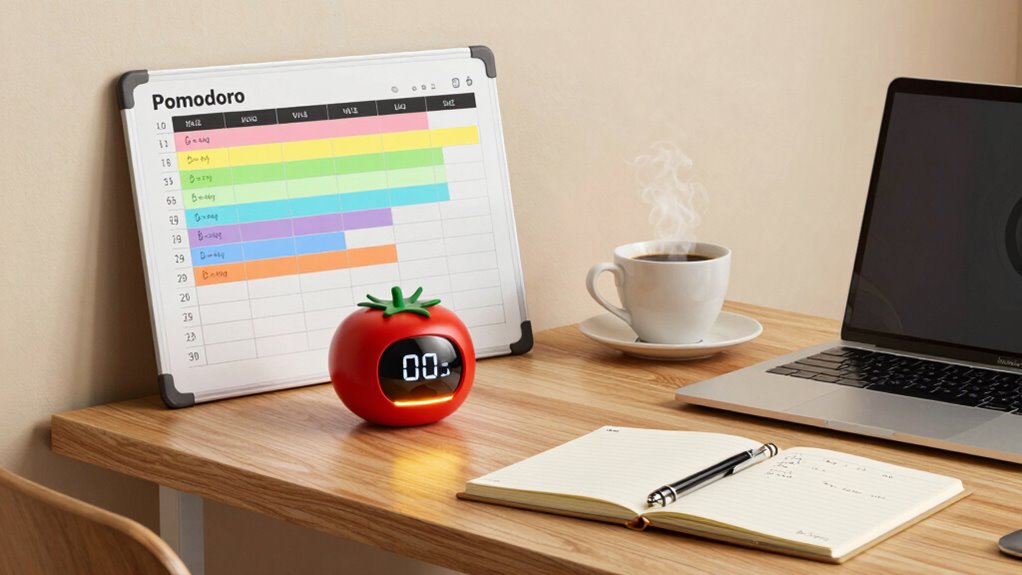
Have you ever wondered if combining Pomodoro and time blocking can actually boost your productivity? It’s a strategy that can help you break through common productivity myths and focus myths. By integrating these methods, you can:
- Maximize deep work sessions within structured blocks
- Reduce burnout with scheduled breaks
- Stay accountable with clear timeframes
- Adapt your plan based on real-time progress
This hybrid approach addresses the misconception that productivity methods are one-size-fits-all. Instead, it encourages flexibility while maintaining discipline. Combining techniques helps you harness the strengths of both—Pomodoro’s focus intervals and time blocking’s expansive planning—creating a customized system that’s more effective than relying on a single method. Ultimately, it can make your workflow more efficient and aligned with your unique brain type.
Practical Tips to Implement the Best Method for Your Brain
To effectively implement the best productivity method for your brain, start by evaluating your natural working style and energy patterns. Pay attention to when you feel most alert and focused, and tailor your schedule accordingly. Incorporate mindfulness techniques, such as brief breathing exercises, to stay present and reduce stress during work sessions. Creating an ergonomic workspace is essential—ensure your desk, chair, and screen are set up for comfort, minimizing physical distractions. Use these adjustments to enhance focus whether you choose Pomodoro or time blocking. Test different approaches and refine them based on your feedback. Remember, consistency is key, and adapting your environment and mindset will help you sustain productivity while aligning with your brain’s unique rhythms.
Frequently Asked Questions
How Do I Adapt These Methods for Creative or Spontaneous Work?
To adapt these methods for creative or spontaneous work, prioritize creative flexibility by allowing breaks or unstructured time within your schedule. Mix in spontaneous scheduling, where you set flexible blocks for unpredictable ideas or projects. Use shorter Pomodoro sessions to spark focus, then switch to open-ended time slots for exploration. This approach helps you stay disciplined while embracing the flow of spontaneous creativity, making your workflow more dynamic and responsive.
Can These Techniques Be Integrated With Digital or Traditional Planners?
You can absolutely integrate these techniques with your planners, whether digital or traditional. Digital integration makes it easy to set timers and track tasks seamlessly, while planner customization allows you to tailor your schedule to fit your unique workflow. Don’t worry about rigidity—adapt the system, add notes, or include color coding to make it engaging and effective. This way, you stay organized while maintaining flexibility for spontaneous ideas.
What Are Common Mistakes When Starting With Pomodoro or Time Blocking?
When starting with Pomodoro or time blocking, you should watch out for common pitfalls like overloading your schedule or underestimating break times. Avoid start-up errors such as skipping breaks or not adjusting your plan to your energy levels. It’s easy to become rigid or overwhelmed if you don’t customize these methods to fit your workflow. Keep your approach flexible, and regularly review your progress to stay effective and motivated.
How Do These Methods Impact Work-Life Balance and Stress Levels?
Both methods can improve your work-life balance and reduce stress when used correctly. They help you manage your time better, leading to less burnout and more work satisfaction. You’ll feel more in control and less overwhelmed, as these techniques encourage focused work and clear boundaries. By sticking to your schedule, you create space for relaxation and personal time, ultimately boosting your overall well-being and minimizing stress levels.
Are There Specific Tasks or Professions Better Suited for One Method?
Did you know 65% of professionals say task focus improves with time-blocking? If your job demands deep concentration, like writing or programming, time blocking suits your profession by allowing sustained focus. For tasks requiring quick shifts, such as customer support or creative brainstorming, Pomodoro boosts productivity by managing energy and attention. Choose your method based on task focus needs and profession suitability to maximize efficiency and reduce stress.
Conclusion
Think of your productivity method as a garden. Pomodoro plants quick, focused seeds that flourish with bursts of energy, while time blocking tends to the entire landscape, shaping your day’s terrain. Just as a gardener chooses what to nurture, you can blend these techniques to cultivate your ideal workspace. By understanding your brain’s soil, you’ll find the perfect balance—allowing your projects to bloom with clarity and purpose.