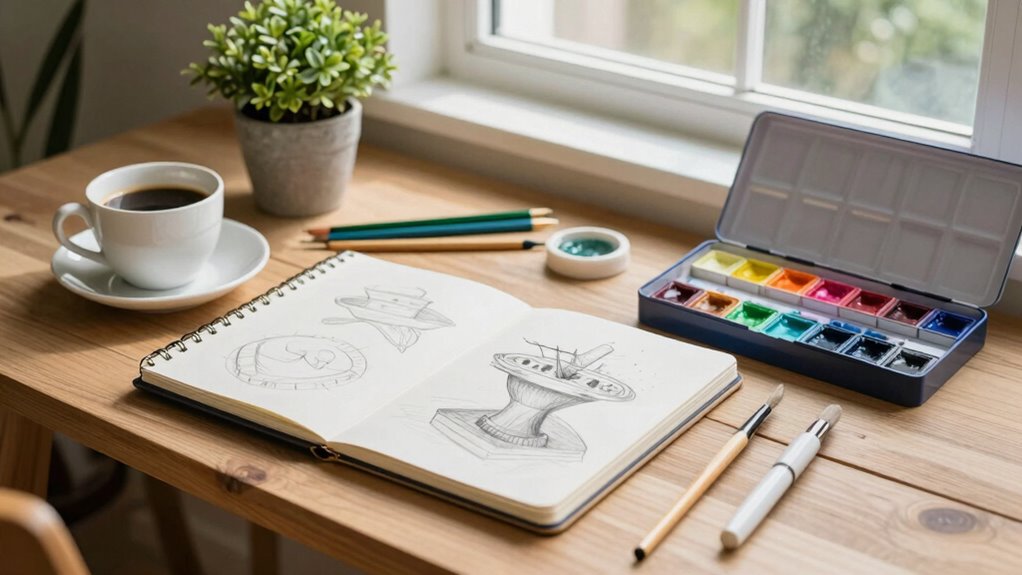

To pick a hobby you’ll truly stick with, start by choosing activities that match your interests and fit into your schedule. Keep it simple initially, avoiding heavy commitments or expensive gear. Focus on enjoying the process rather than perfection, and set realistic goals to prevent burnout. Connect with others or join groups to stay motivated. If you keep these tips in mind, you’ll discover how to build a lasting, fulfilling hobby that sticks beyond week one.

Get health and wellness essentials delivered free with Prime
- Fast, free delivery on millions of items
- Prime Video, Amazon Music and more included
- Member-only deals all year
Key Takeaways
- Choose activities aligned with your interests and passions to increase motivation.
- Start with simple, low-cost options to test genuine enjoyment before investing heavily.
- Set realistic, achievable goals to prevent burnout and maintain consistent engagement.
- Incorporate hobbies into your routine gradually, allowing flexibility and avoiding overcommitment.
- Connect with others through clubs or online communities to boost accountability and enjoyment.
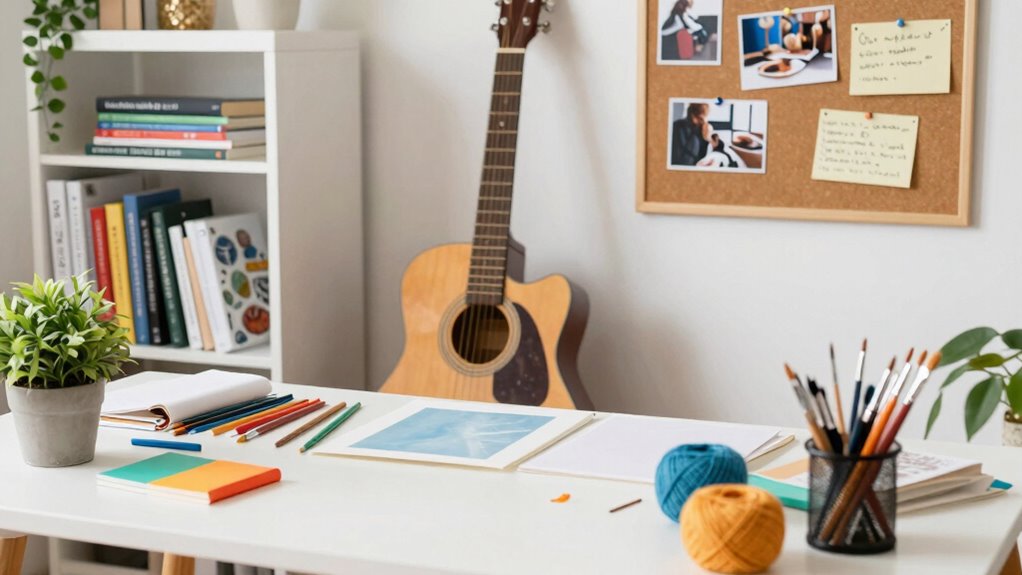
Are you unsure how to choose a hobby that truly fits your interests and lifestyle? Picking the right activity can seem overwhelming, especially with so many options out there. But understanding the benefits of hobbies can help guide your decision. Hobbies aren’t just ways to pass the time—they boost your mental health, improve your skills, and give you a sense of accomplishment. When you find something you genuinely enjoy, it can become a rewarding part of your routine, reducing stress and increasing happiness. However, many people fall into common hobby mistakes that lead to frustration or abandonment. For example, jumping into a hobby that’s too difficult or unrelated to your interests can quickly kill your enthusiasm. Being aware of these pitfalls helps you avoid wasting time and energy on pursuits that don’t bring you joy.
To start, think about what genuinely excites you. Do you love working with your hands, or are you more drawn to physical activity? Are you interested in arts and crafts, or do you prefer something more active like hiking? By pinpointing your natural inclinations, you’re more likely to stick with your new hobby long-term. It’s also essential to take into account your schedule and resources. If you only have a few spare hours a week, choose an activity that’s flexible and not overly costly. This way, you minimize the risk of discouragement if life gets busy or if the hobby turns out to be more expensive than you anticipated.
Another key step is to start small. Don’t invest heavily right away or set unrealistic expectations. For example, if you want to learn guitar, begin with a beginner’s lesson or a simple online tutorial before buying an expensive instrument. This allows you to discover if the hobby genuinely interests you without a hefty commitment. Remember, the benefits of hobbies come from consistent engagement, not perfection. So, give yourself permission to make mistakes and learn at your own pace. This mindset helps you avoid common hobby mistakes like burnout or frustration that come from setting overly ambitious goals early on.
Additionally, exploring activities related to Floating on Water, such as swimming or water-based exercises, can be a fun and rewarding way to develop a hobby that promotes physical health and relaxation. Finally, try to connect with others who share your interests. Joining a local club or online community can boost motivation and make the experience more enjoyable. When you surround yourself with supportive people, you’re more likely to stay committed beyond the initial week. By choosing wisely, starting simple, and embracing the learning process, you set yourself up for a fulfilling hobby that lasts. And always remember, the best hobby is the one that makes you feel good and fits into your life seamlessly.
As an affiliate, we earn on qualifying purchases.
Frequently Asked Questions
How Do I Stay Motivated to Continue My Hobby Long-Term?
To stay motivated long-term, set clear goals and focus on skill development. Break your hobby into small, achievable milestones to keep progress visible and rewarding. Celebrate each success, no matter how minor, to boost your confidence. Keep challenging yourself with new techniques or projects, which maintains your interest. Remember, maintaining motivation is easier when you see improvement and enjoy the growth process, making your hobby a fulfilling part of your life.
What if I Lose Interest After Trying Multiple Hobbies?
If your interest fades and you find yourself hobby switching often, don’t worry. Try to analyze what specifically causes your interest to fade—maybe the activity isn’t engaging enough or doesn’t match your passions. Give each hobby a fair shot before switching, and consider blending different hobbies or setting small, achievable goals. Staying flexible and open-minded helps you discover what truly excites you, making it easier to stick with your passion long-term.
How Much Time Should I Dedicate Weekly to a New Hobby?
You should dedicate about 3 to 5 hours weekly to your new hobby, balancing time for enjoyment, skill development, and consistency. Prioritize quality over quantity, breaking your sessions into manageable blocks to maintain motivation. Use time management strategies like scheduling specific days and times, ensuring you stay committed. This approach helps you develop skills steadily while keeping the hobby fresh and engaging, making it easier to stick with long-term.
Can I Combine Multiple Hobbies Into One Activity?
Yes, you can definitely combine interests into one activity through multi hobby projects. By blending skills from different hobbies, you create a unique, engaging experience that keeps things fresh. For example, you might combine painting and photography or cooking and gardening. This approach lets you explore multiple passions simultaneously, making your hobbies more fulfilling and sustainable over time. Just be sure to balance your interests to avoid feeling overwhelmed.
What Are Common Mistakes to Avoid When Choosing a Hobby?
Avoid interest pitfalls and commitment overestimations when choosing a hobby. Don’t plunge into something just because it’s popular or piques your initial curiosity; you might quickly lose enthusiasm. Be honest about your available time and energy, and pick hobbies that fit your lifestyle. Steer clear of overcommitting or chasing fleeting fads. Instead, focus on finding fulfilling activities you genuinely enjoy, ensuring your hobby becomes a lasting, satisfying part of your life.
low-cost arts and crafts supplies
As an affiliate, we earn on qualifying purchases.
As an affiliate, we earn on qualifying purchases.
Conclusion
Choosing a hobby that sticks takes patience and self-awareness. Remember, about 80% of new hobbies are abandoned within the first month, so don’t get discouraged. Find something that genuinely excites you and fits your lifestyle. When you enjoy what you do, you’re more likely to stick with it long-term. Keep experimenting until you find that perfect fit—because the right hobby can boost your happiness and even improve your overall health.
As an affiliate, we earn on qualifying purchases.
As an affiliate, we earn on qualifying purchases.
Columbus Day / Indigenous Peoples' Day Picks
long weekend sales
As an affiliate, we earn on qualifying purchases.