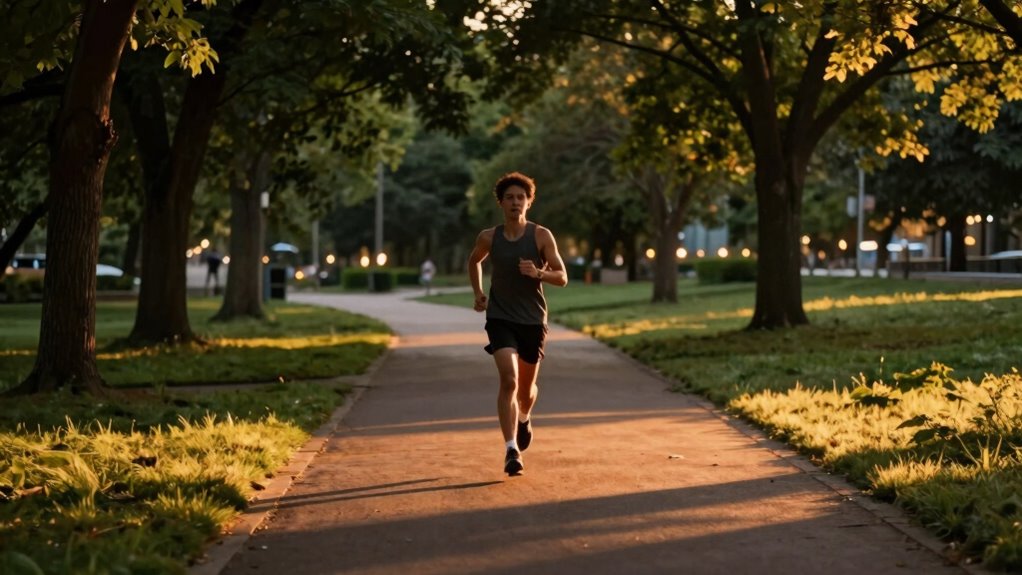

Exercising in the evening can help you sleep better if you do moderate-intensity activities like yoga or brisk walking at least an hour or two before bed, allowing your body to cool down. However, vigorous workouts like heavy lifting or sprints close to bedtime may spike adrenaline and make falling asleep tough. To optimize rest, pay attention to how your body responds and consider adjusting timing. If you want to learn more about balancing your exercise routine with quality sleep, keep exploring.
Key Takeaways
- Exercising 1-2 hours before bed with moderate or low intensity can improve sleep quality.
- High-intensity evening workouts may increase adrenaline, making it harder to fall asleep.
- Personal response varies; some find evening exercise energizing, others disruptive to sleep.
- Allow a buffer period of 1-2 hours between exercise and bedtime to reduce sleep disturbances.
- Consistent timing and listening to your body’s signals optimize both workout benefits and sleep.
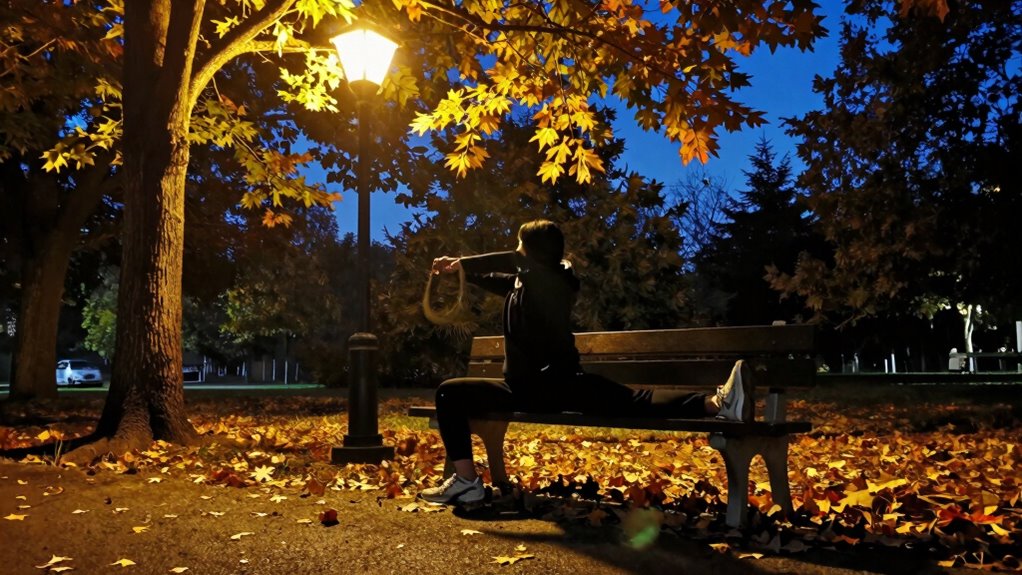
Have you ever wondered whether exercising in the evening is as effective as working out in the morning? The truth is, timing considerations play a significant role in how your body responds to evening workouts. Some people find that evening exercise boosts their energy levels and helps them unwind after a long day, while others worry it might interfere with sleep. The key lies in understanding how workout timing, combined with workout intensity, impacts your sleep quality and overall fitness goals.
When you schedule your workout in the evening, you need to consider your body’s natural rhythms. If you tend to feel more energetic later in the day, a workout during this time might be ideal. However, the intensity of your workout matters. High-intensity exercises—like sprinting, heavy lifting, or intense cardio—can temporarily elevate adrenaline and cortisol levels, which might make it harder to wind down afterward. If you’re doing a vigorous session close to bedtime, you could find yourself lying awake, restless, or having trouble falling asleep. On the other hand, moderate or low-intensity exercises—such as yoga, stretching, or a brisk walk—are less likely to disrupt your sleep and can even promote relaxation.
Timing considerations are vital here. If you want to work out in the evening but still get good sleep, aim to finish your exercise session at least 1-2 hours before bed. This window allows your body to cool down and your adrenaline levels to normalize. Additionally, paying attention to how your body responds can guide you on whether to keep your workouts moderate or push the intensity. Some people can handle intense exercise in the evening without sleep disruptions, while others find that even moderate activity too stimulating at night.
Finish your evening workout 1-2 hours before bed to promote better sleep and recovery.
Your body’s response to evening workouts isn’t just about sleep—it also affects recovery and performance. If you train intensely late in the day, you might experience more muscle soreness or fatigue the next morning. Conversely, a well-timed, moderate workout can enhance your mood, reduce stress, and improve sleep quality. Interestingly, air quality in your environment can also influence how well you recover from evening workouts and how restful your sleep is. Ultimately, the best approach depends on your personal preferences, schedule, and how your body reacts. Experiment with different timing and intensities to find what helps you sleep better without sacrificing your workout goals. Remember, consistency and listening to your body’s signals are key to making evening exercise work for you.
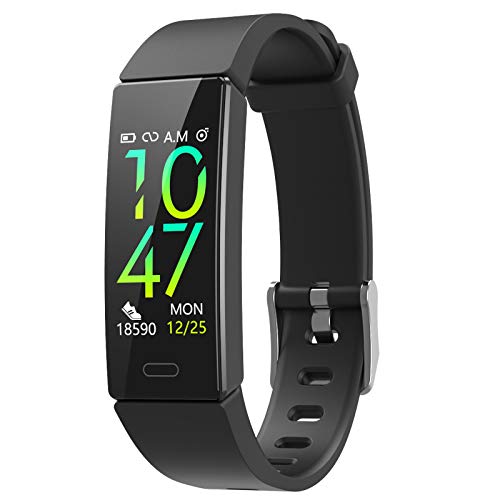
ZURURU Fitness Tracker with Blood Pressure Heart Rate Sleep Health Monitor for Men and Women, Upgraded Waterproof Activity Tracker Watch, Step Calorie Counter Pedometer Black
- Activity and Sleep Monitoring: Tracks steps, calories, distance, sleep patterns
- Notifications on Wrist: Receives calls, messages, and SNS alerts
- Fast USB Charging: Charges in 1-2 hours for a week
As an affiliate, we earn on qualifying purchases.
Frequently Asked Questions
Can Evening Exercise Improve Sleep Quality Long-Term?
Yes, evening exercise can improve your sleep quality long-term if you consider timing considerations. Exercising too close to bedtime might cause sleep disruption due to increased adrenaline and alertness. However, if you finish your workout at least a few hours before sleeping, it can help you fall asleep faster and enjoy deeper sleep. Listen to your body and adjust your routine to avoid sleep disruption and maximize benefits.
What Types of Evening Exercise Are Best for Sleep?
Think of your evening routine as a gentle river guiding you to rest. Light stretching and gentle yoga act as the calm currents that ease your mind and body, promoting better sleep. These activities help lower stress and relax muscles without overstimulating you. By choosing these calming exercises, you create a peaceful flow, making it easier to drift into restful sleep without the risk of waking up too energized.
Does Exercise Duration Affect Sleep Differently at Night?
Exercise duration can influence your sleep differently depending on your exercise timing and sleep cycle. If you work out too late or for too long, it might interfere with your ability to fall asleep because your body remains alert. Shorter sessions earlier in the evening tend to promote better sleep, as they align more smoothly with your sleep cycle. Pay attention to how long you exercise and when you do it for ideal rest.
How Does Evening Exercise Impact Sleep in Different Age Groups?
If you’re a teenager, evening exercise might boost your sleep quality by reducing stress. For older adults, however, late workouts could interfere with sleep due to age-related effects on circadian rhythms. Your exercise timing impacts sleep differently across age groups because your body’s response varies. For instance, young adults often recover quickly, while seniors may need earlier workouts to avoid disrupting their sleep patterns.
Are There Specific Signals Indicating Evening Exercise Is Harming Sleep?
If your exercise timing is causing sleep disruption, you’ll notice it through difficulty falling asleep or waking up frequently during the night. You might also feel more alert or restless in bed, despite feeling tired earlier. Pay attention to these signals, especially if your workouts are late in the evening. Adjusting your exercise schedule earlier can help prevent sleep disruption and improve overall sleep quality.

Kids' Digital Sport Pedometer Watch for Boys Girls,Waterproof, Fitness Tracker Watch, with Vibrating Alarm & Calendar, for Children, Teens, Students (Black)
- Ideal Gift for Ages 5-16: Suitable for kids and teens
- No Phone Needed for Tracking: Automatic 3D sensor step counting
- Long Battery Life: 10-20 days per charge
As an affiliate, we earn on qualifying purchases.
Conclusion
Just like a fire needs time to burn out before you sleep, your evening workout can either warm you up for restful slumber or keep you tossing all night. I once stayed active too late and found myself staring at the ceiling, counting sheep instead of sleeping. Research shows that exercising too close to bedtime can delay sleep, so listen to your body. Find that perfect balance, and your nights will be much more restful.

Zeacool Fitness Tracker with 24/7 Heart Rate, Blood Oxygen Blood Pressure Sleep Monitor, Activity Trackers 5 ATM Waterproof,Step Calorie Counter Pedometer Health Smart Watch for Women Men Bordeaux
- Heart Rate Monitoring: 24/7 real-time heart rate tracking
- Blood Oxygen & Pressure: Monitor blood oxygen and blood pressure
- Sleep & Temperature Tracking: Track sleep patterns and body temperature
As an affiliate, we earn on qualifying purchases.

ENGERWALL Fitness Tracker with Step/Distance/Calories Counter, Activity Tracker with Heart Rate Monitor, Slim Style Watch IP68 Waterproof, Sleep Monitor Tracker, Pedometer Watch for Women Men Kids
- Adjustable Strap Length: Fits 4.7 to 8.3 inches
- Lightweight and Waterproof: Only 0.82 oz, IP68 waterproof
- Health and Activity Monitoring: Tracks steps, distance, calories, sleep
As an affiliate, we earn on qualifying purchases.