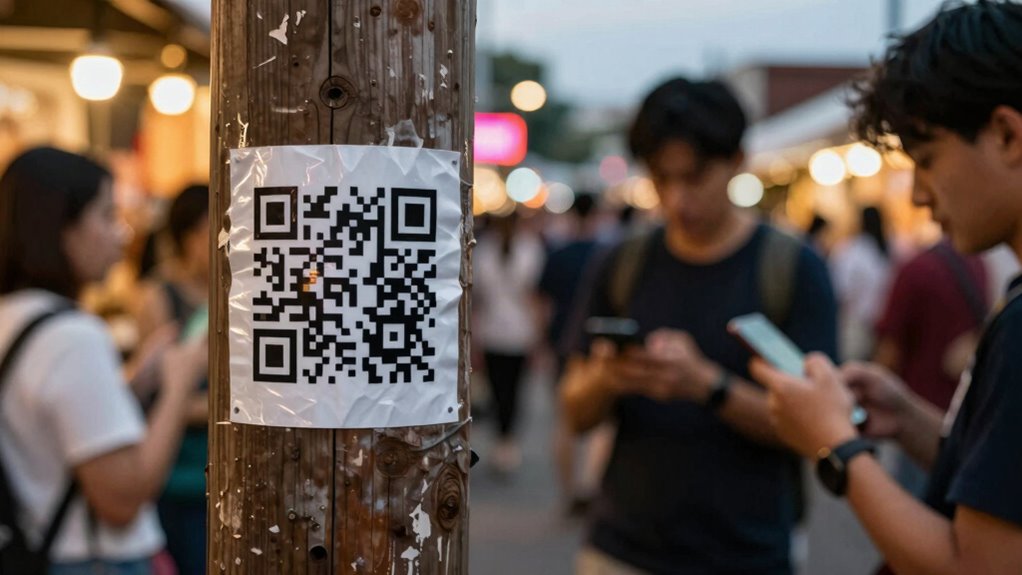

QR code scams are a growing threat for travelers, as scammers place fake codes to steal personal info or money. They often look legitimate but redirect your device to malicious sites or prompt harmful downloads. Be cautious about scanning codes in unfamiliar places, especially if they seem out of place or poorly printed. Always verify the source and preview links before clicking. Keep alert—staying informed helps prevent falling victim to these sneaky tricks. Continue to discover how to stay protected.
Listen free for 30 days with Audible
Thousands of audiobooks and originals — cancel anytime.
As an affiliate, we earn on qualifying purchases.
Key Takeaways
- Travelers should verify QR codes with trusted sources before scanning in unfamiliar areas.
- Fake QR codes can direct devices to malicious websites or prompt malware downloads.
- Always preview URLs and avoid entering personal info on suspicious or untrusted links.
- Scammers often place fake codes over legitimate ones in tourist hotspots to steal data.
- Staying vigilant and cautious helps travelers prevent falling victim to QR code scams.
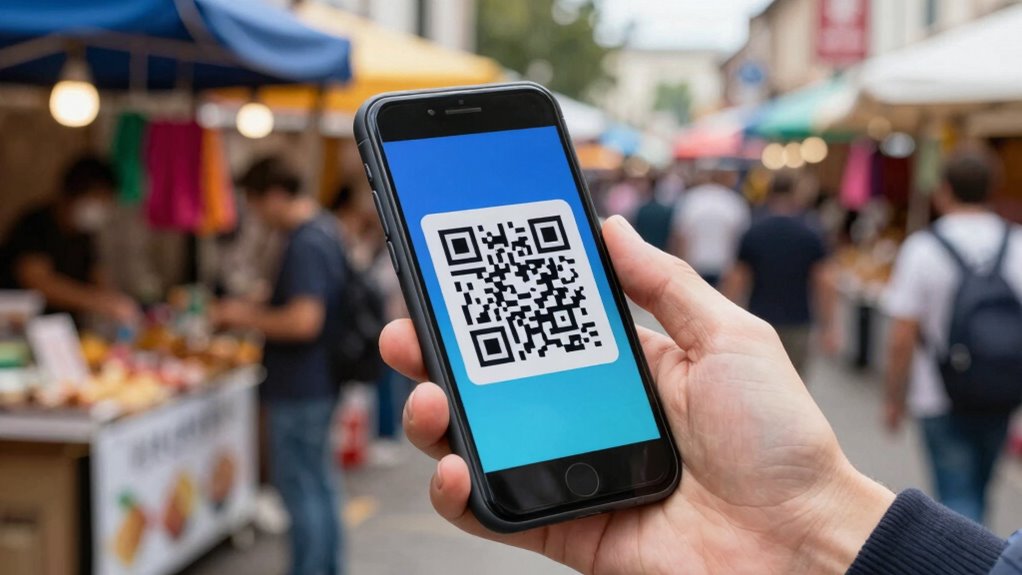
Have you ever scanned a QR code and wondered if it’s safe? With the rise of digital technology, QR codes have become a quick and convenient way to access information, make payments, or join networks. But as with any digital tool, scammers have found ways to exploit them. One of the most common threats is phishing tactics, where malicious actors create fake QR codes to deceive you into revealing sensitive information. This form of digital fraud can happen anywhere — at a restaurant, airport, or even on street advertisements. It’s essential to stay alert and recognize the risks involved with scanning QR codes from untrusted sources.
When you scan a QR code, it usually directs your device to a website or prompts an action, like downloading an app or transferring money. Scammers take advantage of this trust by placing fake codes that look legitimate. For example, they might stick a sticker with a QR code over a real parking meter or ATM, leading you to a fraudulent website designed to steal your login credentials or financial details. Once you enter your information, they can commit identity theft or drain your bank account. This type of digital fraud is becoming increasingly sophisticated, often mimicking official or familiar brands to lure you in. They might even disguise malicious links as legitimate URLs, making it harder to tell whether a QR code is safe.
Beware of fake QR codes on stickers over real devices or signs that steal your personal info.
To protect yourself, always think before scanning. If a QR code appears in an unusual place or looks tampered with, don’t scan it. Be cautious of codes on flyers or signs that seem out of place or poorly printed. If possible, verify the source with a staff member or a trusted person before proceeding. Many smartphones now offer preview features that allow you to see the URL before opening it; use this feature to check if the link looks legitimate. Avoid entering personal or financial details if you’re directed to a site that seems suspicious or unsecure. Remember, scammers often use QR codes to carry out phishing tactics, tricking you into giving away sensitive information that they can use for digital fraud.
Recognizing the potential dangers of QR code scams is vital, especially when traveling. Thieves target tourists and travelers because they’re often less cautious or unfamiliar with local scams. By staying vigilant and following simple safety tips, you can avoid falling victim to these scams. Always question the source of a QR code, avoid scanning codes in suspicious locations, and keep your device’s security features up to date. Being cautious not only protects your personal data but also prevents you from becoming another victim of digital fraud. The convenience of QR codes shouldn’t come at the expense of your security, so stay alert and scan smart.
Additionally, understanding regional flavors and unique local QR practices can help you identify suspicious or out-of-place codes when traveling in different areas.
QR code scanner app with URL preview
As an affiliate, we earn on qualifying purchases.
As an affiliate, we earn on qualifying purchases.
Frequently Asked Questions
How Can I Identify a Fake QR Code Quickly?
To identify a fake QR code quickly, look for signs like poor printing quality or suspicious placement. Scan it with a trusted app that supports digital watermarking, which can verify authenticity. Use fraudulent URL detection features to see if the link directs to a legitimate site. If anything seems off or unfamiliar, avoid clicking and manually type the website instead. Staying cautious helps prevent falling for scams.
Are All QR Codes in Public Places Risky?
Not all QR codes in public places are risky, but you should stay cautious to guarantee public place safety. Always look for signs of scam detection tips, like suspicious placement or unfamiliar sources, before scanning. If a QR code seems out of place or looks tampered with, it’s best to avoid it. Trust your instincts, verify with staff if possible, and use security apps to help identify potential scams.
What Should I Do if I Suspect a Scam QR Code?
If you suspect a scam QR code, stop and avoid scanning it. Report the suspicious activity to local authorities or the venue staff to help safeguard personal data and prevent others from falling victim. Do not input any personal information or payment details. Instead, use trusted sources or official apps to access services. By acting quickly, you protect yourself and contribute to stopping scammers.
Can QR Code Scams Affect My Phone Directly?
You might worry that QR code scams can directly harm your phone, but typically, they don’t infect your device without your action. However, scanning malicious QR codes can expose you to phishing risks or lead you to fake websites that steal your information. To stay safe, prioritize mobile security by avoiding suspicious codes and updating your device’s security features regularly. Stay cautious, and you’ll protect yourself from potential threats.
Are There Apps to Verify QR Code Authenticity?
Yes, there are apps to verify QR code authenticity. You can use dedicated QR code verification tools or antivirus apps with QR scanning features to check if a code is safe before you open it. These apps analyze the code for malicious links and alert you to potential threats, helping you avoid scams. Always choose reputable security apps and keep them updated to guarantee maximum protection when scanning QR codes during your travels.
As an affiliate, we earn on qualifying purchases.
Conclusion
Stay alert as those seemingly harmless QR codes can hide danger like shadows in a crowded street. Imagine scanning a code, only to feel your wallet slipping away, your personal info vanishing into the dark. Protect yourself by verifying sources and staying cautious. Don’t let scammers turn your journey into a nightmare. Keep your eyes open, your phone secure, and your travels worry-free. Your safety depends on the choices you make in every scanned moment.
portable QR code verification device
As an affiliate, we earn on qualifying purchases.
As an affiliate, we earn on qualifying purchases.
anti-scam smartphone security app
As an affiliate, we earn on qualifying purchases.
As an affiliate, we earn on qualifying purchases.
Flea & tick season Picks
flea and tick prevention
As an affiliate, we earn on qualifying purchases.