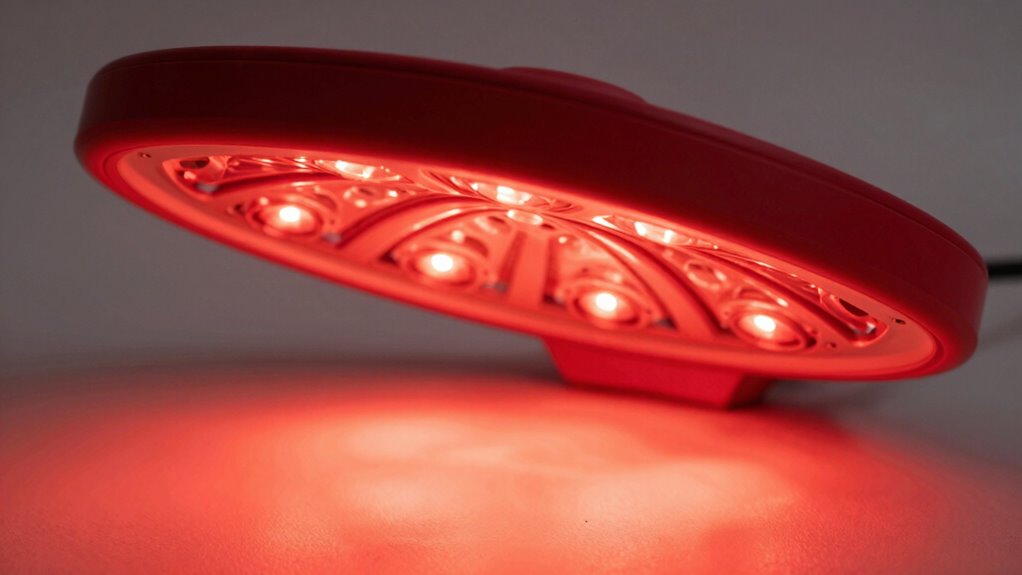

Red light therapy uses specific light wavelengths and adjustable light intensity to help your body heal, reduce inflammation, and improve skin. Different wavelengths target various tissues, with shorter ones for skin issues and longer ones for deeper tissues. Irradiance, or light strength, affects how much energy reaches your skin, impacting the results. Balancing these factors guarantees safe, effective therapy tailored to your goals—learn more about making it work best for you.

Get health and wellness essentials delivered free with Prime
- Fast, free delivery on millions of items
- Prime Video, Amazon Music and more included
- Member-only deals all year
Key Takeaways
- Red light therapy uses specific wavelengths of red or near-infrared light to stimulate cellular healing and skin health.
- Wavelengths range from 630-670 nm for surface skin benefits to 800-880 nm for deeper tissue repair.
- Irradiance is the light intensity reaching the skin, affecting how deeply and effectively the therapy works.
- Higher irradiance levels generally increase treatment effectiveness but should be balanced to avoid discomfort.
- Tailoring wavelengths and irradiance helps target specific skin or tissue issues safely and effectively.
red light therapy device for skin
As an affiliate, we earn on qualifying purchases.
As an affiliate, we earn on qualifying purchases.
How Does Red Light Therapy Work?
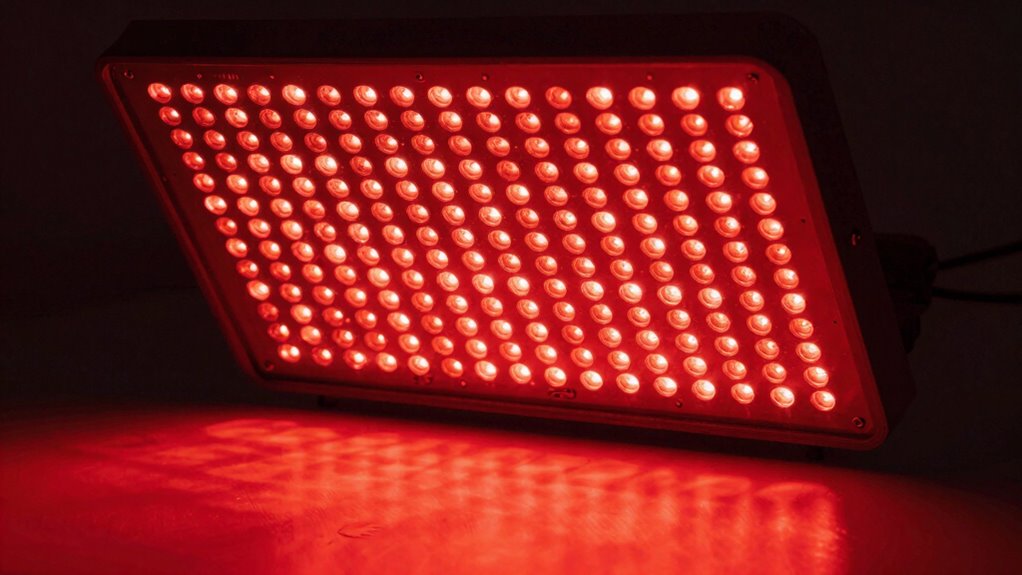
Red Light Therapy works by exposing your skin to low levels of red or near-infrared light, which penetrates deep into your cells. This process, known as photobiomodulation, triggers beneficial cellular responses that support healing, reduce inflammation, and improve skin health. The photobiomodulation benefits include increased ATP production, enhanced circulation, and faster tissue repair. One of the key reasons red light therapy is popular is its proven safety profile; it’s non-invasive and generally free of side effects when used correctly. You can confidently incorporate red light therapy into your routine, knowing it’s a safe treatment option. Additionally, research shows that early signs of health issues can sometimes be mitigated or managed more effectively with timely intervention. By stimulating your body’s natural healing mechanisms, red light therapy offers a promising, low-risk way to boost overall wellness. Moreover, understanding the wavelengths and irradiance involved helps optimize treatment effectiveness and safety. Being aware of the safety considerations ensures you can use red light therapy effectively and responsibly. Furthermore, knowing how cellular responses are triggered can help tailor treatments for specific health goals. Recognizing the role of light penetration in tissue can also aid in customizing therapy for different areas of the body.
near infrared light therapy lamp
As an affiliate, we earn on qualifying purchases.
As an affiliate, we earn on qualifying purchases.
What Are Wavelengths in Red Light Therapy?
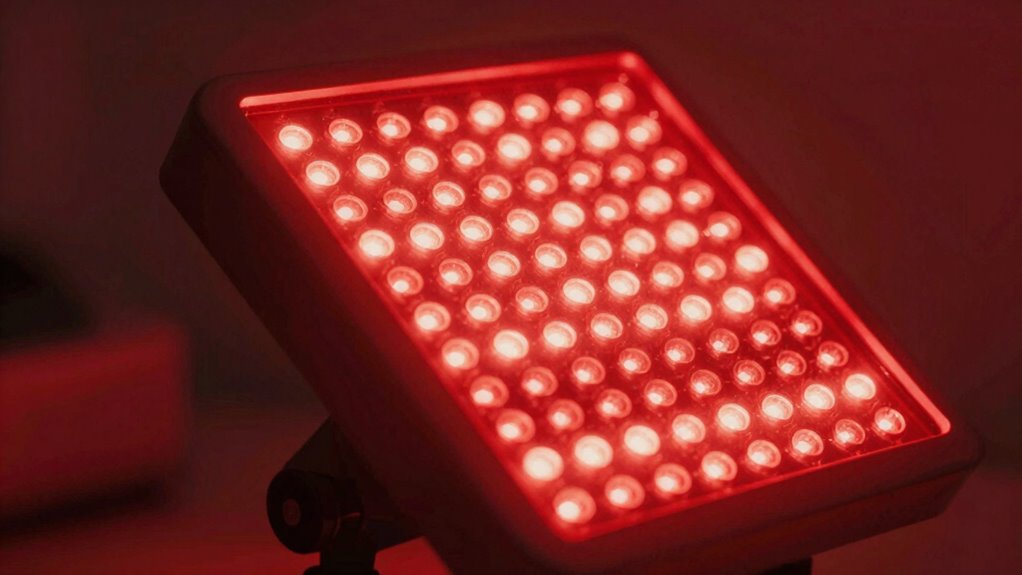
Wavelengths in red light therapy refer to the specific lengths of light waves used to target different tissues and achieve desired therapeutic effects. These wavelengths influence how light is absorbed by your skin and cells, directly affecting the cellular response. Shorter wavelengths penetrate shallow layers, while longer wavelengths reach deeper tissues. Understanding these differences helps optimize treatment outcomes. Here’s a simple overview:
| Wavelength (nm) | Depth of Penetration | Main Effect |
|---|---|---|
| 630-670 | Superficial | Skin healing, inflammation |
| 700-760 | Moderate | Muscle recovery, pain relief |
| 800-880 | Deep | Joint health, tissue repair |
Choosing the right wavelength guarantees effective light absorption and stimulates the desired cellular response for your specific needs. Wavelength selection plays a crucial role in tailoring treatments to target particular conditions effectively. Additionally, irradiance determines the power density delivered to tissues, which also impacts treatment efficacy. Understanding light-tissue interactions helps practitioners optimize therapy parameters for better results.
red light therapy panel for deep tissue
As an affiliate, we earn on qualifying purchases.
As an affiliate, we earn on qualifying purchases.
How Do Different Wavelengths Affect Your Skin and Body?

Different wavelengths in red light therapy target your skin and body in unique ways. Some wavelengths stimulate skin cell responses, promoting healing and regeneration, while others interact with various body systems. Understanding these effects helps you choose the right wavelength for your specific needs. A deeper understanding of wavelength specificity can also support overall well-being and prevent burnout. Recognizing the importance of wavelength-specific effects can enhance the effectiveness of your therapy sessions. Additionally, certain wavelengths can influence electric power generation with bike generators, demonstrating the versatility of light therapy in different applications. Exploring light therapy mechanisms can further improve your ability to select optimal treatment parameters.
Different Wavelengths, Different Effects
Since various wavelengths of red light penetrate the skin to different depths, they produce distinct effects on your body and skin. This is due to wavelength specificity, meaning each part of the light spectrum influences your tissues differently. Shorter wavelengths tend to target surface layers, promoting skin rejuvenation and reducing inflammation. Longer wavelengths penetrate deeper, stimulating cellular repair and increasing circulation. Additionally, free floating wavelengths can be adjusted to target specific tissue depths for personalized therapy. Understanding the wavelength specificity involved helps you choose the most effective light spectrum for your goals. By understanding how different wavelengths affect your body, you can choose the right light spectrum for your specific goals. Whether you want to improve skin tone or boost overall healing, selecting the appropriate wavelength guarantees ideal results. Different wavelengths work in unique ways, so tailoring your red light therapy session based on wavelength effects can maximize its benefits.
Skin Cell Response Variations
When red light penetrates your skin, it triggers specific cellular responses that vary depending on the wavelength used. Shorter wavelengths tend to target superficial skin layers, promoting skin repair and reducing inflammation. Longer wavelengths reach deeper into tissues, enhancing cell regeneration and supporting overall skin health. Different wavelengths activate various cellular mechanisms—some boost collagen production, improving elasticity, while others stimulate mitochondrial activity to increase energy within cells. This variation means you can choose specific wavelengths to address distinct skin concerns, whether it’s healing scars, reducing wrinkles, or improving tone. Additionally, understanding the biological effects of different wavelengths helps tailor red light therapy for more effective results. Your skin responds uniquely to each wavelength, making it essential to select the right one for your desired outcome. Recognizing how these wavelengths influence cellular processes is crucial for optimizing therapy and achieving the best skin repair and cell regeneration outcomes. By understanding the biological effects, you can better customize treatments to suit your individual skin needs and maximize benefits. Moreover, research indicates that irradiance levels also play a significant role in the therapy’s effectiveness by affecting how deeply the light penetrates and how cells respond. A comprehensive understanding of these wavelength-specific responses can help improve therapy protocols and outcomes.
Body System Interactions
Red light wavelengths interact with your body’s systems in specific ways, influencing more than just your skin. They penetrate deeply to stimulate cell signaling pathways that promote healing, reduce inflammation, and support tissue repair. This process helps your cells communicate more effectively, boosting your body’s natural repair mechanisms. Additionally, certain wavelengths can modulate your immune response, either enhancing immune activity or calming overactive inflammation. This immune modulation can improve healing times and reduce discomfort. Different wavelengths target various tissues and systems, from superficial layers to deeper structures, making red light therapy versatile. Understanding these mechanisms allows for a more comprehensive grasp of how red light therapy can benefit your health. By influencing cell signaling and immune function, red light therapy offers a holistic approach to improving your overall health and recovery beyond surface-level skin effects. Awareness of tissue penetration depth can help you better appreciate how different wavelengths reach and affect various parts of your body, leading to more targeted and effective treatments. Recognizing the importance of wavelength selection is crucial for optimizing therapy outcomes and tailoring treatments to individual needs. Exploring different therapeutic devices can provide insights into the most effective options for your specific health goals and budget. Understanding consumer deals and financing options can help you make informed decisions if you’re considering investing in red light therapy devices or treatments.
As an affiliate, we earn on qualifying purchases.
What Is Irradiance, and Why Is It Important?
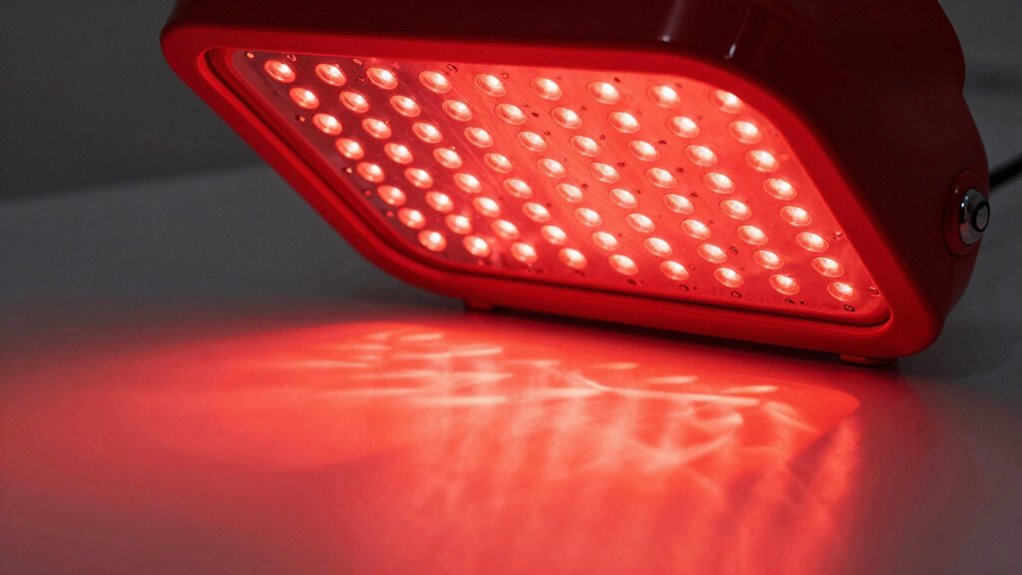
Irradiance measures the light intensity reaching your skin, directly impacting how well the therapy works. Higher irradiance levels can boost skin penetration and enhance therapeutic results, but too much may cause discomfort. Understanding irradiance helps you choose devices that deliver effective and safe treatment.
Light Intensity Levels
Understanding light intensity levels is crucial because they determine how effectively red light therapy works. Light intensity refers to the amount of energy delivered to your skin per unit area, affecting your therapy sessions’ overall effectiveness. Higher energy levels mean more photons hitting your cells, potentially speeding up healing and reducing inflammation. Conversely, too little light may result in minimal benefits. It’s important to find the right balance—enough light to stimulate your cells without causing discomfort. Your device’s light intensity influences how much energy is absorbed and how deep the therapy penetrates. By paying attention to light intensity levels, you can optimize your treatment, ensuring you get the maximum possible benefit from each session.
Skin Penetration Depths
Light intensity levels directly influence how deeply red light penetrates your skin during therapy. The epidermis depth is usually limited, often just a few millimeters, affecting surface-level tissues. To reach the dermis and promote benefits like collagen production, higher irradiance levels are necessary. Irradiance determines the power delivered per unit area, impacting how far the light can penetrate. If the irradiance is too low, the light may not reach deeper layers, reducing effectiveness. Conversely, higher irradiance can enhance dermis penetration, targeting structures beneath the surface. Understanding skin penetration depths helps you choose the right light intensity for your goals. It ensures that your therapy provides adequate energy to the desired tissue layers without unnecessary excess or superficial exposure.
Therapeutic Effectiveness
Have you ever wondered why some red light therapies are more effective than others? It all comes down to irradiance—the amount of light energy delivered per square centimeter. Higher irradiance means your skin gets more light in less time, boosting therapeutic effectiveness for cosmetic benefits like skin rejuvenation and healing. But, it’s crucial to take into account device safety; too much irradiance can cause discomfort or damage, while too little might be ineffective. Finding the right balance ensures you get ideal results without risking harm. When choosing a device, look for one with appropriate irradiance levels tailored to your goals. This way, you maximize benefits safely and efficiently, making your red light therapy sessions both effective and safe.
How Does Light Intensity Influence Your Treatment Results?
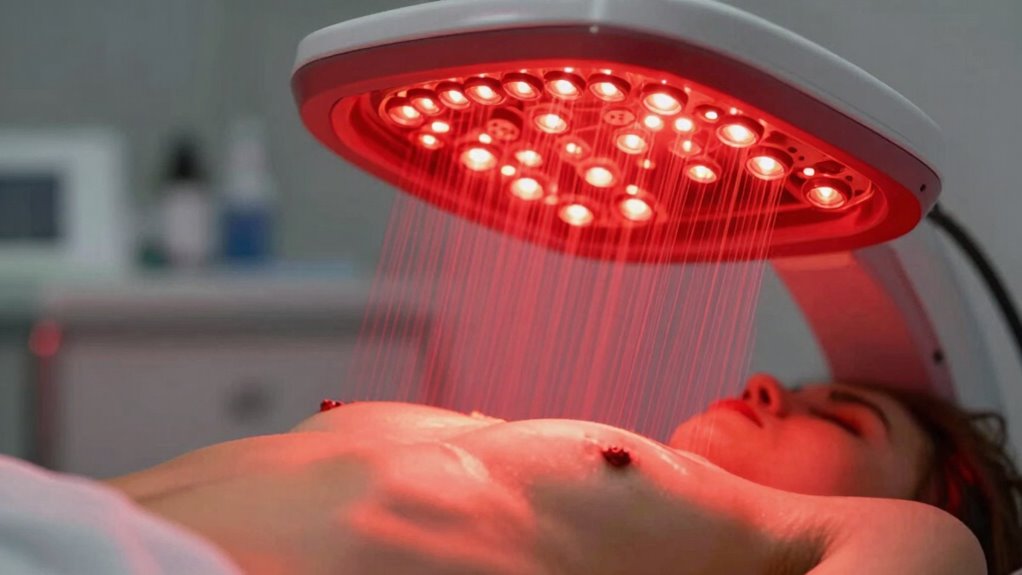
The intensity of light used in red light therapy plays a crucial role in determining how effective your treatment will be. Higher irradiance can lead to faster, more noticeable results, but if the light is too intense, it might cause discomfort or skin sensitivity, affecting your light comfort. Conversely, too low an intensity may yield minimal benefits. Proper device calibration ensures the light intensity is appropriate for your needs, maximizing benefits without causing harm. It’s important to find the right balance so your treatment feels comfortable and effective. Remember, the goal is to deliver enough light to stimulate cellular activity without overwhelming your skin or tissues. Adjusting the light intensity based on your response helps optimize outcomes and keeps your therapy safe and comfortable.
How to Choose the Right Wavelengths and Irradiance for Your Goals?
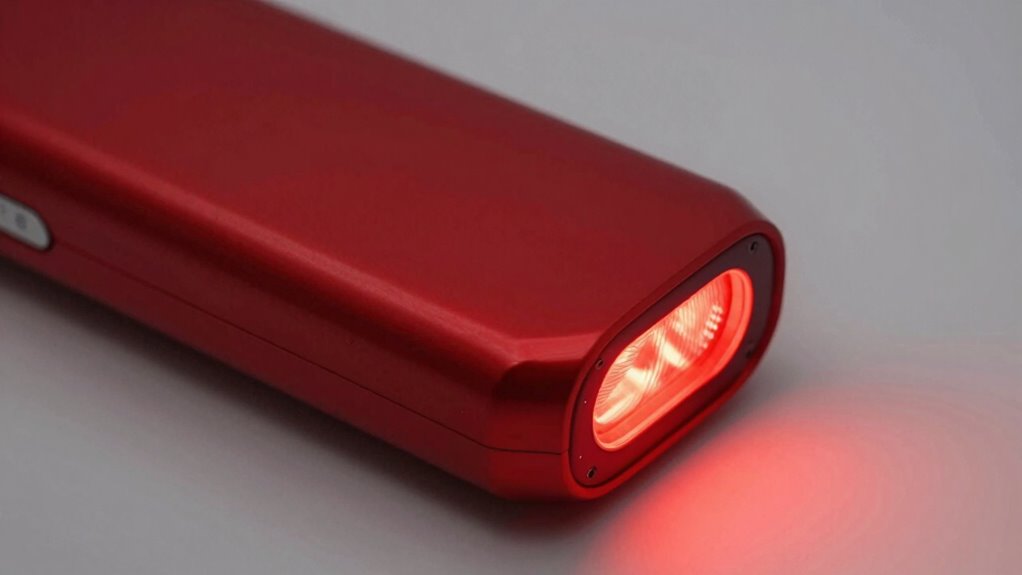
Choosing the right wavelengths and irradiance depends on your specific goals, whether it’s skin rejuvenation, pain relief, or inflammation reduction. For skin benefits, select wavelengths around 630-670 nm, which promote collagen production. If you’re targeting deeper tissues for pain relief, wavelengths around 800-880 nm are more effective. Wavelength selection influences how deeply light penetrates your skin. To optimize results, focus on irradiance optimization—adjust the light intensity to match your treatment area and goal. Too little won’t be effective, and too much can cause discomfort or damage. Always consider your personal response and follow device guidelines. By understanding your goals and the importance of wavelength selection and irradiance optimization, you can tailor your red light therapy for the best possible outcomes.
Frequently Asked Questions
Can Red Light Therapy Be Used Alongside Other Treatments Safely?
Yes, red light therapy can be safely used alongside other treatments, making it a good option for combination therapy. You should consult your healthcare provider to verify that red light therapy complements your current treatments and doesn’t interfere with them. When used as a part of complementary treatments, it can enhance healing and recovery without causing adverse effects, providing a safe, non-invasive addition to your health regimen.
Are There Any Health Risks Associated With High Irradiance Levels?
High irradiance levels can pose safety concerns, especially if they surpass recommended irradiance thresholds. For example, a person using intense red light therapy daily experienced skin irritation and eye discomfort. While generally safe at lower levels, exceeding irradiance thresholds increases risks like burns or eye damage. Always follow manufacturer guidelines and consult a professional to guarantee you stay within safe irradiance limits and avoid potential health risks.
How Long Does It Typically Take to See Results?
You might start noticing visible improvements within 2 to 4 weeks of consistent red light therapy sessions. Treatment duration varies depending on your specific goals and the area being treated, but most people see results after about 3 to 5 sessions per week. Maintain regular sessions and patience, as visible improvements tend to accumulate over time. Consistency is key to achieving the best possible outcomes.
Is Red Light Therapy Effective for All Skin Types?
Did you know that over 80% of users report improvements regardless of skin type? Red light therapy is generally effective for all skin types because of its gentle, non-invasive nature. Your skin compatibility and treatment customization play key roles in success. By adjusting wavelength and duration, you can optimize results, making red light therapy a versatile option for diverse skin tones and conditions without significant risk of adverse reactions.
Can Red Light Therapy Help With Aging and Wrinkle Reduction?
Yes, red light therapy can help with aging and wrinkle reduction by stimulating skin rejuvenation. You’ll notice improved collagen production, which tightens your skin and smooths out wrinkles. Regular sessions can enhance your skin’s elasticity and texture, making you look younger and refreshed. It’s a safe, non-invasive way to target signs of aging, promoting a more vibrant, youthful appearance over time.
Conclusion
Understanding wavelengths and irradiance is like having a map to navigate red light therapy’s benefits. When you choose the right settings, it’s as if you’re tuning a radio to the perfect station—your skin and body respond more effectively. By knowing how light’s colors and intensity work together, you can release the full potential of your treatment. Think of it as adjusting a dial to find your ideal frequency for healing and rejuvenation.
Cold & flu season Picks
humidifiers
As an affiliate, we earn on qualifying purchases.