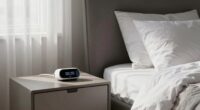
Choosing the least annoying sleep tracker depends on your comfort and routine. Rings and pads are generally less intrusive because they’re lightweight, soft, and fit seamlessly into your sleep environment, while watches can feel bulkier and more obtrusive. If battery life, material, and ergonomic design matter to you, a ring or mattress pad might be better options. To find out which device suits your sleep style best, explore the details further.

Get health and wellness essentials delivered free — and shop member deals
- Fast, free delivery on millions of items
- Access to Prime Big Deal Days deals on October 6–7
- Prime Video, Amazon Music and more included
Key Takeaways
- Rings are generally less obtrusive and more comfortable due to their small size and ergonomic, lightweight design.
- Under-mattress pads are minimally intrusive, offering reliable data without direct contact, reducing discomfort during sleep.
- Wearables and watches may cause irritation or discomfort from straps or bulky design, impacting long-term wearability.
- Soft, skin-compatible materials and adjustable fittings in rings and pads enhance comfort and reduce annoyance.
- Devices with simple, low-profile designs that conform to sleep movements tend to be the least disruptive for users.
As an affiliate, we earn on qualifying purchases.
What Should You Consider When Choosing a Sleep Tracker?
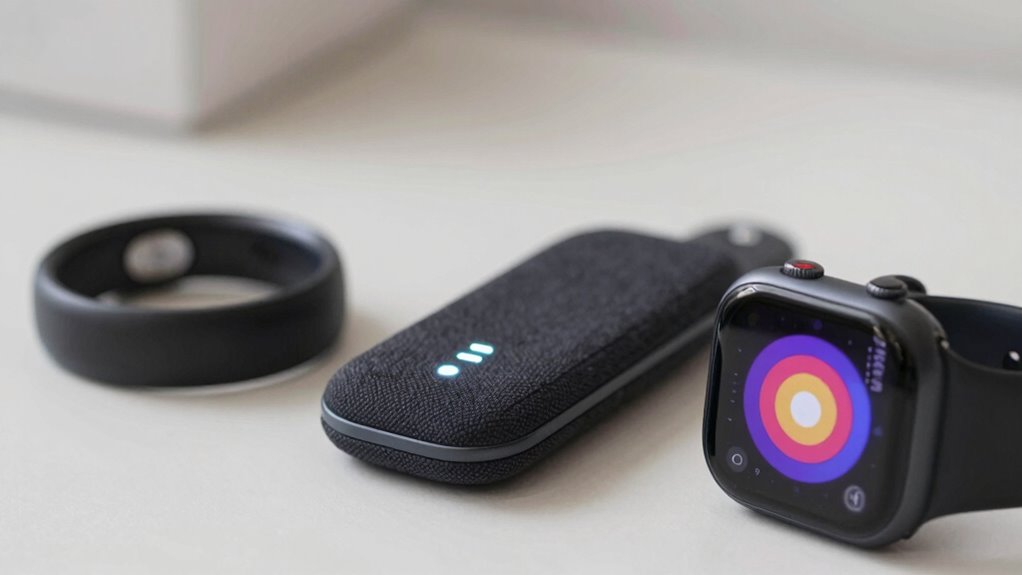
When choosing a sleep tracker, it’s important to think about what features will best suit your needs and lifestyle. Battery life matters because you don’t want your device dying overnight or needing frequent recharges. Look for a tracker with long-lasting battery performance, especially if you prefer minimal interruptions. Data privacy is equally vital; verify the device has strong security measures to protect your sleep data from unauthorized access. Check the company’s privacy policy to understand how your information is stored and shared. Additionally, consider whether the device’s features align with your sleep goals and daily routine. By balancing these factors, you’ll find a sleep tracker that fits seamlessly into your lifestyle and keeps your data safe. Understanding the impact of AI on data security can help you make more informed choices about your privacy. Being aware of passive voice detection tools can also improve how you evaluate the clarity of your device’s instructions and updates.
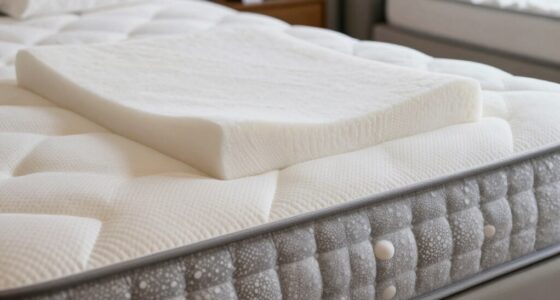
under mattress sleep monitor pad
As an affiliate, we earn on qualifying purchases.
As an affiliate, we earn on qualifying purchases.
How Do Ring, Pad, and Watch Sleep Trackers Work?
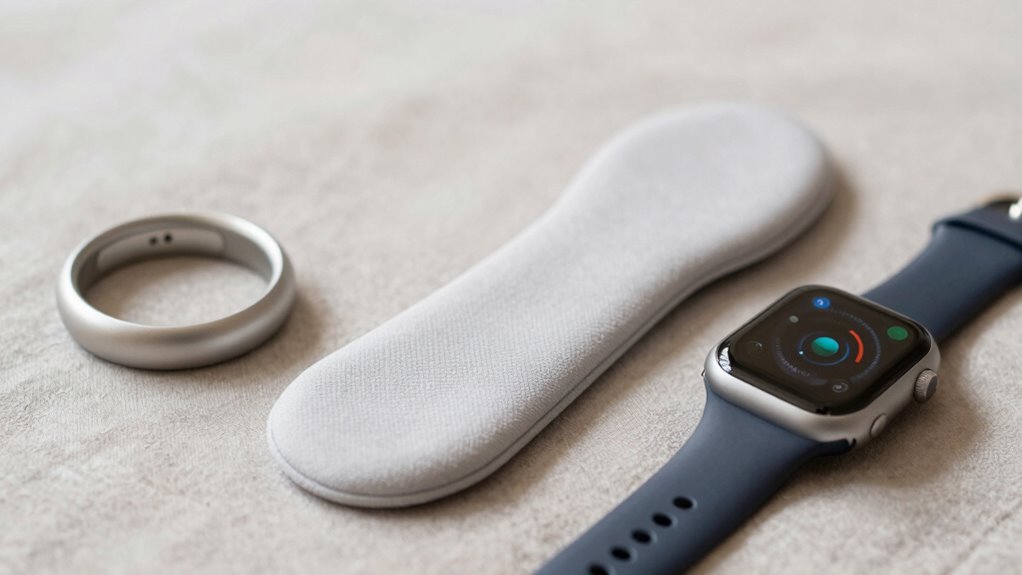
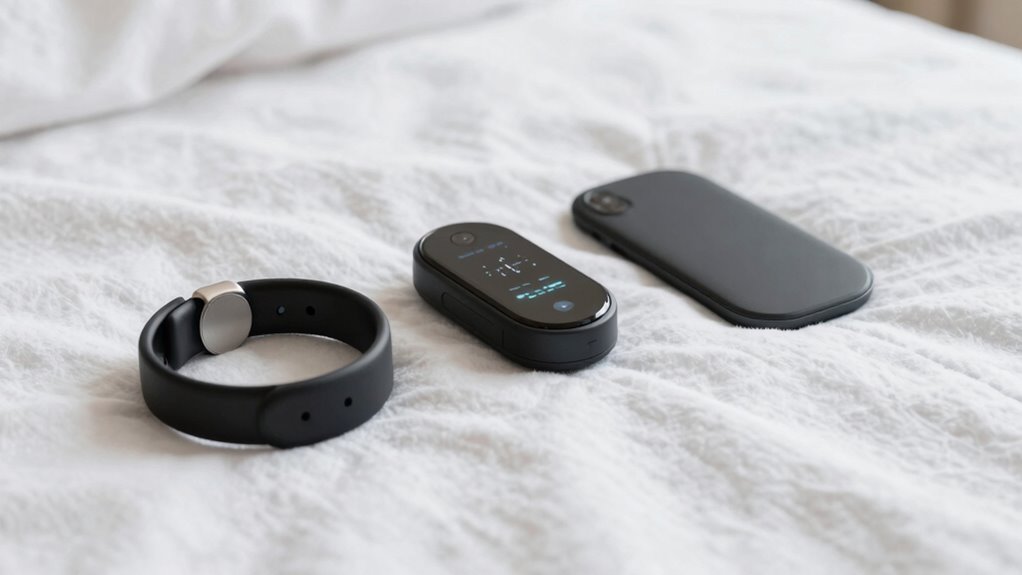
Ring, Pad, and Watch sleep trackers each use different technologies to monitor your sleep patterns, providing insights into your nightly rest. Sensor technology is central to how they function. The ring often uses motion sensors and heart rate monitors to track movement and physiological signals, while the pad relies on pressure sensors embedded in your mattress to detect body movements and breathing patterns. Watches typically combine accelerometers and optical heart rate sensors to measure movement and heart rate variability. These sensors work together to collect data on your sleep cycles, movement, and physiological signals. Sensor technology plays a crucial role in ensuring precise and reliable sleep data collection. Additionally, advances in sensor accuracy help improve the overall reliability of each device’s measurements. Understanding how each device’s sensor technology operates helps you choose the most effective tracker for your sleep monitoring needs. For example, sensor calibration ensures that the data remains consistent over time and across different conditions.
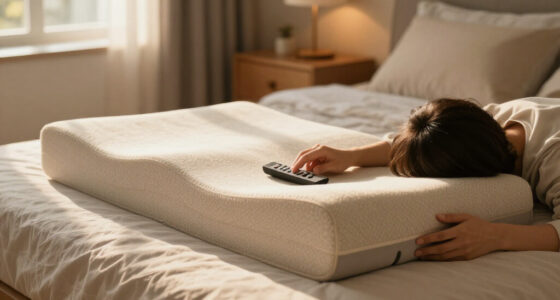
comfortable sleep tracking watch
As an affiliate, we earn on qualifying purchases.
As an affiliate, we earn on qualifying purchases.
Which Sleep Tracker Is the Most Comfortable to Wear?
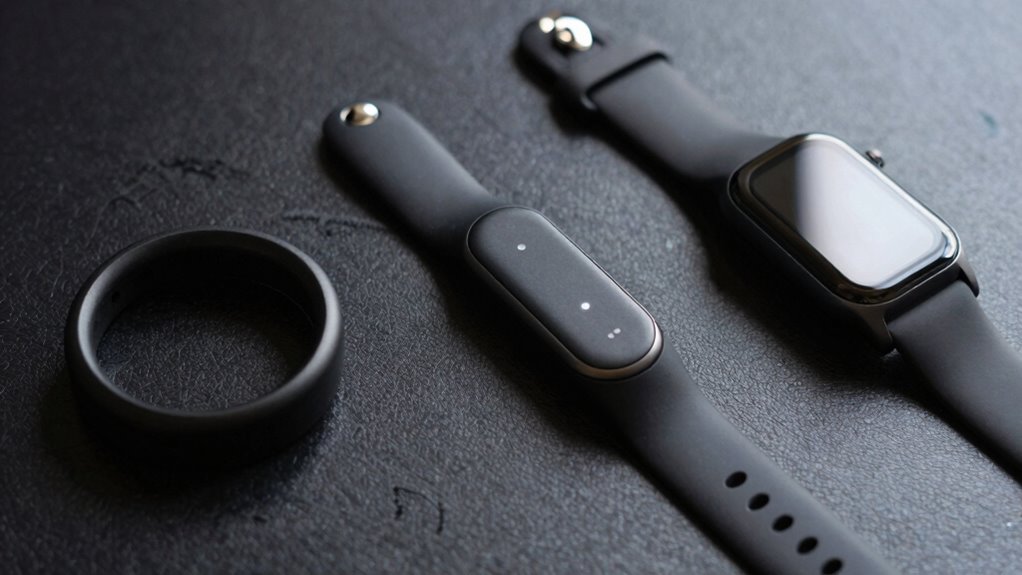
Choosing the most comfortable sleep tracker depends on how it feels against your skin and during movement. The comfort level varies based on the device’s material flexibility and fit. Rings made of soft, smooth materials tend to be less intrusive, offering a gentle feel that adapts well to your finger’s shape. Wearable pads, typically made of flexible fabrics, contour easily to your wrist, providing a snug yet comfortable fit. Watches with rigid bands or bulky designs might cause discomfort over time, especially if they’re not adjustable. Ultimately, the most comfortable tracker is one that balances a low profile with flexible materials, so it moves with you without causing irritation. Test different options to find what feels least intrusive during your sleep. Additionally, free floating device designs can enhance comfort by eliminating constrictive straps and allowing for more natural movement throughout the night. Incorporating ergonomic features can also improve overall comfort by reducing pressure points and accommodating various sleep positions. A custom fit approach can further optimize comfort by ensuring the device conforms well to individual body shapes. To further enhance comfort, look for devices with lightweight construction that won’t weigh down or disturb your rest.
wearable sleep tracker with long battery life
As an affiliate, we earn on qualifying purchases.
As an affiliate, we earn on qualifying purchases.
How Accurate Are Different Types of Sleep Trackers?
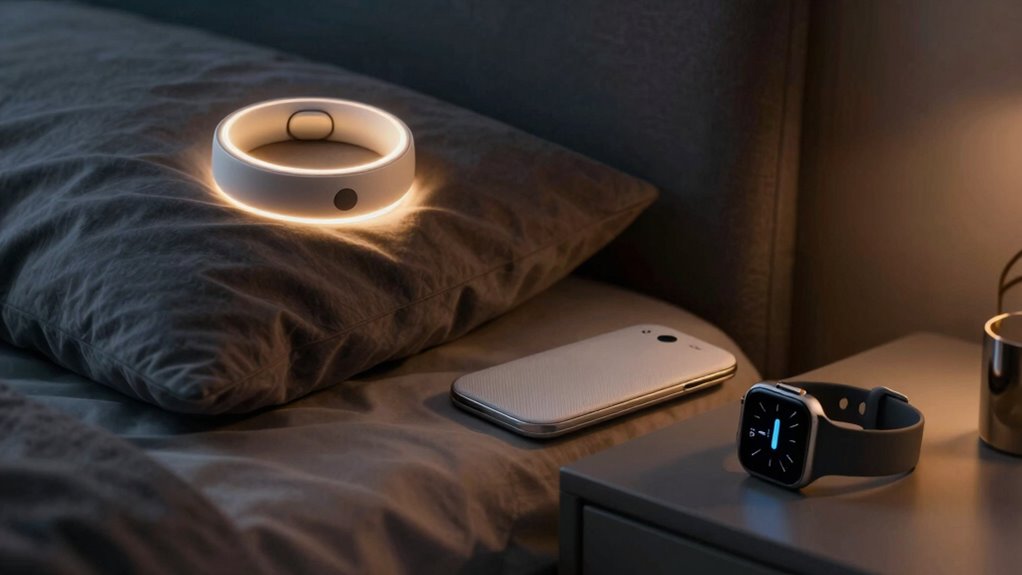
Different types of sleep trackers vary markedly in their accuracy, largely depending on how they collect and interpret sleep data. Sensor accuracy plays a vital role in this, influencing how well the device detects sleep stages and movements. Ring trackers that use pulse oximetry or heart rate sensors tend to offer decent data reliability, but may miss subtle sleep disruptions. Wearable devices like watches often incorporate multiple sensors, which can improve accuracy but still face limitations, especially if worn loosely. Pad-based monitors, placed under your mattress, generally provide the most reliable data for sleep duration and movement, but can struggle with precise sleep stage detection. Additionally, sensor calibration can impact the consistency of measurements over time, leading to potential measurement variability that users should be aware of. Proper device positioning is also essential for optimal data collection, and poor placement can further reduce accuracy. Overall, no tracker is perfectly accurate, so it’s best to view their data as estimates rather than definitive measurements. Sensor accuracy significantly impacts the reliability of sleep data collected by these devices, and understanding measurement limitations can help set realistic expectations.
Key Features That Help Make a Sleep Tracker Less Annoying
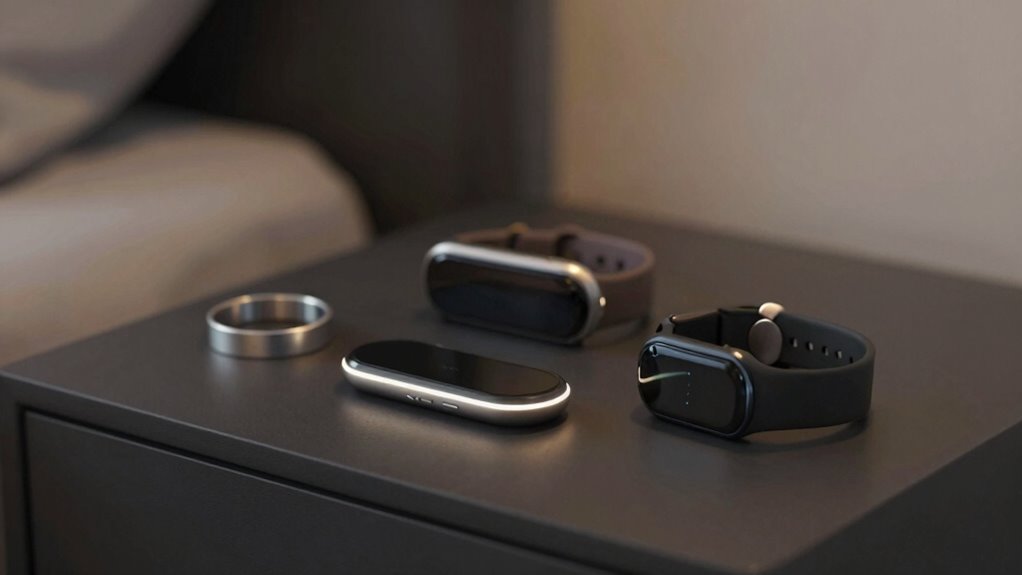
Since no sleep tracker is perfectly accurate, it’s helpful to focus on features that make using them more convenient and less frustrating. Comfort features are essential; look for lightweight designs, soft materials, and adjustable straps or rings that don’t interfere with your sleep. A tracker that feels intrusive or uncomfortable will quickly become annoying. Battery life is also critical—opt for devices that last several days between charges, so you won’t need to remove or recharge them constantly. Longer battery life means fewer interruptions, making the tracker less disruptive to your sleep routine. Incorporating high contrast ratios in display design can also reduce eye strain and improve readability in low-light conditions. Additionally, selecting a device with reliable sensors can enhance overall accuracy and user experience. Proper device maintenance features can help prevent malfunctions and extend its lifespan, ensuring consistent performance over time. Ensuring that the device has easy cleaning capabilities are also beneficial in maintaining hygiene and device longevity. Combining comfort features with impressive battery performance helps guarantee your sleep tracker stays unobtrusive, allowing you to focus on restful sleep rather than dealing with discomfort or frequent charging hassles.
What Do Real Users Say About Their Least Annoying Sleep Trackers?
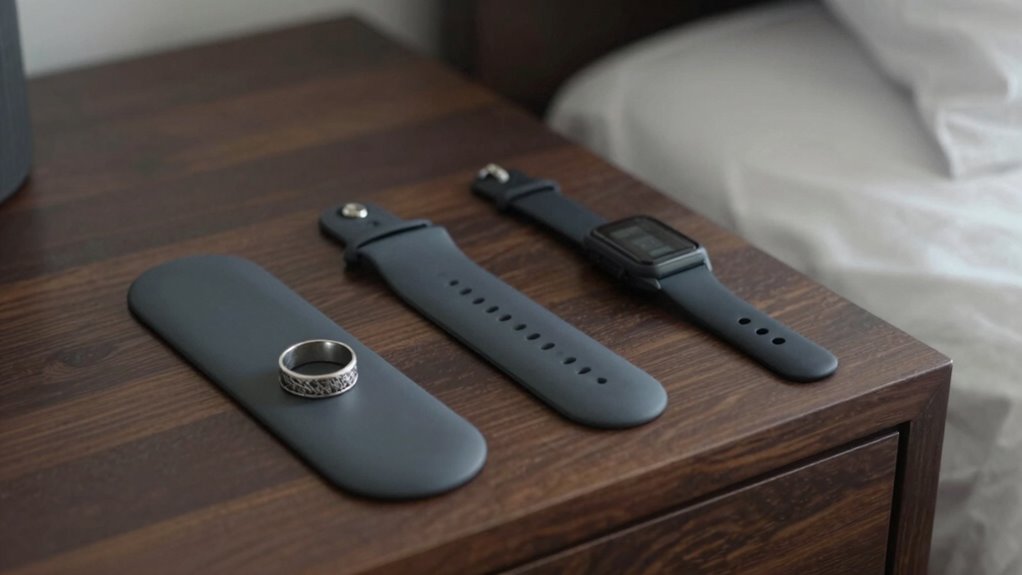
Many users find that the most frustrating aspect of sleep trackers is how intrusive or uncomfortable they can be during the night. When reading user experiences, it’s clear that device preferences vary; some prefer wearable options like watches that feel less invasive, while others find rings or pads more comfortable. Many report that minimal movement and lightweight designs make a significant difference. For example, those who wear a ring often mention how subtle it is, causing less disruption. Conversely, users who tried pads sometimes complain about feeling the device under their sheets. Overall, the consensus is that comfort influences continued use. The least annoying devices tend to be small, unobtrusive, and easy to wear, aligning with user preferences for a seamless, non-disruptive sleep tracking experience. Additionally, wearable devices that prioritize comfort tend to encourage consistent use and more accurate data collection. In particular, ergonomic design plays a crucial role in user satisfaction and long-term adherence. Moreover, material choice significantly impacts how comfortable the device feels throughout the night.
Frequently Asked Questions
Can Sleep Trackers Detect Sleep Disorders Accurately?
Sleep trackers can detect some sleep disorders, but their accuracy varies. They monitor your sleep quality and stages, helping identify irregularities like frequent awakenings or unusual sleep patterns. However, they aren’t as precise as clinical tests like polysomnography. If you suspect a sleep disorder, use trackers for preliminary insights and consult a healthcare professional for accurate diagnosis and treatment.
Do Sleep Trackers Interfere With Sleep Quality?
They say, “A good night’s sleep is priceless,” so you wonder if sleep trackers interfere. Generally, if you choose a device with good comfort, it won’t disturb your sleep. However, some devices might cause slight disruptions due to discomfort or movement. Always check data privacy policies, as some trackers collect sensitive info. Prioritize comfort and privacy to guarantee your sleep remains restful, not compromised.
Are There Any Health Risks From Wearing Sleep Devices?
Wearing sleep devices can pose health risks like skin irritation and raise privacy concerns, especially if sensitive data isn’t well safeguarded. You might experience skin irritation from materials or prolonged contact. Additionally, privacy concerns arise if your sleep data is shared without your consent. To minimize risks, choose devices with hypoallergenic materials and ensure the manufacturer has strong privacy policies. Stay informed and cautious to keep your health and data safe.
How Long Do Battery Life and Charging Take?
Think of your sleep tracker’s battery like a fragile flame—keeping it alive depends on good care. Most devices offer battery longevity of 3-7 days, depending on use, while charging duration varies from 30 minutes to 2 hours. To keep your sleep journey smooth, charge your device regularly, ideally overnight, so it’s always ready to catch your dreams without interruption.
Can Sleep Trackers Be Used for Kids or Sensitive Populations?
You can use sleep trackers for kids or sensitive populations, but prioritize child safety and device customization. Look for trackers designed specifically for children, with safe, non-intrusive materials and adjustable settings to suit their needs. Always monitor usage, ensure data privacy, and choose devices with parental controls. This way, you safeguard sensitive populations while still gaining valuable sleep insights without risking discomfort or safety concerns.
Conclusion
Choosing the right sleep tracker is like finding the perfect pair of shoes—you want comfort, reliability, and nothing that rubs you the wrong way. Whether you prefer a ring, pad, or watch, prioritizing your comfort and the device’s accuracy will help you get the restful sleep you deserve. Think of your sleep tracker as a loyal partner in your nightly routine—once you find the right fit, it’ll make waking up refreshed feel like catching sunshine in your hands.
Cold & flu season Picks
humidifiers
As an affiliate, we earn on qualifying purchases.