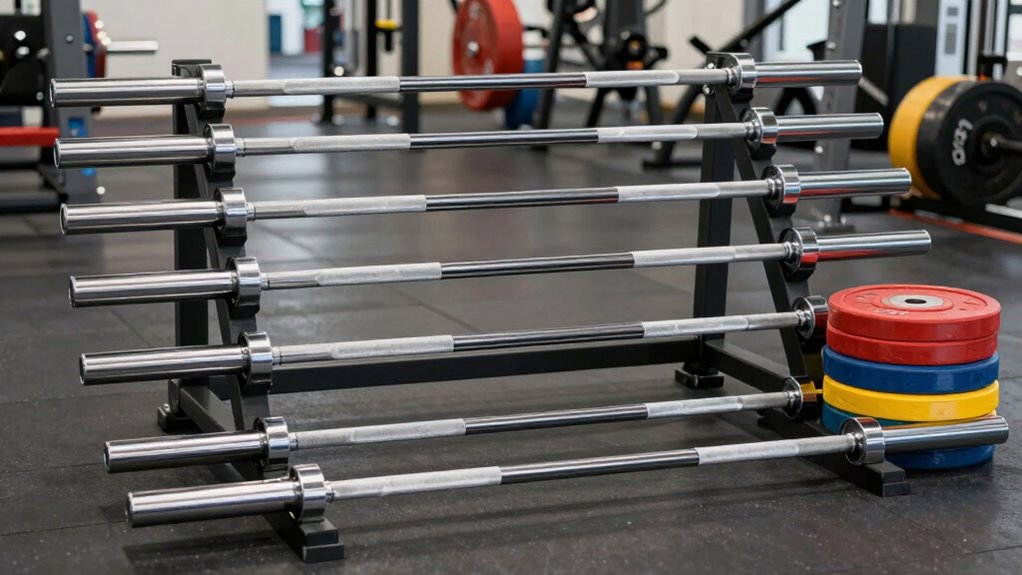
Shopping for a barbell olympic 20kg premium means choosing between shaft diameter, tensile strength, knurling depth, and rotation quality — and the differences matter far more than price tags suggest. My top overall pick is the Titan Fitness Performance Series 20 KG Power Bar, which pairs a 1500 lb capacity, bronze bushings, and medium mountain knurling in a package built to survive decades of heavy powerlifting. The Synergee Games Olympic Barbell stands out if you want a bar tuned for Olympic lifts and CrossFit-style training, while the CAP Barbell The Beast offers impressive durability for lifters on a tighter budget. The main tradeoff in this category is stiff power bars versus whippier, faster-spinning Olympic bars — plus the reality that many budget 7ft bars cut corners on sleeve rotation and knurling quality. Keep reading for the full breakdown of all 13 bars.

Get health and wellness essentials delivered free with Prime
- Fast, free delivery on millions of items
- Prime Video, Amazon Music and more included
- Member-only deals all year
Key Takeaways
- Only a handful of bars in this lineup (Titan Performance Series, Synernee Games, PAPABABE) clearly state 1500 lb capacities with credible construction — most others cluster at 700–1000 lbs, which is plenty for beginners but limiting for advanced powerlifters.
- Sleeve rotation is the biggest hidden differentiator: bronze bushing bars like the Titan outperform plain generic bars noticeably for cleans and snatches, while several budget options have sluggish or noisy sleeves.
- Knurling quality separates premium from budget more than weight capacity does — CAP‘s Beast and the Titan’s mountain knurling offer real grip confidence, whereas unbranded generic bars often ship with shallow, vague knurling.
- Several listings (the generic ‘7ft Olympic Barbell’ options and the GOIMU PB01) appear to be near-identical bars sold under different names — buyers should judge them on stated tensile strength and warranty, not branding.
- For lifters who will ever do Olympic lifts, the 28mm shaft options (Synergee Games and the 28mm 500/700/1000LB bar) feel noticeably better in the hands than the 29mm+ shafts found on power-focused bars like the Titan.


| barbell olympic 20kg premium | Weight | Length | Tensile strength | Finish |
|---|---|---|---|---|
| RitFit Elite 7 ft Olympic Barb | 20 kg (approximately 44 lb) | 2.2 m (7.2 ft) | — | — |
| 7ft Olympic Barbell 28mm 45lb | 45 lb | 7 ft | — | — |
| Olympic Barbell 7FT | 20 kg (45 lb) | 7 ft | 190,000 PSI | — |
| Titan Fitness Performance Seri | 20 kg | — | 165,000 PSI | Chrome |
| CAP Olympic Barbell | — | 7 ft | 100,000 PSI | — |
| HANDBODE 7 ft Olympic Barbell | 45 lb (20 kg) | 86.6 in | 190,000 PSI | Oven-cured spray shaft; E-Coat sleeves |
| Synergee Games Olympic Barbell | 20 kg (45 lb) | 86.75 in | 190,000 PSI | Ceramic coating |
| GOIMU PB01 7 ft Olympic Barbel | 45 lb (20 kg) | — | 150,000 PSI | Hard chrome plating |
| PAPABABE 7ft Olympic Barbell 4 | 45 lb | — | — | Chrome |
| Mikolo 7ft Olympic Barbell | 45 lb | 86.6 in | — | Chrome |
| CAP Barbell The Beast 7-Foot O | 44 pounds | 7 feet | 120,000 PSI | Black phosphate |
| 7ft Olympic Barbell for Home G | 45 pounds | 7 feet | — | Hard chrome |
| Jelens 7 ft Olympic Barbell | 45 pounds | 86.6 inches | 150,000 PSI | — |
More Details on Our Top Picks
RitFit Elite 7 ft Olympic Barbell, 45 lb
The RitFit Elite is the strongest fit here for lifters who want a 20 kg bar that can handle both Olympic lifts and general strength work. Its needle bearings support a smoother sleeve spin, which matters when the bar turns quickly during lifts such as cleans. Compared with the Titan Fitness Performance Series Power Bar, this RitFit has a slimmer 28 mm grip and a design aimed at a broader mix of lifts; the Titan’s 29 mm shaft and mountain knurling favor powerlifting. The tradeoff is its 500 lb capacity, well below the Titan’s 1,500 lb rating, so it is a less suitable choice for very heavy powerlifting. Its lifetime warranty against bending is a useful added safeguard, though the product details do not state tensile strength.
Pros:- Needle bearings support smooth sleeve rotation for Olympic lifts.
- Designed for both Olympic and power lifts.
- 28 mm shaft offers a slimmer grip than the Titan Fitness 29 mm power bar.
- Lifetime warranty against bending.
Cons:- 500 lb stated capacity is lower than the 1,500 lb Titan Fitness bar.
- Tensile strength is not specified in the provided product data.
Best for: Lifters who want a 20 kg bar for Olympic movements and general strength training, with a stated bending warranty.
Not ideal for: Powerlifters planning to load beyond 500 lb or buyers who need a stated tensile-strength rating.
- Weight:20 kg (approximately 44 lb)
- Length:2.2 m (7.2 ft)
- Grip diameter:28 mm
- Weight capacity:500 lb
- Material:Alloy steel
- Grip:Volcano knurling
- Bearing type:Needle bearings
- Warranty:Lifetime warranty against bending
Our verdict“Choose the RitFit Elite for mixed Olympic and strength training if its 500 lb capacity covers your planned loads.”
7ft Olympic Barbell 28mm 45lb – 500/700/1000LB Bar for Home Gym
This bar’s defining feature is a choice of 500, 700, or 1,000 lb capacity, giving home gym owners a way to match the bar to their intended training loads. Its 7-foot length, 28 mm diameter, knurling, and precision bearings cover familiar lifts such as squats, deadlifts, and bench presses. Compared with the RitFit Elite, it has a similar listed length and grip diameter, but the RitFit specifically names needle bearings and includes a lifetime warranty against bending. This listing does not clarify which bearing type comes with the bar or provide a comparable warranty detail, so those are points to confirm before choosing it. The capacity options offer more flexibility than the CAP bar’s 500 lb limit, but the bar’s 45 lb weight may be less approachable for beginners.
Pros:- Three stated capacity options, from 500 to 1,000 lb.
- 28 mm diameter matches the listed grip size of the RitFit Elite.
- Knurling is intended to provide a secure grip.
- Designed for a range of common strength lifts.
Cons:- The product details do not identify the precision bearing type.
- At 45 lb, it may be difficult for some beginners to handle.
- The supplied specs do not state material finish or warranty.
Best for: Home gym buyers choosing among stated load capacities for standard squats, presses, and deadlifts.
Not ideal for: New lifters who need a lighter bar or buyers who require clearly stated bearing and warranty details.
- Length:7 ft
- Diameter:28 mm
- Weight:45 lb
- Maximum load capacity:500, 700, or 1,000 lb
- Construction:High-grade steel
- Grip:Ergonomic knurling
- Rotation:Precision bearings; type not specified
Our verdict“Pick this bar if you want a familiar 7-foot setup and can select the capacity that fits your training loads.”
Olympic Barbell 7FT, 700/1500LBS Capacity, 2″ Standard Weights
With a stated 1,500 lb capacity and 190,000 PSI tensile strength, this bar is the most clearly specified heavy-loading choice in this group. Its needle bearings and brass bushings are listed together, while the diamond-pattern grip and anti-oxidation coating speak to grip and surface protection. Compared with the CAP Olympic Barbell, which is rated for 500 lb and has a 100,000 PSI tensile strength, this model is aimed at substantially heavier training. That extra headroom matters only if your lifting demands it; for ordinary home strength work, the CAP may be a more proportionate fit. Product details also describe it as compatible with standard equipment, but the 7-foot length still calls for room to move and store a full-size bar.
Pros:- Listed capacity of up to 1,500 lb.
- 190,000 PSI tensile strength is stated.
- Needle bearings and brass bushings are both identified in the specs.
- Anti-oxidation coating and diamond-pattern grip are specified.
Cons:- A 7-foot bar requires adequate training and storage space.
- Its high capacity may offer little practical benefit for typical beginner loads.
- The product data does not specify a warranty.
Best for: Experienced home gym lifters who want a 7-foot bar with a stated 1,500 lb capacity and tensile strength.
Not ideal for: Beginners or space-limited lifters whose training does not need a full-size bar or high load rating.
- Length:7 ft
- Weight:20 kg (45 lb)
- Weight capacity:Up to 1,500 lb
- Tensile strength:190,000 PSI
- Material:High-strength steel
- Surface coating:Anti-oxidation
- Sleeve rotation:Needle bearings and brass bushings
- Grip surface:Diamond-patterned
Our verdict“Choose this bar for heavy training when its stated 1,500 lb capacity and strength details matter to your setup.”
Titan Fitness Performance Series 20 KG Power Bar, 1500 LB Capacity, 29mm Shaft, Chrome Finish, Bronze Bushings, Medium Mountain Knurling
The Titan Fitness Performance Series is a 20 kg power bar built around the needs of squat, bench, and deadlift training. Its 29 mm shaft and medium mountain knurling provide the thicker grip and pronounced texture that distinguish it from the 28 mm RitFit Elite, which is described for both Olympic and power lifts. A 1,500 lb capacity and 165,000 PSI tensile strength also give the Titan stronger stated load credentials than the RitFit’s 500 lb rating. Bronze bushings support sleeve rotation, but this is not the bearing-focused choice for quick Olympic lifts: the RitFit specifically lists needle bearings. The Titan’s narrower exercise focus is its main tradeoff, so it makes more sense for powerlifting than for a buyer seeking one bar for varied lifting styles.
Pros:- 1,500 lb stated capacity with 165,000 PSI tensile strength.
- 29 mm shaft and medium mountain knurling suit powerlifting use.
- Chrome finish is specified.
- Bronze bushings provide sleeve rotation.
Cons:- Product description limits its intended use to powerlifting movements.
- Its 29 mm shaft is thicker than the RitFit Elite’s 28 mm shaft.
- The provided data does not state a warranty.
Best for: Powerlifters who want a 20 kg bar with a 29 mm shaft, mountain knurling, and a high stated capacity.
Not ideal for: Olympic lifters or mixed-training buyers who prioritize needle-bearing spin and a broader lift focus.
- Weight:20 kg
- Capacity:1,500 lb
- Shaft diameter:29 mm
- Finish:Chrome
- Bushing type:Bronze
- Knurling:Medium mountain
- Tensile strength:165,000 PSI
Our verdict“Choose the Titan for powerlifting-focused training if you prefer a 29 mm shaft and do not need a bar centered on Olympic lifts.”
CAP Olympic Barbell, 7 ft Strength Training Weight Bar
The CAP bar is the only option in this batch listed at 35 lb, making it a distinct fit for buyers who want a lighter bar than the standard 45 lb models. It covers general strength lifts and pairs volcano-style knurling with a center knurl, which can help the bar stay positioned during squats. Its bronze bushings and hard chrome finish provide straightforward durability details, but the 500 lb capacity and 100,000 PSI tensile strength place it below the Titan Fitness Performance Series for heavy powerlifting. The CAP is also not a true 20 kg bar by its listed weight, so buyers specifically seeking that standard should choose one of the 20 kg options instead. It suits moderate home training where a lighter starting bar matters more than maximum load headroom.
Pros:- 35 lb listed weight provides a lighter option than the 45 lb bars.
- Volcano-style knurling includes a center knurl for squat positioning.
- Bronze bushings and hard chrome finish are specified.
- Fits 2-inch Olympic plates.
Cons:- Its 35 lb weight does not meet a strict 20 kg bar requirement.
- 500 lb capacity is below the Titan and 1,500 lb models.
- 100,000 PSI tensile strength is lower than the other bars with stated tensile ratings.
Best for: Home lifters who prefer a 35 lb bar for general strength training and do not need a 20 kg standard bar.
Not ideal for: Buyers requiring a 20 kg bar or planning competitive or very heavy powerlifting loads.
- Bar weight:35 lb
- Length:7 ft
- Weight capacity:500 lb
- Tensile strength:100,000 PSI
- Sleeve compatibility:2-inch Olympic plates
- Sleeve rotation:Bronze bushing
- Knurling:Volcano-style with center knurl
- Finish and material:Hard chrome finish; steel
Our verdict“Choose the CAP if you want a lighter 7-foot bar for moderate home training and do not require a 20 kg weight.”
HANDBODE 7 ft Olympic Barbell, 45 lb, 2-Inch Sleeves
Hybrid needle bearings and brass bushings give this 20 kg bar a setup aimed at lifters who mix rotating Olympic movements with slower strength work. Its 28 mm volcano knurl and dual IWF/IPF marks make hand placement easier to match across lift styles. Compared with the Synergee Games Olympic Barbell, it has a lower stated load capacity, but its brass bushings add another sleeve component alongside the bearings. 190,000 PSI steel and a 1,000 lb capacity suit demanding home training, though the higher-capacity options in this group leave more headroom for very heavy loading. There is no center knurl, which may make the bar feel less secure on some back squats, and the bearings do not reduce the sound of dropped plates. I’d choose it for versatility, with appropriate flooring and plates.
Pros:- 28 mm shaft with volcano knurl and dual IWF/IPF marks
- Hybrid needle bearings and brass bushings support sleeve rotation
- 190,000 PSI alloy steel with a stated 1,000 lb capacity
- E-Coat sleeves resist corrosion
Cons:- No center knurl for added grip during some back squats
- Lower stated capacity than the 1,500 lb Synergee and GOIMU bars
- Bearing design does not quiet plate drops
Best for: Home gym lifters who alternate Olympic lifts with squats, presses, and deadlifts and want clear dual-style knurl marks.
Not ideal for: Lifters who rely on a center knurl for back squats or need more than a 1,000 lb stated capacity.
- Weight:45 lb (20 kg)
- Length:86.6 in
- Grip diameter:28 mm
- Sleeve diameter:50 mm (2 in)
- Weight capacity:1,000 lb
- Tensile strength:190,000 PSI
- Sleeve rotation:4 hybrid needle bearings and brass bushings
- Finish:Oven-cured spray shaft; E-Coat sleeves
Our verdict“Choose the HANDBODE if you want one marked, rotating 20 kg bar for mixed lifting and can work within its 1,000 lb capacity.”
Synergee Games Olympic Barbell, 20 kg
The 1,500 lb stated capacity gives the Synergee Games a clear edge for lifters who expect their loading to grow. Its 20 kg weight, 28 mm grip, and 10 needle bearings also suit Olympic movements, while the ceramic coating sets it apart from the chrome-finished GOIMU and Mikolo bars. At 190,000 PSI tensile strength, its steel matches the HANDBODE’s stated rating, but the Synergee claims greater load capacity. That rating alone does not describe bar feel or durability under every training setup. The 1.2 mm knurl is specified, though the supplied details say less about its pattern and marks than HANDBODE’s volcano knurl and dual marks. The product listing also mentions multiple bar options, so buyers should confirm they are selecting the 20 kg version. This pick favors capacity and rotating sleeves over unusually detailed grip guidance.
Pros:- Stated 1,500 lb weight capacity
- 10 needle bearings for sleeve rotation
- 190,000 PSI tensile strength
- Ceramic-coated alloy steel finish
Cons:- Multiple bar options in the listing can make the 20 kg variant less clear
- Knurl pattern and marks are less fully specified than on the HANDBODE
- Capacity figure does not provide details on bar flex or use conditions
Best for: Experienced home gym lifters who want a 20 kg bar with a high stated capacity for Olympic lifting, powerlifting, and bodybuilding.
Not ideal for: Buyers who need a clearly documented knurl pattern and markings or find variant listings hard to distinguish.
- Weight:20 kg (45 lb)
- Length:86.75 in
- Grip diameter:28 mm
- Loadable sleeve length:16.4 in
- Weight capacity:1,500 lb
- Tensile strength:190,000 PSI
- Bearings:10 needle bearings
- Finish:Ceramic coating
Our verdict“Pick the Synergee Games if high stated capacity and 10 needle bearings matter more to you than detailed knurl and marking specifications.”
GOIMU PB01 7 ft Olympic Barbell with Knurled Grip
The GOIMU PB01 pairs a hard chrome finish with a 1,500 lb stated capacity, making it a straightforward choice for lifters who prioritize corrosion resistance and heavy loading. Its 28 mm grip and 1.2 mm diamond knurl provide more specific grip information than the Mikolo listing, which gives the shaft diameter but no knurl depth. The tradeoff is its 150,000 PSI tensile strength: lower than the 190,000 PSI figures stated for the HANDBODE and Synergee. Its needle bearings and brass bushings support sleeve rotation, but the provided specs do not state a bearing count or identify the knurl marks, so buyers seeking those details have less to go on. At 20 kg and 86.6 inches, it fits the standard 7-foot Olympic bar format. I’d favor it for a chrome-finished general training bar, not for maximizing the listed steel rating.
Pros:- Hard chrome plating resists corrosion
- Stated 1,500 lb capacity
- 28 mm grip with specified 1.2 mm diamond knurl
- Needle bearings and brass bushings support sleeve rotation
Cons:- 150,000 PSI tensile strength is below the HANDBODE and Synergee ratings
- Bearing count and knurl marks are not specified
- 45 lb bar may be heavy for people starting with lighter training bars
Best for: Home gym owners who want a 20 kg, hard-chrome Olympic bar with a stated 1,500 lb capacity and a specified diamond knurl.
Not ideal for: Lifters who prioritize a higher tensile-strength rating or need a documented bearing count and knurl marks.
- Weight:45 lb (20 kg)
- Overall length:86.6 in
- Grip diameter:28 mm
- Loadable sleeve length:16.14 in
- Weight capacity:1,500 lb
- Tensile strength:150,000 PSI
- Knurl:1.2 mm diamond
- Finish:Hard chrome plating
Our verdict“Choose the GOIMU if hard chrome and a specified diamond knurl are your priorities, and its 150,000 PSI rating suits your training.”
PAPABABE 7ft Olympic Barbell 45lb with 1000/1500lbs Capacity
The PAPABABE is described as a chrome-finished, 45 lb bar for deadlifts, squats, and bench presses, with 190,000 PSI steel and needle-bearing sleeve rotation. That makes it a power-focused alternative to the rotating-lift emphasis of the Synergee Games, whose listing gives a specific 10-bearing count and a 1,500 lb capacity. PAPABABE’s title refers to both 1,000 and 1,500 lb capacities, while its description states 1,000 lb; I would rely on the stated description figure unless the selected version confirms otherwise. The listed length of 51.57 inches conflicts with the 7-foot title, so the bar’s actual overall length is unclear in the supplied product data. Its 2-inch sleeves are specified as compatible with bumper plates, but these inconsistencies make it harder to choose confidently than the HANDBODE or GOIMU.
Pros:- 190,000 PSI alloy steel is specified
- Chrome finish resists rust and corrosion
- 2-inch sleeves are compatible with bumper plates
- Needle bearings and bushings support sleeve rotation
Cons:- Title and description give conflicting capacity figures
- Listed 51.57-inch length conflicts with the 7-foot title
- Grip size is listed as 1.2 inches without a millimeter measurement
Best for: Home lifters focused on basic barbell strength work who can verify the exact capacity and overall length of the version they are buying.
Not ideal for: Buyers who need unambiguous dimensions and capacity details before selecting a 7-foot bar.
- Weight:45 lb
- Listed length:51.57 in (conflicts with 7 ft title)
- Material:Alloy steel
- Finish:Chrome
- Stated maximum capacity:1,000 lb in description; title also says 1,500 lb
- Grip size:1.2 in
- Sleeve length:16.14 in
- Sleeves:2 in; compatible with bumper plates
Our verdict“Consider the PAPABABE for straightforward strength training only after confirming the exact bar length and capacity for the version you plan to buy.”
Mikolo 7ft Olympic Barbell, 45lb, 1500lbs Capacity, 2” Standard
Mikolo’s appeal is a familiar combination: 28 mm knurling, chrome-finished alloy steel, and a stated 1,500 lb capacity in a 7-foot format. That makes it a broad-use choice for powerlifting and Olympic movements, though the product details don’t specify a bearing system as clearly as the Synergee Games does with its 10 needle bearings. The Mikolo listing is also less specific than GOIMU’s about knurl depth and sleeve length, so buyers have fewer details for judging grip feel and plate fit. Its 45 lb weight is the standard 20 kg target in this roundup, but may be a demanding starting point for new lifters. The supplied specs identify a 2-inch standard, so it suits Olympic plates rather than other sleeve sizes. Collars are not included, adding a separate item to the setup.
Pros:- Stated 1,500 lb capacity
- 28 mm grip diameter
- Chrome-finished alloy steel
- 86.6-inch length suits a standard 7-foot setup
Cons:- Bearing type and sleeve length are not specified
- Collars or clips are not included
- 2-inch sleeves do not fit other plate bore sizes
Best for: Experienced home gym lifters who want a standard 20 kg chrome bar for general strength training and already have 2-inch plates and collars.
Not ideal for: New lifters seeking a lighter bar, or buyers who want detailed bearing, sleeve-length, or knurl-depth specifications.
- Weight:45 lb
- Length:86.6 in
- Grip diameter:28 mm
- Maximum capacity:1,500 lb
- Material:Alloy steel
- Finish:Chrome
- Plate sleeve standard:2 in
- Included collars:None specified; product details say collars or clips are not included
Our verdict“Choose Mikolo for a conventional 20 kg chrome bar if you already own Olympic plates and collars and do not need detailed sleeve or bearing specifications.”
CAP Barbell The Beast 7-Foot Olympic Barbell
The Beast’s 1,200-pound capacity gives it a clear heavy-lifting focus, while its 30 mm shaft and volcano-style knurling offer a substantial grip for controlled squats and pulls. Compared with the Jelens 7 ft Olympic Barbell, it has a higher stated capacity but a thicker grip and shorter loadable sleeves. Its rotating bronze bushings support sleeve movement during lifts, though this setup is less specialized for rapid bar rotation than a bearing-focused design. The black phosphate finish offers some rust resistance, but it calls for more care than the hard chrome on the Jelens. At 44 pounds, it is close to standard Olympic-bar weight, yet the thick grip may not suit lifters with smaller hands. This is a practical pick for a home gym prioritizing capacity and a secure hold over finer grip preferences.
Pros:- Stated 1,200-pound capacity suits heavy strength training.
- Volcano-style knurling provides a secure grip.
- Rotating bronze bushings allow sleeve movement.
- Black phosphate finish offers rust resistance.
Cons:- The 30 mm grip may feel too thick for some lifters.
- Its 15-inch sleeves are shorter than the Jelens bar’s 16.1-inch loadable sleeves.
- Black phosphate needs more finish care than hard chrome.
Best for: Home lifters who want a high-capacity bar with a thicker 30 mm grip for heavy squats, deadlifts, and general strength work.
Not ideal for: Lifters with smaller hands or anyone prioritizing a 28 mm grip and longer loadable sleeves, as the Jelens offers both.
- Length:7 feet
- Weight:44 pounds
- Maximum weight capacity:1,200 pounds
- Material:Alloy steel
- Tensile strength:120,000 PSI
- Finish:Black phosphate
- Grip diameter:30 mm
- Sleeves:15 inches; rotating bronze bushings; compatible with 2-inch Olympic plates
Our verdict“Choose The Beast if you want a high-capacity home-gym bar and prefer a thicker grip to the Jelens’s 28 mm shaft.”
7ft Olympic Barbell for Home Gym, 45lb 2″ Weight Bar for Deadlift, Powerlifting, and Strength Training
A stated 1,500-pound capacity sets this bar apart from the CAP The Beast and Jelens options, making it the capacity leader among these three. Its hard chrome finish and sealed bronze bushings also suit a home gym where regular maintenance should stay simple: the coating resists rust, and the bushings are described as maintenance-free. The listing does not give a shaft diameter or tensile strength, though, so buyers have less detail to judge its feel and steel performance than they do with the Jelens 7 ft Olympic Barbell. Its 45-pound weight matches the standard full-size bar format, but the seven-foot length needs adequate storage and rack space. This makes the most sense for experienced lifters who prioritize the stated load rating and sealed sleeves; beginners may prefer a bar with more complete technical details before choosing.
Pros:- Stated 1,500-pound capacity is the highest among these three bars.
- Hard chrome finish is described as rust-resistant.
- Sealed bronze bushings are described as maintenance-free.
- Knurled grip supports control during heavy lifts.
Cons:- The listing gives no shaft diameter or tensile-strength rating.
- Its seven-foot length can be difficult to store in a compact home gym.
- No weight plates are included.
Best for: Experienced home lifters who want a full-length 45-pound bar with a high stated capacity and sealed bushings.
Not ideal for: Buyers with limited rack or storage space, or those who want published shaft diameter and tensile-strength details to compare bar feel and steel.
- Length:7 feet
- Weight:45 pounds
- Capacity:1,500 pounds
- Material:Alloy steel
- Finish:Hard chrome
- Sleeve diameter:2 inches
- Bushing type:Sealed bronze bushings
- Grip:Knurled, ergonomic
Our verdict“Pick this bar if its 1,500-pound stated capacity and sealed bushings matter more to you than having detailed shaft and steel specifications.”
Jelens 7 ft Olympic Barbell, 1,000 lb Capacity
The Jelens pairs a 28 mm grip with dual-marking knurling, giving lifters a standard-feeling shaft and visible hand-placement guides. That makes its layout more informative than the broadly described ergonomic knurling on the 7 ft Olympic Barbell for Home Gym, while the CAP The Beast has a thicker 30 mm grip. Its 150,000 PSI tensile-strength rating is the highest specified in this trio, even though its stated 1,000-pound capacity is below both alternatives. Needle bearings and brass bushings combine sleeve rotation features, but the listing does not explain how they are arranged or how they perform under different lifts. Hard chrome adds corrosion resistance, and the 16.1-inch loadable sleeves provide room for plates. This bar suits lifters who value grip dimensions and placement marks over the highest stated capacity; its warranty details are not provided.
Pros:- 28 mm grip matches a common Olympic-bar shaft diameter.
- Dual knurl markings guide hand placement.
- 150,000 PSI tensile strength is the highest specified among these three.
- 16.1-inch loadable sleeves provide plate-loading room.
Cons:- Its stated 1,000-pound capacity is lower than the other two bars.
- The listing does not specify a warranty.
- The needle-bearing and brass-bushing arrangement is not explained in detail.
Best for: Lifters who want a 28 mm shaft, marked hand positions, and longer loadable sleeves for strength training.
Not ideal for: Buyers who prioritize the highest stated weight capacity or want warranty information before purchasing.
- Length:86.6 inches
- Weight:45 pounds
- Weight capacity:1,000 pounds
- Tensile strength:150,000 PSI
- Grip diameter:1.10 inches (28 mm)
- Loadable sleeve length:16.1 inches
- Knurling:1.2 mm diamond knurl; dual markings; 33.46-inch central knurl zone
- Finish and sleeve mechanism:Hard chrome; needle bearings and brass bushings
Our verdict“Choose the Jelens if grip dimensions and hand-placement marks matter more to you than the higher stated capacity of the other two bars.”

How We Picked
I evaluated each bar against the criteria that actually determine long-term satisfaction with a premium 20kg Olympic barbell: shaft diameter (28mm for Olympic lifting, 29mm+ for powerlifting), load capacity relative to realistic training goals, sleeve rotation quality (bushing type matters for bar spin and longevity), knurling depth and consistency, and finish durability. Because most buyers of a 20kg bar are building a home gym, I also weighed warranty terms, stated tensile strength, and whether the manufacturer provides real specs versus vague marketing claims.
The ranking reflects a simple philosophy: a premium bar should be the last bar you buy. Bars with verifiable construction details — the Titan’s bronze bushings and mountain knurling, Synergee’s Games-spec geometry — ranked above generic bars with big capacity claims but thin documentation. Value picks earned their spots by delivering 80% of the premium experience at a lower commitment level, while budget generics placed lower not because they’re unusable, but because their tradeoffs (slow sleeves, inconsistent knurling) reveal themselves over years, not weeks.
| barbell olympic 20kg premium | Finish |
|---|---|
| RitFit Elite 7 ft Olympic Barb | — |
| 7ft Olympic Barbell 28mm 45lb | — |
| Olympic Barbell 7FT | — |
| Titan Fitness Performance Seri | Chrome |
| CAP Olympic Barbell | — |
| HANDBODE 7 ft Olympic Barbell | Oven-cured spray shaft; E-Coat sleeves |
| Synergee Games Olympic Barbell | Ceramic coating |
| GOIMU PB01 7 ft Olympic Barbel | Hard chrome plating |
| PAPABABE 7ft Olympic Barbell 4 | Chrome |
| Mikolo 7ft Olympic Barbell | Chrome |
| CAP Barbell The Beast 7-Foot O | Black phosphate |
| 7ft Olympic Barbell for Home G | Hard chrome |
| Jelens 7 ft Olympic Barbell | — |
Factors to Consider When Choosing Barbell Olympic 20kg Premium
A 20kg Olympic barbell is a decade-plus purchase, and the mistakes people make almost always come from matching the wrong bar type to their training style. Before committing to any of the 13 bars above, work through these factors.Power Bar vs. Olympic Bar: Match the Bar to Your Lifts
This is the single most consequential decision, and it’s where most buyers go wrong. A power bar like the Titan Performance Series is stiff, has aggressive knurling, and uses slower sleeves — ideal for squat, bench, and deadlift, because you want zero bar movement under maximal loads. An Olympic bar like the Synergee Games has more whip and faster sleeve rotation so the bar can spin around your hands during cleans and snatches without tearing your grip apart. If you train CrossFit-style or plan to learn the Olympic lifts, whip is a feature; if you only powerlift, whip makes heavy squats feel unstable. There’s no universal ‘better’ — only better for your programming. Buying a stiff power bar and then attempting snatches is the most common regret I see flagged in this category.
Tensile Strength and Load Capacity: Read Between the Numbers
Load capacity (700, 1000, or 1500 lbs) matters less than most listings imply, because almost no home lifter will load even 700 lbs onto a bar. What actually predicts durability is tensile strength, usually expressed in PSI — anything from 150,000 PSI up is solid for general training, and 190,000+ PSI indicates a bar that resists permanent bending even when racked dropped. Here’s the common mistake: budget bars advertise huge capacity figures without publishing tensile strength or steel grade, which often means lower-quality steel that survives static loading but bends when dropped on a rack or box. If a listing won’t tell you the steel, treat the capacity claim skeptically. Also check whether the bar has a center knurl — useful for back squats, annoying for cleans and front squats.
Knurling: The Feature You Can’t Return After a Month
Knurling depth is intensely personal, and it’s the one spec you can’t judge from a photo. Aggressive knurling (like the Beast’s) grips hard for heavy pulls but shreds palms during high-rep work and leaves marks on your shoulders during squats. Medium mountain knurling, like the Titan’s, is the safest all-around choice — enough bite for a 500 lb deadlift without needing straps, gentle enough for volume training. Also look at knurl marks: IPF markings (powerlifting) and IWF markings (Olympic lifting) sit at different distances, and if you compete, your grip spacing should match the marks you’ll use on meet day. Generic bars sometimes skip IWF marks entirely, which is a quiet dealbreaker for anyone pursuing the Olympic lifts.
Sleeve Rotation and Assembly Quality
Sleeve rotation is where premium bars earn their price and budget bars expose themselves. Better bars use bronze bushings (as on the Titan) or even needle bearings for near-frictionless spin; cheaper bars use basic composite bushings that spin adequately when new but develop play, rattle, or sluggishness within a year or two of regular dropping. Practically, poor spin shows up as wrist and elbow strain during cleans and as an audible clunk when the bar settles. Check whether the sleeves use snap rings or hex bolts — snap rings are the modern standard and allow service, while glued or bolted assemblies can loosen and rarely come apart cleanly. If you’ll ever drop an empty bar or dump a missed clean, sleeve assembly quality matters as much as the shaft.
Finish: More Than Aesthetics
The finish determines how the bar feels in your hands and how it ages in your garage. Chrome and zinc finishes resist rust well but can feel slick when your hands sweat; black oxide offers the best raw-grip feel but requires more maintenance and can transfer dark residue to your hands early on; stainless steel gives excellent grip and corrosion resistance but commands a premium. If your bar lives in a humid garage or basement, prioritize corrosion resistance over grip feel — a rusted knurl is worse than a slightly slick one. One mistake I see often: buyers assume raw/black shafts look ‘more premium’ and then neglect the monthly oiling they demand. Choose the finish that matches your maintenance habits, not just your Instagram feed.
The Generic-Bar Trap: When Cheaper Is Actually Riskier
Several bars in this category are unbranded or house-brand imports sold under multiple names, often from the same factories. They’re not automatically bad — some are genuinely good value for a first bar — but they carry real risks: inconsistent quality control (two units of the ‘same’ bar can have different knurling or sleeve fit), minimal warranties, and specs that can’t be verified. My rule of thumb: if a generic bar costs less than roughly 60% of a name-brand equivalent, the manufacturer saved money somewhere, usually in the steel or the sleeve assembly. For a beginner squatting and benching under 300 lbs, that gamble is reasonable. For anyone lifting seriously or dropping bars, the savings rarely survive contact with a missed lift.
Frequently Asked Questions
Is a 20kg bar too heavy or aggressive for a beginner home gym?
No — the 20kg (45 lb) 7ft Olympic bar is the standard starting point precisely because it’s what you’ll use forever. Beginners sometimes buy lighter 15kg or shorter bars thinking they’ll upgrade later, but that’s backwards: you adapt to the 20kg bar within weeks, and starting with it means your technique and grip spacing transfer directly to any gym you visit. The real question is whether a premium 20kg bar makes sense for a beginner, and there the answer is nuanced. A durable mid-tier bar like the CAP or a well-documented generic will serve a novice well for years. Pay up for premium construction only if you already know you’ll train consistently and progress toward heavy loads or Olympic lifts, because that’s when budget-bar weaknesses actually surface.
Can I use a powerlifting bar like the Titan Performance Series for CrossFit or Olympic lifting?
You can, but you’ll feel the mismatch quickly. Power bars have stiffer shafts and slower sleeve rotation, so during a clean or snatch the bar won’t spin around your hands as freely — the bar ‘drags’ your grip, which strains wrists and elbows and forces a death-grip on the bar. For low-rep strength work with occasional Olympic lifts mixed in, it’s tolerable. For regular high-rep Olympic lifting, snatches, or bar cycling in metcons, the Synergee Games bar (or any 28mm bar with faster sleeves) is a meaningfully better experience. Also note that the Titan’s center knurl, which helps back squats, will scratch your clavicles during front squats and cleans. If your training is genuinely split between powerlifting and Olympic lifting, prioritize the bar for whichever you do more often.
What capacity rating do I actually need — is 1500 lbs overkill?
For almost everyone, yes, 1500 lbs is more static capacity than you’ll ever approach — even elite deadlifters stay under 600 lbs of plates. But capacity ratings function as a proxy for overall build quality: bars rated 1500 lbs (Titan, Synergee, PAPABABE) almost always pair that rating with higher-tensile steel and better sleeve construction, so you’re really buying durability insurance, not raw capacity. Where the rating matters practically is dropping: a bar dropped with heavy loads experiences forces well beyond the static weight, and lower-rated bars are more likely to take a permanent bend. If you never drop your bar and lift under 405 lbs, a 700 lb-rated bar is genuinely sufficient. If you dump squats or miss cleans, pay for the higher rating and the steel that comes with it.
How much maintenance does a premium barbell actually require?
Less than people fear, but more than most do. The minimum routine is a quick wipe-down after sweaty sessions and a light coat of bar oil on the shaft and sleeves every few weeks — this prevents the corrosion that ruins knurling and keeps sleeves spinning freely. Black oxide and raw finishes demand the most attention; chrome and zinc are the most forgiving, which is one reason chrome remains the default for garage gyms. Every month or so, run a nylon brush through the knurl to clear chalk and skin residue, because packed chalk dulls grip and traps moisture. Chalk is your friend for grip but your bar’s enemy long-term, so brushing matters if you use it heavily. Five minutes of monthly care is the difference between a bar that looks new at year ten and one that’s pitted by year two.
Why do some of these 7ft bars cost twice as much as others when they look identical?
Because the differences live where you can’t see them. Two visually identical bars can differ in steel tensile strength (the difference between a bar that stays straight and one that bends permanently), bushing material (bronze versus cheap composite), knurling precision (cut versus rolled knurl, which affects grip sharpness and longevity), and quality control tolerance (how precisely the sleeves are machined and how consistently any two units match). Premium brands also back their bars with real warranties and replacement support, while generic bars often offer nothing beyond the return window. That said, the price gap isn’t always justified — some mid-priced bars in this list deliver premium-grade steel without the branding markup. The pattern I found: past a certain point, you’re paying for consistency and warranty, not raw performance, and that premium is worth it only for lifters who train hard enough to stress those differences.
Conclusion
After comparing all 13 bars, the right choice comes down to how you train, not which bar has the longest spec sheet. Best overall goes to the Titan Fitness Performance Series 20 KG Power Bar — its bronze bushings, mountain knurling, and 1500 lb capacity make it the most complete package for strength-focused home gyms. Best for Olympic lifting and CrossFit is the Synergee Games Olympic Barbell, whose 20kg Games-spec geometry and faster spin suit dynamic bar work far better than any power bar here. Best value is a close call between the CAP Barbell The Beast and the PAPABABE 7ft — both deliver serious durability and grip at a lower commitment level than the premium picks, with the Beast edging ahead on knurling and the PAPABABE on stated capacity.
For beginners, the standard CAP Olympic Barbell or the Mikolo 7ft makes the most sense: proven, affordable, and more than enough bar for your first few years of training. Lifters who want a cheap entry point and accept the quality-control gamble can grab the generic GOIMU PB01 or Jelens, while the HANDBODE and the multi-capacity generic bars sit in the middle for buyers who prioritize price above all else. Whatever you pick, match the bar to your lifts, oil it occasionally, and it will outlast most of the equipment in your gym.