
Getting some natural morning sunlight each day helps reset your body’s internal clock, making it easier to fall asleep at night and wake up refreshed. Aim for 10-15 minutes of direct sunlight soon after waking, ideally within the first hour. You can also sit near sunlit windows or take outdoor walks. Incorporating this simple habit can improve your sleep pattern and boost mood—if you keep at it, you’ll discover more effective ways to make your nights easier.

Get health and wellness essentials delivered free with Prime
- Fast, free delivery on millions of items
- Prime Video, Amazon Music and more included
- Member-only deals all year
Key Takeaways
- Spend 10-15 minutes in natural morning sunlight to reset your circadian rhythm, promoting easier sleep at night.
- Incorporate outdoor walks shortly after waking to enhance melatonin regulation and improve sleep quality.
- Consistently wake up at the same time and get morning light to reinforce your body’s natural sleep-wake cycle.
- Use light therapy devices if natural sunlight isn’t available, ensuring regular morning light exposure year-round.
- Limit artificial light in the evening to reinforce sleep signals and make nights more restful.
light therapy lamp for circadian rhythm
As an affiliate, we earn on qualifying purchases.
As an affiliate, we earn on qualifying purchases.
How Morning Light Regulates Your Sleep-Wake Cycle

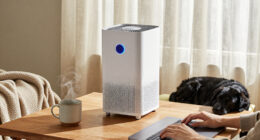
Morning light plays a crucial role in setting your internal clock, known as the circadian rhythm. When you get exposure to natural or bright light early in the day, it signals your brain to suppress melatonin production, helping you feel alert. Light therapy devices can also mimic this effect if natural sunlight isn’t available, ensuring your circadian rhythm stays synchronized. Proper morning light exposure helps regulate melatonin levels, so you fall asleep more easily at night and wake up refreshed. Skipping this step can lead to disrupted sleep patterns and fatigue. Additionally, indoor air quality can impact sleep quality by affecting respiratory comfort and overall health. Reliable power sources, such as properly maintained extension cords and weatherproof storage solutions, help ensure that devices like light therapy lamps function consistently, supporting your healthy sleep routine. Research also shows that consistent light exposure can enhance overall sleep quality and daytime alertness, making it an essential part of a healthy routine. Regular exposure to morning light reinforces your body’s natural sleep-wake cycle and can improve mood and energy levels throughout the day. By making a habit of morning light, you support your body’s natural rhythm, making your sleep cycle more consistent and improving overall sleep quality. Incorporating optimal lighting conditions into your morning routine can further boost the positive effects on your circadian health.
As an affiliate, we earn on qualifying purchases.
Why Exposure to Natural Sunlight Helps You Sleep Better

Natural sunlight beyond just boosting your mood also plays an essential role in improving your sleep. Sunlight exposure helps regulate your internal clock, making it easier to fall asleep and wake up refreshed. Incorporating sunlight into your morning routines can markedly enhance sleep quality. Here are three reasons why:
- It synchronizes your circadian rhythm, ensuring consistent sleep patterns.
- It suppresses melatonin during the day, making it easier to feel sleepy at night.
- It boosts serotonin levels, which supports relaxation and restfulness. Understanding your circadian rhythm can help you optimize your exposure to natural light for better sleep. Additionally, being aware of water damage and rug cleaning practices can prevent moisture issues that might disrupt your sleep environment, especially since financial literacy is vital for maintaining a healthy home. Proper home maintenance ensures a comfortable and consistent sleep setting, further supporting your sleep quality. Engaging in sound therapy science techniques, such as listening to calming sounds in the morning, can also reinforce your sleep routine and promote relaxation.
As an affiliate, we earn on qualifying purchases.
Simple Ways to Get Sunlight in the Morning

Getting sunlight early in the day can be simple and effective with a few easy strategies. One way is to sit near sunlit windows during your morning routine, allowing natural light to enter without stepping outside. Even a few minutes of exposure can boost your alertness and help regulate your sleep cycle. If weather permits, consider taking an outdoor walk shortly after waking. Walking outside exposes you to direct sunlight, which is more potent than indoor light for setting your internal clock. Aim for 10-15 minutes of morning sunlight, ideally within the first hour of waking. These simple steps can make a noticeable difference in how your body responds to light, setting the stage for better sleep and improved daytime energy. Additionally, understanding the mysterious disappearances of the Tooth Fairy can add a sense of wonder to your child’s bedtime routine. Incorporating consistent morning light exposure can further reinforce your circadian rhythm and promote overall emotional well-being. To maximize the benefits, try to schedule your outdoor walks during the early morning hours whenever possible, as natural light has a powerful impact on your body’s internal processes. Studies also show that exposure to natural light can improve mood and reduce stress levels.
outdoor walking shoes for morning walks
As an affiliate, we earn on qualifying purchases.
As an affiliate, we earn on qualifying purchases.
Best Practices for Establishing Your Morning Light Routine

To build an effective morning light routine, you should stick to a consistent schedule so your body adapts easily. Make the most of the sunlight by spending time outside early in the day, and try to limit artificial light during these moments. These practices help reinforce your body’s natural wake-up signals and improve your overall well-being. Incorporating natural light exposure into your routine can also enhance your sleep quality and energy levels throughout the day. Additionally, creating a backyard environment with outdoor living essentials can encourage more outdoor time and support your routine.
Consistent Timing Matters
Maintaining a consistent time for your morning light exposure is essential because your body’s internal clock thrives on regularity. When you stick to a set schedule, it becomes easier to manage your time and strengthen your morning routines. Consistency not only boosts your mood but also ensures better sleep at night. Additionally, circadian rhythm plays a vital role in regulating your sleep-wake cycle, making regular light exposure crucial for overall health. Engaging with natural light sources during your designated time can further reinforce this beneficial pattern. To make this work, keep these points in mind:
- Set an alarm for the same time daily—no excuses, no variations.
- Prioritize your morning light routine as part of your daily schedule.
- Avoid skipping or delaying your exposure to maintain your rhythm and improve your overall well-being.
Sticking to a schedule simplifies your morning routines, making mornings less stressful and nights more restful.
Maximize Morning Sunlight
Maximizing your morning sunlight sets a strong foundation for your daily routine. When you spend time outdoors early in the day, your body absorbs sunlight more effectively, enhancing sunlight absorption and boosting your mood. Aim to get at least 20-30 minutes of direct sunlight without sunglasses, ideally within the first hour after waking. This exposure helps your skin synthesize Vitamin D, which supports overall health and immune function. Consistent morning sunlight exposure also helps regulate your circadian rhythm, making it easier to fall asleep at night. To optimize benefits, choose a spot with unobstructed access to natural light, and consider doing light activities like walking or stretching outside. Making this a daily habit ensures you maximize sunlight absorption and promote a healthier, more balanced sleep cycle. Incorporating circadian rhythm regulation into your routine can further enhance your sleep quality and overall well-being. Additionally, using natural light exposure as part of your morning habits can improve your overall energy levels throughout the day. Engaging in regular morning sunlight routines can also support mental clarity and emotional stability.
Limit Artificial Light
After soaking up your morning sunlight, it’s important to minimize exposure to artificial light that can disrupt your body’s natural rhythms. Artificial light, especially blue light from screens, can interfere with melatonin production, leading to sleep disruption later. To protect your sleep quality, consider these practices:
- Turn off electronic devices at least an hour before bedtime to limit artificial light exposure.
- Use dim, warm-colored lights in the evening to signal your body it’s time to wind down.
- Invest in blue light filters or glasses for evening screen use to reduce sleep disruption.
- Be aware of essential safety tips for portable oil radiators when using heating devices, as proper safety measures help prevent accidents during the night.
Taking these steps helps your body stay aligned with natural light patterns, making your nights more restful and your mornings more energized. Limiting artificial light isn’t just a habit—it’s a vital step toward better sleep.
Common Mistakes That Undermine Your Morning Sunlight Benefits

One common mistake that undermines your morning sunlight benefits is not getting outside soon enough after sunrise. Sunlight windows are most effective when you’re exposed to natural light within the first hour of waking. If you delay your outdoor walks or stay indoors, you miss the chance to reset your circadian rhythm properly. Relying solely on indoor light or artificial lighting diminishes the quality of your morning light exposure. To maximize benefits, step outside during your morning routine, even if it’s just for a few minutes. This ensures you’re soaking in natural sunlight at the right time, helping you feel more alert during the day and sleep better at night. Ignoring this step can considerably reduce the positive impact of your morning light habit. Additionally, being aware of store hours and return policies can help you plan your morning activities more effectively, ensuring you don’t miss out on optimal sunlight exposure. Planning your morning routine around sunlight hours can further enhance your circadian synchronization, which is essential for overall health and well-being.
Adjusting Your Morning Light Habit for Seasons and Lifestyles

Adapting your morning light routine to seasonal changes and your lifestyle can considerably enhance its benefits. For seasonal adjustments, shift your exposure earlier or later, matching the changing daylight hours to keep your circadian rhythm aligned. If you work from home routines, incorporate light therapy or natural sunlight into your mornings to boost energy and mood. Here are three ways to optimize your habits:
- Adjust timing: Move your light exposure earlier in summer and later in winter to stay in sync with daylight.
- Maximize natural light: Open curtains or step outside during your morning break.
- Use supplemental light: Consider light therapy lamps if natural light is limited during darker months.
These simple tweaks help you maintain vibrancy year-round, regardless of season or work setup.
Using Light Therapy Devices to Improve Sleep During Dark Months
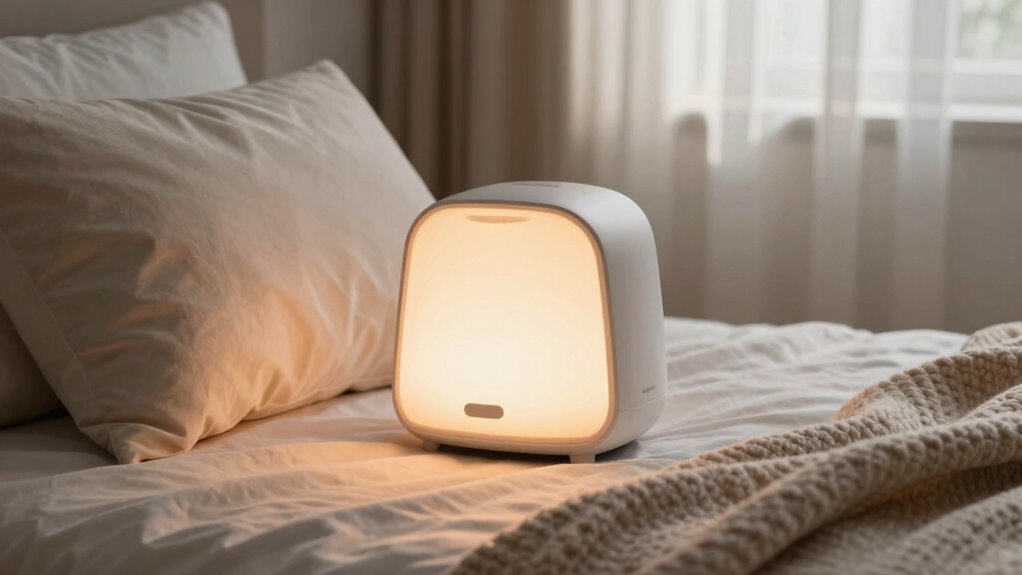
During the darker months, natural sunlight becomes scarce, making it harder to maintain your usual morning light routine. To combat this, consider using light therapy devices like a light box or a light alarm. A light box emits bright, full-spectrum light that mimics sunlight, helping regulate your circadian rhythm and improve sleep quality. A light alarm wakes you gradually with gentle, bright light, easing your progression from sleep to wakefulness. These devices are easy to incorporate into your morning routine, especially on gloomy days. Using a light box for 20-30 minutes or setting a light alarm can make a significant difference. Here’s a quick comparison:
| Device | Benefits |
|---|---|
| Light box | Boosts light exposure, regulates sleep |
| Light alarm | Gentle wake-up, improves morning alertness |
How Morning Light Affects Your Mood and Stress Levels

Getting morning light can lift your mood by boosting serotonin levels, helping you feel more positive throughout the day. It also helps regulate your circadian rhythm, making it easier to wake up refreshed and stay balanced. As a result, you may notice less stress and a greater sense of calm overall.
Boosts Serotonin Levels
Morning light triggers your brain to produce more serotonin, a neurotransmitter that plays a key role in regulating mood and stress. This serotonin boost can considerably improve how you feel throughout the day, helping you start with a positive outlook. When you get sunlight early, your mood enhancement increases, making you feel calmer and more centered.
Consider these benefits:
- Feel happier and more energized
- Reduce feelings of anxiety or depression
- Experience a more balanced emotional state
Regulates Circadian Rhythm
When your eyes are exposed to natural morning light, it helps reset and synchronize your internal body clock, known as the circadian rhythm. This light exposure promotes circadian alignment, ensuring your sleep-wake cycle stays consistent. Proper circadian regulation influences your mood and stress levels, making mornings more energizing and evenings more restful. When your circadian rhythm is in sync, your body produces the right balance of hormones, reducing stress and boosting overall well-being. Regular morning light signals your brain that it’s daytime, helping you stay alert during the day and fall asleep more easily at night. By making light exposure part of your morning routine, you support your body’s natural rhythm, leading to better mood, less stress, and more restful nights.
Tips to Keep Your Morning Light Routine Consistent

Sticking to your morning light routine can be challenging, but consistency is key to reaping its full benefits. To keep your sunlight exposure steady, try these tips:
- Set a fixed wake-up time – Consistency in your morning routine helps your body anticipate sunlight, making it easier to stick with your plan.
- Prepare the night before – Lay out your clothes or set an alarm that encourages you to get outside promptly.
- Create a sunlight-friendly environment – Open blinds or sit near windows to maximize exposure, even if the weather isn’t perfect.
These small adjustments can make your morning routines more reliable, ensuring you get the sunlight needed to regulate your circadian rhythm and improve your nights.
When to Seek Help From a Sleep Specialist for Light-Related Sleep Issues

If you notice persistent sleep difficulties despite maintaining a consistent morning light routine, it may be time to consult a sleep specialist. Light sensitivity or an underlying sleep disorder could be causing your issues. Seek professional help if sleep problems last longer than a few weeks or worsen, despite your efforts. A specialist can identify if your sleep issues stem from circadian rhythm disorders or other conditions. Early intervention can improve sleep quality and reduce night-time disruptions.
| Signs to Seek Help | Reasons to See a Specialist |
|---|---|
| Chronic sleep issues | Possible underlying sleep disorder or light sensitivity problem |
| No improvement after routine | Ensure proper diagnosis and tailored treatment |
| Severe light sensitivity | Address potential circadian rhythm disruptions |
Frequently Asked Questions
How Long Should I Spend in Morning Sunlight for Optimal Benefits?
You should aim for about 20 to 30 minutes of morning sunlight for maximum benefits. The ideal light duration depends on your skin type and location, but generally, spending this time outside between 6 am and 8 am provides the best timing. During this period, your body absorbs enough natural light to regulate your circadian rhythm, improve mood, and boost alertness throughout the day.
Can Artificial Light Sources Replace Natural Morning Sunlight Effectively?
Artificial light sources like light therapy lamps can help, but they don’t fully replace natural morning sunlight. Light therapy can improve circadian alignment and boost your mood, especially during darker months. For the best results, use a high-quality light box in the morning, ideally for 20-30 minutes. While helpful, natural sunlight offers a broader spectrum of benefits that artificial sources can’t completely replicate, so aim for a mix whenever possible.
Is There an Ideal Time Window for Morning Light Exposure?
You should aim for morning light exposure within the first two hours after waking, ideally between 6 and 8 a.m., to support circadian alignment and boost mood. During this window, natural sunlight or bright artificial light helps regulate your internal clock, making nights easier to fall asleep and wake refreshed. Consistent exposure during this timeframe maximizes mood enhancement and helps your body synchronize with natural day-night cycles.
How Does Morning Light Exposure Affect Children and Teenagers?
Morning light acts like a conductor guiding your child’s circadian rhythm, setting a steady tempo for sleep and wake cycles. It boosts vitamin D synthesis, supporting bone health and immunity. For teenagers, it helps improve mood and focus, while for children, it fosters better sleep patterns. Encouraging outdoor time in the morning guarantees they receive these benefits, helping them start their day energized and stay balanced throughout.
Are There Any Risks Associated With Excessive Morning Sunlight Exposure?
Exposing yourself to excessive morning sunlight can pose risks like skin damage, including sunburn and long-term skin issues. While moderate sunlight boosts vitamin D production, too much can harm your skin. To stay safe, limit your exposure time, especially during peak hours, and wear protective clothing or sunscreen if needed. Balancing sunlight intake guarantees you enjoy vitamin D benefits without risking skin damage.
Conclusion
Think of your morning light routine as planting seeds for a peaceful night’s sleep. When you embrace natural sunlight each morning, you’re watering your body’s internal clock, helping it thrive. Consistency is your sunlight—brightening your mood and calming your nights. Keep your routine steady, avoid common pitfalls, and consider light therapy if needed. With this simple habit, you’re guiding your sleep cycle toward harmony, making nights as restful as a quiet, starry sky.
Fall Picks
fall essentials
As an affiliate, we earn on qualifying purchases.