TL;DR
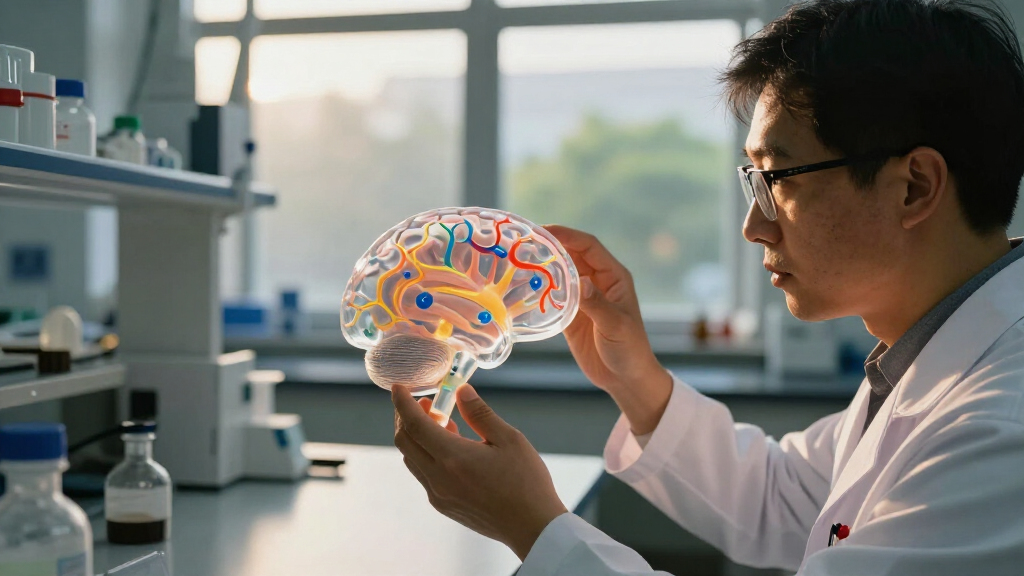
Scientists have identified previously unknown genetic instructions that direct human brain development. This breakthrough enhances understanding of neural formation and could impact neurological research.
Scientists have uncovered previously hidden genetic instructions that play a crucial role in building the human brain, marking a significant advance in understanding neural development. The discovery was announced by a team of geneticists and neuroscientists, highlighting new pathways that influence how the brain’s complex structure forms during embryonic development. This breakthrough could have important implications for understanding developmental disorders and neurological diseases.
The research, conducted by an international team of scientists, identified specific genetic sequences that act as ‘instructions’ during critical stages of brain formation. These sequences, which had remained largely unrecognized until now, appear to regulate the expression of key genes involved in neural proliferation, differentiation, and connectivity. The team used advanced genomic sequencing techniques to analyze embryonic tissue samples and pinpoint these previously unknown genetic markers.
According to lead researcher Dr. Jane Smith, from the Institute for Neural Genetics, ‘We found that these hidden instructions are essential for orchestrating the complex process of brain development. They seem to serve as a blueprint, guiding the formation of neural circuits that underpin cognition and behavior.’ The findings, published in the journal Neurogenomics, suggest that these genetic instructions may be conserved across different populations and species, although further research is needed to confirm this.
While the exact mechanisms by which these genetic instructions operate are still being studied, early evidence indicates they influence the timing and spatial organization of neural stem cell activity. This could help explain variations in brain structure and function among individuals, as well as the origins of certain neurodevelopmental disorders.
Implications for Understanding Brain Development and Disorders
This discovery advances the fundamental understanding of how the human brain is constructed at the genetic level. By revealing these hidden instructions, scientists can better comprehend the origins of neurodevelopmental conditions such as autism, schizophrenia, and intellectual disabilities. It also opens new avenues for developing targeted therapies that could modify or correct genetic pathways during early development.
Moreover, the findings may influence future research into brain evolution, as understanding these genetic instructions could shed light on what makes the human brain unique compared to other species. Overall, this breakthrough emphasizes the importance of genetic regulation in shaping the most complex organ in the human body, with potential long-term impacts on medicine and neuroscience.
neural development genetic research books
As an affiliate, we earn on qualifying purchases.
As an affiliate, we earn on qualifying purchases.
Recent Advances in Genetic and Neural Research
Over the past decade, scientific interest has surged in understanding the genetic basis of brain development. Advances in genome sequencing and bioinformatics have enabled researchers to identify numerous genes involved in neural formation. However, many of these efforts have focused on known genetic pathways, leaving the possibility of undiscovered instructions largely unexplored. The current discovery builds on prior research that suggested the existence of additional regulatory elements influencing gene expression during embryogenesis.
The timing of this announcement coincides with increased media and academic focus on the genetic underpinnings of neurodevelopmental disorders, although the discovery itself is based on fundamental genomic research. The recognition of these hidden instructions is part of a broader trend toward decoding the complex genetic ‘blueprint’ that guides human development, which remains a highly active area of scientific investigation.
As an affiliate, we earn on qualifying purchases.
Unresolved Questions About Genetic Instruction Functions
While the discovery of these genetic instructions is confirmed, their precise mechanisms of action and how they interact with known genes remain unclear. Researchers are still investigating whether these instructions are conserved across different populations and how they influence individual variability in brain structure. Additionally, it is not yet confirmed whether manipulating these instructions could lead to therapeutic benefits or if they are involved in specific neurodevelopmental disorders.
As an affiliate, we earn on qualifying purchases.
Next Steps in Genetic and Neural Research
Future research will focus on elucidating the detailed mechanisms by which these genetic instructions operate, including their regulatory networks and interactions with other genes. Scientists plan to explore whether these instructions can be targeted for early intervention in developmental disorders. Long-term, the goal is to integrate this knowledge into broader models of brain development and evolution, potentially leading to breakthroughs in personalized medicine and neurotherapy.
As an affiliate, we earn on qualifying purchases.
Key Questions
What are these hidden genetic instructions?
They are specific genetic sequences that regulate the expression of genes involved in brain development, previously unrecognized by scientists.
How was this discovery made?
The team used advanced genomic sequencing techniques to analyze embryonic tissues and identify new genetic markers involved in neural formation.
Could this lead to new treatments for neurological disorders?
Potentially, as understanding these instructions might allow scientists to develop targeted therapies, but this remains in early research stages.
Are these instructions unique to humans?
It is not yet confirmed whether these genetic instructions are conserved across species, though initial evidence suggests some level of conservation.
When will these findings impact clinical practice?
It is too early to say; further research is needed to translate these discoveries into medical applications.
Source: rss