
The “Two List” method helps you cut through decision fatigue by simplifying your choices into two categories: “Must Do” and “Nice to Do.” By organizing tasks this way, you free mental space, prioritize effectively, and reduce overwhelm. With consistent use, you’ll notice clearer focus and less mental drain within just a week. Stick with it to discover practical steps and tips that make this approach work seamlessly for you.

Get health and wellness essentials delivered free with Prime
- Fast, free delivery on millions of items
- Prime Video, Amazon Music and more included
- Member-only deals all year
Key Takeaways
- Implement the two list technique by categorizing tasks into “Must Do” and “Nice to Do” to reduce mental overload.
- Dedicate a quiet moment to quickly list all decisions, then separate them for clearer prioritization.
- Regularly review and update lists to keep tasks aligned with current goals, preventing decision fatigue buildup.
- Focus on completing “Must Do” tasks first, which simplifies choices and boosts confidence in decision-making.
- Use visual cues and mindfulness to stay engaged with your lists, ensuring sustained clarity and reduced fatigue.
Why Decision Fatigue Is Sabotaging Your Day: And How to Fix It
Decision fatigue happens when you’re forced to make too many choices, leaving your mental energy drained and impairing your judgment. When this happens, your mental clarity diminishes, making it harder to think clearly and make confident decisions. As your energy preservation decreases, you may start to rely on shortcuts or avoid decisions altogether, which can lead to poor outcomes. This mental drain can affect your productivity, mood, and overall well-being. Without managing decision overload, you risk sabotaging your day before it even begins. To counteract this, it’s essential to streamline your choices, conserve mental energy, and maintain focus on what truly matters. Recognizing decision fatigue is the first step toward reclaiming your mental clarity and making better choices effortlessly. Research findings show that implementing simple decision-making strategies, like the “Two List” method, can significantly reduce mental exhaustion.
How the Two List Method Simplifies Your Choices
The Two List Method offers a straightforward way to reduce mental clutter and make choices more manageable. By dividing your tasks into two categories—what you need to do now and what can wait—you streamline your decision-making process. This approach enhances your prioritization strategies, helping you focus on what truly matters without feeling overwhelmed. This simple division allows you to better allocate your energy and resources, making your decision-making process more efficient. As a result, your mental clarity improves because you’re not juggling endless options or second-guessing your choices. Prioritization becomes more effective when you clearly distinguish between urgent and non-urgent tasks, allowing you to allocate your energy wisely. Instead, you gain a clear picture of your priorities, allowing you to act confidently. This simplicity cuts through the chaos and keeps your mind focused on the task at hand, making decision fatigue less likely to take hold. Incorporating task segmentation can further clarify your focus and improve your overall productivity. Ultimately, it makes your daily choices easier and more effective, fostering a practical mindset that supports calm, confident decision-making throughout your day.
How to Create Your Two Lists in Easy Steps
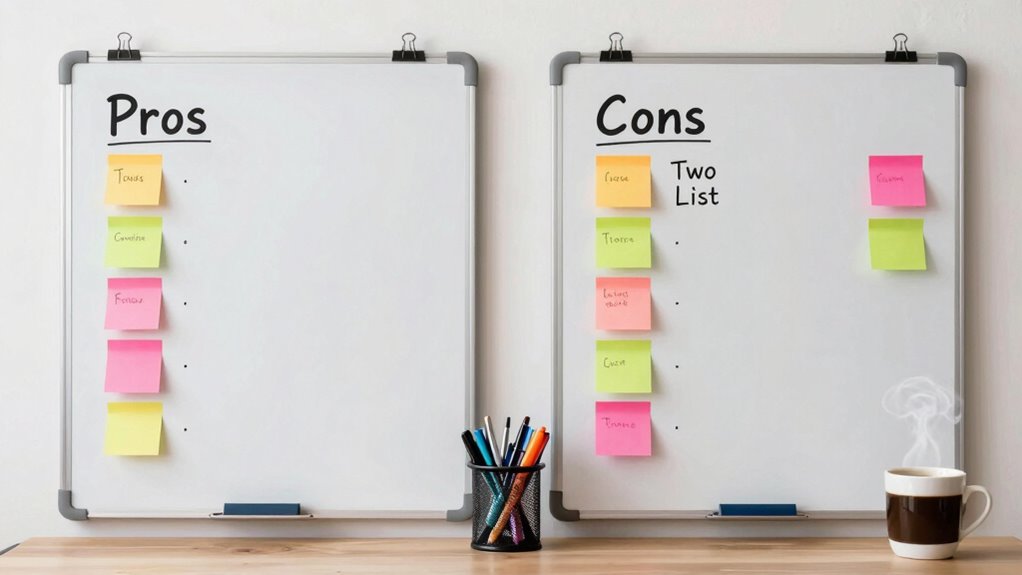
Creating your two lists is simple and requires just a few easy steps. First, set aside a quiet moment to focus. Then, follow these steps:
- Write down everything you need to decide on, creating a complete master list.
- Separate the items into two categories: “Must Do” (prioritization strategies) and “Nice to Do.”
- Review each list, refining and clarifying your choices to boost mental clarity.
This process helps you clearly see what truly matters, reducing overwhelm. By differentiating urgent from optional tasks, you streamline your decision-making, making it easier to focus on what’s essential. Creating these lists sharpens your prioritization strategies and clears mental clutter, setting you up for confident decisions with less fatigue.
Tips to Make the Two List Technique Work Better for You
To make the Two List technique more effective, start by customizing it to fit your workflow and priorities. Focus on clearly defining your most important tasks and categorize them accordingly, so you can prioritize tasks efficiently. By doing this, you streamline choices and reduce decision fatigue. This approach is similar to selecting the right materials for farmhouse furniture, which ensures durability and aesthetic appeal, making your decisions more straightforward. Keep your lists simple and specific, which helps you quickly identify what truly matters each day. Regularly review and update your lists to ensure they reflect your current goals and commitments. This practice keeps you aligned with your priorities and prevents overwhelm. Incorporating visual cues and mindfulness techniques can also help you stay focused and reduce stress during the process. Additionally, understanding the history of decision-making methods can provide valuable insights into how to refine your approach. The more tailored your approach, the more you’ll benefit from decision-making efficiency and increased productivity.
Real-Life Examples of the Two List Method in Action
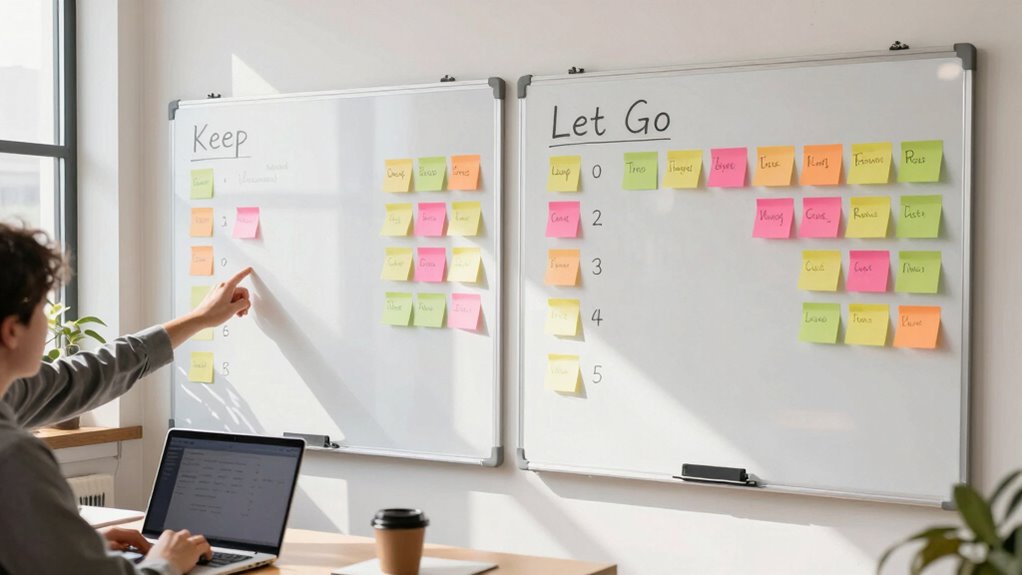
Real-life situations demonstrate how the Two List method can simplify decision-making and boost productivity. For example, many people share personal stories of overcoming overwhelm by listing options and priorities. Success cases include professionals who used the method to choose projects, resulting in clearer focus. Imagine:
Using the Two List method transforms overwhelm into clarity and confidence.
- You’re torn between multiple job offers—listing pros and cons helps decide quickly.
- You want to plan a weekend trip—separating must-do activities from optional ones clears your mind.
- You’re overwhelmed with household chores—organizing tasks into essential and optional makes cleaning manageable.
- Applying the best airless paint sprayer techniques can make painting projects less stressful and more efficient, illustrating how structured decisions improve outcomes.
- Understanding the early detection of metabolic disorders can enhance your ability to make timely health decisions and prevent complications.
- In urban settings like Harrisburg, breaking down choices about activities, dining, and entertainment into two lists can help residents prioritize cultural events and urban pursuits without feeling overwhelmed.
- Recognizing the importance of ergonomic principles in daily routines can further streamline decision-making about comfortable setups and habits. Additionally, considering electric dirt bikes or other sustainable transportation options can influence choices about commuting and recreation, making the process more aligned with personal values.
These examples show how the Two List method turns complex choices into simple, actionable steps, empowering you to make faster, more confident decisions. Personal stories confirm it’s a game-changer for ending decision fatigue.
Frequently Asked Questions
Can the Two List Method Be Adapted for Group Decision-Making?
Yes, you can adapt the two list method for group decision-making by encouraging everyone to create their own lists of pros and cons. Then, facilitate a discussion to identify common themes and reach a group consensus. This approach boosts collective efficiency by aligning perspectives and streamlining decisions. It helps guarantee all voices are heard, making the process more collaborative and less decision-fatigue-inducing.
How Long Does It Typically Take to See Results Using This Method?
You can usually see progress within a week, but timing expectations vary based on your decision complexity. By tracking your progress daily, you’ll notice reduced decision fatigue and clearer priorities. The key is consistency; sticking with the method helps you adapt faster. Keep monitoring your experience, and you’ll likely find decision-making becomes smoother and less draining in just a few days.
Are There Specific Types of Decisions Best Suited for This Technique?
You’ll find the “Two List” method works best for decision-making scenarios involving multiple options or choices, like choosing a career path or planning a trip. It’s a great list organization technique because it helps you compare pros and cons clearly. Use it when you want to simplify complex decisions, reduce stress, and quickly identify the best option. This technique streamlines your process and makes decision-making more efficient.
What Are Common Mistakes to Avoid When Implementing the Two List Method?
You might stumble by overestimating your clarity, falling into emotional reasoning or overconfidence bias, which clouds judgment. Avoid rushing the process or overcomplicating your lists—these pitfalls drain your mental energy. Keep your lists simple and honest, making space for reflection rather than impulsive choices. By staying aware of biases, you’ll navigate the method smoothly, ensuring your decisions are balanced and truly aligned with your goals.
How Often Should I Review and Update My Lists for Optimal Results?
You should review your list weekly to keep it fresh and relevant, adjusting your list update timing based on any changes in your priorities or circumstances. Regular list review frequency helps you stay aligned with your goals, while timely list updates prevent outdated items from cluttering your decision-making process. Set a consistent day each week to review, then tweak your lists as needed to maintain clarity and efficiency.
Conclusion
By using the two list method, you can effortlessly prioritize your decisions and reduce mental clutter. For example, imagine handling your work tasks more efficiently, leaving you more time for yourself. One person cut decision fatigue in just a week by sorting daily choices into “must-do” and “can-wait” lists. Try it out—simple, quick, and effective—so you can reclaim your mental space and start each day feeling more focused and in control.
Halloween Picks
halloween
As an affiliate, we earn on qualifying purchases.