TL;DR

Get health and wellness essentials delivered free — and shop member deals
- Fast, free delivery on millions of items
- Access to Prime Big Deal Days deals on October 6–7
- Prime Video, Amazon Music and more included
A Sixty and Me report says that while chronological age cannot be changed, some lifestyle and environmental factors associated with biological aging may be influenced. It highlights regular movement, sleep, nutritious food, social connection and purpose, while the research it cites does not show that any one habit can stop or reverse aging.
A Sixty and Me report on aging after 60 points to regular physical activity, consistent sleep, minimally processed foods and social connection as practical habits that may support health as people grow older. The report distinguishes chronological age from biological measures of how the body functions, but it does not establish that these habits can stop or reverse aging.
The report describes aging as shaped by a mix of genetics, lifestyle and environment. It cites Harvard genetics professor David Sinclair as estimating that genes may account for up to half of the rate at which people age. That figure is an attributed estimate in the report, not a guarantee about any individual’s aging or health.
It lists smoking, excess sun exposure, chronic stress, poor sleep, inactivity and excess weight among factors associated with changes such as cellular damage, inflammation and muscle loss. The report also discusses possible links between aging and anxiety about growing older, loneliness, air pollution, frequent alcohol use, disrupted sleep schedules and gut bacteria. Those factors vary in how well they are established, and the report does not show that each one directly causes faster aging.
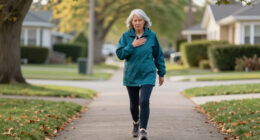
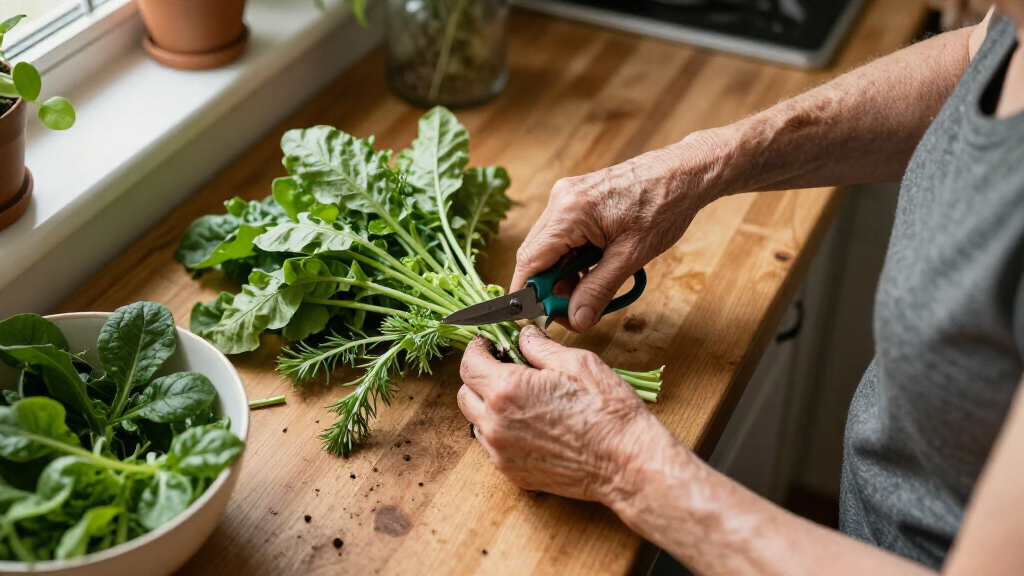
Its practical recommendations are deliberately ordinary: take walks or do other activity that is safe and sustainable, add strength and flexibility exercises where appropriate, keep a regular sleep schedule, and make vegetables, fruit, beans, whole grains and nuts a larger part of meals. It also encourages people to maintain relationships and pursue activities that give them connection and purpose.
Everyday Habits and Healthy Aging
The advice matters because many of the habits discussed are modifiable parts of daily life, even though aging itself and genetic risks cannot be eliminated. Regular movement may help people maintain activity and muscle as they age, while sleep, nutritious food and social contact can support broader wellbeing. The report frames these as steps that may contribute to healthier aging, not as a formula for a particular biological-age result or longer lifespan.
That distinction is important for readers over 60. The report’s suggestions are not presented as a treatment plan, and they cannot replace individual guidance about health conditions, medications or safe levels of exercise. Its emphasis is on sustainable routines rather than dramatic interventions or promises of reversing age-related change.
senior resistance bands for strength training
As an affiliate, we earn on qualifying purchases.
As an affiliate, we earn on qualifying purchases.
What the Report Says About Age
Chronological age counts the years a person has lived. Biological age refers more broadly to how well the body is functioning, and researchers use different measures to study age-related changes. The report uses the distinction to explain why people of the same chronological age may not have identical health or physical function; it does not provide a validated test that readers can use to determine their biological age.
One example it cites is a study of 726 middle-aged women, which reportedly found an association between greater anxiety about growing older and faster epigenetic aging. Epigenetic changes involve how genes are switched on or off. An association does not show that anxiety alone caused the measured changes, and the reported participants were middle-aged women, so the finding should not automatically be generalized to everyone over 60.
The report also invokes Harvard material on social ties, outlook and purpose. It places those ideas alongside familiar health behaviors, arguing that a person’s routines and surroundings may matter alongside inherited traits. Its central message is gradual: small habits repeated over time may be more practical than seeking a single solution to aging.
“Genes may account for up to half of the rate at which we age.”
— David Sinclair, professor of genetics at Harvard Medical School, as quoted in the Sixty and Me report
As an affiliate, we earn on qualifying purchases.
Limits of the Evidence Cited
The source is a lifestyle report, not a clinical guideline or a systematic review of the evidence. It does not provide full citations, study methods or effect sizes for every point, including its references to diet, gut bacteria, pollution and social connection. The strength of evidence may differ across those subjects, and some are described as possible influences rather than established causes.
The report also does not specify how much activity, what sleep duration or which dietary changes would be appropriate for each reader. It gives no evidence that following its recommendations will lower a person’s measured biological age, prevent disease or extend life. People with medical conditions or concerns about changing exercise or diet should seek advice from a qualified health professional.
nutritious snack packs for seniors
As an affiliate, we earn on qualifying purchases.
As an affiliate, we earn on qualifying purchases.
Building Sustainable Daily Routines
The report does not announce a new program, policy or follow-up study. Its next step for readers is practical: choose habits that can be maintained, such as a regular walk, a steadier bedtime, adding minimally processed foods to meals or arranging time with friends. Starting with manageable changes may make routines easier to sustain.
For a clearer picture of specific claims, readers would need to consult the original research and public-health guidance behind them. Further details on the studies cited—including publication dates, methods and limits—are not included in the supplied report. For now, its advice is best understood as general lifestyle guidance, not a promise that aging can be halted.
As an affiliate, we earn on qualifying purchases.
Key Questions
Can people stop or reverse aging after 60?
The report does not claim that people can stop or reverse aging. It says some lifestyle and environmental factors associated with biological aging may be influenced, while chronological age and many other factors cannot be controlled.
Which everyday habits does the report recommend?
It suggests regular activity that is safe and sustainable, consistent sleep, meals built around minimally processed foods, maintaining social connections and pursuing activities that provide a sense of purpose.
Does anxiety about aging cause faster biological aging?
The report cites an association in a study of 726 middle-aged women between greater anxiety about growing older and faster epigenetic aging. That finding does not prove anxiety caused the changes or establish the same effect for everyone over 60.
Should readers follow the recommendations as medical advice?
No. The report offers general lifestyle suggestions, not individualized medical guidance. Anyone considering changes to exercise or diet, particularly with a health condition, should consult a qualified health professional.
Source: rss
Halloween Picks
halloween
As an affiliate, we earn on qualifying purchases.




![ADHD, Autism Or Complex Trauma? [Pdf]](https://lifestylesinfocus.com/wp-content/uploads/2026/10/adhd-autism-or-complex-trauma-pdf-featured-260x140.jpg)